


Now that the laptop market is gradually maturing, Apple It seems ready to rewrite the rules again. Although MacBook Pro The update has just been completed, but the latest news points out that there may be an unprecedented wave of major revisions in the second half of this year. Not only the performance is upgraded, but also the display technology, operation method and even product positioning may be completely renovated, taking this professional-grade notebook to a completely new direction.
▲Picture source:Apple
MacBook Pro big evolution? OLED + touch + dynamic island is in place at once, MacBook Ultra is about to debut
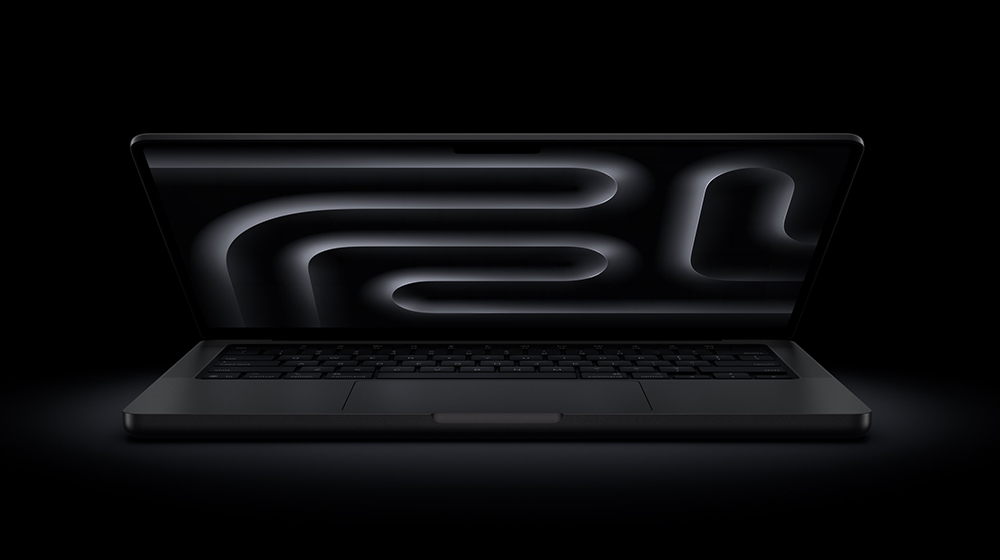
Currently, MacBook Pro uses mini-LED display technology, which already has good performance in brightness and contrast. However, Apple may officially introduce OLED screens next, which will be the first time that the Mac series uses this technology.
Compared with mini-LED, the biggest advantage of OLED is that each pixel can illuminate and turn off independently, so it can present a truly pure black picture with higher contrast and more vivid colors. This display effect will be particularly impressive when watching videos or editing pictures. Especially for imaging workers, it will be a very obvious upgrade.
In fact, Apple has already widely used OLED in iPhone, iPad, and Apple Watch. Now it has introduced it into MacBook Pro, which can be regarded as the last piece of the product line.
▲Picture source:Apple
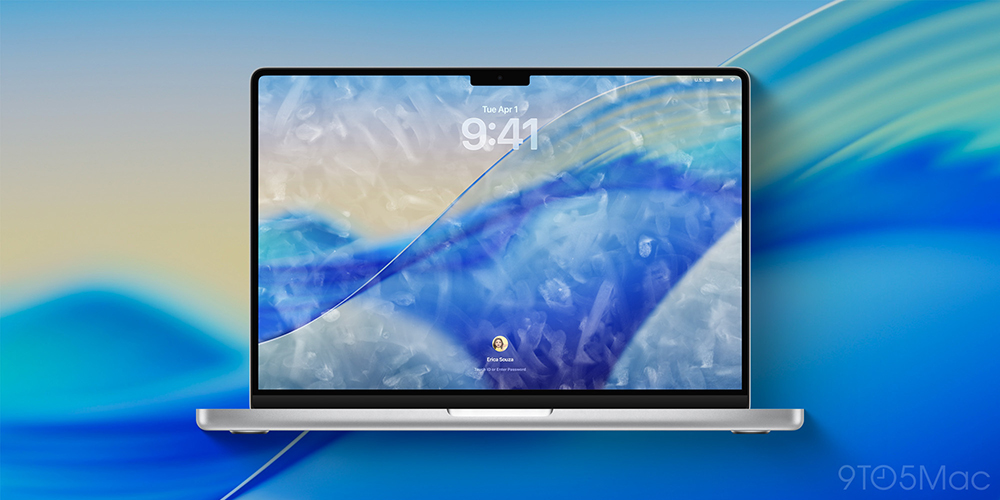
What’s even more concerning is that MacBook Pro is rumored to support touch operations for the first time. This has actually been rumored for years, but has never come to fruition, and now it looks like it finally has a chance to come true.
However, Apple is not simply adding a touch screen, but redesigning macOS from the system level. For example, when a user clicks a button or menu on the screen, the system will automatically enlarge the operating area to make finger operations more intuitive.
▲Picture source:9to5Mac
In addition, common gesture operations such as pinch-to-zoom and slide-to-scroll will be supported. The overall user experience will be closer to that of the iPad, but it will still retain the professional operating capabilities of the Mac. This means Apple isn’t just making Macs touch-enabled, but is trying to create a new hybrid operating model.
In terms of appearance, MacBook Pro still uses a bang design to accommodate the FaceTime lens. However, it may be changed to a hole-punch design in the future, which is similar to the hole-punch lens of the iPhone.
What’s more interesting is that Apple may bring the dynamic island feature to Mac. This feature was originally used on iPhone to integrate notifications and real-time activities. If it is ported to MacBook Pro, it may have a more intuitive display method in the future when dealing with background tasks, playing music or receiving notifications.
Such a change is not just an appearance adjustment, but also represents Apple’s desire to make the Mac’s operating experience more consistent and gradually integrate it with the iPhone and ecosystem.
▲Picture source:9to5Mac
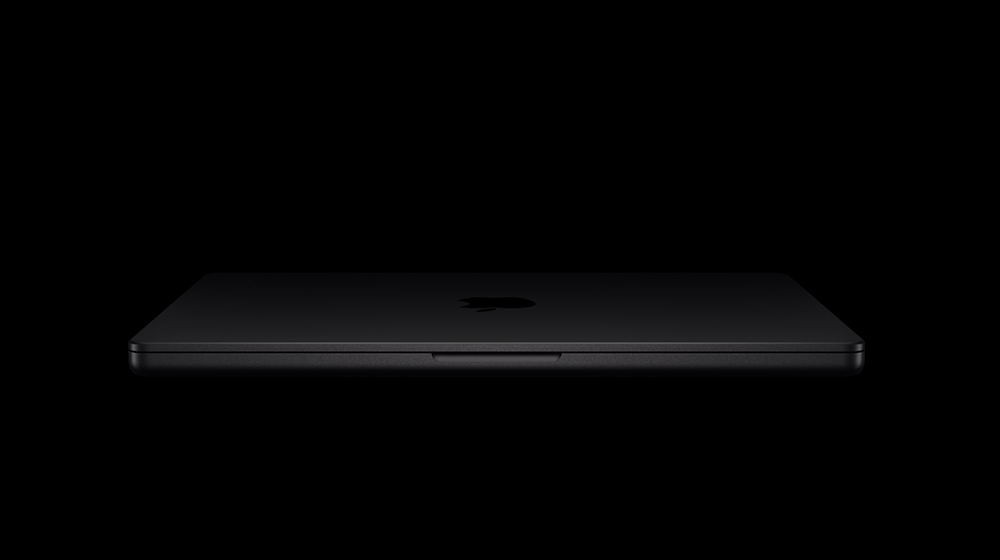
Looking back on past generations of MacBook Pro, Apple has made the body thicker in 2021 in exchange for better heat dissipation and more connection ports. However, this time there is news that Apple may once again pursue a thinner and lighter design.
The biggest key behind this is actually Apple’s own chips. Compared with the past Intel era, the current Apple Silicon has a better balance between power consumption and performance, so even if the body becomes thinner, it is less prone to overheating or frequency reduction problems.
It is not yet certain whether Apple will remove some ports as a result, but what is certain is that the design direction this time will achieve a new balance between thinness and lightness and professional functions.
▲Picture source:Apple
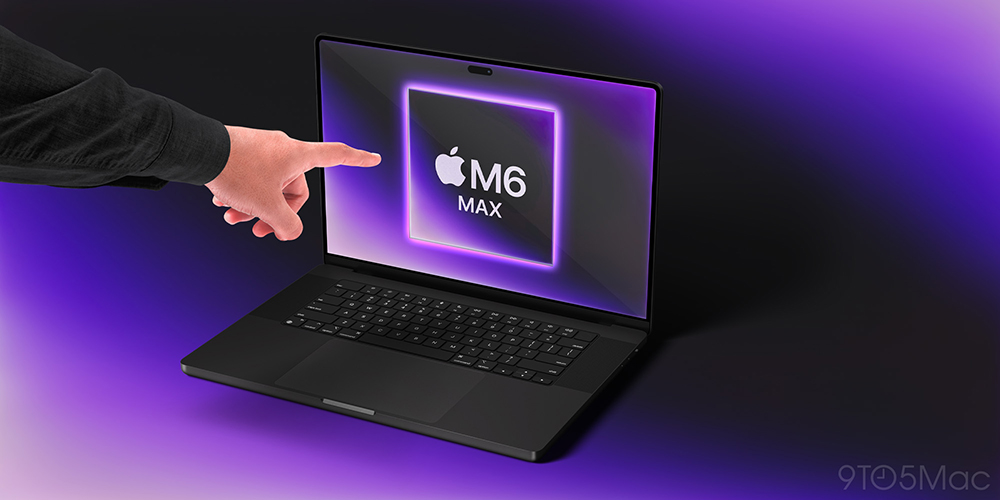
In terms of hardware core, the new generation MacBook Pro is expected to be equipped with the latest M6 series chips. This chip is rumored to use a 2nm process, which will significantly improve performance and energy consumption compared to current chips.
Although there are no detailed data yet, it can be expected that better performance will be achieved in scenarios such as multitasking, video editing, and AI computing. For professional users, this is not only a performance upgrade, but may also lead to more stable and long-term efficient output.
In addition to specification upgrades, the naming method may also change. It is reported that this new machine will not necessarily directly replace the existing MacBook Pro, but will be positioned on a higher-end product line. This has also led to speculation that Apple may launch a new series called MacBook Ultra to correspond to the current naming strategy of iPhone and Apple Watch. If this news is true, it means that Apple will further expand its product levels to give professional and extreme performance users a clearer choice.
As for the release date, it is currently widely expected to fall in October or November this year. While updating the MacBook Pro twice in the same year may sound a bit unusual, Apple has done similar things in the past, so it’s not too surprising. This also means that if you are considering buying a MacBook Pro in the near future, you may want to wait and see if this wave of major revisions meets your needs.
Further reading:
Source: KOCPC Chinese