


Since the end of 2025, an open-source tool called “OpenClaw” has rapidly reshaped the global tech landscape. This AI agent tool, developed by Austrian engineer Peter Steinberger, has quickly spread from the developer community to the mainstream commercial market thanks to its exceptional autonomous execution capabilities. It can browse the web, book flights, and even independently handle complex schedule management and multi-step tasks. NVIDIA CEO Jensen Huang gave it extremely high praise at GTC 2026, calling it “the most successful open source project in human history,” which completely ignited global enthusiasm for Agentic AI.
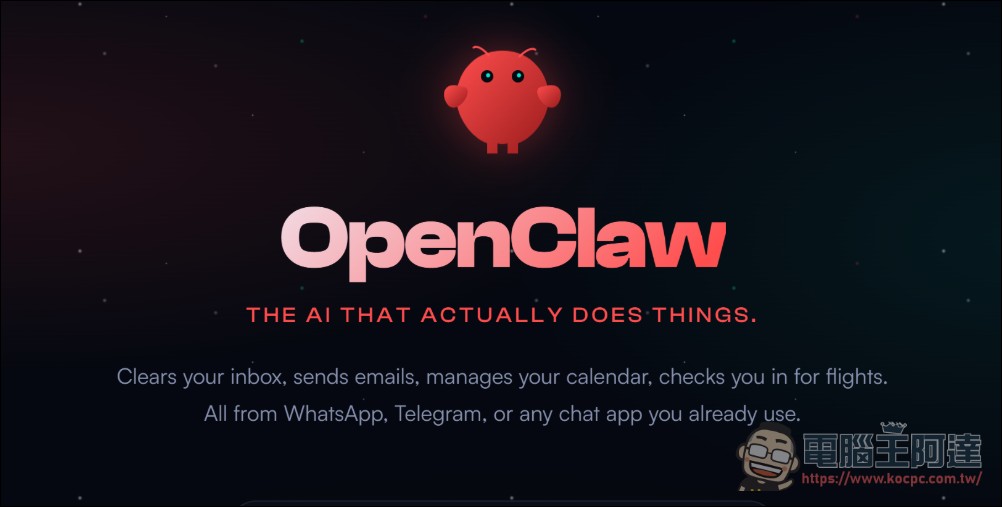
However, between China and the United States—the world’s two largest economies—OpenClaw presents sharply contrasting development trajectories. According to data released by U.S. cybersecurity company SecurityScorecard, China’s OpenClaw usage scale and enterprise adoption rate have reached nearly double those of the United States. This significant data gap not only reflects the differences between the two countries in their choice of technical tools, but also reveals a fundamental divergence in mindset between the U.S. and China when facing technological change, social progress, and economic anxiety.
“Openclaw Mania” Sweeps China: Chinese Businesses and Government in Full Sprint
In China, the rapid adoption of OpenClaw has been described by foreign media as a “Openclaw Craze,” suggesting that, like a highly popular delicacy, it has quickly penetrated every level of society. From tech geeks to ordinary office workers, and even among elderly populations in certain regions, OpenClaw’s presence can be seen everywhere. This high level of acceptance stems from the technological mindset that Chinese society has long established: technological change represents progress. From the high-speed rail network and mobile payments of the past to the electric vehicle wave of recent years, citizens of the People’s Republic of China generally believe that technology can continuously improve quality of life and enhance social efficiency.
Chinese enterprises’ attitudes toward OpenClaw have been even more aggressive. Tech giants including Tencent, ByteDance, and Alibaba have not only been testing the tool extensively internally, but have also quickly launched various compatible tools or cloud-based OpenClaw optimized versions, lowering the barrier to use for employees and partners. Rumor has it that some companies have even explicitly required employees to “must” use OpenClaw to assist with their daily work, and use this to track employees’ automation efficiency performance. Founder Steinberger once humorouslyComment“「在美國,如果你在不被允許的情況下使用 OpenClaw,你可能會被開除;但在中國,如果你拒絕使用它,你反而可能面臨失業。」”
In the US, if you use OpenClaw without permission, you might get fired; but in China, if you refuse to use it, you might face unemployment instead.
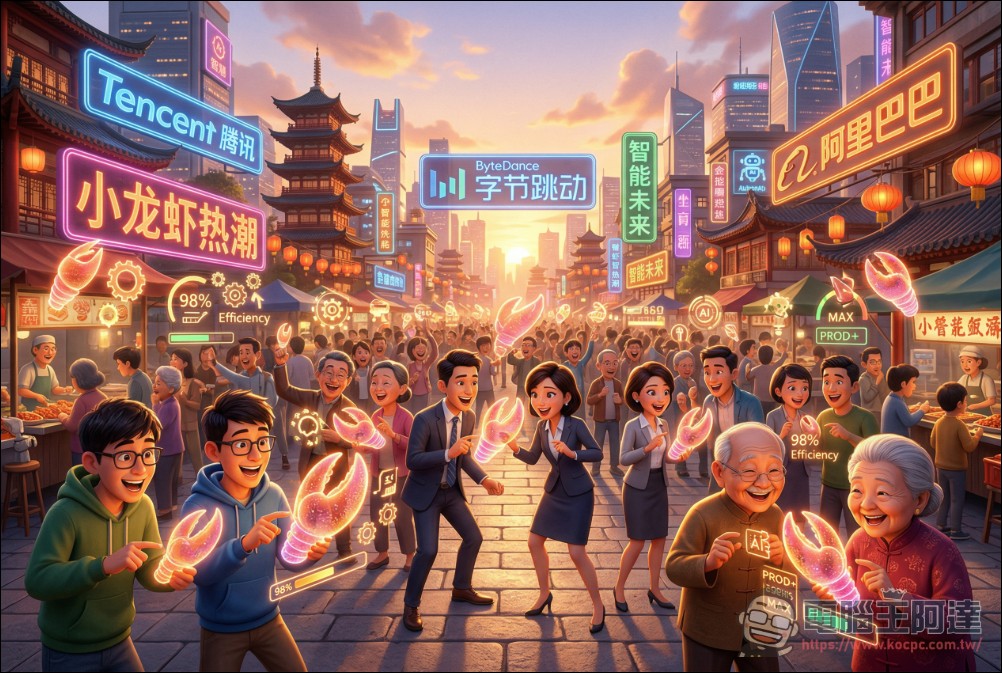
Beyond corporate drivers, policy support from local governments in China also plays a key role. For example, an administrative district in Shenzhen City, seeking to gain a competitive edge in AI, plans to offer a maximum subsidy of 2 million RMB for “AI Agent Skills Development,” aimed at encouraging enterprises and individuals to learn and deploy OpenClaw. This top-down push has made AI agents in the People’s Republic of China not merely a technology, but more like a national-level productivity revolution.
Calm and Vigilance in the Western World: The Double Blow of Anxiety and Security Risks
In stark contrast to the frenzy in China, the US and European markets have adopted a far more complex and cautious attitude toward OpenClaw. While Silicon Valley remains the center of AI technology development, enterprises have encountered unprecedented resistance when it comes to implementation. According to a report by SecurityScorecard, US enterprises’ sentiment toward adopting AI agents is mired in concerns about economic anxiety, excessive concentration of power, and automation’s threat to white-collar workers.
For many American white-collar workers, the powerful autonomous execution capabilities demonstrated by OpenClaw are not simply efficiency tools, but rather a potential “job replacer.” This fear is further amplified amid economic uncertainty, leading to reservations from unions and within corporations about the large-scale adoption of AI agents. Discussions about new technologies in Western society are often accompanied by critical reflections on privacy rights, power dynamics, and the exacerbation of social inequality.
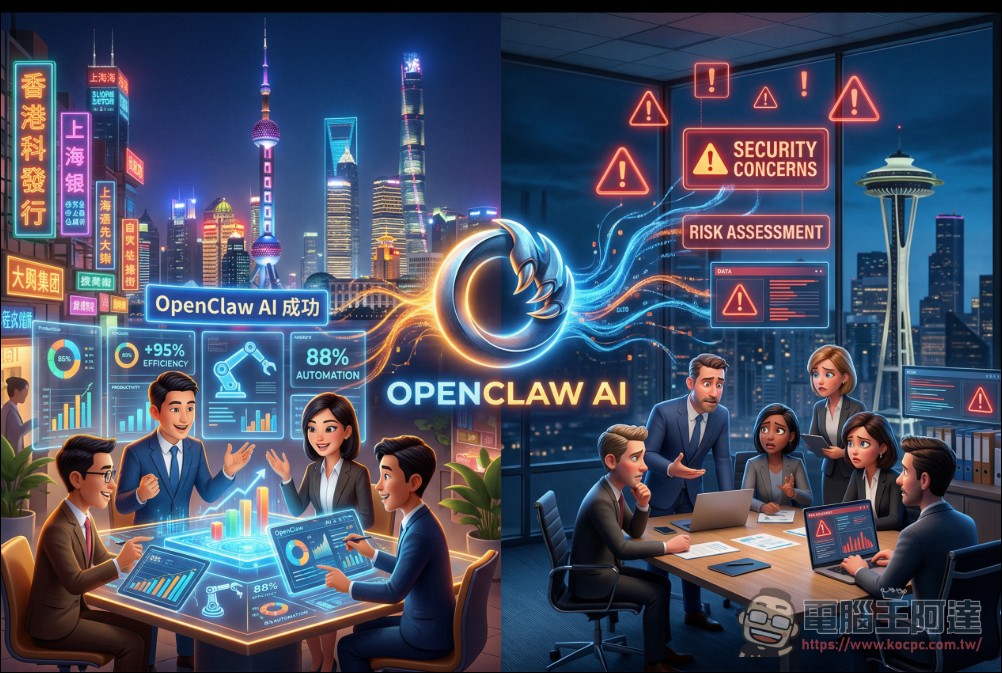
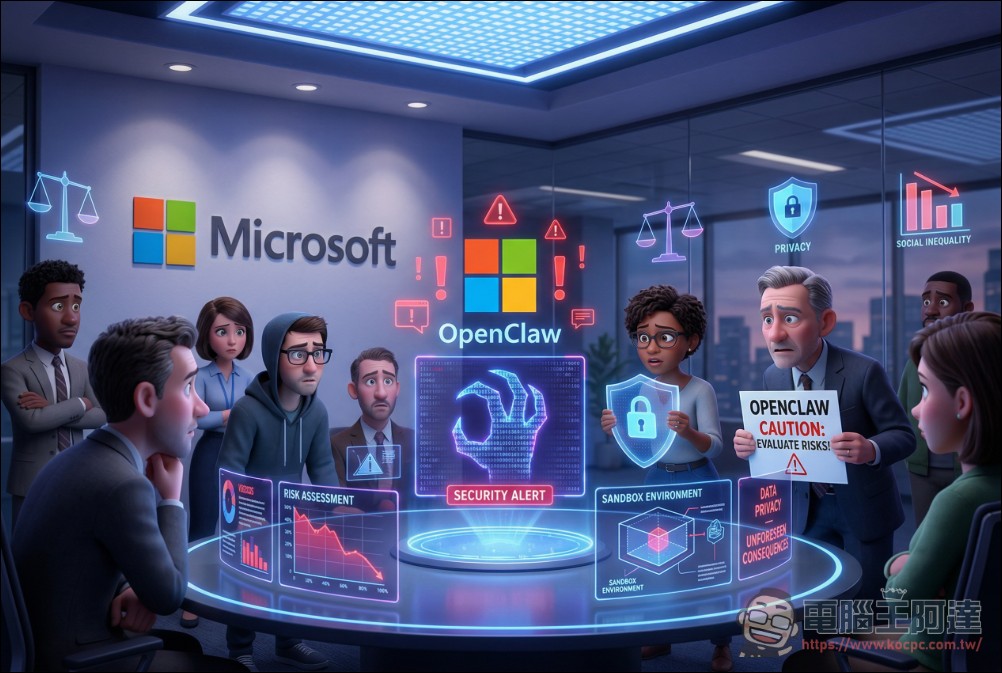
Beyond social and psychological factors, security risks are the primary concern for US tech giants. Microsoft has issued an official warning, pointing out that highly autonomous AI agent tools like OpenClaw are essentially an “untrusted code execution environment.” Microsoft recommends that enterprises implement strict access controls on OpenClaw, even suggesting it should only be run in fully isolated sandbox environments. Microsoft’s concerns are not unfounded—AI agents require high-level permissions to execute tasks, and if code contains vulnerabilities or is maliciously exploited, it could cause irreversible damage to a company’s internal network and data assets.
On the other hand, while both the Chinese government and the private sector are actively promoting the adoption of AI agents, regulatory authorities have not ignored the security threats that come with it. On March 22, 2026, Chinese regulatory authorities officially issued theOpenClaw Security Best Practices GuideThis guide not only clarifies the legal responsibilities enterprises should bear when using AI agents, but also specifies in detail the technical standards for permission management, task tracking, and data compliance.
Additionally, the ecosystem of Chinese internet giants provides fertile ground for OpenClaw. The closed platforms owned by Tencent, Alibaba, and similar companies can quickly integrate AI agents through APIs, achieving full-chain automation from payments and logistics to customer service. In contrast, the U.S. software ecosystem is more fragmented and faces stricter antitrust and privacy regulations, which objectively limits the effectiveness of tools like OpenClaw that require cross-platform operations.
However, China’s rapid adoption is not entirely without concerns. Mandatory technology rollout, extreme pressure on employees for automation efficiency, and blind expansion before safety guidelines are complete could all become future technical debt. While American companies’ cautious approach may appear to put them behind in adoption numbers in the short term, this “safety-first” sandbox culture may give them a more sustainable development edge in the long-term competition for technological maturity and stability.
What’s Next for Agentic AI?
Looking ahead, the divergence in OpenClaw adoption between China and the US will continue to reshape the global AI industry’s competitive landscape. As founder Steinberg joins OpenAI, we expect to see more large language models integrated with native agent capabilities emerge. Meanwhile, driven by both policy benefits and competition among tech giants, the Chinese market may be the first to give birth to several new business models centered around AI agents.
The critical question is: when technological convenience collides with security, how should society choose? China’s “full speed ahead” versus America’s “cautious defense” are essentially two different survival strategies for each country facing the impact of future technology. Regardless of the final outcome, OpenClaw has already completed its historical mission: bringing the world into the true “AI agent era.”