


As AI technology continues to thrive in today’s world, many gaming companies have jumped into R&D for related technologies, but this has also frequently sparked various controversies and concerns. According to the latest rumor, Valve, the parent company of the Steam platform, may have quietly begun laying the groundwork for AI technology development and is working on an AI system called “SteamGPT.”

In a latest post, Twitter user gabefollower says he found references to “SteamGPT” in multiple Steam backend code snippets, covering a wide range of areas including task scheduling, code testing, account management, and security mechanisms.
It seems that Valve is working on a “SteamGPT” feature that will apparently deal with Steam support issues and is somehow connected to Trust Score and CS2 anti-cheat? pic.twitter.com/a3MckicQf2
— Gabe Follower (@gabefollower) April 7, 2026
Moreover, entries related to Valve’s “Trust System” also appeared in the code, such as trust scores, account age, account classification, linked accounts, confidence values, and inference results. Based on this information, many users have also speculated that Valve might intend to apply SteamGPT to the anti-cheat systems of online competitive games like Counter-Strike 2 and Dota 2.
However, it’s worth noting that based on the currently leaked backend information, players are unable to confirm whether Valve will ultimately make SteamGPT available to general users, and the more likely outcome is that it will simply be an internal AI tool for Valve developers.

However, some media outlets have speculated that Valve might apply this AI system to customer support on the Steam platform. Given that Valve handles a massive volume of customer support requests from Steam users every day—especially during major sales events—implementing AI technology to help triage and respond would genuinely take a lot of pressure off customer service staff.
As for SteamGPT potentially being integrated into Steam’s anti-cheat system, many players are quite concerned. After all, cheaters’ methods have become increasingly sophisticated, and if AI is to effectively identify them, it would require deeper monitoring of player data—such as gaming behavior, account activity, and login locations. All of this has many players worried about data security issues, not to mention that this kind of non-human monitoring system could easily lead to misidentifications and other problems.

Compared to other major gaming companies, Valve has maintained a notably low-key stance on AI technology development in recent years, and the recent leak of “SteamGPT” seems to suggest their AI strategy may be quietly shifting. However, for now, Valve’s approach to AI applications still appears to lean toward a more “supporting tool” role, without plans to adopt a more comprehensive approach.
Prior to this, other rumors also suggested that Steam is developing a “Frame Estimator” system that uses AI to determine what kind of performance a player’s current PC specs can deliver when running a specific game, thereby providing reference for purchasing decisions and helping users avoid buying games their systems can’t handle.
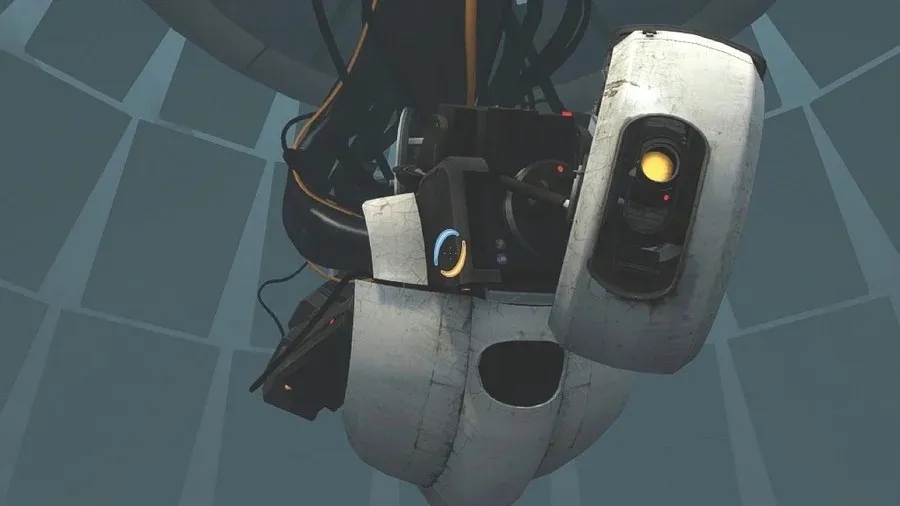
At this stage, SteamGPT still appears to be in its infancy, and whether it will be fully developed, along with its eventual usage and applications, remains to be seen. Therefore, players don’t seem to need to worry too much, since given Valve’s track record, even if such an AI system is ultimately implemented, it will likely take a low-key and practical approach rather than a comprehensive “AI invasion.” As for whether this technology will one day bring a convenient yet unsettling experience like the evil AI “GLaDOS” from Portal, only time will tell.
Source: KOCPC Chinese