


CES 2026, the tech industry’s annual flagship event, has just wrapped up, but organizations such as the Electronic Frontier Foundation (EFF), iFixit, SecuRepairs, and The Repair Association have simultaneously released a list titled “Worst in Show at CES 2026.” The “winners” on the list were mercilessly criticized for issues ranging from privacy violations and poor security to difficulty in repair and environmental damage.

Privacy Invasion Award: Amazon Ring AI and the Sidewalk Ecosystem
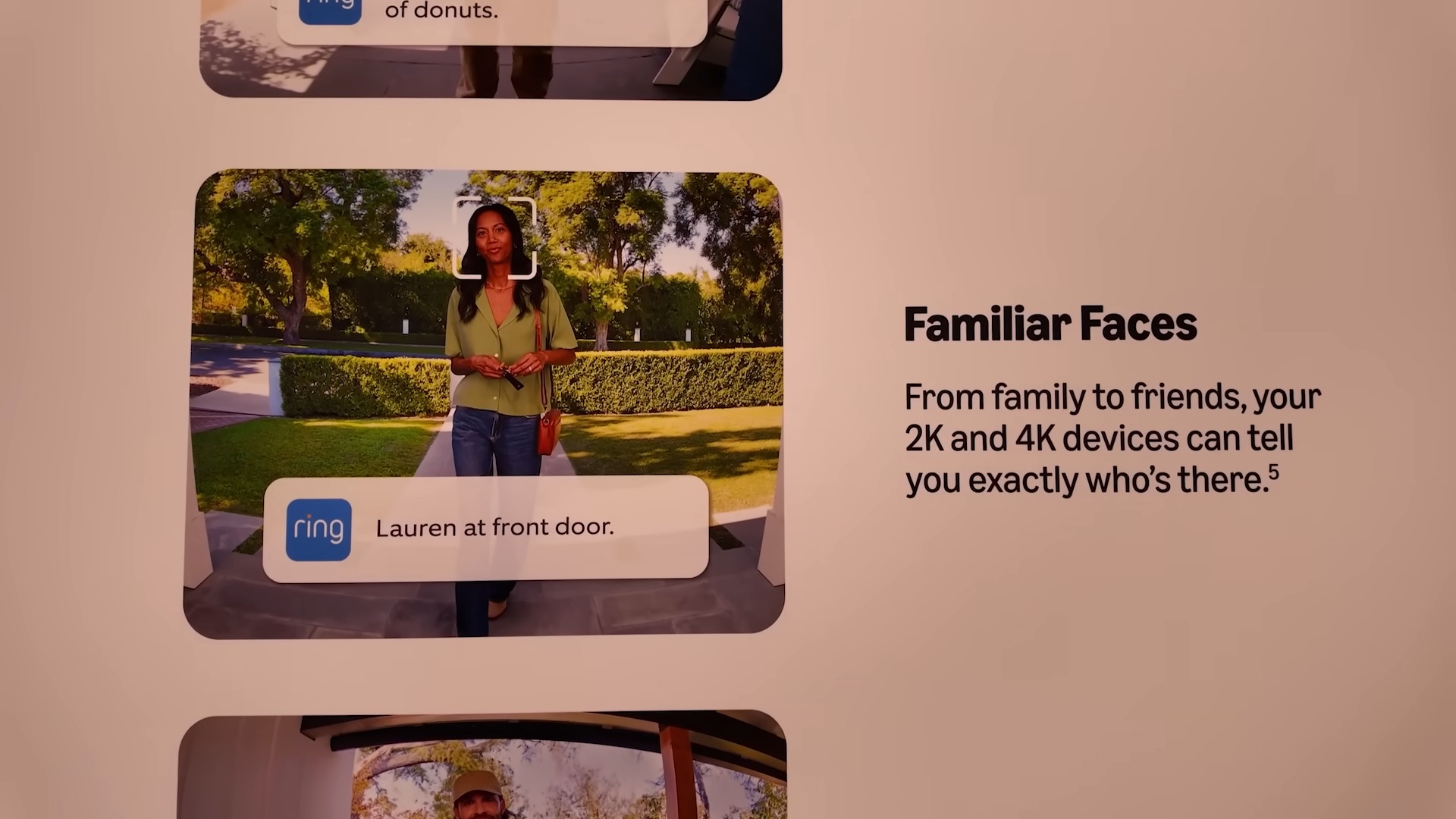
On the issue of privacy, Amazon won the “Privacy Award” for its Ring AI product line and its expanding Amazon Sidewalk network. At CES 2026, Amazon unveiled several security and surveillance products, emphasizing that its system can connect users’ devices with those of others to form a broader community surveillance network. This includes upgraded home security devices such as door and window sensors and glass break sensors.
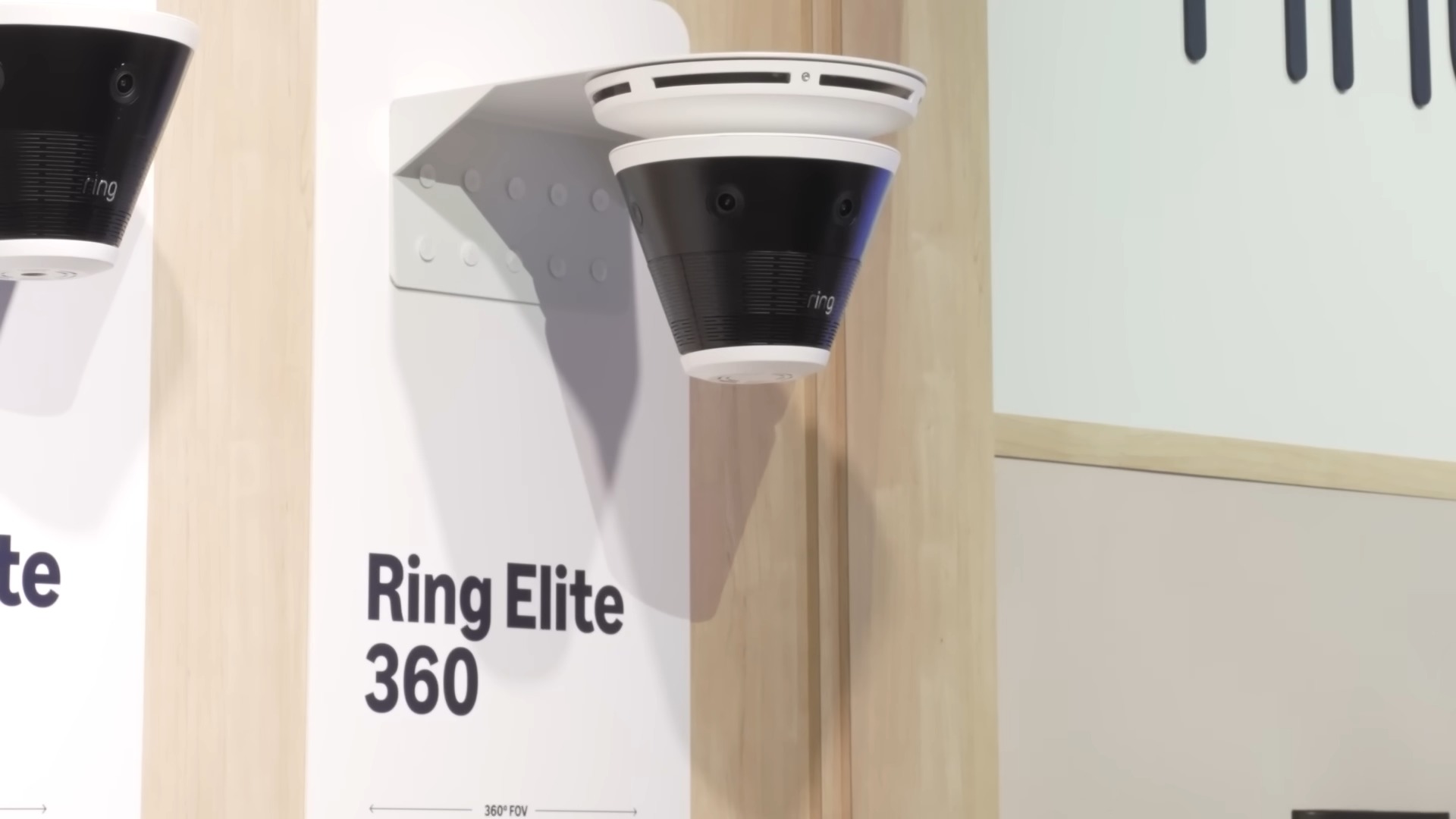
The Electronic Frontier Foundation (EFF) has expressed strong concerns about the direction in which this technology is heading. The EFF points out that Amazon’s strategy effectively extends its surveillance network indefinitely, using Amazon Sidewalk to connect individual users’ devices into a vast data-collection network. The panel believes that this approach “multiplies the risk of privacy violations” and fosters a dangerous misconception that “greater surveillance equals greater security.” In fact, such a widespread and interconnected surveillance system may expose users’ privacy to greater risks rather than providing genuine security.
Security Vulnerability Award: Merach UltraTread AI Treadmill
The “Security Award” was presented to Merach’s UltraTread treadmill. This fitness machine features a conversational AI coach that not only chats with users but also actively adjusts the belt speed and incline based on changes in the user’s heart rate.
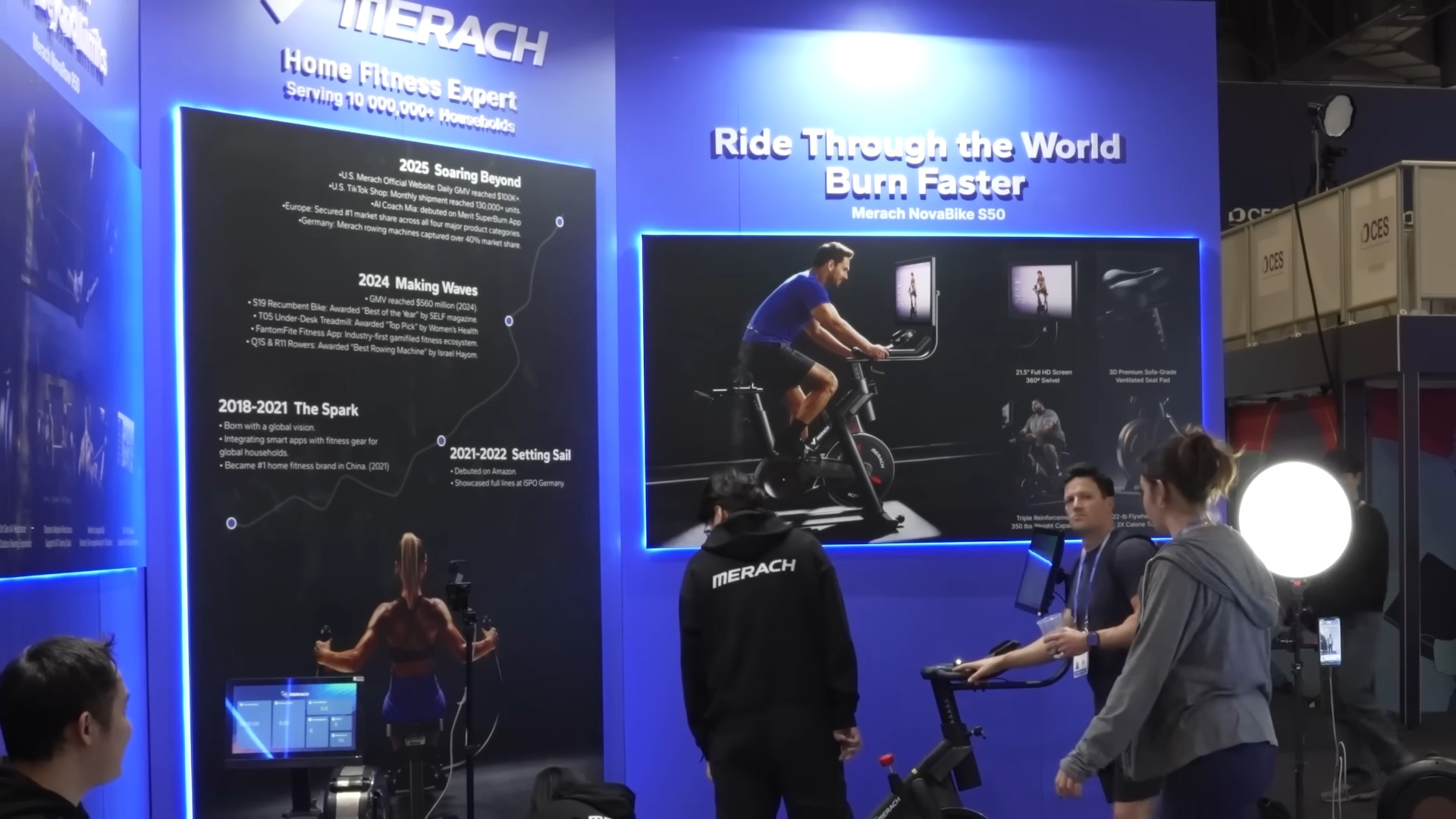
SecuRepairs, an organization focused on information security, has issued a stern warning about this product. According to SecuRepairs’ analysis, this product combines “internet connectivity” with “large language models (LLMs),” which means it will collect highly sensitive data, including biometric information and user behavior patterns.
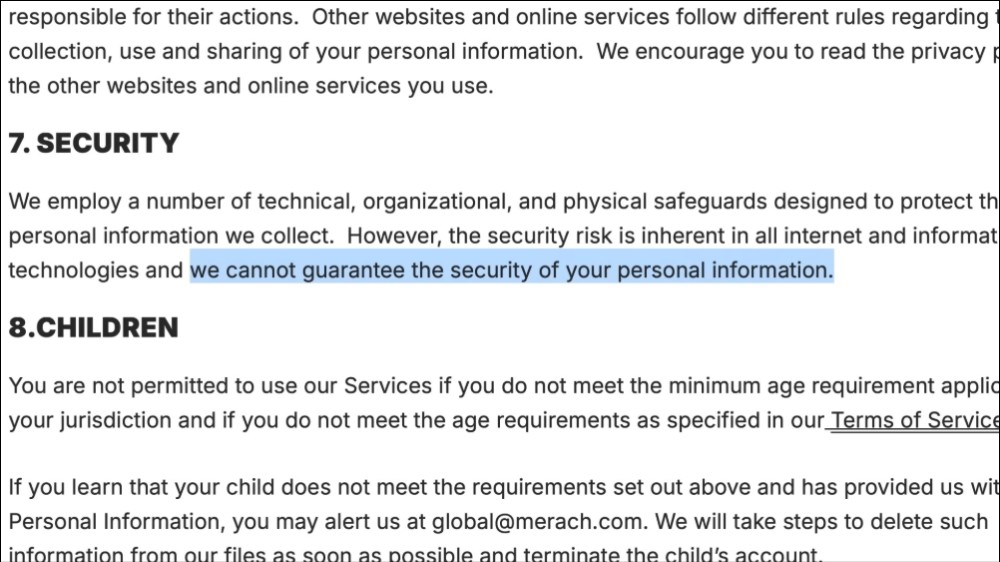
What the judging panel criticized most were the terms of Merach’s privacy policy. In those terms, the company explicitly stated: “The Internet and information technology inherently carry security risks, and we cannot guarantee the security of customers’ personal information.” SecuRepairs believes that for a product specifically designed to connect to the internet and collect high-value personal data, it is completely unacceptable for the manufacturer to use its terms and conditions to preemptively absolve itself of security liability. This not only demonstrates the manufacturer’s negligence regarding information security but also shifts the entire risk onto consumers.
Environmental Impact Award: Lollipop Star Bone-Conduction Music Candy
In the area of environmental sustainability, a product called “Lollipop Star” was selected as the winner of the “Environmental Impact Award.” Billed as “music you can taste,” this product uses bone conduction technology to allow users to hear music while sucking on the candy, with a playback time of up to 60 minutes.
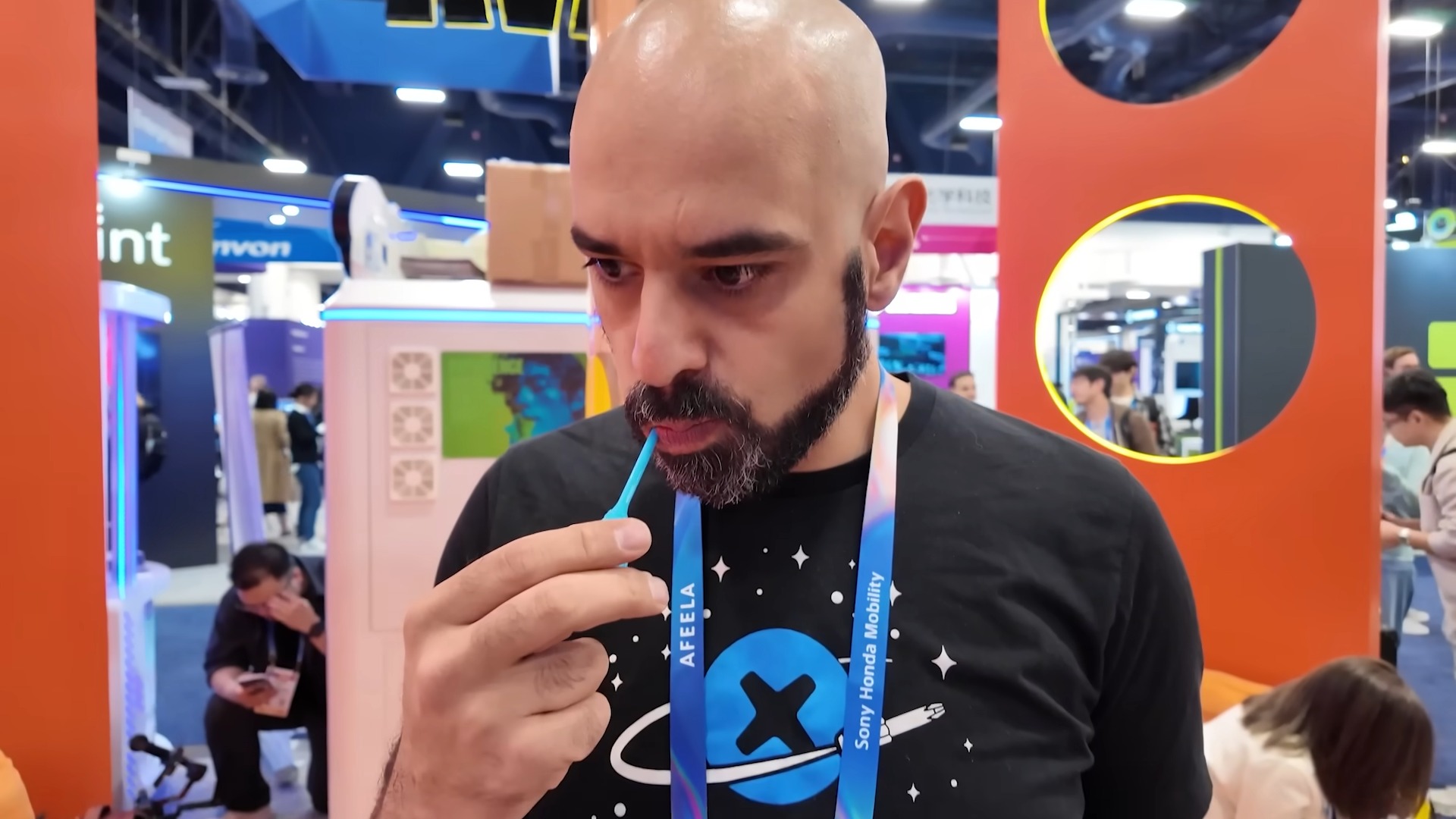
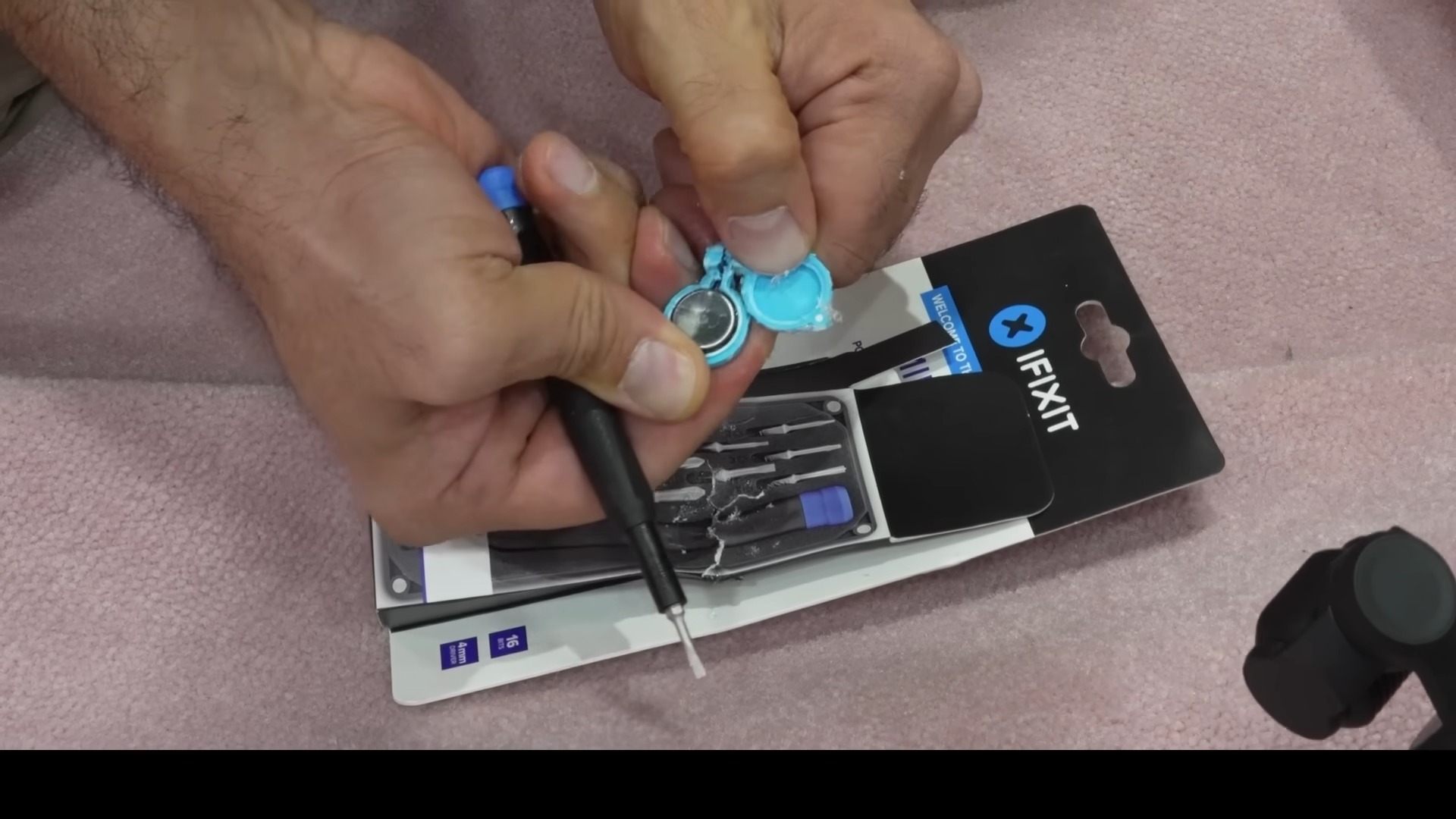
Although the concept may seem novel, its power design is an environmental disaster. The product’s built-in battery is “disposable” and “non-rechargeable.” This means that once the candy is eaten or the battery is depleted, the entire device—including the battery and electronic circuitry—will immediately become electronic waste (e-waste). The judging panel concluded that producing electronic waste containing heavy metals and chemicals for the sake of a mere one-hour entertainment experience is an extremely irresponsible design from an environmental standpoint, and therefore awarded it the rating of “Worst in Environmental Performance.”
“As Shitty as It Gets” Award for Worst User Experience: Bosch eBike Flow App
This year’s awards included a special category: the “Enshittification Award,” which can be translated into Chinese as the “Trash Award” or the “Shit-Like Award.” This term specifically refers to the process by which companies, in pursuit of maximizing profits, use software to limit hardware functionality, resulting in a user experience that deteriorates over time. The winner is the eBike Flow app from German giant Bosch.
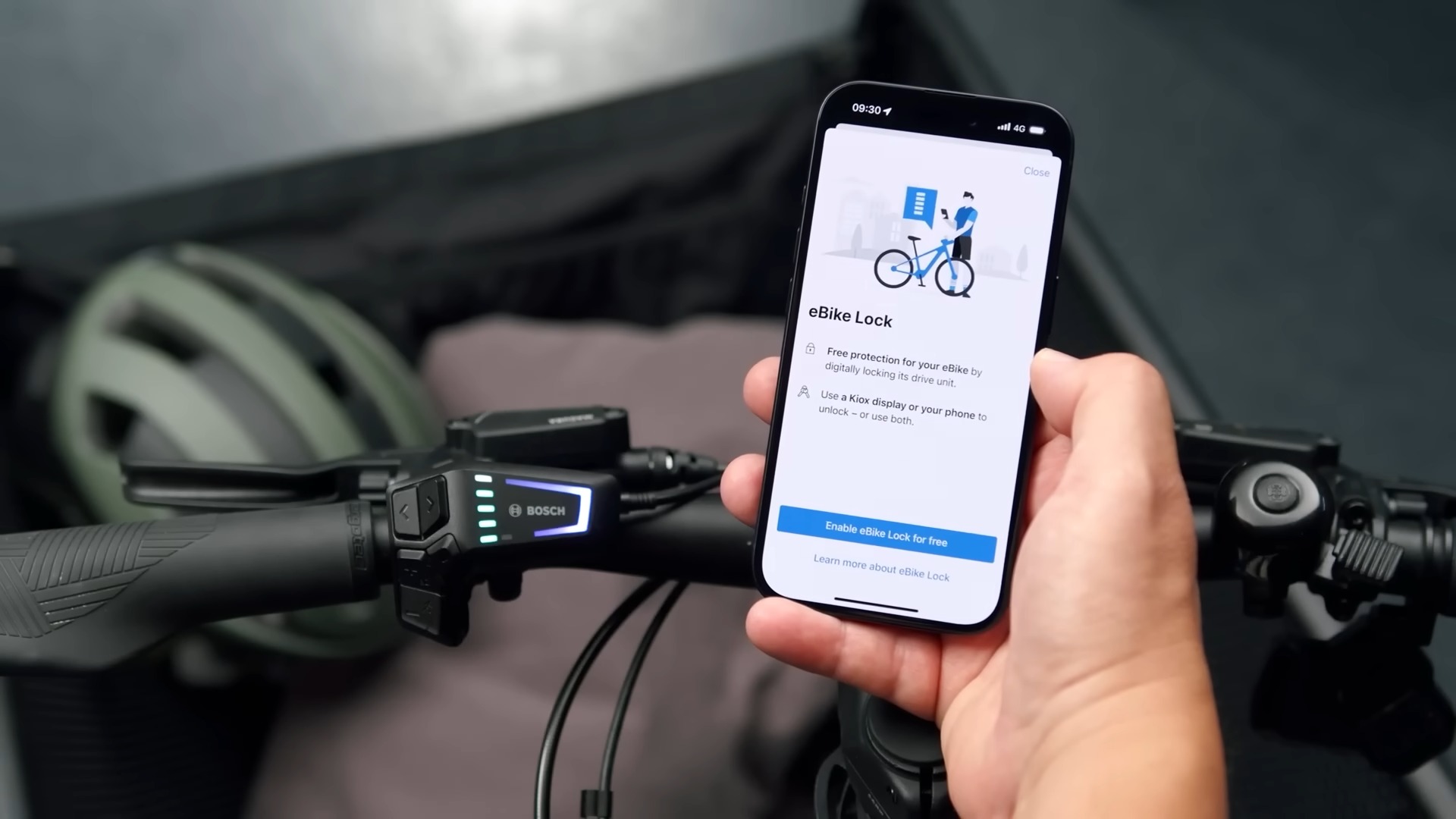
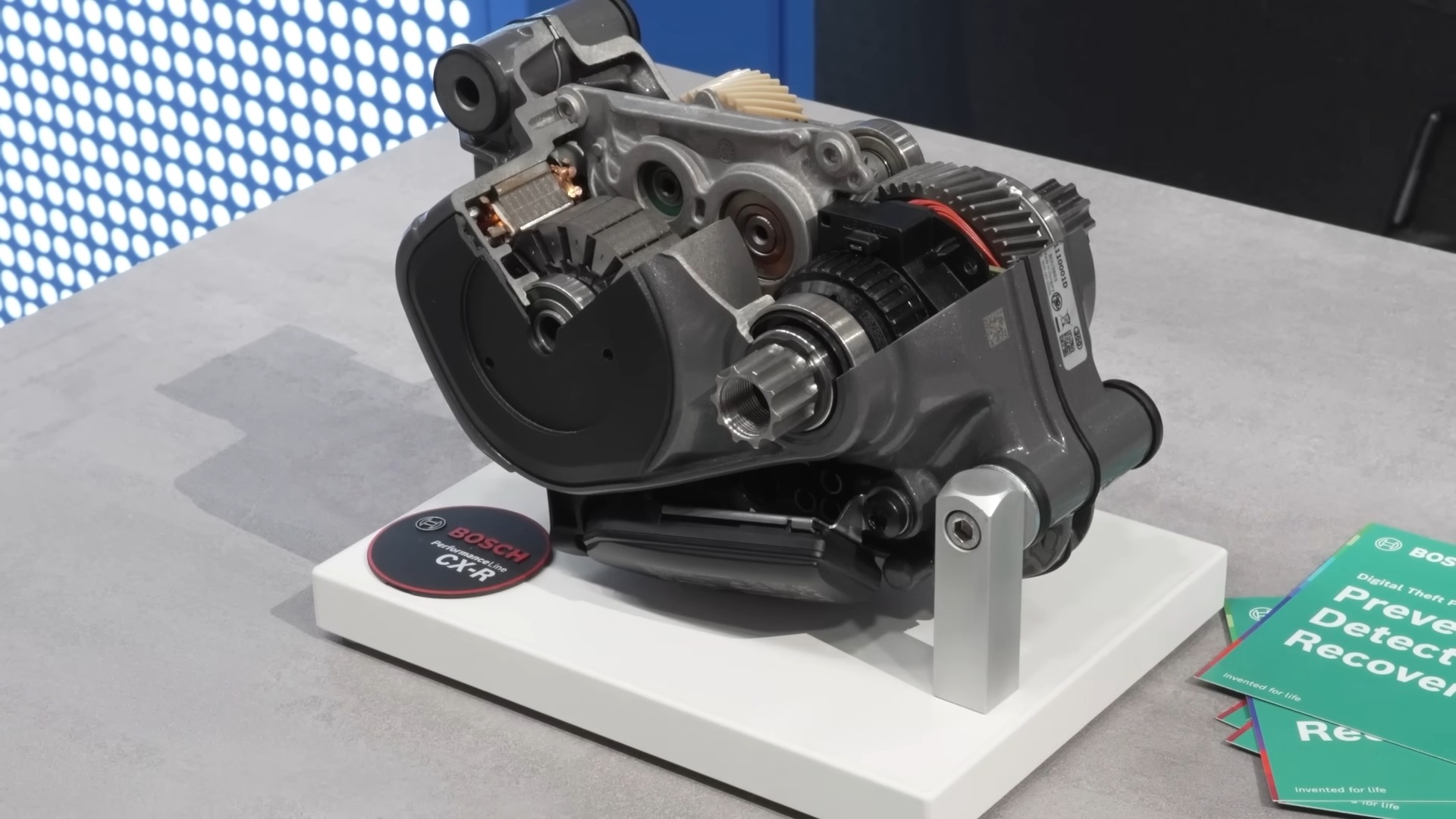
Bosch has introduced a new feature in its electric bicycle system that allows users to lock the battery via an app; if the bike is stolen, the battery will not function. However, this feature—which appears to be designed to prevent theft—has been structured as a service that requires a “subscription” to use. The panel criticized this “subscription-based” model, which strips the hardware of its built-in security features and instead forces consumers to pay monthly fees, arguing that it effectively strips consumers of their ownership rights. Furthermore, such software-based locking mechanisms will make future repairs and parts replacements extremely difficult; even routine part replacements may become subject to a permit system requiring authorization from the manufacturer, fully embodying the definition of “technological degradation.”
Who Would Buy This Award: Bosch 800 Series Personal AI Barista
Bosch also won the “Who Asked for This? Award” for another product: the Bosch 800 Series Personal AI Barista. This coffee maker features a built-in voice assistant.
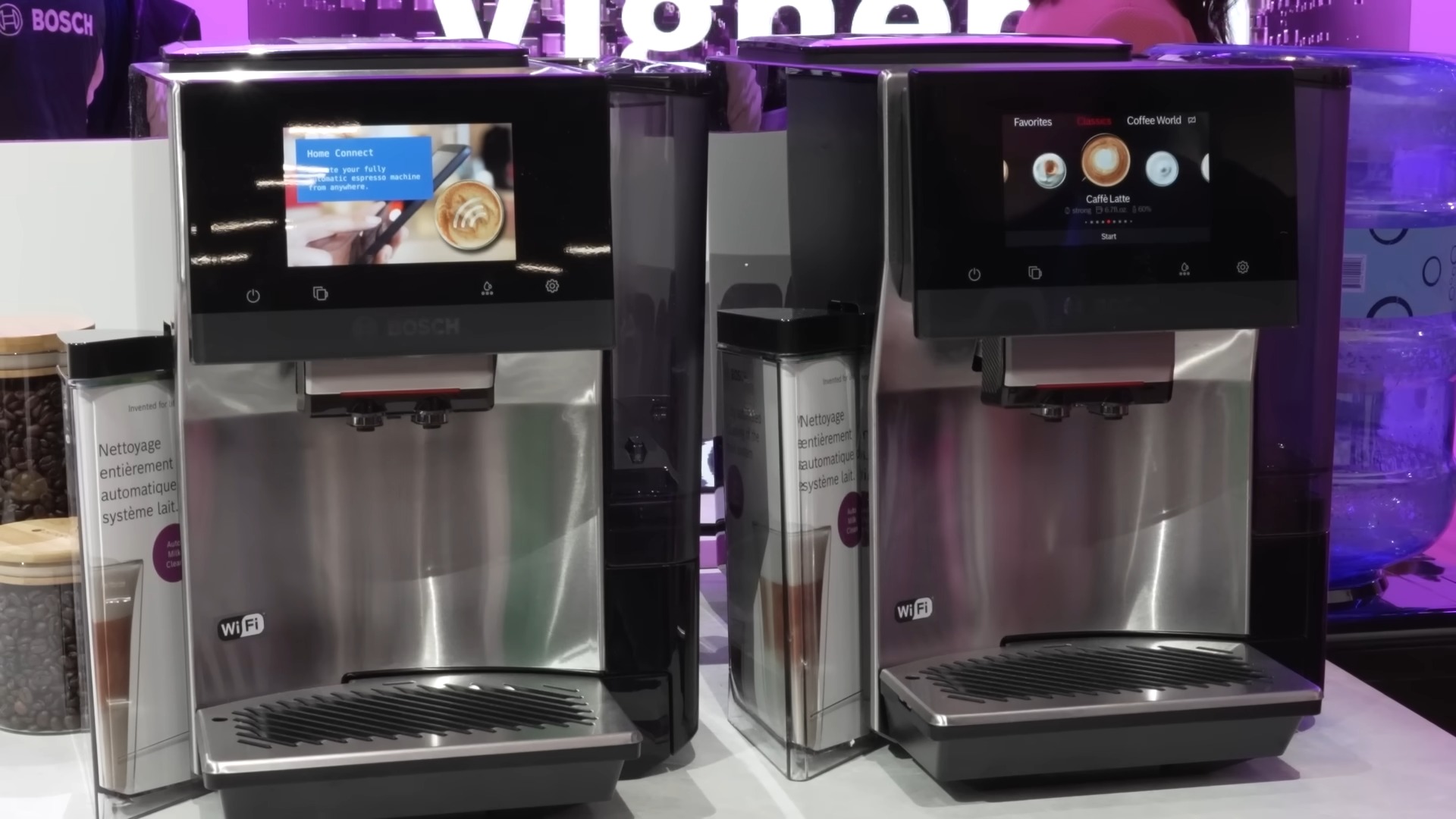
The judges’ comments were quite blunt and scathing: “This is a classic example of forcing a voice assistant and subscription service into a product that people just want to use in peace.” The judges pointed out that in the early morning, when the brain hasn’t fully woken up yet, the vast majority of users simply want to enjoy a cup of coffee—not be forced to have a conversation with their home coffee maker. This design, which ignores the user’s actual context and adds AI simply for the sake of “adding AI,” was deemed unnecessary.

People’s Choice Award: Lepro Ami Soulmate
Finally, the “People’s Choice Award,” selected by public vote, was presented to “Ami,” an AI companion launched by the Chinese lighting brand Lepro. This product displays a female virtual avatar on a curved screen and is billed as a “24/7 3D soulmate” capable of tracking the user’s eye movements and tone of voice to facilitate emotional interaction.
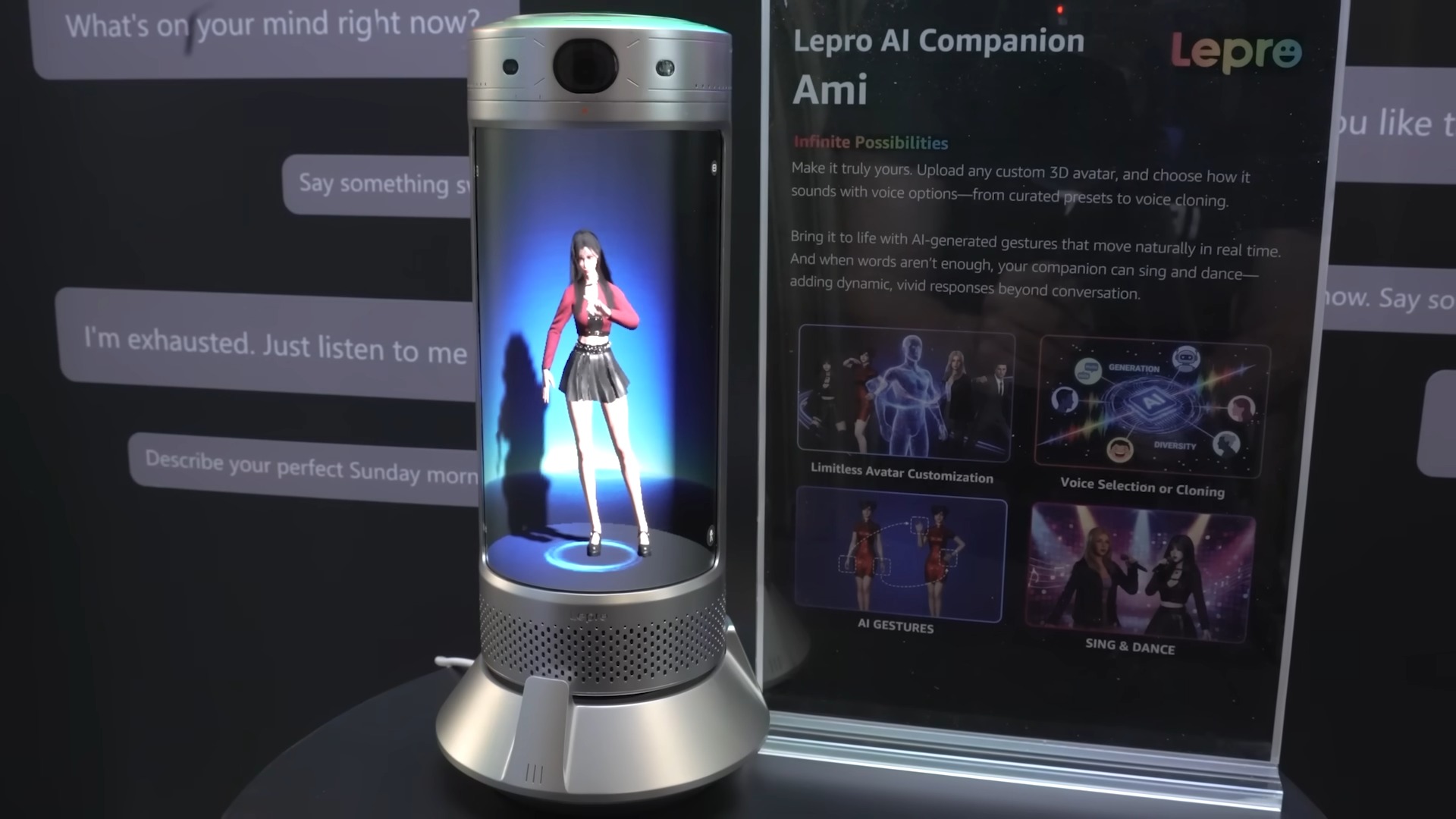
This product has triggered widespread “uncanny valley” reactions and privacy concerns. Users feel extremely uneasy about a device with an “always-on” camera and microphone that constantly analyzes emotional cues. Although the manufacturer markets it as a companion AI, to the general public, it feels more like a 24/7 home surveillance camera, and the psychological stress it causes far outweighs its value as a companion.
Combined “Worst Overall” and “Easiest to Repair” Awards: Samsung Family Hub Smart Refrigerator
Topping this year’s “Overall Worst” list is Samsung Electronics’ new Family Hub smart refrigerator. This product also took home the “Repairability Award” (which is actually meant to be ironic, given how difficult it is to repair), making it the biggest winner on this year’s list.
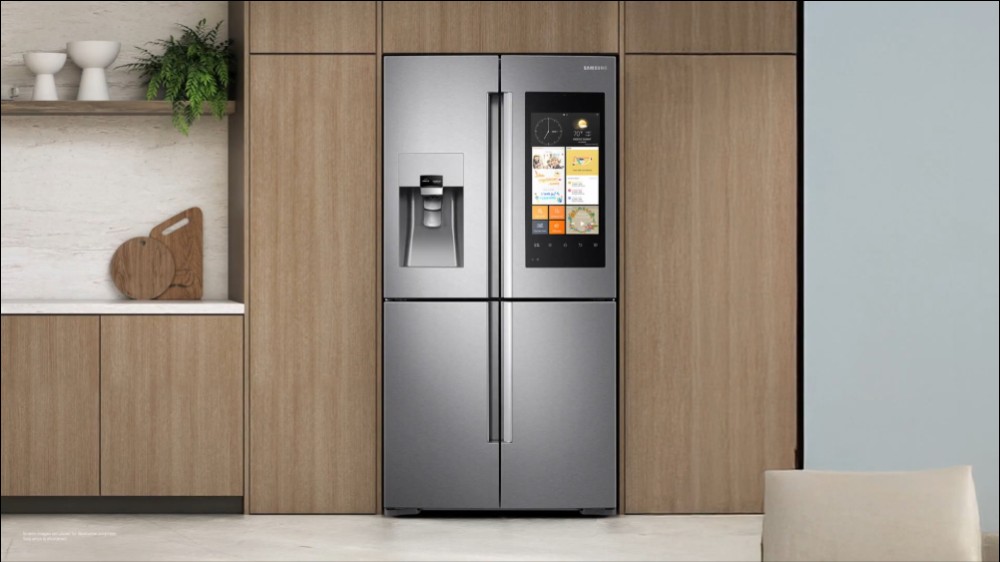
According to information from the trade show, the key selling point of the new Family Hub is that it features Samsung’s own Bixby voice assistant and integrates Google’s latest “Gemini 3” AI system. Through this system, the refrigerator can use AI Vision technology to recognize ingredients placed inside, recommend recipes, and even track users’ access patterns; users can also control the opening and closing of the refrigerator door using voice commands such as “Close the door.”
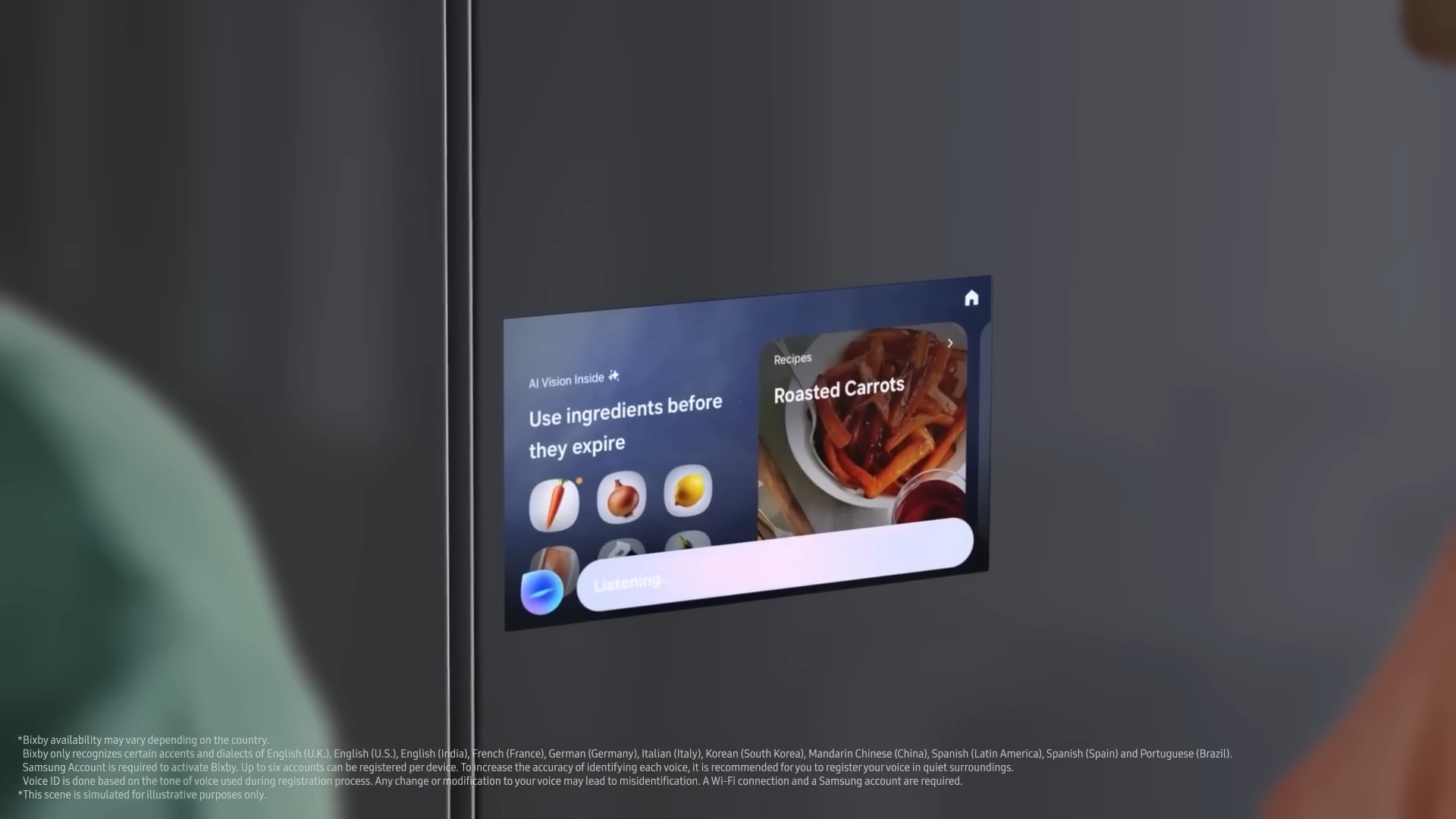
The jury’s primary reasons for their negative evaluation were “misplaced functionality” and “over-engineering.” For most consumers, the primary and core function of a refrigerator should be “cooling and preserving food.” However, The Repair Association points out that by forcing voice control, fragile automatic door actuators, and features that rely on external internet connections into refrigerators, manufacturers are actually creating more potential points of failure.
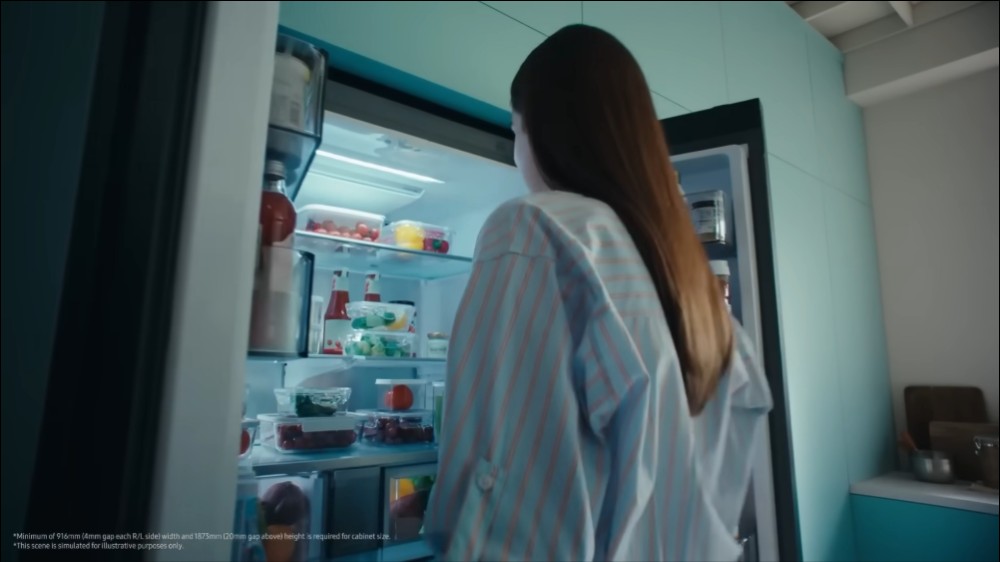
The Repair Association emphasizes that these complex electronic components and connectivity features not only increase the risk of product failure but may also lead to the premature scrapping of expensive home appliances due to discontinued software updates or server shutdowns. This design philosophy exposes users to higher repair costs and frustration, and completely contradicts the principle of durability that home appliances should embody. The well-known repair website iFixit further explains that this “over-engineering” results in an exponential increase in potential failure points without ensuring actual durability or maintainability, which is the primary reason these products received poor ratings in the repair category.
There are also detailed videos of all the judges’ remarks to the winners. If you’re interested, feel free to check them out:
Summary:
In response to this year’s “Worst in Show” results, Elizabeth Chamberlain, Director of Sustainability at iFixit, summarized the core spirit of the event. She admitted, “We do intend to shame manufacturers in this way.” However, she emphasized that this is not about shaming for the sake of shaming, but rather a hope that manufacturers will view this criticism as a catalyst and a wake-up call.
Chambers said, “Our ultimate goal is not to shame specific companies, but to encourage these tech giants to make changes as a result.” By exposing these flashy—and even harmful—technology trends, consumer advocacy groups hope to steer the tech industry back to its original purpose: creating products that genuinely solve problems, respect privacy, and are environmentally friendly, rather than blindly pursuing gimmicks and data surveillance. This blacklist for CES 2026 is undoubtedly a sobering wake-up call for the tech industry, which has been caught up in a frenzy.
Source: KOCPC Chinese