


Modern TVs deliver breathtaking performance; with top-notch 4K picture quality, high dynamic range, and—in some models—extra-large screen sizes, they have nearly reached the pinnacle of visual enjoyment. However, there is one aspect that is often overlooked: sound. Although manufacturers invest heavily in picture quality and smart features, sound is often handled by small speakers hidden behind the screen, resulting in thin, lackluster audio that isn’t directed toward the viewer. This is why users who prioritize an immersive audio experience choose to add a soundbar.
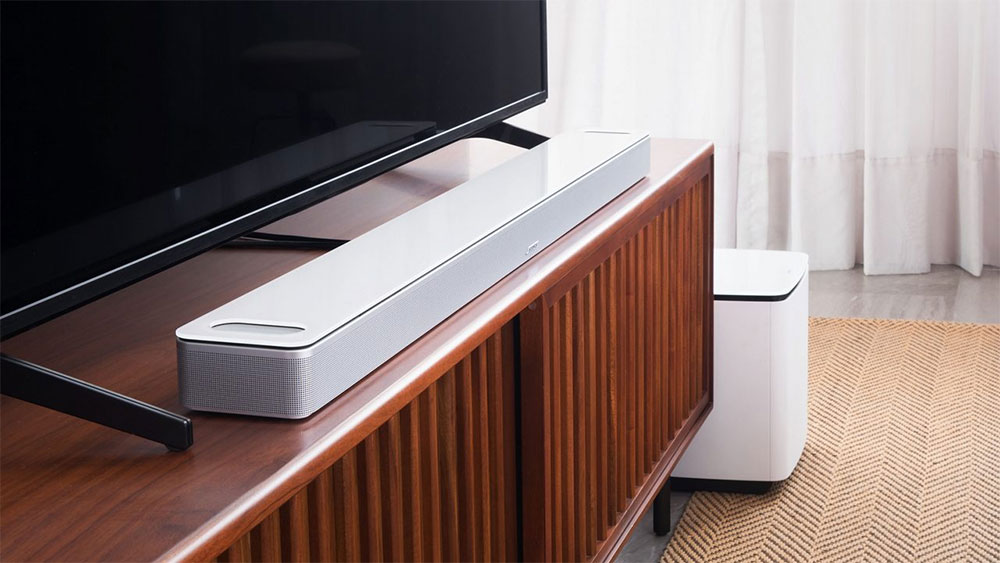
5 Places Where You Should Never Place a Soundbar
Soundbars are typically placed on a cabinet beneath the TV or mounted on the wall alongside the TV. They deliver a more immersive sound experience—not only are they precisely aimed at the audience, but many models also support Dolby Atmos and can adjust the soundstage to fill the entire room. For those who lack the space or budget to install a full surround sound system, soundbars from various brands are an excellent alternative. However, since soundbars are standalone speakers, their placement is particularly important. Improper placement can not only affect sound quality but may even cause damage to the unit. Next, we’ll share five placement locations to avoid, to help you maximize your TV’s audio performance.
Above the TV
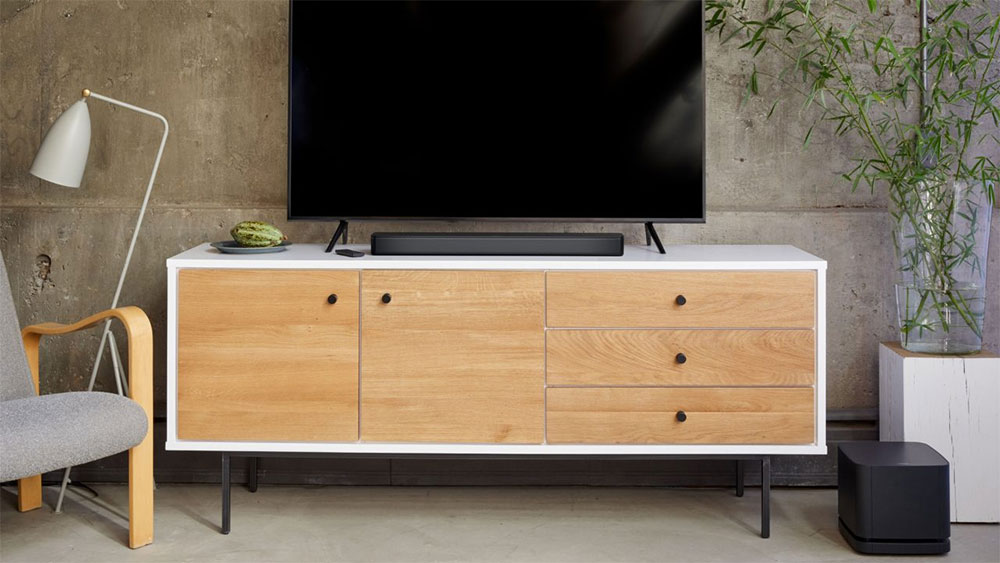
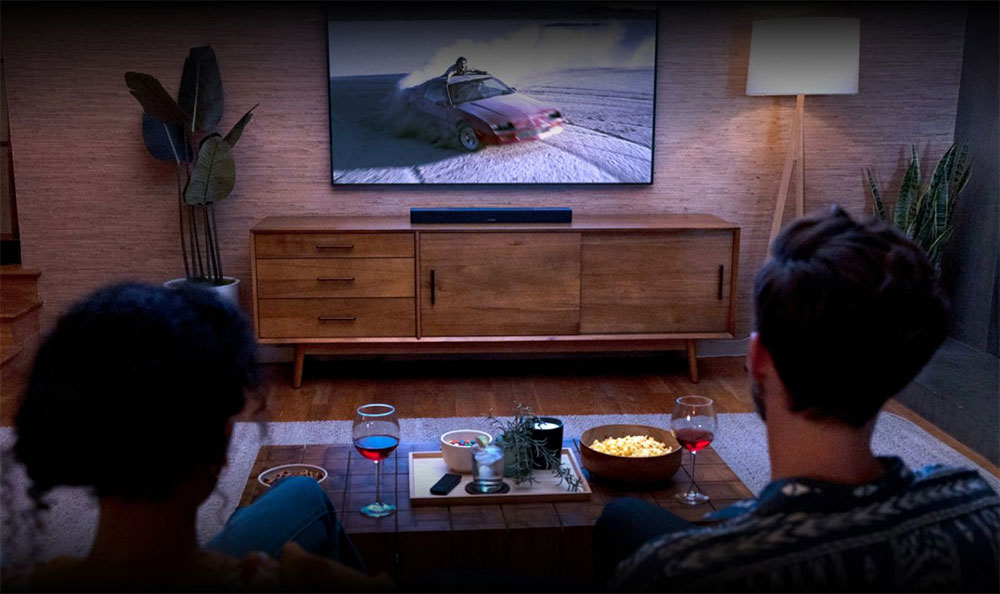
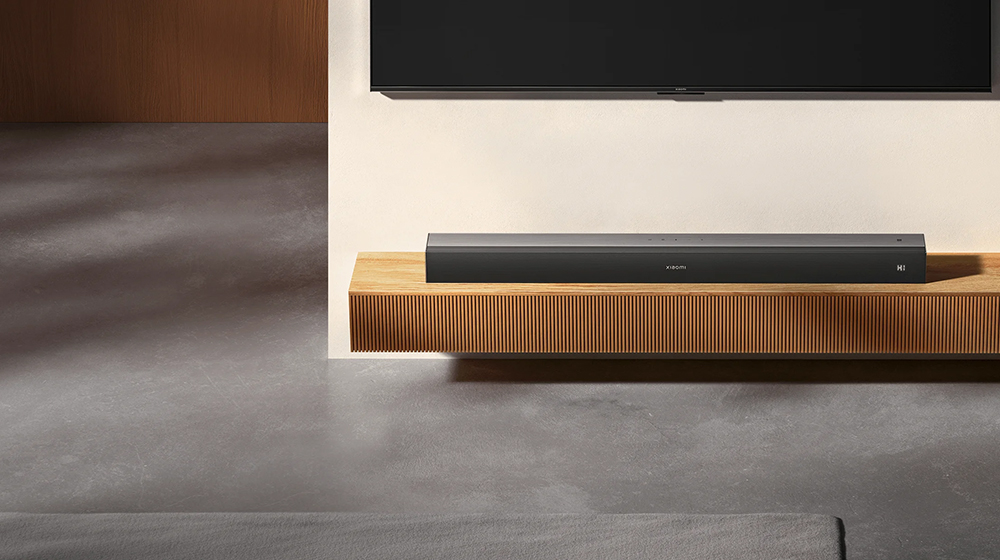
Almost every time you see a soundbar, you’ll notice it’s positioned below the TV—perhaps on a media cabinet or other piece of furniture, or mounted directly on the wall directly beneath the TV. This setup isn’t just for aesthetics (though it does look neat and tidy); it’s because this is the correct position to ensure you get the best sound projection while watching TV. Conversely, placing the soundbar above the TV is the least ideal arrangement.
To get the most out of your soundbar, it should be positioned at about the same height as your ears when you’re seated, so the sound reaches your ears directly. If you place the soundbar above the TV, the sound source will be farther away from you, significantly reducing the audio quality. This issue is particularly noticeable when the TV is mounted high on the wall. While the ideal scenario is to position the TV at eye level, wall space or power outlet placement in some rooms may force you to compromise. However, even in such cases, you shouldn’t sacrifice sound quality. Placing the soundbar below the TV may seem like a no-brainer, especially when you have no choice but to place it on a cabinet top, but it’s still an important reminder worth emphasizing: proper placement is essential for ensuring the best viewing experience.
Inside an enclosed space
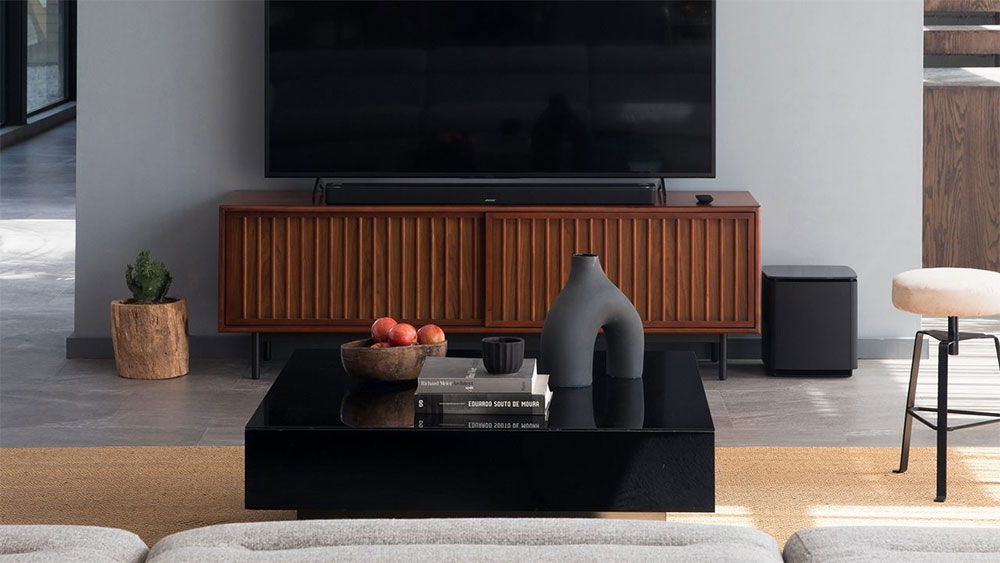
Although many people buy soundbars to enhance their TV’s audio, not everyone likes the way they look. These slim, typically black speakers, when placed on a media cabinet, may clash with your home’s decor and even expose unsightly cables. As a result, some people might want to “hide” the soundbar—for example, by placing it inside a cabinet or behind glass doors—to achieve a visually tidy look. However, this is exactly what you should never do. The reason is simple: it makes the sound muffled. The quality of the audio depends on whether the sound can reach your ears directly. If there’s a layer of glass, wood, or other material between the speaker and your ears, the sound will be weakened, losing its original clarity and sense of presence. This is also the whole point of a soundbar, since a TV’s built-in speakers are usually located on the back, directing sound toward the wall—which naturally results in poor sound quality.
If you feel that the soundbar’s appearance isn’t quite to your liking, the best approach is to either learn to accept it or choose an open-concept media cabinet available on the market so that the soundbar can blend naturally into your home environment. In addition, be sure to keep the soundbar exposed so that it can truly deliver its full audio potential.
Place it on a metal surface
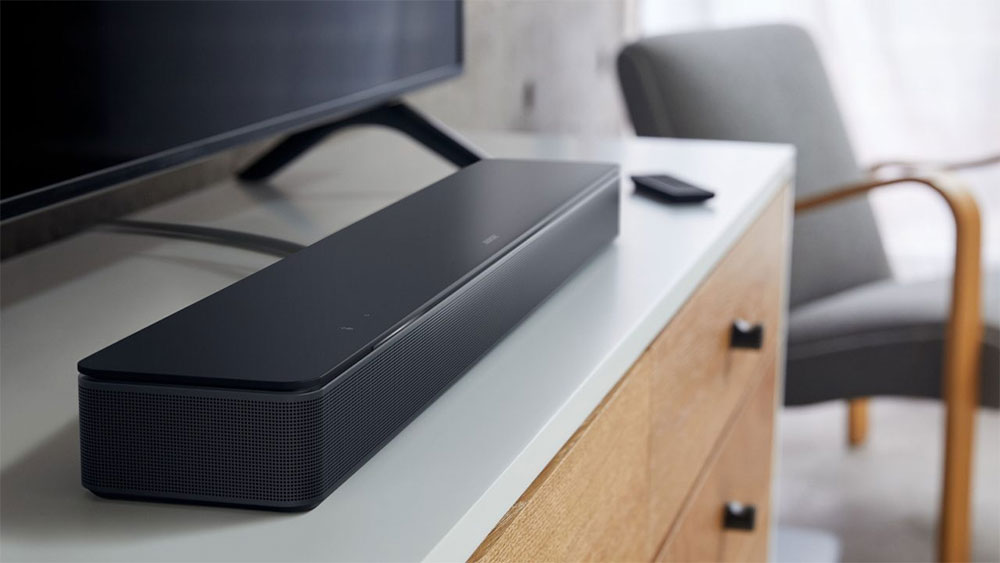
Some people enjoy creating an industrial-style space at home and savoring the atmosphere of being surrounded by plenty of metal furniture. When done right, it can indeed create a striking visual effect. The continuity of texture between the TV and the metal cabinet looks cool, but placing a soundbar on this type of metal surface presents a problem. At first glance, it might seem harmless, but you may be overlooking how this affects sound quality. When you play content at higher volumes or with complex sound mixes, the speaker itself causes the surface it’s in contact with to vibrate—the degree of vibration can range from subtle to pronounced. If the soundbar is placed directly on metal, these vibrations will be amplified. Instead of just hearing music or dialogue, you’ll hear annoying resonance noise that severely disrupts your movie-watching or gaming experience. Metal not only fails to absorb sound but actually reflects sound waves, interfering with the soundbar’s intended sound projection direction.
If you still want to maintain the look of your metal furniture, the best approach is to mount both the TV and the soundbar on the wall to prevent them from coming into direct contact with the metal surface. This will significantly reduce unnecessary vibrations and reflections, allowing you to achieve both visual appeal and sound quality.
Stay close to the Wi-Fi router
Not all soundbars can be plugged directly into a TV, so many people opt for wireless audio systems that transmit signals via Wi-Fi. These systems also rely on Wi-Fi to wirelessly connect additional speakers to the soundbar, creating a full surround sound experience. To ensure the entire system operates reliably, the key is to prevent signal interruptions—which is why you should never place your soundbar right next to your home Wi-Fi router.
While it may seem convenient to group all your major electronic devices in one area, this can cause Wi-Fi signal interference. If you’re using a high-power router, it’s recommended to keep it at least 3 meters away from your soundbar to reduce the likelihood of mutual interference. This principle also applies to other wireless speakers or subwoofers. As for the distance between the soundbar and other wireless devices, it’s best to keep them at least 30 centimeters apart. If your soundbar and other speakers are connected via wired connections, you don’t need to worry much about Wi-Fi interference, since wireless signals do not affect wired transmissions. These recommendations are primarily intended for users who prefer wireless audio systems. If there are other devices around your TV that rely on wireless connections, it’s also recommended to place your router farther away to avoid signal interference.
Areas Directly Exposed to Heat
Most of the locations mentioned earlier that are unsuitable for placing a soundbar are primarily because they would affect sound quality or sound projection. The final point, however, relates to the soundbar’s lifespan and safety. Not only is this location unsuitable for a soundbar, but no electronic device should be placed near it—it’s an area directly exposed to heat.
Although there aren’t many places in the home where the soundbar can come into direct contact with heat sources, they do exist. For example, directly in front of a radiator vent. These areas can become very hot in the winter, and placing the soundbar nearby could cause damage. Damage could take the form of physical deformation of the speaker drivers or failure of internal components due to high temperatures. If the soundbar is already running warm, placing it in a high-temperature environment will only make it harder to dissipate heat; the heat will become trapped inside the unit, leading to further problems. Although this situation is uncommon, if certain areas of your home tend to get particularly hot, you must pay attention to the operating environment of your electronic devices—and that certainly includes your soundbar.
Source: KOCPC Chinese