


There had been persistent rumors in the market that… NVIDIA and AMD Prices will increase early this yearGraphics CardThe price—though these are just rumors, and there isn’t any concrete information yet (althoughMemory(With prices rising this much, it’s basically a foregone conclusion.) Earlier, according to a report by the Taiwanese media outlet BenchLife, these two major graphics card manufacturers have already notified their partners to adjust prices. However, the wording they used was somewhat unusual—rather than directly providing new suggested retail prices for the graphics cards, they only mentioned products equipped with “GDDR6” and “GDDR7.”
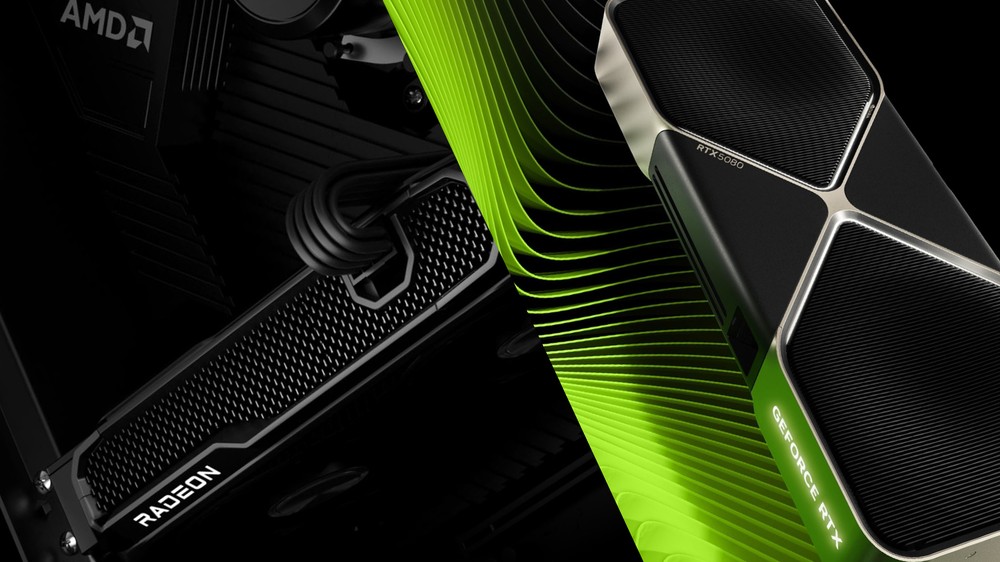
Image source: Wccftech
It’s official! The two major graphics card manufacturers have notified their partners to adjust prices, with NVIDIA’s price adjustment being smaller than AMD’s.
Late last year, China’s Bo Bantang reported that both NVIDIA and AMD would be adjusting their graphics card prices starting in 2026. At the time, the report stated that AMD was expected to begin raising prices in January, while NVIDIA would not make adjustments until February. However, BenchLife Based on the reports, it appears that both sides made adjustments at the same time.
The report mentioned that NVIDIA officially notified its partners on January 16 that prices for all products featuring GDDR6 and GDDR7 memory would be increased across the board. While the specific extent of the price increases has not been specified, it is certain that NVIDIA’s new prices will be slightly lower than AMD’s—in other words, the price increases will be smaller.
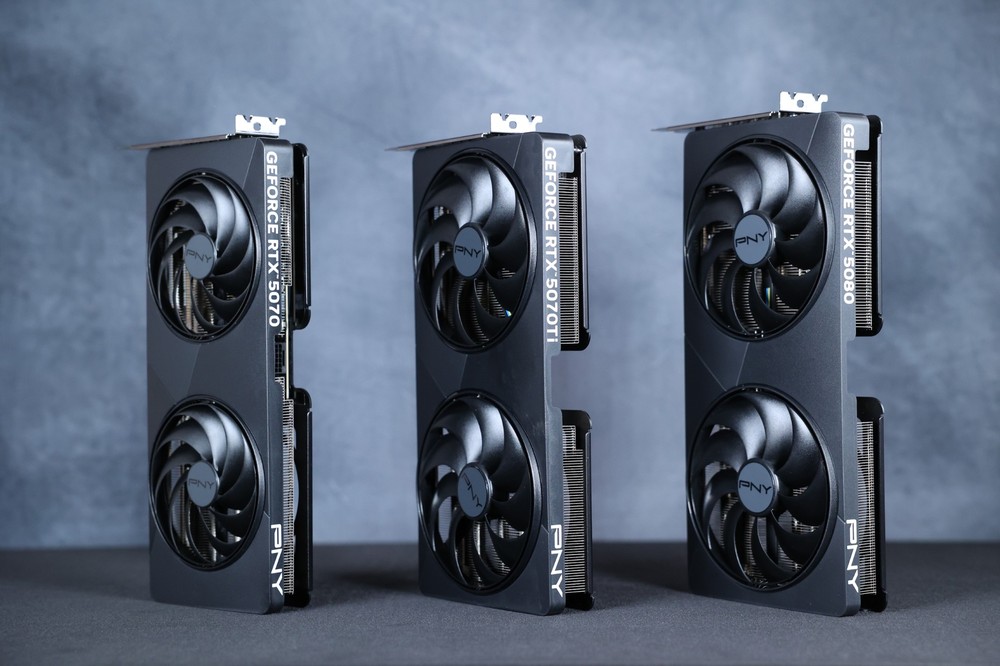
Image source: Wccftech
BenchLife also noted that NVIDIA has not adjusted the recommended retail prices for its graphics cards, meaning prices will remain the same as they are now. This seems to imply that partner manufacturers can decide for themselves how much to adjust prices based on the specific graphics card model; barring any surprises, higher-end models are likely to see larger price adjustments.
It was also hinted that this adjustment is only temporary, and once memory prices fall, GPU prices will be lowered accordingly. Of course, that probably won’t happen this year.
According to multiple industry research firms and supply chain sources, the current memory supply crunch driven by demand for AI servers is unlikely to ease in the short term, and the market generally expects it to persist at least through the first half of 2026. Samsung and SK hynix are also proceeding cautiously with capacity expansions, shifting their production toward high-margin AI and data center applications.
Micron also recently noted that the structural demand driven by AI and high-bandwidth memory (HBM) will continue through 2028, and that supply growth in the industry will continue to lag behind demand growth.
Therefore, as long as demand for AI-related products continues to grow and there is no significant easing in memory manufacturers’ production capacity allocation, the likelihood of a significant price drop is low. In the best-case scenario, the upward trend will gradually slow in the second half of 2026 and enter a relatively stable range.
As for when graphics card prices will go up, that hasn’t been announced. However, market prices for the RTX 50 series have always been on the high side in Taiwan—especially for the RTX 5090—so even if prices do go up, people might not even notice much of a difference.
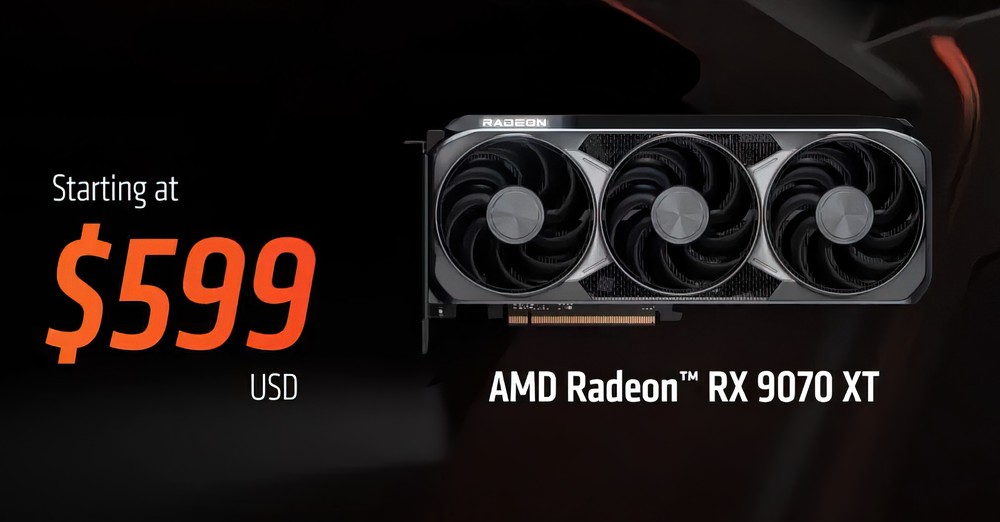
The report also noted that shipments of the Radeon RX 9070 XT have consistently outpaced those of the RX 9070, but AMD’s strategy of prioritizing the 9070 XT has raised questions among observers, given that both models use the same NAVI 48 chip, with differences primarily lying in the various configurations of the XTX, XT, XL, and XTW versions.
Source: KOCPC Chinese