


In recent years, one of the key reasons many Android users prefer third-party browsers is that they allow users to achieve this “workaround for a premium feature”—YouTube background playback. For many, this is an indispensable life hack—whether for listening to music, podcasts, or simply keeping content playing without interruption while switching between apps—they rely on the flexibility these browsers provide. However, it seems this convenient era may be coming to an end.
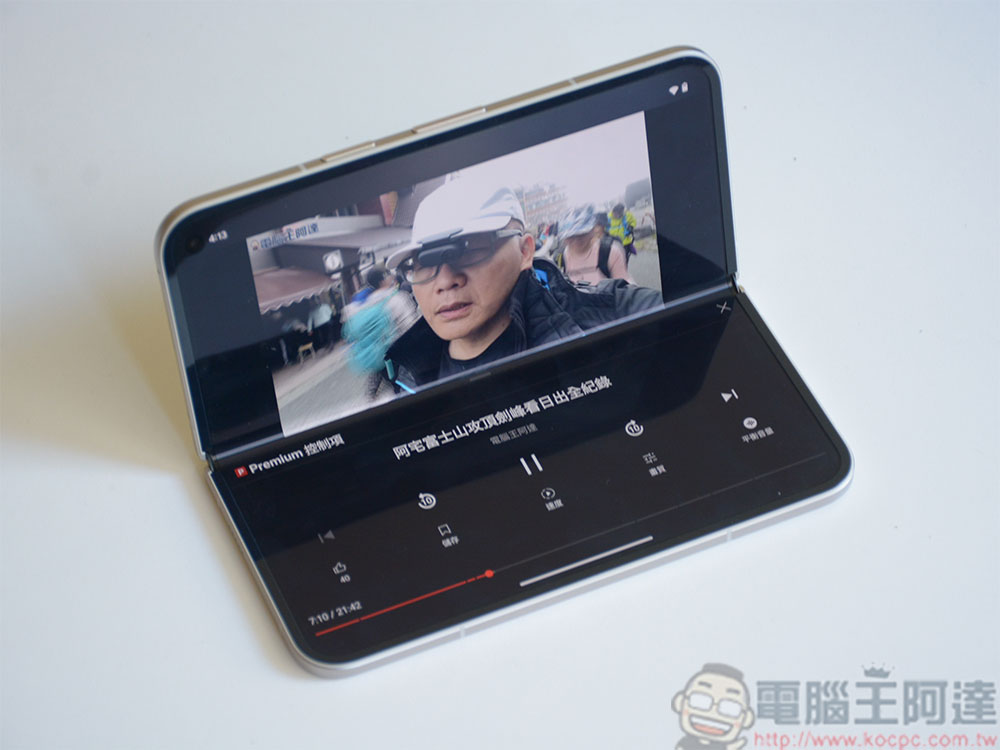
The workaround for background playback using a third-party browser on Android no longer works.
According to Report by PiunikaWebAn increasing number of Android users are reporting that they can no longer play YouTube videos continuously in the background using third-party browsers. Whether they switch to another app or simply turn off the screen, the video automatically stops after a short time. The earliest reports came primarily from users of the Samsung Browser, but users of other popular browsers such as Brave, Vivaldi, and Edge have also begun encountering the same issue. These browsers were once highly popular for their support of extensions, ad blockers, and the ability to bypass official restrictions on background playback, but now they appear to be facing further restrictions from YouTube.
Based on my own testing as a regular user, the results were exactly in line with what others have reported: when the screen turns off, the video stops playing within a few seconds. If you quickly turn the screen back on before playback stops, a “Now Playing” card will briefly appear on the screen, but YouTube will automatically remove it shortly afterward. It’s not just that the play button stops working—the entire playback control interface disappears from the lock screen, as if the system is deliberately preventing any form of background playback.
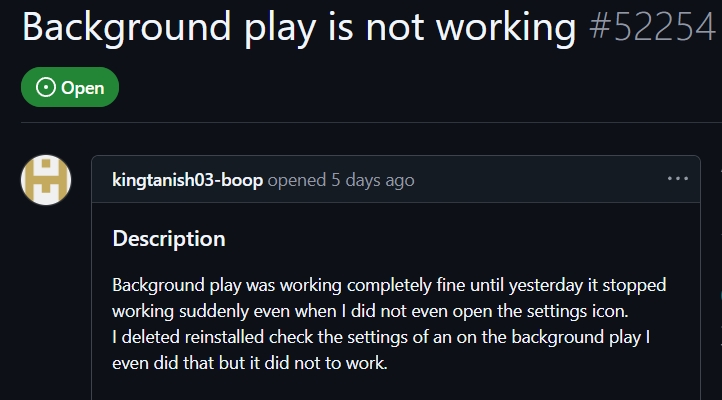
Background playback not working
byu/Cheap-Comparison8985 inMicrosoftEdge
To determine whether this is an Android limitation, foreign media outlets 9to5Google I also tested this on Safari for iOS, and the results were almost identical: the video pauses in the background, and the playback controls disappear. In contrast, when I logged back into my Premium account and played a video through a third-party browser, the video would still pause when the screen dimmed, but the playback card would not disappear, and playback would resume immediately upon unlocking the screen. This suggests that YouTube has likely added some kind of account authorization check mechanism for background playback, and its behavior is becoming increasingly consistent with that of the official app.
Nevertheless, the situation does not seem to be entirely one-sided. PiunikaWeb notes that some Brave users have reported that background playback has returned to their browsers. To verify this, foreign media outlets 9to5Google I also tested this on the Pixel 10 using Brave, and the results were quite inconsistent: some videos continued playing smoothly after the screen was turned off, while others didn’t work at all; still others would suddenly stop after playing for a few seconds, with no clear pattern or reason. This suggests that YouTube’s blocking mechanism may still be in the adjustment phase, or that there are differences depending on the video, region, or account. In other words, your experience may be completely different from that of others.
Regardless of whether these isolated success stories are merely temporary loopholes, the overall trend is quite clear: YouTube is continuing to tighten restrictions on non-paying users’ access to Premium features. From blocking ad blockers to cracking down on third-party YouTube clients, and now targeting background playback in browsers, Google clearly has no intention of relaxing this restriction. Although it is not yet clear whether this round of restrictions is a full-scale rollout or merely part of a backend test, given the trend over the past few years, such restrictions are rarely one-time, short-term measures.
For users who rely on third-party browsers for background playback, this may mean having to adjust their habits—either accepting the limitations of the official app, considering a Premium subscription, or waiting for the community to find a new workaround. However, given YouTube’s stance in recent years, this game of “whack-a-mole” is likely to continue for quite some time.
Source: KOCPC Chinese