


Google today announced that Gemini App’s “Avatar” function has officially integrated the Nano Banana image generation model. Users only need to set up an avatar once to directly generate customized videos featuring themselves as the protagonist, without having to re-upload selfie photos each time. This update greatly simplifies the creation process of AI personalized images, extending the digital avatar from the field of movie generation to still images, making Gemini’s personalized creation capabilities more complete.
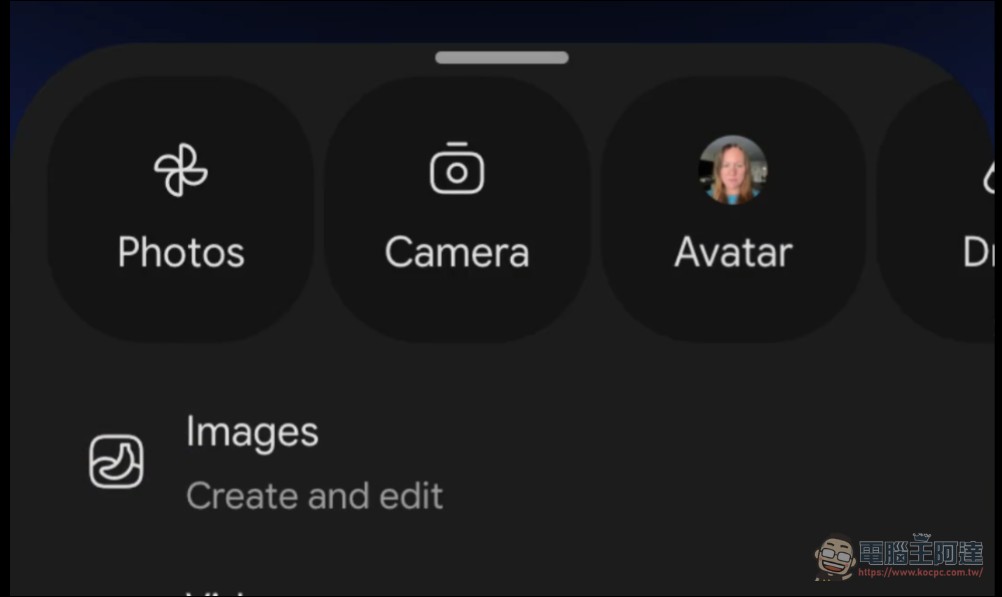
The digital clone feature was first unveiled at this year’s Google I/O conference, and initially only supported Gemini Omni video generation. Users need to record a selfie video and voice, and the system will convert it into a 3D model as the basis for “performance” in the AI-generated video. This integration with Nano Banana allows digital clones to be used for still image generation. Users can now place themselves in the context of any scene, style or era, creating highly personalized visual content.
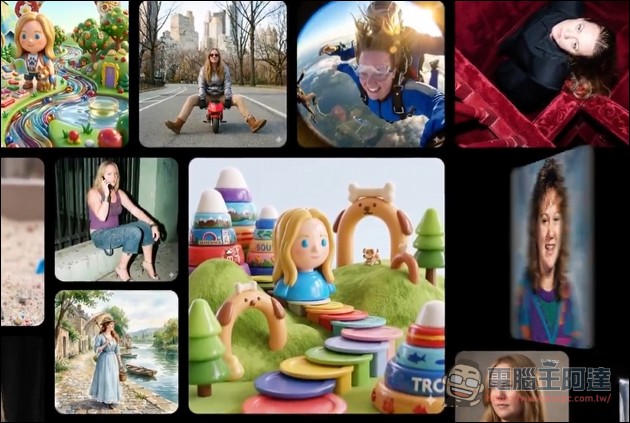
How digital clones work
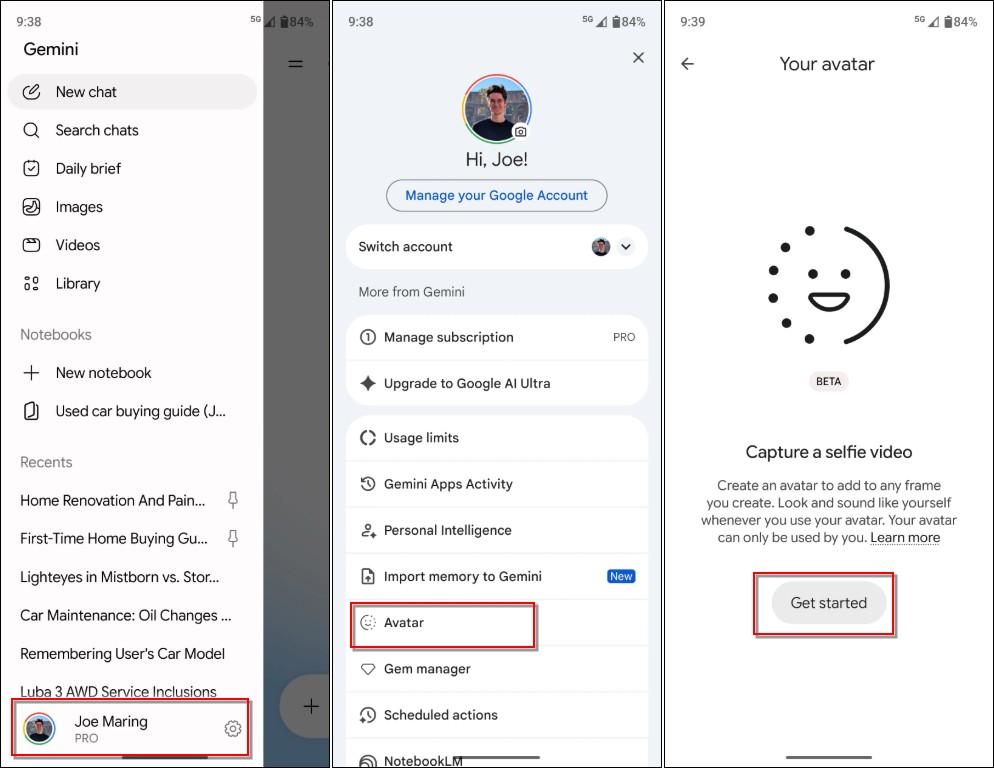
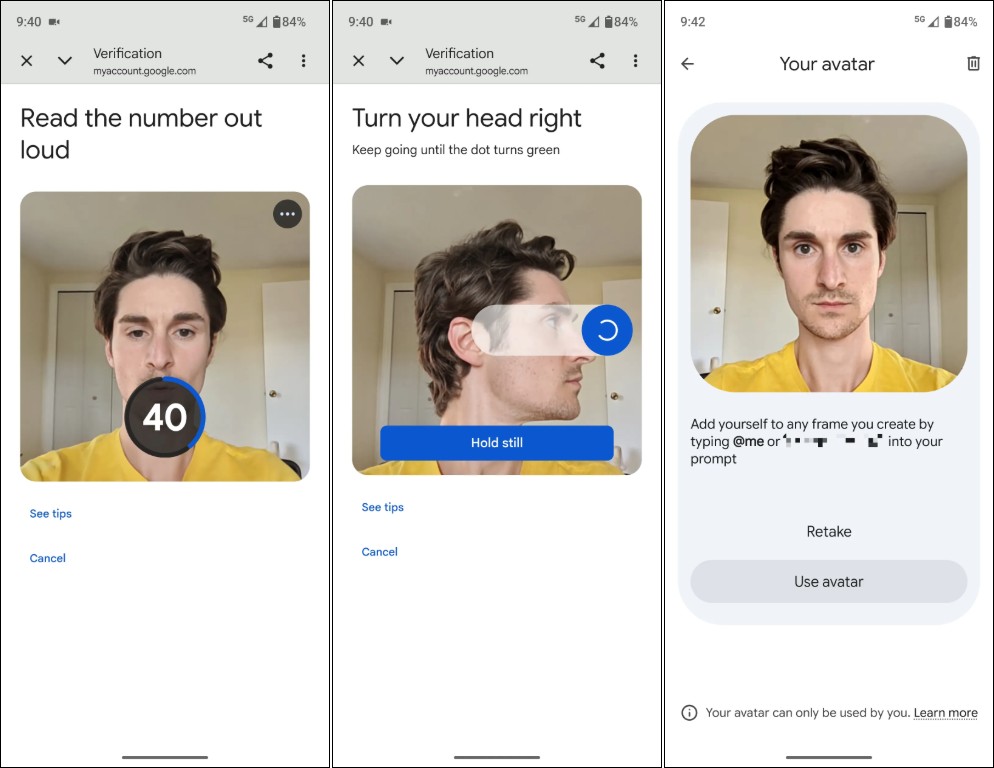
Gemini’s digital doppelgänger feature is built on 3D facial modeling technology. When setting up for the first time, users need to scan the QR Code with their mobile phone and record a selfie video and voice. The system will guide the user to keep the mobile phone at eye level to ensure that the light is moderate, the background is free of clutter, and the eyes, nose and mouth are clearly visible. Once the recording is complete, the selfie video and voice are converted into a reusable 3D digital model and stored in the user’s Google account.
This 3D model is fundamentally different from traditional 2D photo references. The traditional method is that users need to upload a selfie as a reference every time they generate an image, and the AI model then performs style conversion or scene synthesis based on this photo. But 2D photos can only capture a single angle and expression, and the resulting results are often limited by the composition of the original photo. The digital clone has established a complete 3D facial data, and the AI model can freely adjust the angle, expression and light during the generation process, producing results that are closer to reality and more diverse. (The video below is a video produced using Gemini’s digital clone function)
According to Google’s official documentation, there are several important specifications for the recording process of digital avatars: the mobile phone must be kept at eye level, the light cannot be too dark or too bright, sunglasses or hats cannot be worn, there must be no other faces in the background, and the recording environment must be quiet and free of background voices. The above specifications ensure the quality and accuracy of 3D models while also protecting user privacy. The core value of this function is “set it once and use it for a long time.” Users no longer need to prepare photos for each image generation, nor do they need to worry about photo angles or expressions not meeting their needs. As a reusable asset, the 3D digital avatar can maintain the consistency of character characteristics across different scenes, styles and eras.
Avatar 🤝 Nano Banana
Starting today, placing yourself in different scenes, styles, or eras just got faster and easier. Set up your digital avatar in Gemini once, and you can seamlessly create custom images of yourself without having to upload a selfie every single time.
— Google Gemini (@GeminiApp) July 16, 2026
Conditions of use and regional restrictions
The Gemini digital clone function currently has a certain threshold for use. Users must be at least 18 years old and subscribe to a paid Google AI plan (one of the Google AI Plus, Google AI Pro, or Google AI Ultra tiers). This feature is not available to users of the free version of Gemini.
In terms of regional restrictions, the digital clone function currently only supports the English environment and is not yet available in the European Economic Area (EEA), Switzerland, and the United Kingdom. Users from non-English-speaking countries such as Taiwan and Japan are temporarily unable to use this feature. Google has not yet announced a specific timeline for supporting additional regions and languages.
In addition, according to Google’s official documentation, the creation of a digital avatar must be completed by the account owner himself and cannot be recorded by minors. This policy is consistent with Google’s policy on responsibility for AI-generated content and ensures the authenticity of avatars and the informed consent of users.
Privacy and data management
Google has a clear policy on protecting the privacy of digital avatars. according toOfficial documentation, the user’s selfie videos and voice recordings are only used to build a 3D avatar model and will not be directly used to train the AI model. Avatars are stored in the user’s Google Account and can be viewed, rerecorded, or deleted at any time in settings.
When a user deletes an avatar’s recording, the avatar’s selfie video and voice data will be removed from the Google system, and the user will no longer be able to use the avatar to generate new AI content. However, content that has been generated and published using this clone will not be deleted. If the user needs to use the clone function again, he must re-record the selfie video and voice.
Conclusion
The integration of digital clones and Nano Banana allows AI personalized image generation to be transformed from uploading photos each time to setting up for long-term use, lowering the threshold for personalized AI image creation, allowing more users to easily integrate themselves into various creative scenes.
However, current regional and language restrictions remain major barriers to use. For users in Taiwan and other non-English-speaking countries, this feature is not yet available. Google needs to accelerate support for more regions and languages to make this innovative feature available in more markets. In addition, although the 3D modeling technology of digital clones brings more realistic generation effects, it also raises potential risks about deepfake and identity impersonation. Google needs to strike a better balance between functional openness and security protection.
Source: KOCPC Chinese