


The popularity of AI Deepfake technology is exposing content creators to unprecedented risks. When your face may appear in videos you have never shot, or even be used to spread false information, whether the platform can provide adequate protection has become the biggest concern for creators. Now, TikTok has begun to face up to this challenge and is quietly testing a new set of AI portrait recognition tools, hoping to fill the protection gap in this rapidly evolving technology race.
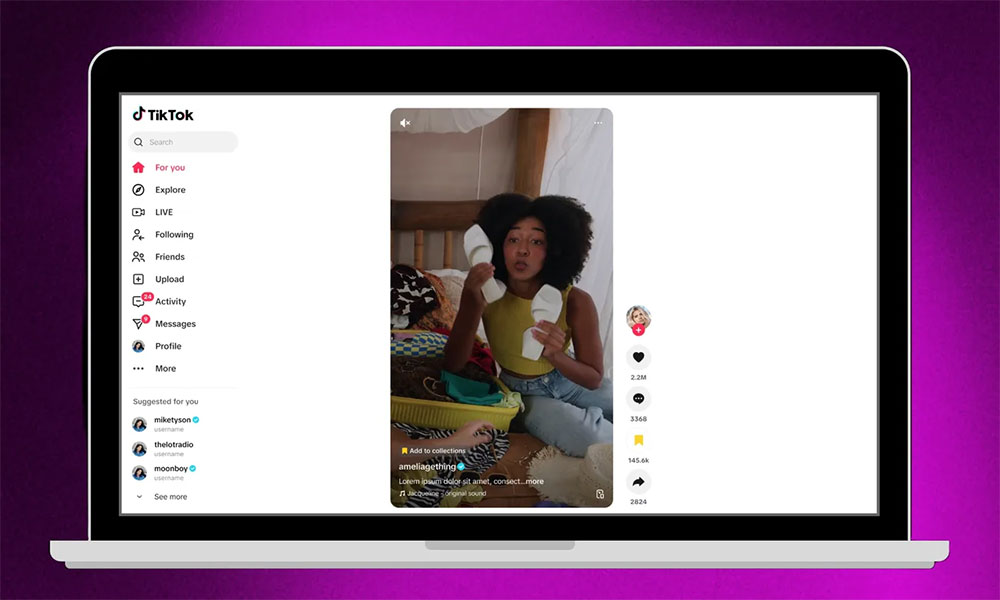
Following YouTube, TikTok also began testing its own AI portrait recognition tool
Social media consultant Matt Navarra recently discovered that TikTok has launched a limited test feature in the United States that allows some creators to track whether AI-generated content that mimics their faces appears on the platform. If a creator believes that a video or account is impersonating them, they can report it directly. TikTok US spokesperson Zachary Kizer told foreign media The Verge confirmed that the test is currently only open to a small number of U.S. creators.
TikTok is testing AI likeness detection for creators@tiktok_us is testing an opt-in Likeness Detection tool with some US creators.
It surfaces AI-generated content that may use a creator’s face without consent. pic.twitter.com/XxTF4nUETz
— Matt Navarra (@MattNavarra) July 17, 2026
This makes TikTok the second major audio and video platform to officially promote AI portrait protection tools, after YouTube. After months of low-level deployment, YouTube has expanded its portrait recognition system to all eligible creators over 18 years old, and even extended protection to celebrities and agencies earlier this year, showing that the platform is actively establishing a more comprehensive identity security mechanism.
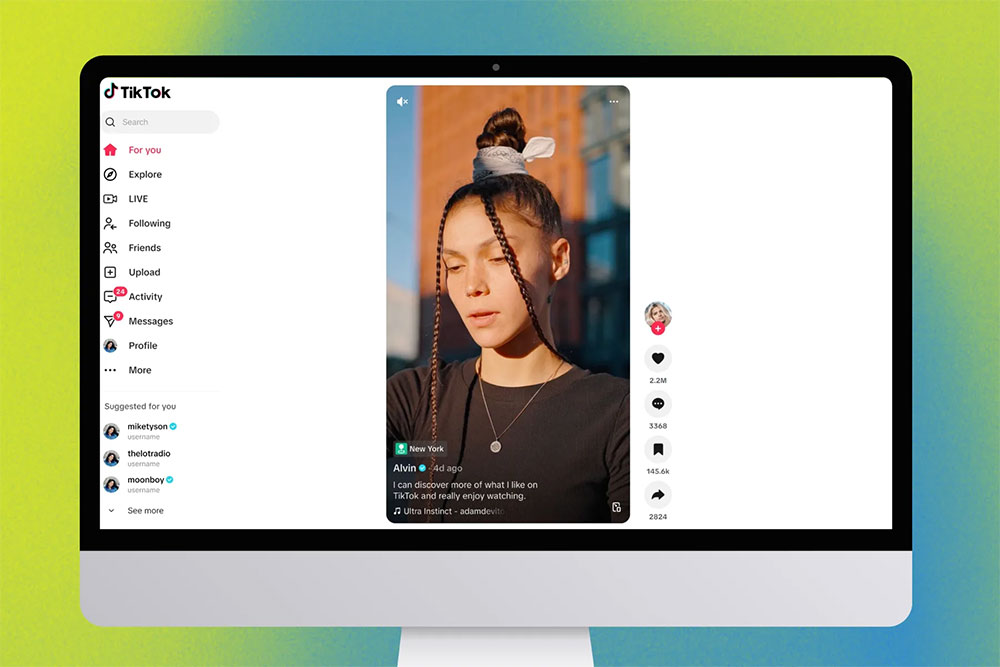
Similar to YouTube, TikTok’s AI portrait recognition tool adopts a “voluntary participation” model, but if creators want to enable this feature, they must first complete Jumio’s identity verification process, which includes real-time selfie and identity document comparison. According to Zachary Kizer, TikTok does not save the creator’s identity document information, and facial images are only used to build a comparison model to match when the platform scans potentially unauthorized AI-generated content.
Once verified, the platform will begin searching for AI content that may use the creator’s face. Once a suspected impersonation post or account is detected, the creator can review it themselves and decide whether to file a report. This design in which “the creator has the final judgment” allows users to manage their own portrait rights more directly and avoids excessive intervention by the platform in judgment.
Recent events have only underscored the importance of such tools. Earlier this month, Meta launched the Muse Image feature, which allows users to generate AI images from public Instagram photos, and is turned on by default for all accounts. The move immediately triggered a strong backlash, with outsiders questioning that the feature might infringe on users’ portrait rights and privacy. Meta eventually withdrew the feature within three days, admitting that its design did not meet expectations, which also reflected that the social platform’s protection mechanism still needs to be quickly adjusted in the AI era. In comparison, TikTok adopts a more cautious strategy: first requiring identity verification, then allowing creators to choose whether to join, and ensuring that creators always have control. This mode avoids privacy concerns caused by “default on” and allows creators to proactively enable protection when needed.
With YouTube and TikTok taking the lead in launching related tools, AI portrait recognition is gradually becoming a standard equipment that creators expect. Faced with the rapid evolution of deepfake technology, if the platform fails to provide adequate security mechanisms, the identity, trust, and brand of creators may be threatened. In the future, this type of tool may no longer be an option, but a basic protection that all audio and video platforms must have.
Source: KOCPC Chinese