


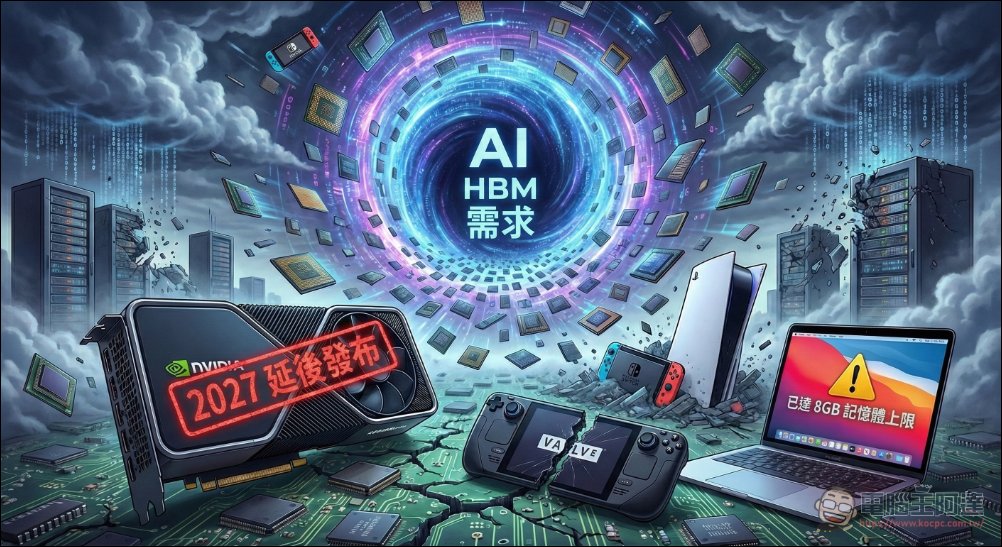
because AI With the rise of the wave, memory manufacturers have transferred their production capacity to more profitable areas. HBM The high-speed memory sector has caused the consumer memory market to be severely squeezed. A “perfect storm” brewing due to memory shortage is sweeping the global technology industry at an unprecedented speed. from NVIDIA ’s flagship graphics cards, Valve’s game consoles, and Apple’s entry-level laptops, almost all are spared. What are the root causes of this crisis? How are major manufacturers responding? How should consumers deal with this?
The root cause of the memory supply crisis: the butterfly effect caused by the AI boom
The roots of this memory crisis can be traced to the explosive growth of the AI industry. From ChatGPT to various large-scale language models, the demand for HBM (high bandwidth memory) for AI training and inference has skyrocketed, which has also squeezed the memory supply of consumer electronics. At present, almost all hardware manufacturers equipped with memory are affected. Here we will focus on a few parts that are more relevant to us ordinary consumers.
NVIDIA: RTX 50 SUPER confirmed to be postponed, RTX 60 may not wait until 2027
NVIDIA has officially confirmed that the RTX 50 SUPER series willPostpone, the original plan to go public in 2026 was forced to shelve. What worries players even more is that the next-generation GeForce RTX 60 architecture may also be affected and may not be available until 2027 at the earliest. NVIDIA CEO Jensen Huang admitted in a recent earnings call: “Memory supply is currently the biggest bottleneck. This is not a problem we can solve alone.”

Level of influence:
– Purchase plans of high-end gamers have to be postponed
– Second-hand RTX 40 series prices may stop falling and rebound
– The expansion of AI data centers is also affected
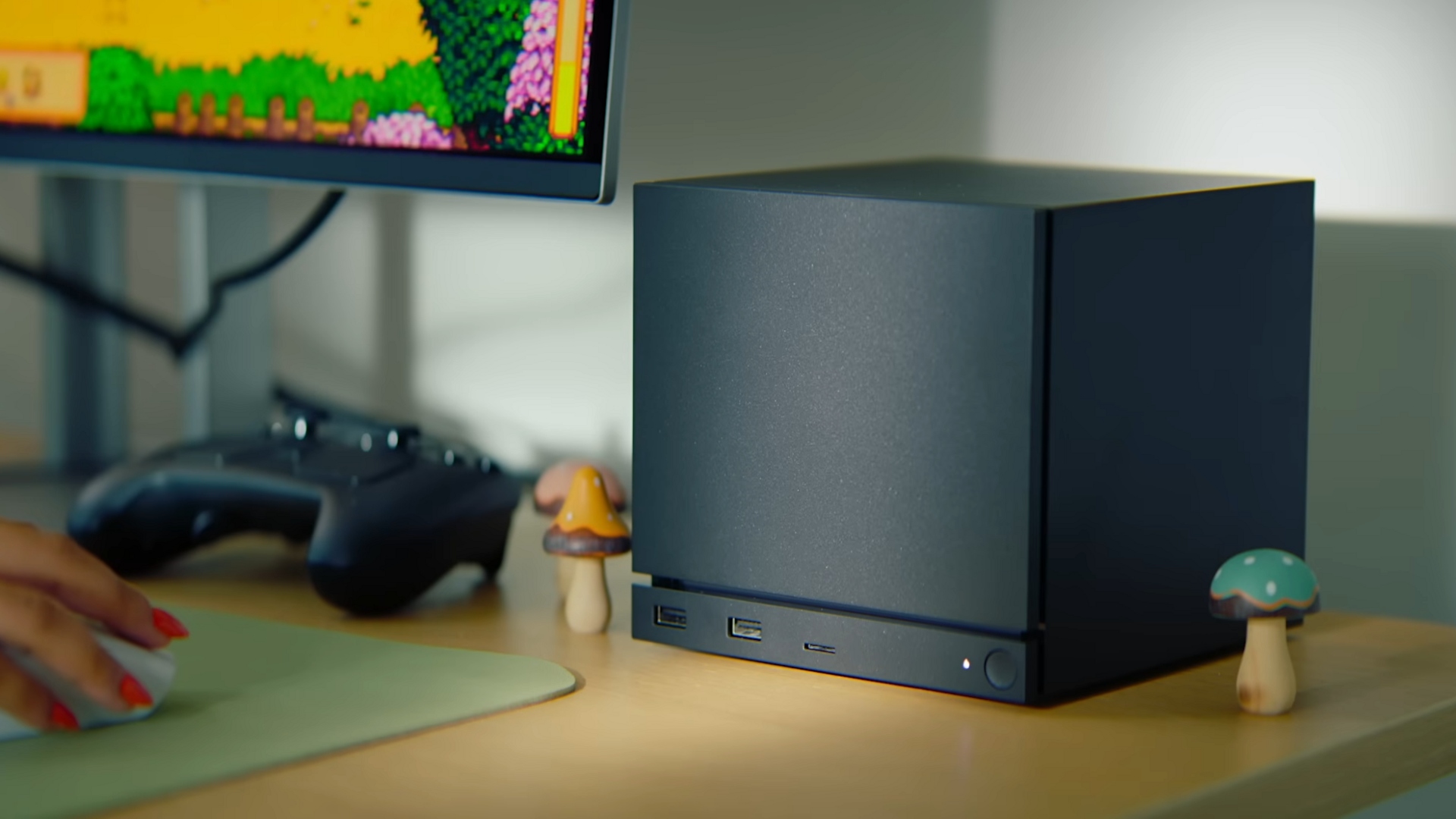
Valve: Steam Machine delayed, price may increase
Another big news in the gaming industry comes from Valve. The highly anticipated new Steam Machine will be delayed due to shortages of memory and storage chips. The surge in memory prices not only affects the shipment schedule, but may also lead to an increase in the final selling price. The product strategy that was originally positioned as “an entry-level introduction to affordable PC games” may be forced to adjust.
Apple: Cheap MacBook may only come with 8GB RAM
In addition, it has been long rumored that Apple is developing a low-cost MacBook (priced in the $699-$799 range) equipped with mobile phone chips that may only be equipped with 8GB of unified memory instead of the previously expected 16GB.
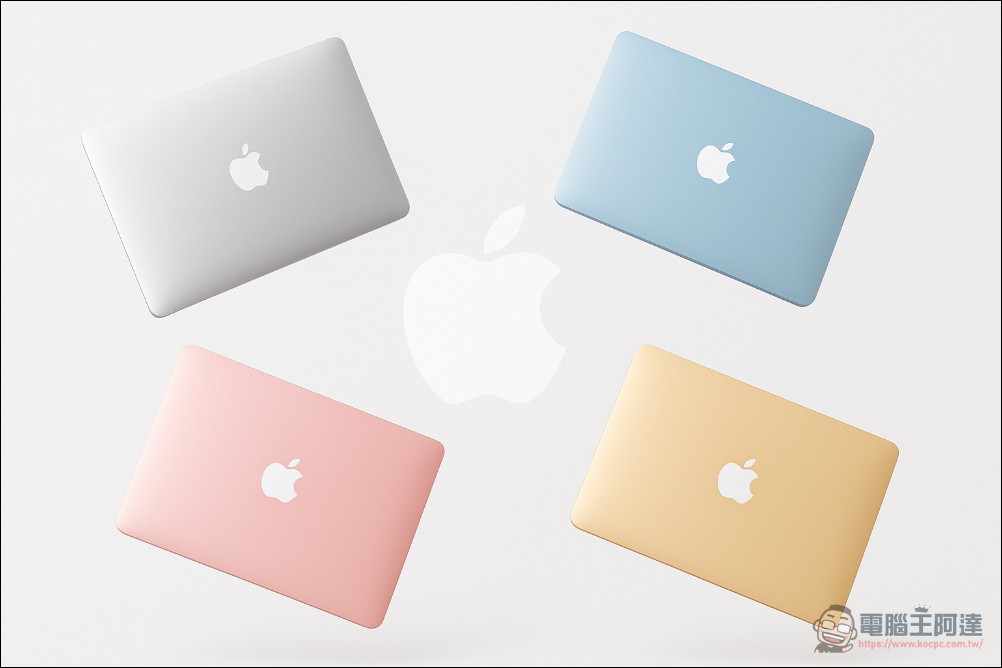
This is undoubtedly a big compromise for the Apple Silicon architecture, which uses “unified high-speed memory” as its selling point. Analysts believe this reflects that even Apple, which has deep cash reserves, cannot fully withstand the impact of memory shortages.
Sony: PS5 is temporarily safe, but the alert has not been lifted
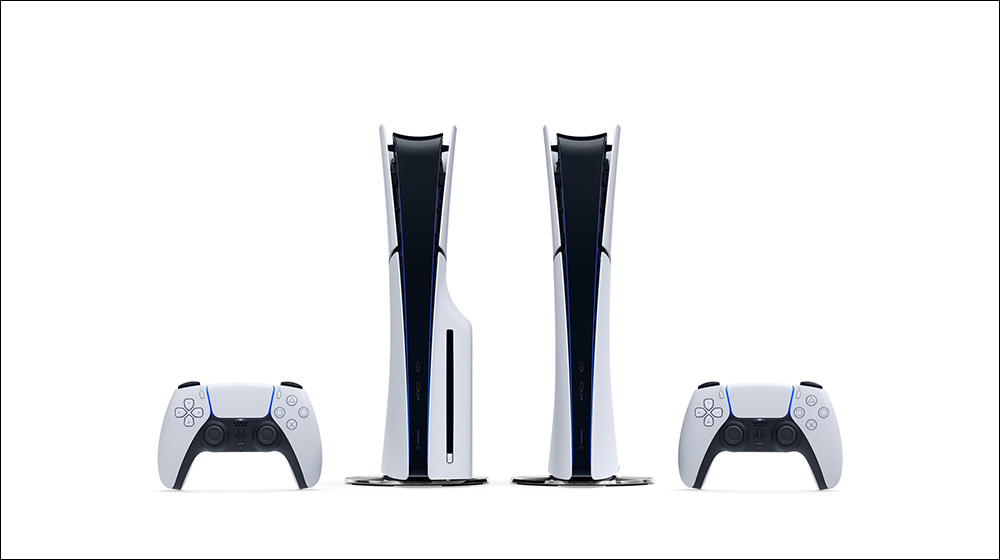
Compared with the PC industry, which is suffering all over the world, Sony is temporarily relieved. Sony’s chief financial officer said that it has prepared the “minimum necessary quantity” inventory required in 2026, and the supply of PS5 and PS5 Pro will not be affected for the time being. However, if the memory crisis continues until 2027, Sony will also be unable to survive alone. (I think it’s mainly because the price has just been raised…)
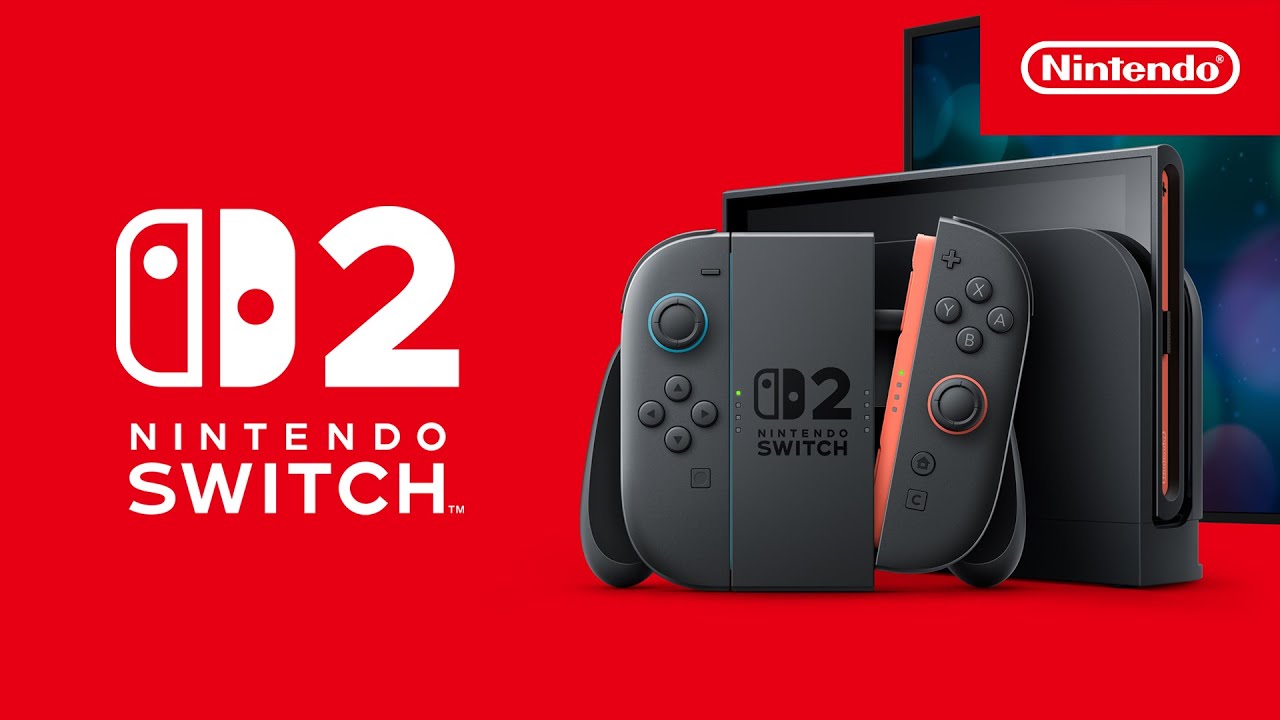
Nintendo Switch 2 confirms there will be no price increase in the short term
Nintendo President Shuntaro Furukawa made it clear during the financial report investor Q&A,Switch 2’s $450 pricing won’t be adjusted anytime soon. Furukawa emphasized that Nintendo is working closely with suppliers to ensure stable supply and expects to have a stable supply by the end of the 2026 fiscal year (March 31).No need for price increase. However, analysts warn that if memory costs continue to rise, Nintendo could make a profit of $23 per Switch 2.Loss $35-$50. This means that in the long run, the pressure to increase prices has not yet been completely lifted.
Qualcomm vs. MediaTek: The dilemma for mobile phone chip manufacturers
Although Qualcomm’s Q1 performance was better than expected in its latest financial report, its outlook for Q2 is obviously conservative. The main reason is the unstable supply of memory. MediaTek revealed that Q4 2025 mobile phone chip revenue accounted for 59% of total revenue. In response to the soaring prices of DRAM and NAND, the company is actively adjusting its product portfolio strategy.
Facing this wave of memory crisis, we ordinary consumers can consider the following strategies:
| context | suggestion |
|---|---|
| Planning to buy a new graphics card | If there is no urgent need, consider waiting or buying the existing RTX 40 series |
| Waiting for Steam Machine | If you have enough budget, consider using an existing Steam Deck or building your own PC |
| Buy MacBook, Mac mini | In the short term, M4 models may be the better choice, as low-priced models have a high risk of memory shrinkage |
| Buy a game console | The supply of PS5 and Switch2 is temporarily stable, you can buy it now |
Summarize
The memory crisis in 2026 is essentially a “side effect” of the AI revolution. As global technology giants rush to join the AI arms race, the consumer electronics industry has become the victim. In the short term, consumers will face dual pressures of product delays and price increases. In the long term, this crisis may accelerate structural adjustments in the semiconductor industry: including memory capacity expansion, supply chain diversification, and the popularization of new generation packaging technologies. However, I personally believe that the soaring memory prices will gradually return to normal as related industries bubble up or the market calms down. At present, all the average consumer can do is to carefully assess demand, consume rationally, and continue to pay attention to market trends. If you don’t buy it, I won’t buy it and it will drop by 100 tomorrow (wrong).
Source: KOCPC Chinese