


It’s been two years since Apple launched Vision Pro, a high-end spatial computing headset. When Vision Pro debuted that year, although Apple emphasized its breakthrough in immersive experience, only about 600 apps were available at the launch, and the most conspicuous absence from the list was YouTube, the world’s largest audio and video platform. This gap has made many early users regretful, and it also makes Vision Pro’s entertainment ecosystem seem incomplete.
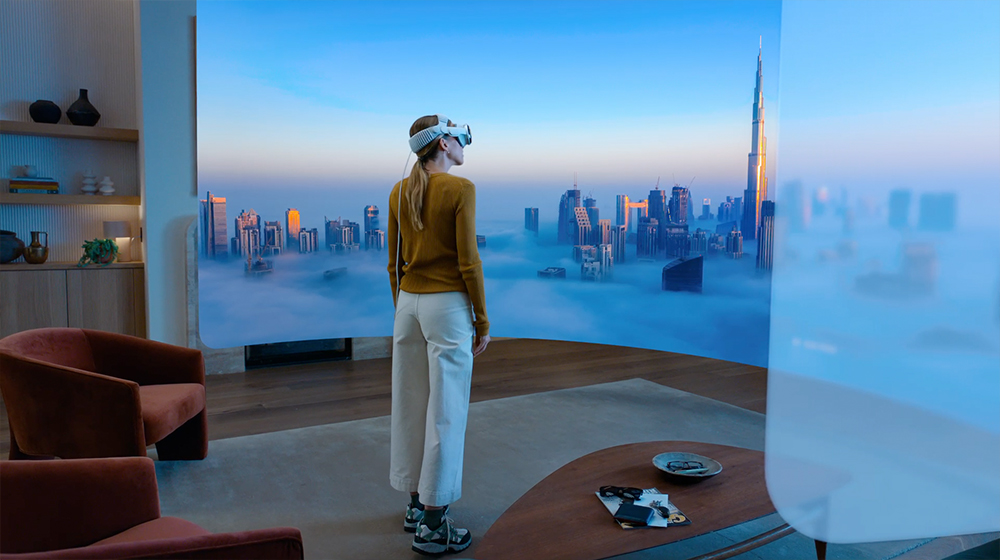
The official YouTube app is now available on Apple Vision Pro
YouTube made it clear at the time that it had no plans to launch a native Vision Pro app in the short term. As a result, users can only watch the YouTube web version through the Safari browser, or rely on alternatives introduced by third-party developers. Although these methods are barely usable, the experience is never comparable to native apps. However, the situation finally took a major turn in recent times.
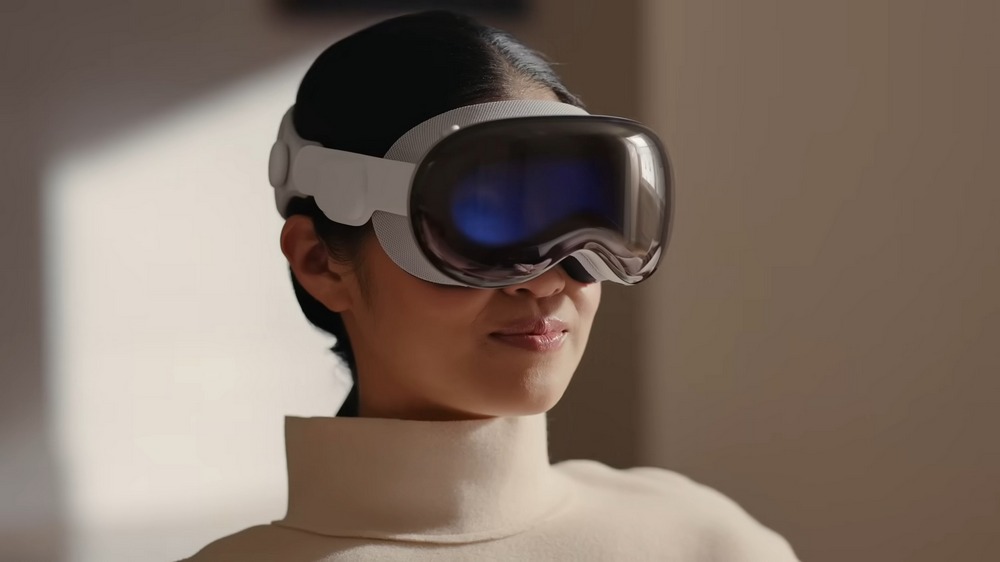
YouTube has officially launched a native app for Vision Pro and is now available on the App Store. This means that Vision Pro users can finally watch YouTube videos on a huge virtual screen in a more immersive and intuitive way. The new app supports content on all platforms, including general horizontal videos, Shorts short videos, and the popular 3D 360-degree and VR180 video formats on YouTube. In other words, Vision Pro’s spatial computing features can finally be truly combined with YouTube’s immersive content. The app is approximately 180MB in size, supports more than 76 languages, and is fully integrated with the user’s YouTube account information. Whether it is subscription content, playlists, viewing history, or personalized recommendations, they can all be seamlessly continued on Vision Pro. This is a belated but important update for long-time YouTube users.
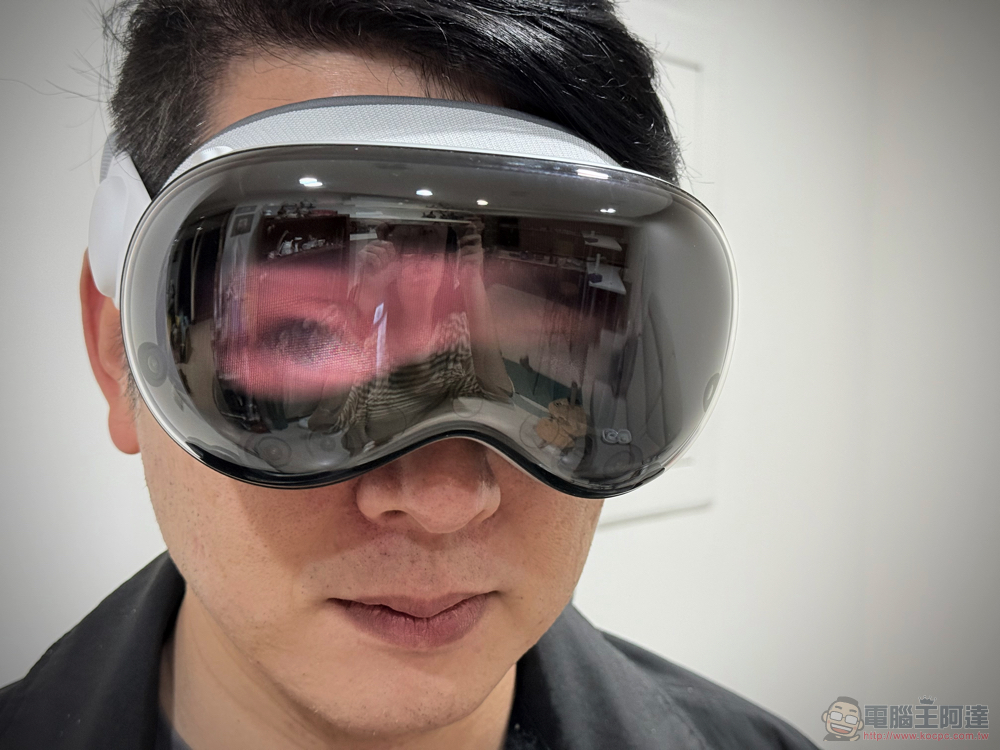
It is worth noting that although the YouTube App supports up to 8K video playback, this capability is limited to the Vision Pro M5 version launched last year. With faster processing, higher display quality, and longer battery life, the M5 can handle high-resolution content more smoothly. In addition, the device must be running visionOS 26 or later to install and use this app, which also means that users of older versions of the system need to complete the update first.
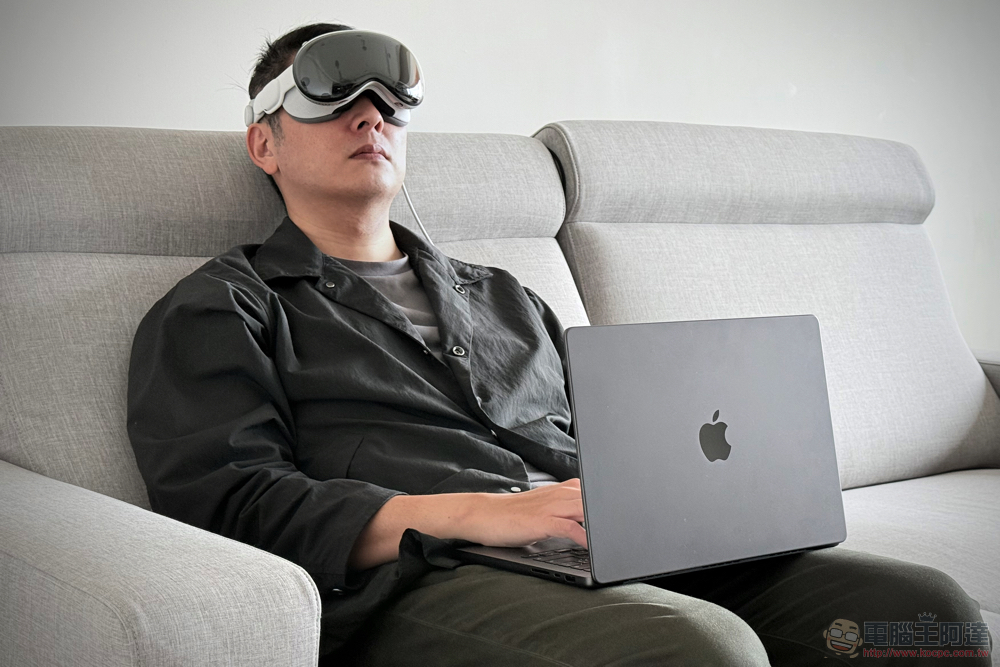
Before the official app was launched, third-party developers tried to fill this gap, the most famous of which was Juno, created by Apollo developer Christian Selig. After the update, Juno supports 360-degree and 180-degree YouTube video playback, becoming a temporary savior for many Vision Pro users. However, due to a trademark infringement complaint filed by Google, Juno was eventually forced to be removed from the App Store, allowing users to return to the embrace of Safari.
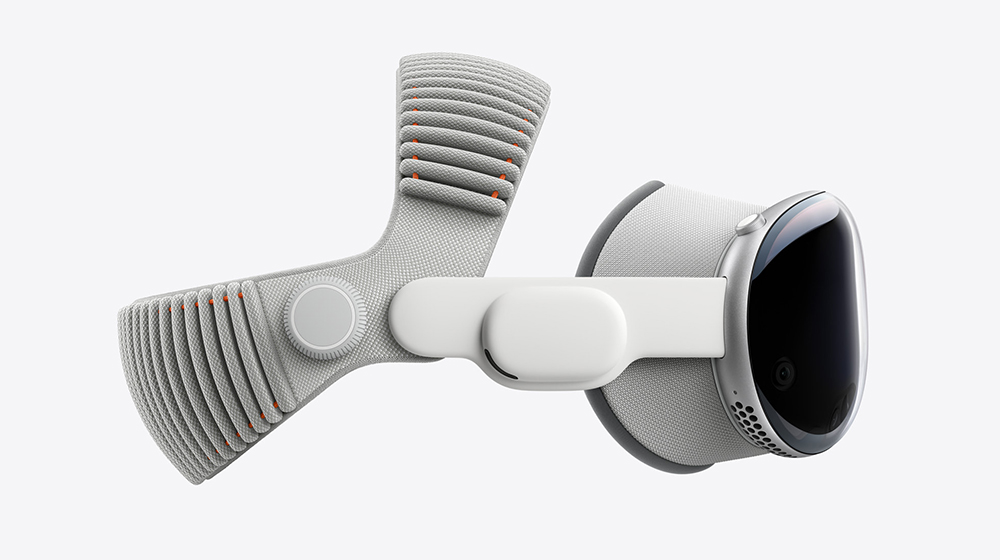
Although the addition of YouTube makes Vision Pro’s audio-visual ecosystem more complete, there are still several large entertainment platforms that have not yet provided native support, the most concerning of which are Netflix and Spotify. Not only does Netflix not have a Vision Pro App, it doesn’t even allow the iPad version to run on Vision Pro, leaving Safari as the only officially sanctioned way to watch. For a device that costs a whopping $3,499, such limitations will undoubtedly disappoint some users. Overall, the arrival of the YouTube native app marks an important milestone for the Vision Pro ecosystem. It not only fills the most critical entertainment gap, but also brings Vision Pro closer to a truly mature consumer-grade spatial computing device. Next, the market will pay attention to whether large platforms such as Netflix and Spotify will follow suit to make Vision Pro’s content landscape more complete.
Source: KOCPC Chinese