


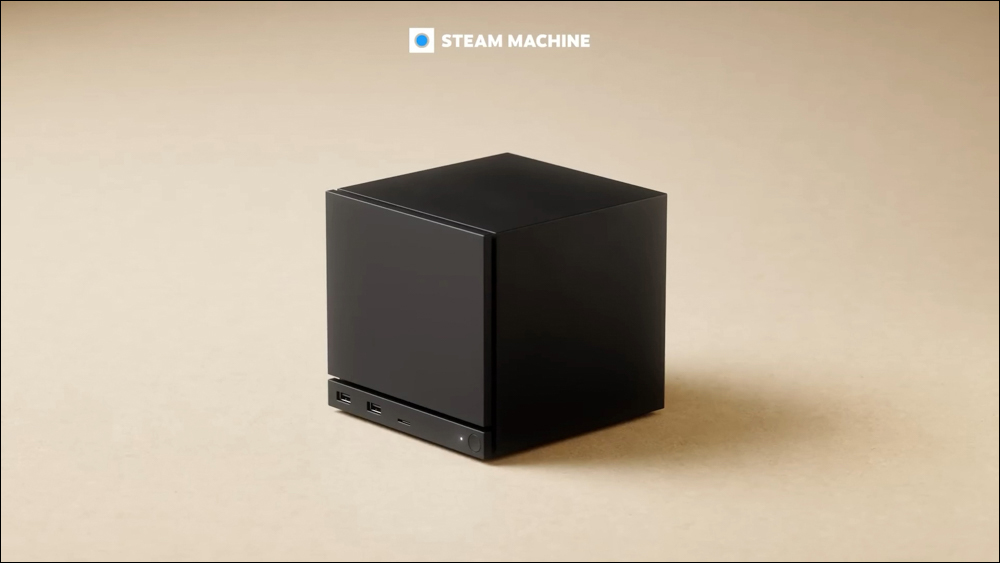
Valve’s upcoming new Steam Machine will undoubtedly bring a new atmosphere to the current console and PC gaming market. The positioning of this product is quite special. It does not simply join the competition of traditional home consoles, but attempts to straddle the two major fields of consoles and PCs at the same time, providing players with a new choice between the two. For the game hardware market that is already quite diverse and even confusing, the addition of Steam Machine is bound to change the landscape again.
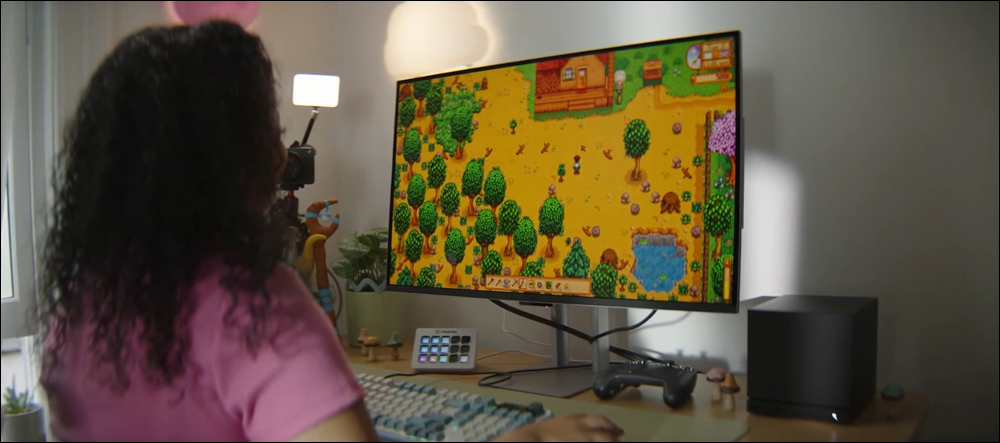
PS5, PC, and Steam Machine: Which device is best for gaming?
Before this, the choice between PlayStation 5 and PC gaming platforms was difficult enough for many players; now that Valve’s new hardware has arrived, the battle has changed from a two-party competition to a three-way competition. Especially as Microsoft gradually shifts its Xbox strategy from the hardware itself to the “Xbox Anywhere” cross-platform ecosystem, the competitive relationship in the market has become more complicated. Although there is still a lot of key information about the Steam Machine that has not yet been made public, such as the exact performance specifications, official launch date, and final selling price, etc., we can already outline its positioning in the market from the existing news. Through the known hardware direction, Valve’s deep foundation in the PC ecosystem in the past, and our understanding of PS5 and traditional gaming PCs, we can initially speculate on the possible competitive relationships and differences between the three.
purchase cost
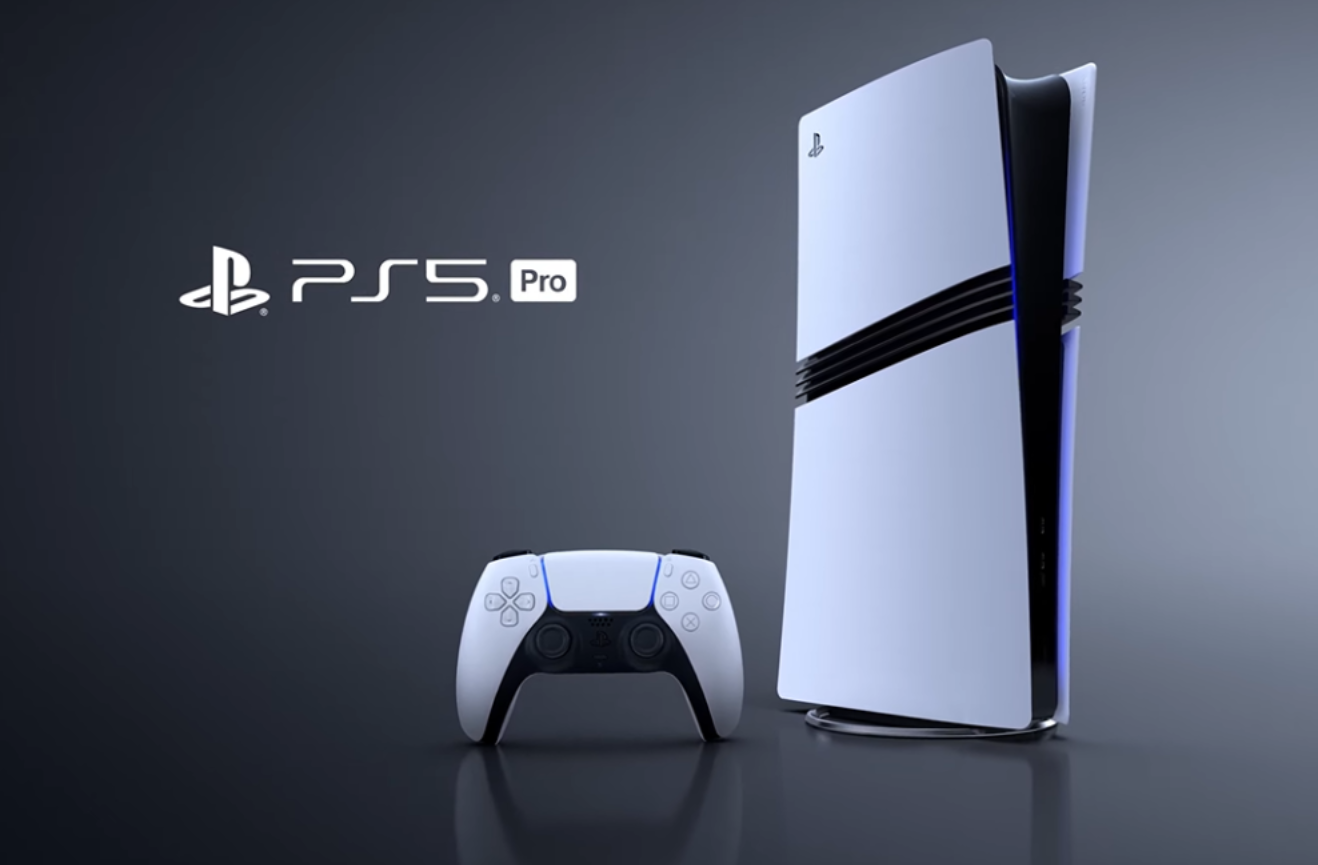
In the gaming hardware market, one of the most obvious differences between consoles and PCs is the price structure. While neither is cheap, the PlayStation 5 still generally has a price advantage over gaming PCs at the same level of performance. The current suggested selling price of the PS5 digital version is NT$14,580. Although it has been on the market for many years, the price has always remained at a high point due to tariffs and global economic fluctuations. As for the more powerful PS5 Pro, the price has been increased to NT$24,280, but in comparison, it has also been significantly upgraded in graphics processing and overall performance.
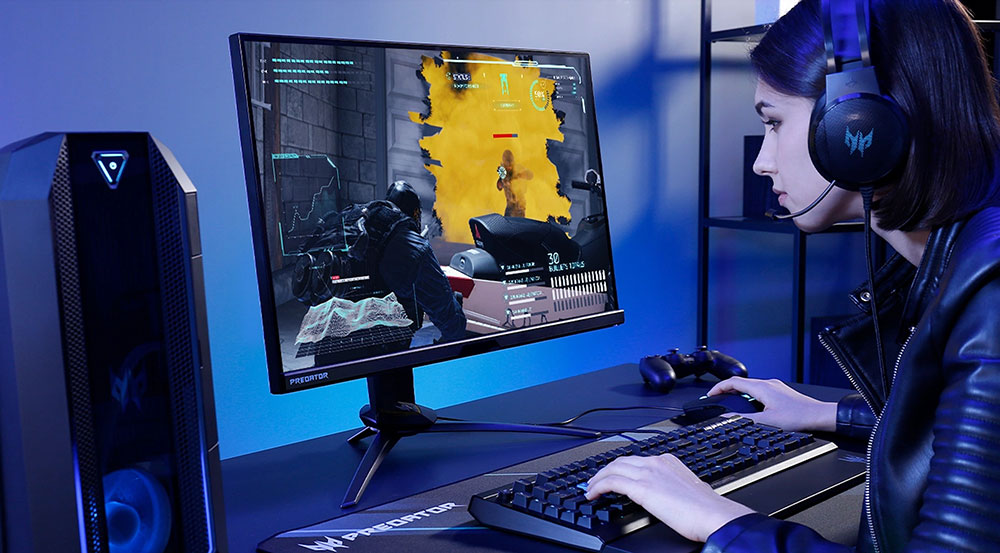
In comparison, PCs have a much wider price range, ranging from entry-level models that cost far less than a PS5 to high-end configurations that cost astonishingly high prices. Depending on the quality and specifications of the components, the overall cost may range from a few thousand NT dollars to tens of thousands of dollars. If the performance of PS5 is used as a benchmark, it is not easy to find a PC with comparable performance at the same price unless you choose a second-hand or refurbished product. Coupled with the dramatic price fluctuations of memory and storage components in recent years, the overall cost of PCs is more difficult to predict.
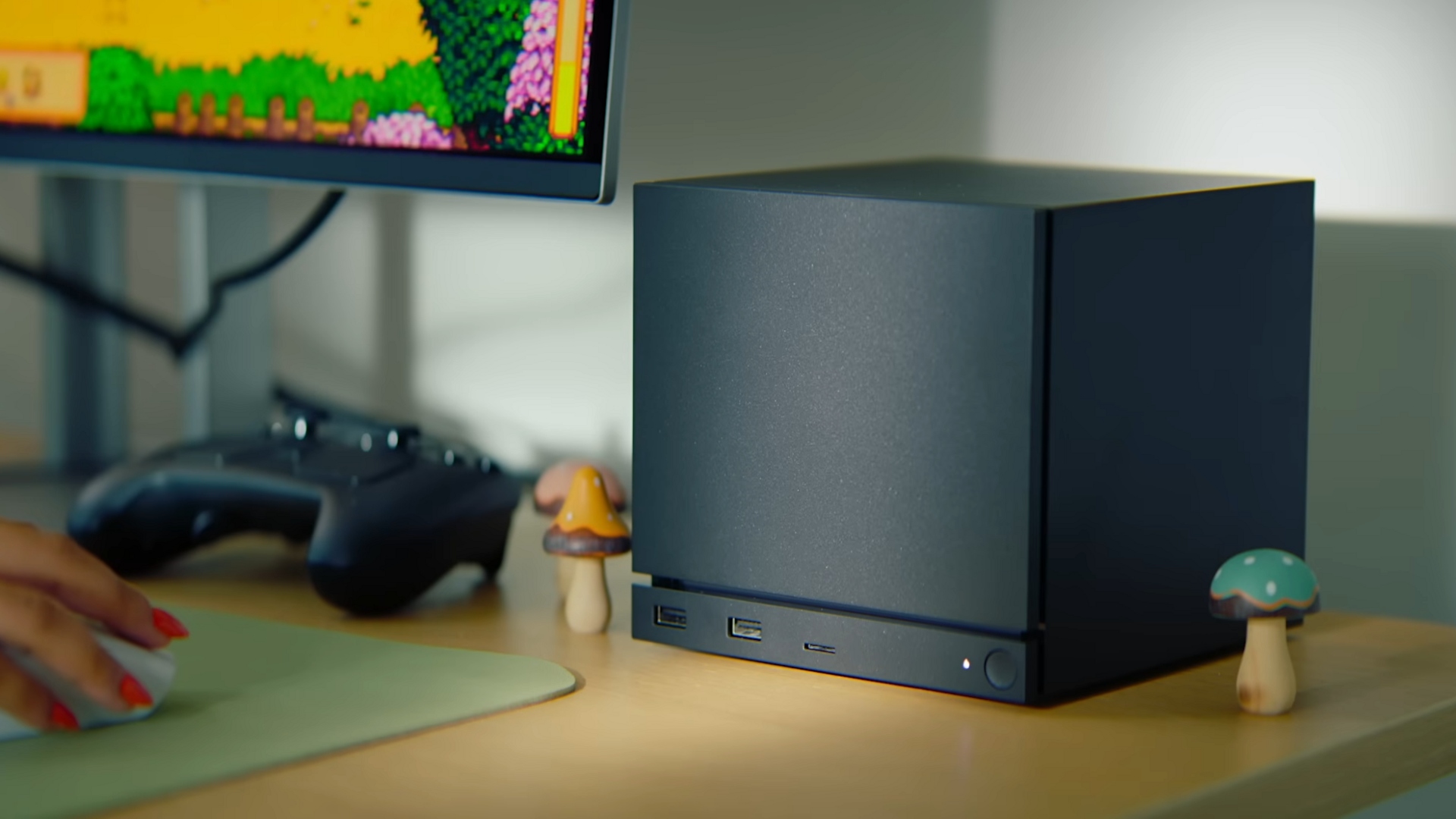
As for the upcoming Steam Machine, the official price has not yet been announced, but there are already some speculations. According to Valve’s conversation with Linus Sebastian at the WAN conference (IGN also reported on this), the price of this device is expected to be higher than that of ordinary home consoles. Based on its hardware configuration, the price may fall between US$800 and US$1,000 (approximately NT$25,350 and NT$31,700); if memory and storage costs are taken into account, the final selling price may be even higher. For reference, the design concept of Steam Machine has many similarities with Framework Desktop, and the latter currently starts at US$1,139 (approximately NT$36,100). If the two are positioned closely, it is not difficult to imagine the price trend of Steam Machine.
Raw performance and specs
The PlayStation 5’s hardware specs are pretty clear. It uses AMD’s customized chips, including the earlier Zen 2 CPU, and the RDNA 2 GPU with 36 computing units, up to 10.3 TFLOPS, and 825GB of storage space. This combination is enough to support 4K, 30–60fps gaming performance, but relies heavily on dynamic resolution and subsampling to maintain performance. PS5 Pro has been further upgraded to RDNA 3 GPU, with 60 computing units and a performance of 16.7 TFLOPS.
Compared with consoles with fixed specifications, PC hardware combinations are highly flexible, ranging from entry-level to flagship. Different cooling, BIOS settings, and in-game image quality options can give the same set of hardware a completely different performance. If you pursue performance comparable to PS5, the cost of PC is often higher, but you can also adjust settings to get higher image quality or higher frame rate.
As for the Steam Machine, it is expected to also use AMD’s semi-customized platform, but the hardware updates will be larger. Rumors indicate that it will be equipped with Zen 4 CPU and RDNA 3 GPU, providing 28 computing units, with the goal of supporting 4K, 60fps light-tracing games. However, considering that PS5 Pro has more than twice the number of computing units, the pure performance of Steam Machine may be slightly lower than PS5 Pro.
Exclusive game and game library access
One of the main advantages of the PlayStation 5 is that exclusive games, such as Fairy Tail and Gran Turismo 7, are still limited to the PlayStation platform. However, this advantage is shrinking, because many “exclusives” are actually limited-time exclusives that will eventually make their way to PC, and the PC version often offers more advanced graphics settings, and some even unlock graphics options that cost extra on the PS platform (such as Ghost of Tsushima).
Therefore, although the PS5 has a rich game lineup, it is limited by the platform itself and can only play works from the PlayStation ecosystem. The purchasing channel is also relatively simple: either through the Sony digital mall or purchasing a physical disc (provided the host has a disc drive). This closed model usually represents higher game prices, but used discs are still an economical option for expanding your game library.
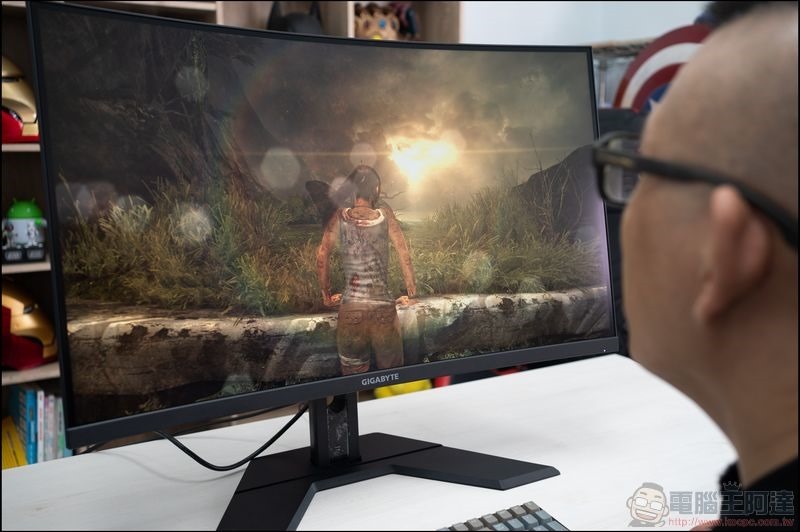
In comparison, PC has almost all types of games. Microsoft rarely locks its titles to consoles, so many games are released simultaneously on PC. PCs can also run web games and cloud games, and support a variety of launchers and stores, giving players more flexibility in purchasing methods, prices, and game sources. In terms of game selection, Steam Machine is positioned closer to PC. The Steam store itself can provide a huge library of games. In theory, third-party stores can also be installed like Steam Deck, but the process may be more cumbersome. Since SteamOS is based on Linux, it also has the opportunity to be compatible with more games and further expand the playable content.
Durability and future
It has been more than five years since the PlayStation 5 was launched in 2020. In the rapidly evolving world of PC hardware, such a lifespan is considered old. Even in the year of its launch, the performance of PS5 was not top-notch. Although the PS5 Pro launched in 2024 has improved, its overall performance is still not as good as mid-to-high-end PCs. The upgrade flexibility of the PS5 is extremely low. There are almost no other options except replacing the entire console; the storage space is the only part that can be expanded, but the extent is limited. As the PS5 enters the latter part of its product cycle, the PS6 is likely to debut in the next two or three years, and the PS5 will eventually be phased out like previous generations of consoles.
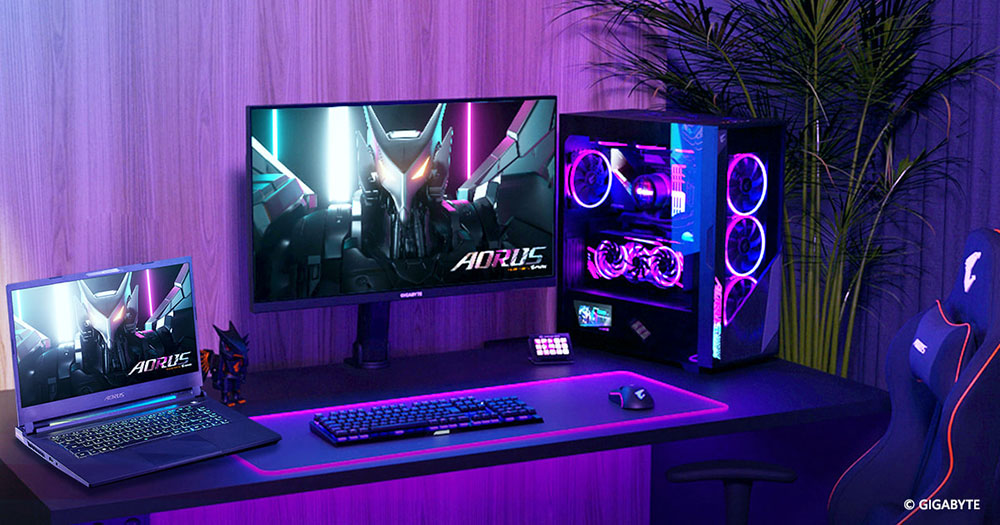
Desktop gaming PCs, by contrast, have rarely been completely left behind. When a certain component becomes a bottleneck, players usually only need to replace the graphics card, CPU or motherboard to maintain overall performance, while the memory, storage, cooling and chassis can mostly be used. This “partial upgrade” model allows PCs to remain competitive with smaller, more frequent investments. Of course, some high-end components may cost as much as the entire console, depending on player demand. In addition, this upgrade flexibility is mainly found in tower desktops. Small desktops, all-in-ones, and laptops generally have limited upgradeability, and the CPU/GPU of many products cannot even be replaced at all; some brands also use proprietary parts, making upgrades more difficult. Overall, the choice of PCs is extremely diverse, with high flexibility but also great differences.
As for the Steam Machine, it’s more like a highly integrated PC. Although there are two M.2 slots for storage expansion, it is not yet determined whether the memory is replaceable. The CPU and GPU are almost certainly fixed to the motherboard and will not be upgraded until the possible release of “Steam Machine 2” or new motherboards in the future.
Final verdict: PlayStation 5, PC or Steam Machine?
In terms of ease of use, PlayStation 5 still has the advantage. It can be played immediately after booting, without any settings. With a mature game library, the experience it can provide at this price is difficult to be surpassed by PCs of the same level. However, if you are pursuing flexibility, performance and long-term upgrade space, PC is still the most free choice. Not only does PC have the largest variety of games, but it also offers significant cost savings through multiple stores, discounts, and free games. Online games usually do not require additional subscriptions. Although PCs may occasionally encounter compatibility or performance tuning issues, solving them once can often lead to a long-term, stable, high-quality gaming experience.
As for the Steam Machine, it’s positioned somewhere between the PS5 and a true gaming PC, so price will be key. Valve has hinted that it won’t adopt a console-style low-price strategy, which also means that its performance may be difficult to compete with similarly priced PCs on the same budget.
Source: KOCPC Chinese