


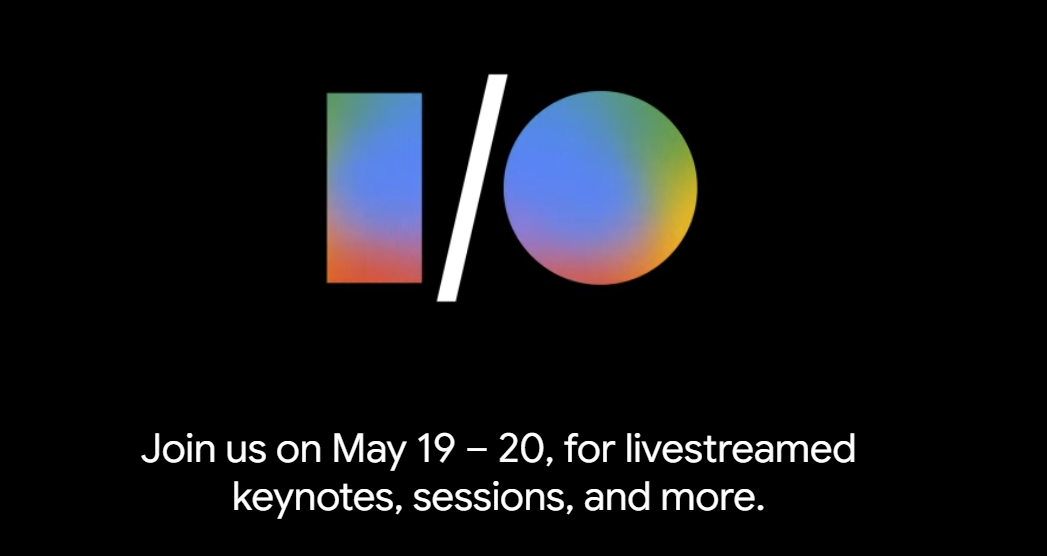
Google officially announced its annual developer conference Google I/O 2026 Taking place May 19-20 at Shoreline Amphitheater in Mountain View, CA. This year’s theme is clearly set as “AI breakthroughs and updates”: breakthroughs and updates of artificial intelligence. This is not only a product launch, but also a critical moment for Google to show the world its AI empire. In 2026, when competitors are accelerating, Google urgently needs to prove its leadership in the field of generative AI. from Gemini 3 New models in the series arrive Android 17 of AI Integration, from the evolution of search engines to Android XR The debut of hardware, this time I/O 2026 Will define Google’s technology roadmap for the next three years.
Gemini 3 series: The arrival of new next-generation AI models
As a central focus of I/O 2026,Gemini 3 series new modelsThe release of is almost a foregone conclusion (possibly due to the previously revealed Gemini 3.1 Pro). This will be another major upgrade after Gemini 3 Pro/Flash, continuing Google’s advantages in reasoning capabilities and multi-modal processing.
Google has preemptively integrated Gemini 3 into its core product line in January 2026:Chrome browser’s “Auto browse” functionAllow users to ask AI to perform complex tasks such as online shopping and restaurant research;Workspace appGet Gmail AI tools and inbox overview features. These previews show that Gemini 3 is not only more powerful, but will also deeply penetrate users’ daily workflow.
Gemini in Chrome 又變更強了!加入 AI 代理、全新側邊欄、Nano Banana 修改網頁圖片、連結 Google 服務
Google’s advantage over its competitors is its vast product ecosystem. While OpenAI is still figuring out how to commercialize ChatGPT, Google is already plugging Gemini into products used by billions of people every day. I/O 2026 is expected to showcase the next step in this “AI everywhere” strategy.
Android 17: An AI-first operating system
Android 17 The development progress has been started ahead of schedule. The Beta 1 version will be released in February 2026, with the internal code name “Cinnamon Bun”, and the stable version is expected to be launched in June. This means that I/O 2026 will be the first time that Google shows off the new system near completion, rather than the traditional early preview.
Highlights of Android 17 include:
Material 3 Expressive: A new design language that emphasizes personalization and emotional expression. This is not just a visual update, but also Google’s attempt to introduce AI aesthetics into interface design—the system may automatically adjust colors and animations based on user behavior.
Desktop Mode enhancement: Continuing the large screen support of Android 16, Android 17 will further optimize the external display experience, including 90:10 split-screen multitasking mode, making the phone closer to a true computer alternative.
Lock screen widget and authentication extension: These features show that Google is rethinking the role of “mobile phones as digital identity centers” and may pave the way for future XR devices.
AI Mode for Search: The future of search
Launched at I/O 2025 AI Mode for Search and AI Overview It has changed the way billions of people obtain information. In 2026, Google will usher in a major upgrade. Expected evolutionary directions includeMore Powerful Personalized Search: AI will remember user preferences, past inquiries, and even proactively predict needs; andcontext understandingThe jump makes multiple rounds of conversations more natural and accurate.
This is critical to Google’s business model. As click-through rates for traditional Ten Blue Links search results decline, Google must prove that AI search can not only provide better answers but also maintain ad revenue. I/O 2026 will showcase the latest advancements in this balancing act.
Chrome AI: The intelligent revolution of the browser
Chrome, the browser with the largest market share in the world, is undergoing an AI-driven revolution.Auto browse functionThat’s just the beginning: This feature, powered by Gemini 3, allows AI to complete the entire online task process for users, from searching for products to comparing prices to filling out checkout information.
I/O 2026 is expected to announce more Chrome AI integrations, which may include:
Smart summarization and translation: Instantly generate key summaries for any web page, breaking language barriers;Predictive navigation: Proactively suggest next steps based on user habits;Privacy protection AI: Handle sensitive information locally to reduce data upload.
These features will allow Chrome to evolve from a “browsing tool” to an “AI assistant platform” and further consolidate Google’s monopoly on the Internet portal.
XR/AR hardware: The arrival of Android XR smart glasses
Google officially confirmed in December 2025,Android XR smart glasses will launch in 2026. This marks Google’s strong return in the VR/AR field, and I/O 2026 is likely to be the official launch stage for this device. Exposed information shows that the Android XR operating system adopts a green UI and rounded icon design, and is equipped with an external LED to indicate the recording status. More importantly,Samsung and Google are teaming up to develop Android XR glasses, developers have begun receiving reference devices for testing.
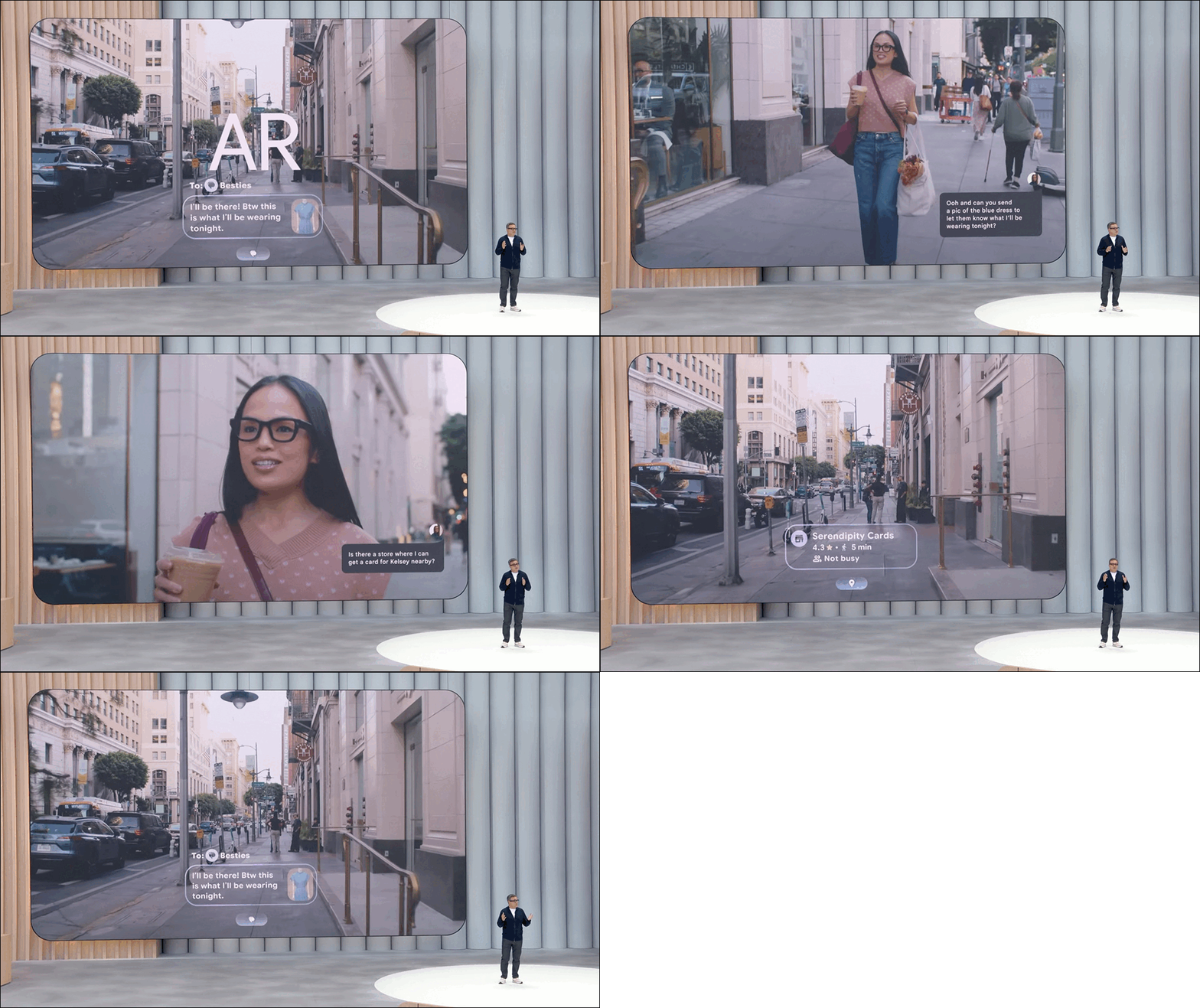
Different from the high-end positioning of Apple Vision Pro, Google’s Android XR strategy may be more biased towards “smart glasses that can be used every day”: lightweight design, AI priority, and seamless integration with the Android ecosystem. This differentiated positioning may allow Google to find a breakthrough in the consumer XR market.
The ultimate battle with competitors
Google’s competitive landscape in the field of AI is undergoing subtle changes. Due to the great success of Gemini 3, Google has recently transformed from a “chaser” to a “leader”, defeating OpenAI in the field of AI search. Analysts point out that Google is the only company inCutting-edge models, device-side reasoning, video generation, open source weights, search integrationCompanies that have made breakthroughs in multiple fields at the same time. This forces OpenAI, Anthropic, and xAI to specialize, while Google continues to advance its “war on all fronts” strategy.
Investment figures also reflect the intensity of this competition:Google’s AI-related spending will exceed $115 billion in 2026, Bernstein analysts expect total investment in large technology companies to approach trillions of dollars.
In comparison, Apple focuses on device-side AI and privacy protection, while Microsoft is fully committed to promoting the Copilot ecosystem. Google’s advantage lies in its unmatched data assets and product coverage: from search to maps, from email to the cloud, every touchpoint becomes a showcase for AI.
Google I/O 2026 conference official website
Conclusion: I/O 2026 is about more than products
Looking back at the history of technology, every wave of major transformations is accompanied by a “defining moment”: the release of Windows 95 in the PC era, the debut of the iPhone in the mobile era, and the rise of AWS in the cloud era. For the age of AI, Google I/O 2026 could be just that moment. This isn’t just because of the new Gemini 3 version or the technical breakthroughs of Android 17, but because Google is demonstrating a new paradigm:AI is no longer a stand-alone product, but infrastructure. It will permeate into operating systems, browsers, search engines, and even wearable devices everywhere, becoming the default background of digital life.
The risks and opportunities of this strategy are equally great. On the one hand, deep integration can create experience advantages that are difficult for competitors to replicate; on the other hand, regulators and privacy advocates are paying close attention to this “AI ubiquitous” trend. At the Shoreline Amphitheater on May 19, we will witness what may be the beginning of the next decade in the tech industry. Whether you’re a developer, an investor, or just a general consumer, you should pay close attention to this conference because it will determine the ground rules for how we interact with AI.
Source: KOCPC Chinese