


aboutmemoryMany analyzes and forecast reports have appeared on the market regarding the shortage problem, all of which indicate that it will not be alleviated until at least 2027. For players, they must still want to know what the industry insiders think? Is it possible to go earlier? The bad news is that it doesn’t seem possible to do it sooner, or it could be significantly delayed.
A few days ago, in the “Money Watch” program, Pan Jiancheng, CEO of Taiwan Phison Electronics, said that the memory shortage may not only last until 2030, but also will cause many consumer electronics companies to face a crisis in the second half of this year because they cannot get memory.

Phison CEO warns: AI will take away memory production capacity, which may lead to a wave of consumer electronics bankruptcies in the second half of this year, and shortages may last until 2030
Pan Jiancheng, CEO of Phison, shared a lot of his views on memory in the program. Here are just a few key points. For those who are interested in learning more, we recommend watching the full video attached at the end of the article.
Pan Jiancheng said that due to AI’s explosive growth in memory demand and shortages, starting from the second half of 2026, we will begin to see system manufacturers go bankrupt or abandon certain product lines because they cannot obtain memory.
AI requires a large amount of memory to process data. For example, NVIDIA’s newly launched Vera Rubin requires more than 20TB of SSD per system. If NVIDIA shipped 10 million units, it could eat up 20% of global NAND production last year, not counting additional storage space.
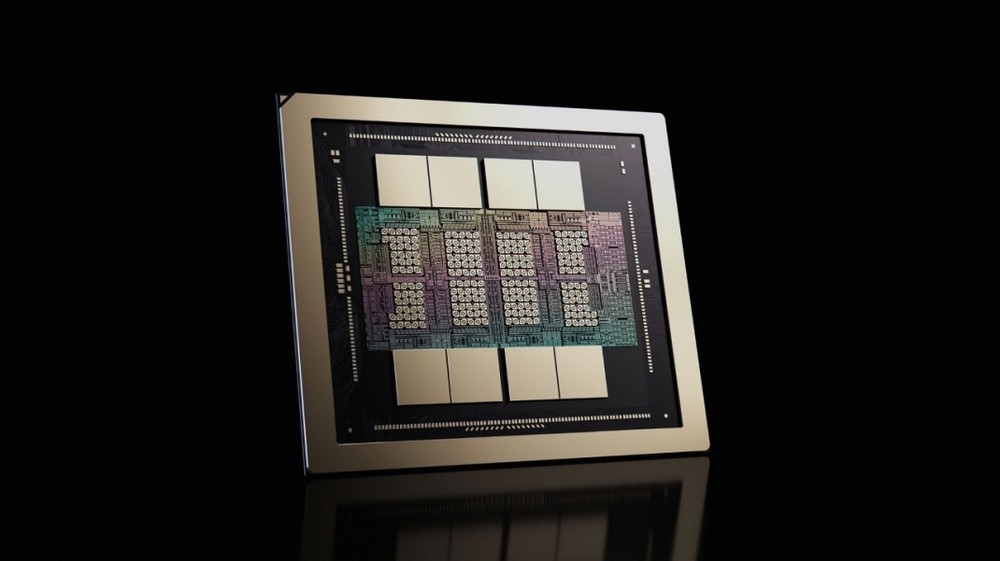
The current output of memory factories is limited, and suppliers must give priority to AI customers with high profits, which results in general consumer electronics companies not being able to get the goods.
In addition, Pan Jiancheng mentioned that an original memory manufacturer requires customers to pay three years in advance to ensure supply. This is unprecedented, which means that it is completely a seller’s market now, and only suppliers have the right to speak. If the customer does not pay in advance, he may not get the goods.
If a company has to pay high fees when there is a shortage and the economic pressure is too great, it is easy to go bankrupt.

What’s even worse is that an internal report from a certain memory manufacturer revealed that this shortage may last until 2030, which will definitely make it difficult for many companies to survive.

He is also quite pessimistic about consumer electronics.
The memory shortage could reduce smartphone production by 200 million to 250 million units. Originally, mobile phones needed memory to store data and run programs, but now the supply is limited and the price has increased a lot. For example, 8GB of eMMC memory will rise from US$1.5 to US$20 in early 2025, and it will even approach US$30 for cars soon.
This will make mobile phones more expensive, reduce production, and consumers may not be able to buy them or have to pay higher prices. The TV segment is more price-sensitive and will become very miserable. Therefore, he predicts that the demand for consumer electronics will drop significantly in the next two to three years.
As for the expansion of memory production in mainland China, Pan Jiancheng believes that it is not enough at all and is just a drop in the bucket. It is not helpful because the demand for AI is too great. Although the expansion of mainland production has increased the production of NAND and DRAM, the global AI infrastructure is growing faster.
More importantly, China is also in short supply of memory. Even if new production capacity comes out, it will be provided to Chinese companies first.
Source: KOCPC Chinese