


In science fiction movies, we often see various animals being implanted with chips and becoming tools for humans, and this plot seems to be gradually becoming a reality. Moscow startup Neiry recently publicly demonstrated the results of their project codenamed “PJN-1”: by implanting neural chips in the brains of pigeons, they successfully achieved remote control of these birds, transforming them into so-called “Bio-drones.” This technology not only triggered heated discussions in the scientific and technological circles, but also brought serious ethical controversies.
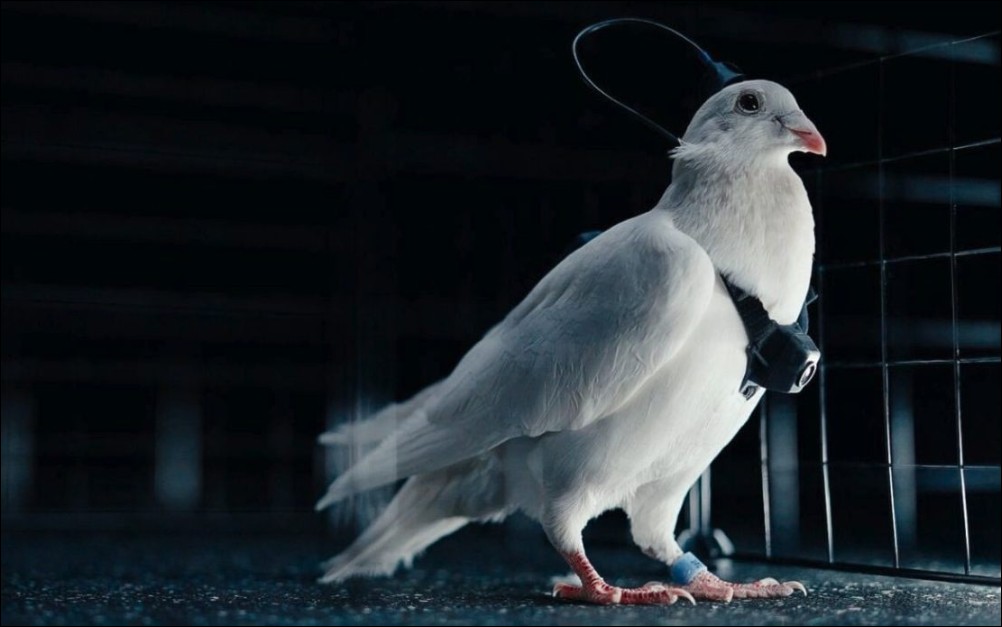
Russian startup implants chips in pigeons’ brains to create the first batch of “biological drones” PJN-1
According to the Daily Telegraphreport, Neiry claims that these chipped pigeons have surpassed traditional FPV (first person view) drones in performance. Compared with battery-powered mechanical drones, these “cyber pigeons” have longer endurance, longer flight distance, and more flexible space travel capabilities. It is reported that these pigeons can fly up to 300 miles per day and can be charged by solar energy.
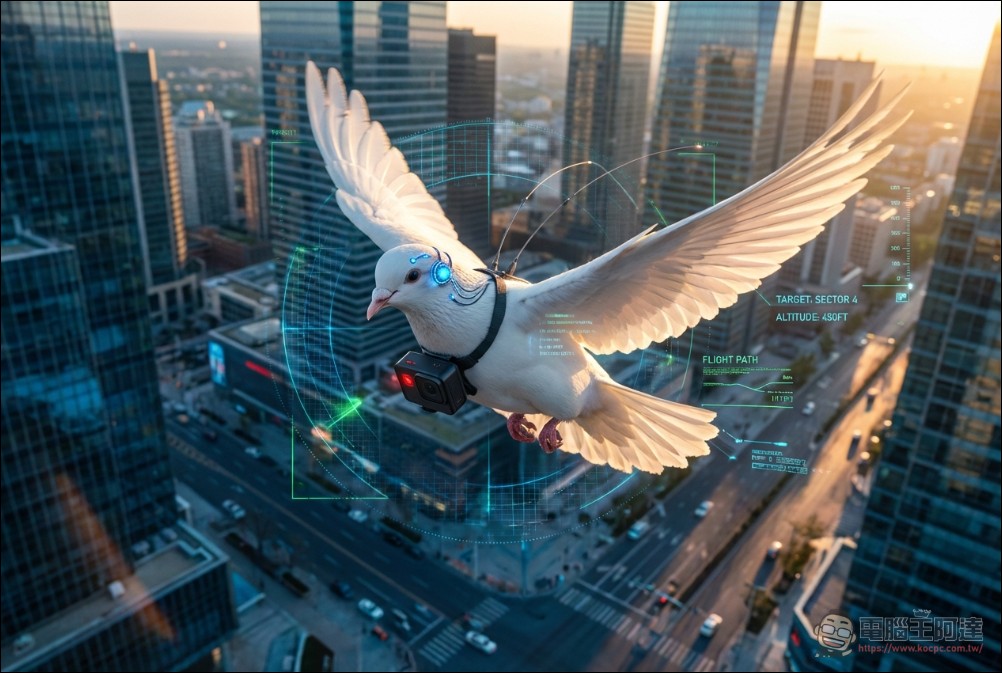
Technically, the PJN-1 project uses advanced neural implant technology. Neiry’s R&D team will implant tiny electrodes into specific areas of the pigeon’s brain during surgery. These electrodes can receive wireless signals from ground operators and “guide” the pigeon’s flight direction through electrical stimulation. At the same time, these pigeons are also equipped with miniature cameras that can transmit real-time images back to the control station.
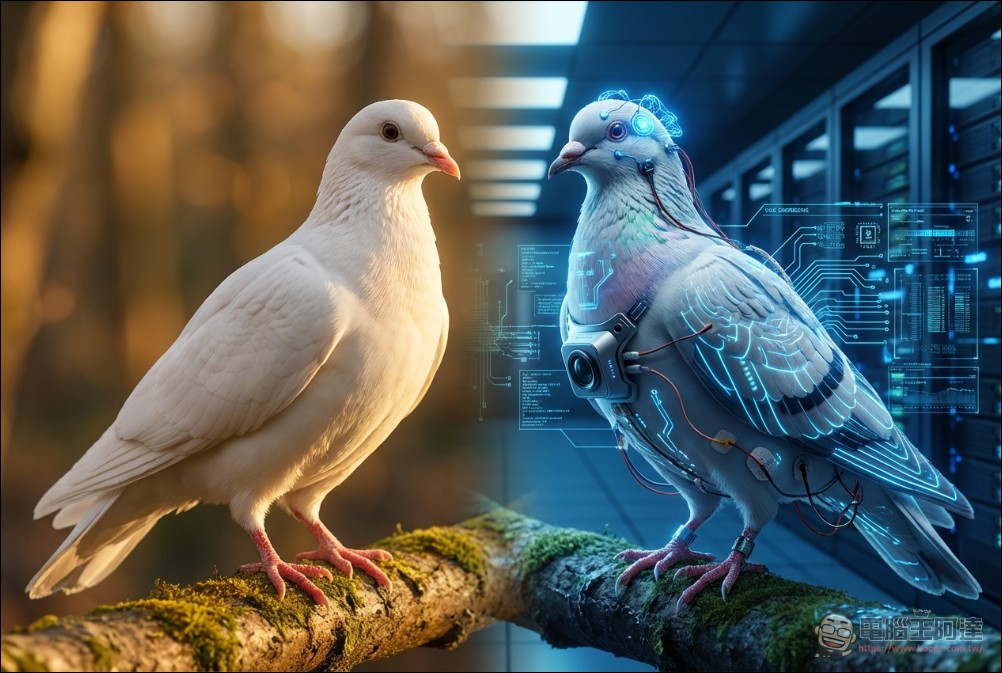
However, the emergence of this technology has also raised many questions. Many experts have reservations about Neiry’s claimed performance figures. Russia has made many high-profile announcements of major scientific and technological breakthroughs in the past, but ultimately failed to deliver on its promises. Animal rights groups have also strongly criticized the practice of using live animals as tools.
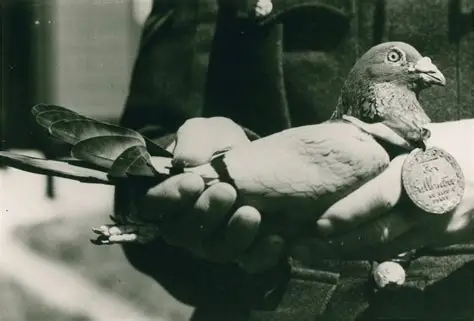
From a military application perspective, the PJN-1 concept does have certain strategic value. Historically, pigeons have long been used as military communication tools. During World War II, pigeons were even used to deliver important information.Get a medal。
The development of this technology forces us to think: Do humans have the right to modify the consciousness and behavior of other creatures for their own purposes? The founder of Neiry stated that the goal is to “combine the advantages of biology and artificial intelligence.” However, whether such a vision is worth pursuing, society has obviously not yet reached a consensus.
In any case, the emergence of the PJN-1 project marks a new stage in biomechanical fusion technology. As neuroscience and microelectronics continue to advance, similar applications (such as dolphins, dogs…) may become more and more common.
Source: KOCPC Chinese