


I still remember the years when smartphones first took off. The entire industry was obsessed with the “pixel war”. Various manufacturers constantly emphasized that their cameras could take photos with 20 million pixels, as if the larger the pixel number, it would automatically equal “professional grade”. However, as time goes by, we gradually understand that high pixels do not guarantee high image quality. What really determines image quality is the size and light processing capabilities of the photosensitive element, not the series of powerful-looking numbers.
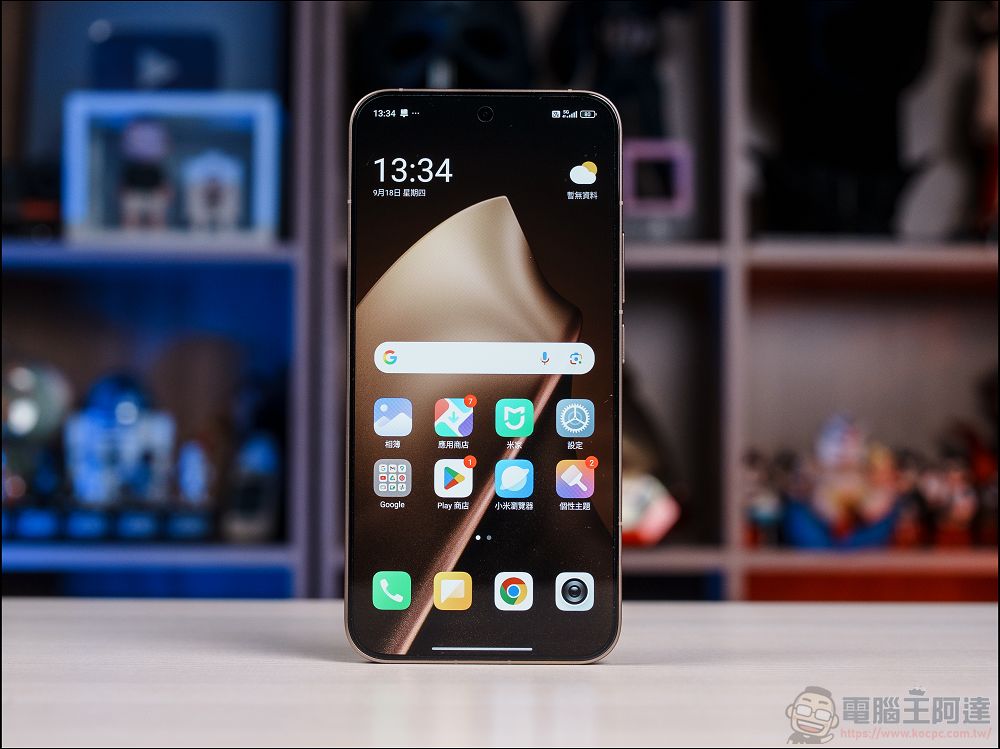
When buying a mobile phone, is screen brightness important?
Today, history is repeating itself, but the battlefield has been replaced by screen brightness. The protagonist this time is “nits”, especially the “peak brightness” of mobile phone screens. The technical indicators that were originally used to measure the readability of the screen under strong light have now become marketing figures that various manufacturers compete to stack. From the initial 1,000 and 2,000 nits to 4,000 and 6,000 nits today, these numbers have gone from amazing to ridiculous. The question is: why on earth does a phone need 6,000 nits of brightness? The answer is actually very simple: no need at all, and it will not help you in daily use.
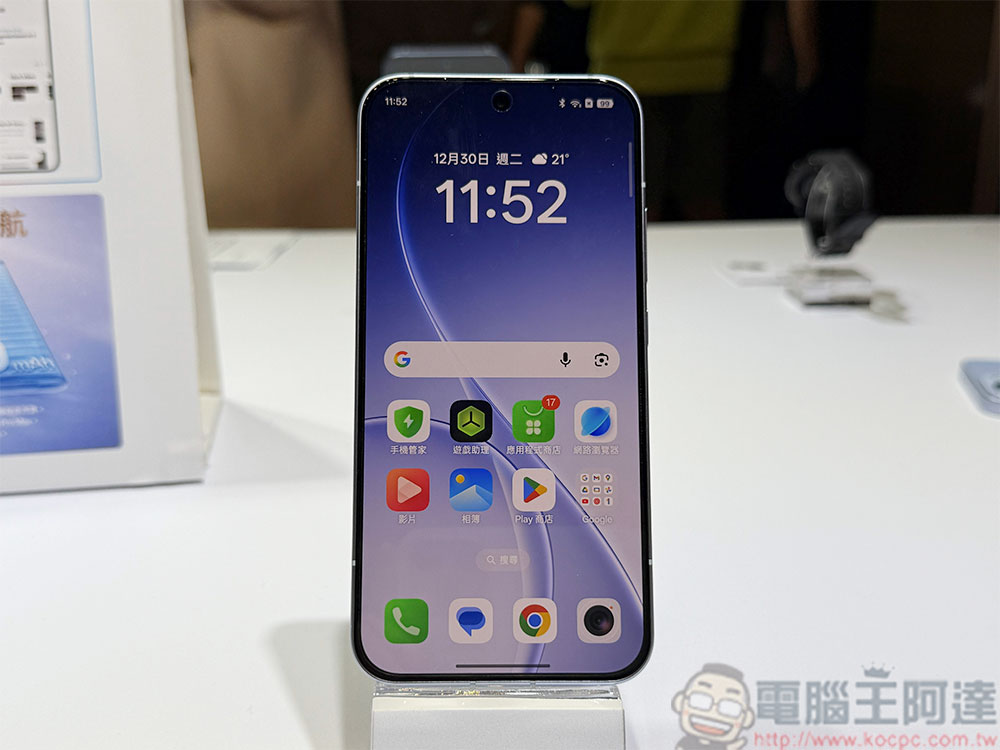
To understand where these exaggerated numbers come from, we have to start with how the screen works. Mobile phone screens are made up of millions of pixels, and each pixel requires electricity to emit light. When the entire screen appears white, all pixels must work at the same time, and power is evenly distributed to each pixel, so the overall brightness is limited. Even the best phones today typically have full-screen brightness between 1,000 and 1,600 nits. But when the screen only needs to light up a small number of pixels, the situation is completely different. Taking HDR content as an example, only a few areas in the screen need to reach very high brightness, and the phone can concentrate all the power on these pixels, making them burst into extremely high brightness instantly. These “small area brightness” can easily reach 4000 or 6000 nits, and are highlighted by manufacturers on the packaging boxes and advertisements, as if the entire screen can achieve this brightness.
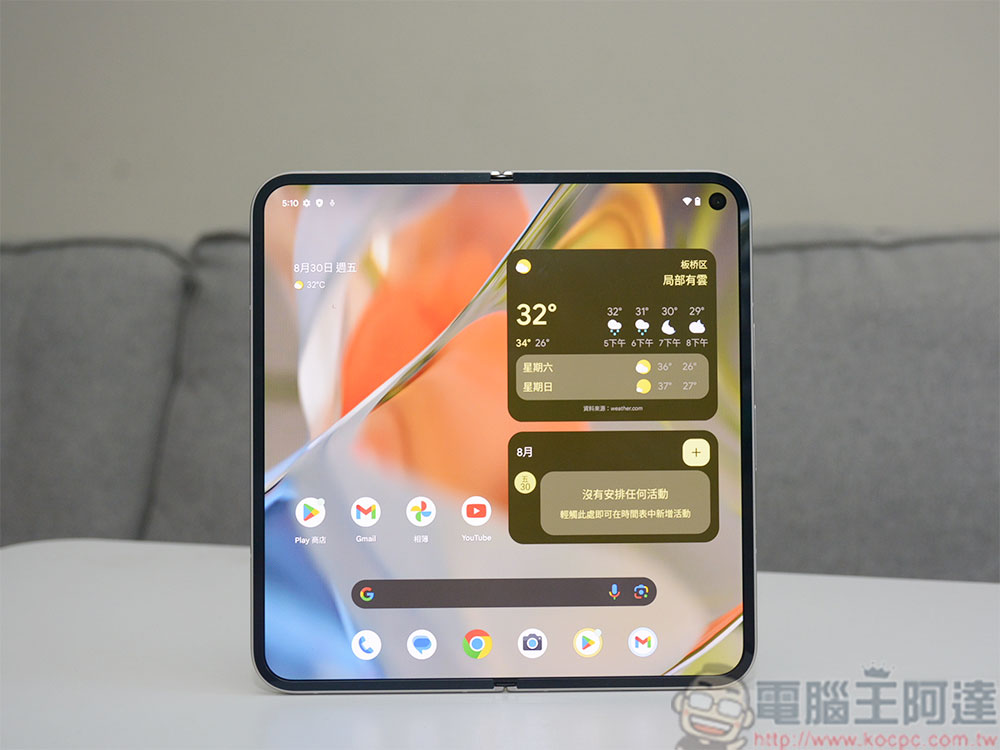
However, these peak brightness levels simply cannot be maintained for long periods of time, nor can they be applied to the entire screen. Even if you could force the entire area of the screen to hit 6,000 nits, you definitely don’t want it to. The reason is simple: the higher the brightness, the faster the power is consumed and the more heat is generated. OLED screens are extremely sensitive to temperature. Exposing them to high brightness for a long time is like running a car engine over the red line. It will not only accelerate aging, but may even directly burn out the screen material. Battery life is another real issue. If the screen were really running at full 6,000 nits of brightness, your 5,000mAh battery might not last even one episode of Netflix. This level of brightness is completely impractical for daily use and no one would need it.
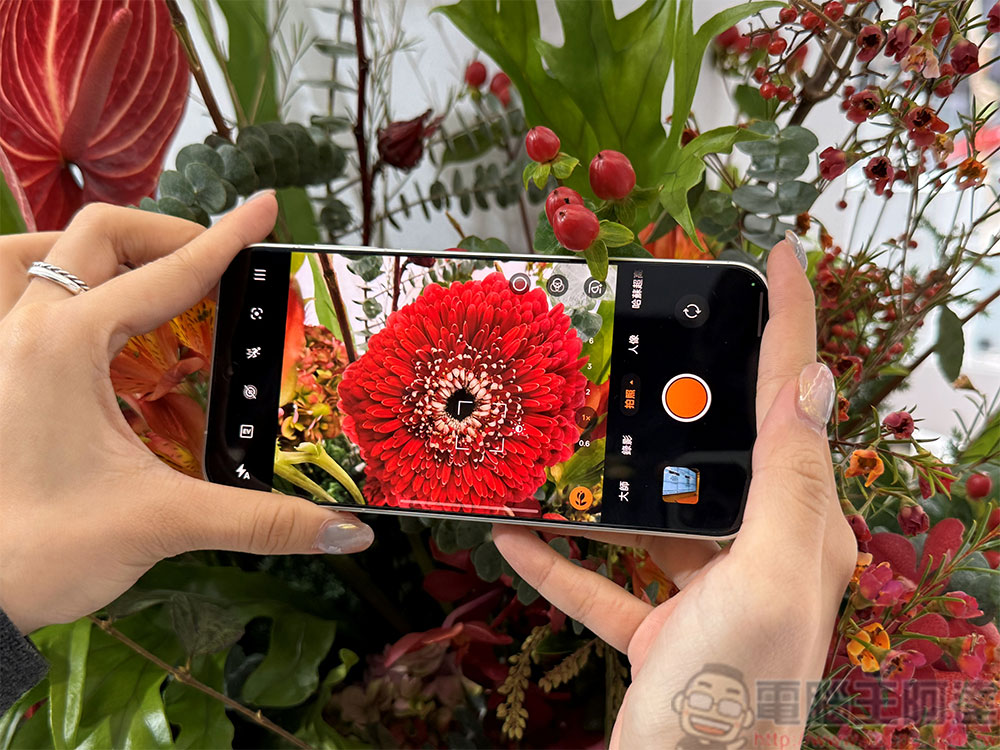
This situation is reminiscent of the pixel myth from more than ten years ago. At that time, when you walked into a mobile phone store, the salesperson would tell you that this cheap phone had 8 million pixels, which was as high as an iPhone. It sounds tempting, but the photos taken are always blurry, noisy, and have poor details. The reason is not the pixels, but the photosensitive element is too small. Today’s “nit war” is essentially the same as the pixel war of the past: manufacturers infinitely magnify an easily quantified number, but ignore the factors that really affect the user experience.
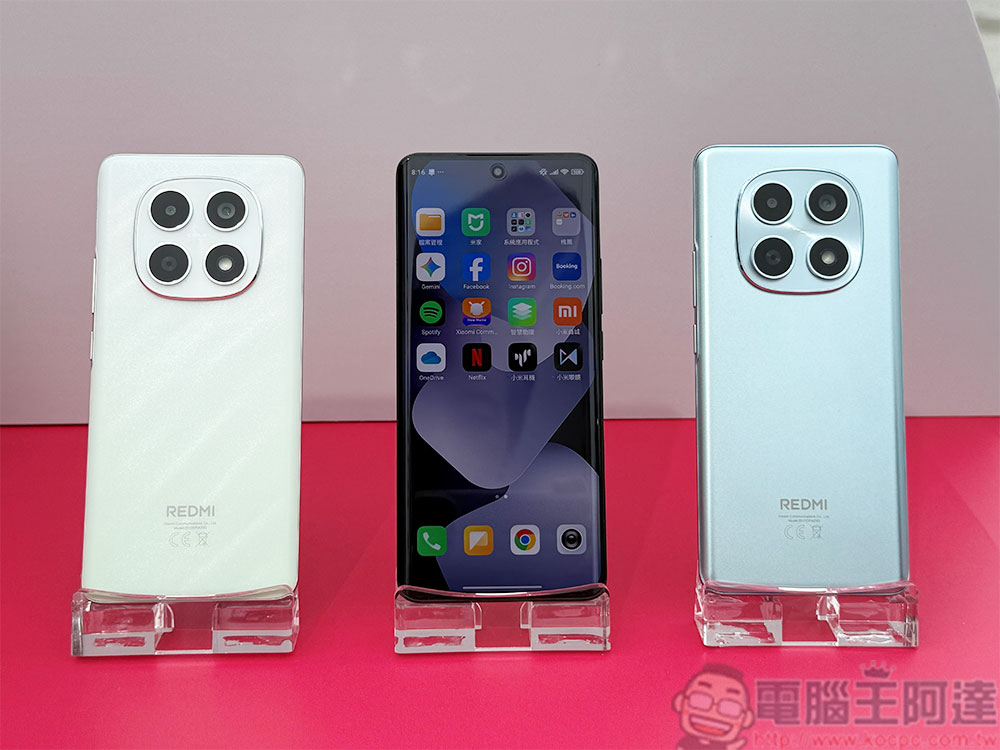
In fact, the readability of the screen does not only depend on the peak brightness. Reflectivity, contrast, color management, ambient light sensor adjustment, anti-reflective coating, etc. are all more important than the exaggerated nit number. This is why Apple and Samsung’s flagship phones, even if they don’t have the brightest peak brightness on the spec sheet, are often easier to read, more comfortable, and more stable in actual use. Brightness numbers can be exaggerated, but the experience cannot be faked. When we once again see manufacturers using exaggerated numbers to attract attention, perhaps we should remember: What really matters is never the highest number on the specification sheet, but whether the screen is clear, natural, durable, and comfortable when you pick up your phone every day.
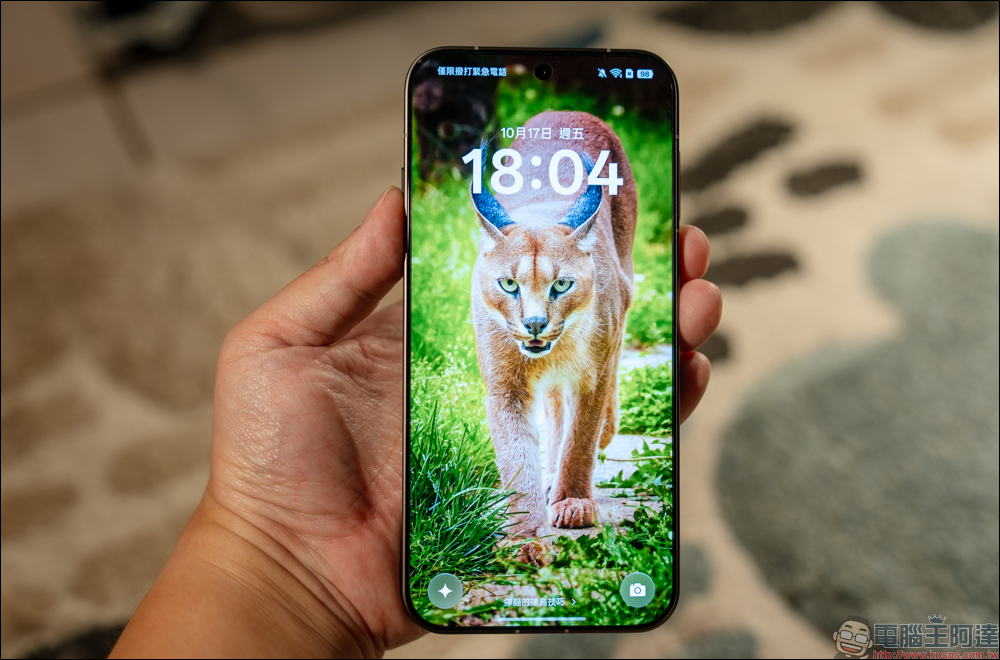
If 6,000 nits of peak brightness is just a marketing gimmick, what should we really be looking at when picking a phone? For those who stare at the screen for a long time every day, I can say with certainty: the key characteristics that really determine the quality of a screen are often not the numbers that will be used as promotional highlights. Many factors that affect the user experience are actually much more low-key, but their importance far outweighs the exaggerated peak brightness.
- The importance of anti-reflective glass
The reason why high-end mobile phones can maintain good readability in sunlight is not because of the brightness of 6000 nits, but because of the use of better anti-reflective glass. When the screen surface can effectively reduce reflection, you don’t need to push the brightness to the limit and the picture is still clearly visible. This improvement is an actual improvement that you can feel every day, rather than just a number that exists on the specification sheet. - LTPO and adaptive update rate
Another key that is easily overlooked is the screen refresh rate management method. The high refresh rate of 120Hz does make operation smoother, but if the screen is always running at the highest speed, the battery will be drained quickly, which is the reason for the existence of LTPO technology. LTPO allows the screen to automatically drop to 1Hz when displaying static images, and only increases the refresh rate when smooth animation is required. This not only saves power, but also avoids unnecessary heat generation, allowing the phone to remain stable even after long-term use. - Color accuracy is more important than saturation
Many screens deliberately make the colors bright and saturated to look “pleasing”, but this does not mean that their display quality is good. A truly great screen should be able to faithfully represent the photos and videos captured by the camera, rather than pushing all colors to extremes, which is why the Delta E value is important. It is a measure of color accuracy. The lower the value, the closer the screen can present colors to the real world. For people who like to take pictures, retouch pictures, or pursue visual quality, this is more worthy of attention than exaggerated brightness numbers.
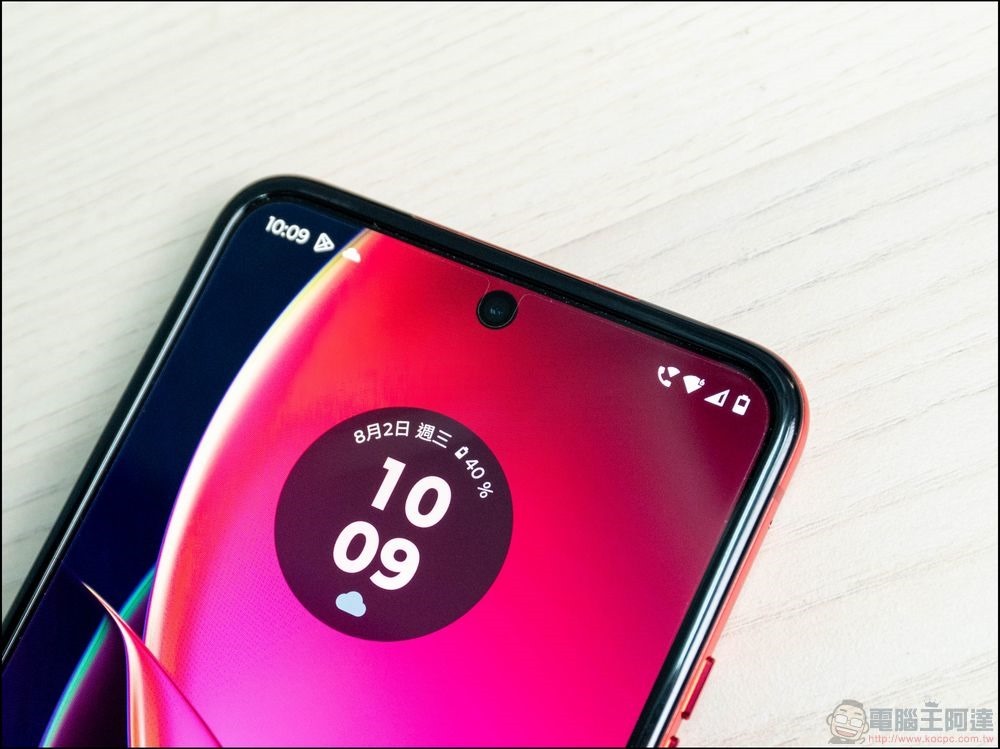
When used outdoors, the screen needs to be bright enough to withstand direct sunlight, and generally speaking, a full-screen brightness of 1,000 to 1,500 nits is enough for most situations. Beyond this range, the help for daily use is actually very limited, because you will not adjust the screen brightness to extremes for a long time, nor will you need the entire screen to reach HDR peak brightness. When purchasing a mobile phone, don’t be led away by the huge numbers on the specification sheet. Numbers such as brightness, pixels, contrast, and update rate are important, but they do not fully reflect the actual experience. What really affects your daily use experience is often not the extreme values that are amplified and publicized, but the details that silently improve the experience. A better approach is:
- Find the use cases that matter most to you
- Learn which screen technologies actually improve these situations
- Choose a mobile phone that is stable and mature in these aspects
Source: KOCPC Chinese