


“District 9” director Neill Blomkamp July 20announced on XBarley Studios, a new studio dedicated to making AI-generated films, has been launched. The first work “NIGHTBORNE” released simultaneously is a 13-minute sci-fi horror short film. All images are generated through the byte-beating Seedance 2.0 model. Blomkamp said that he has been experimenting with AI technology for many years and is now preparing to use this format to shoot a full-length film.
NIGHTBORNE: The story of a mechanical zombie in the form of a mockumentary
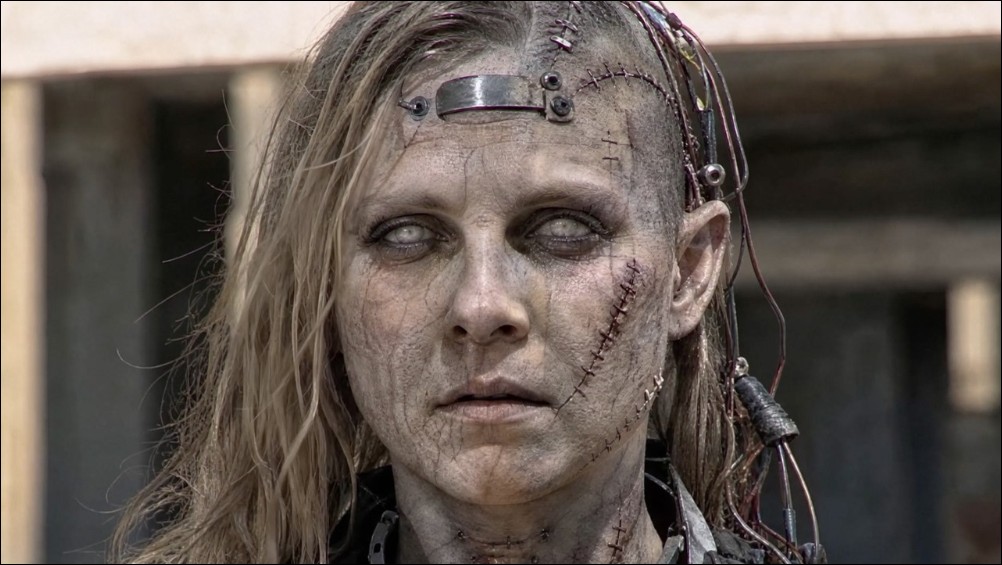
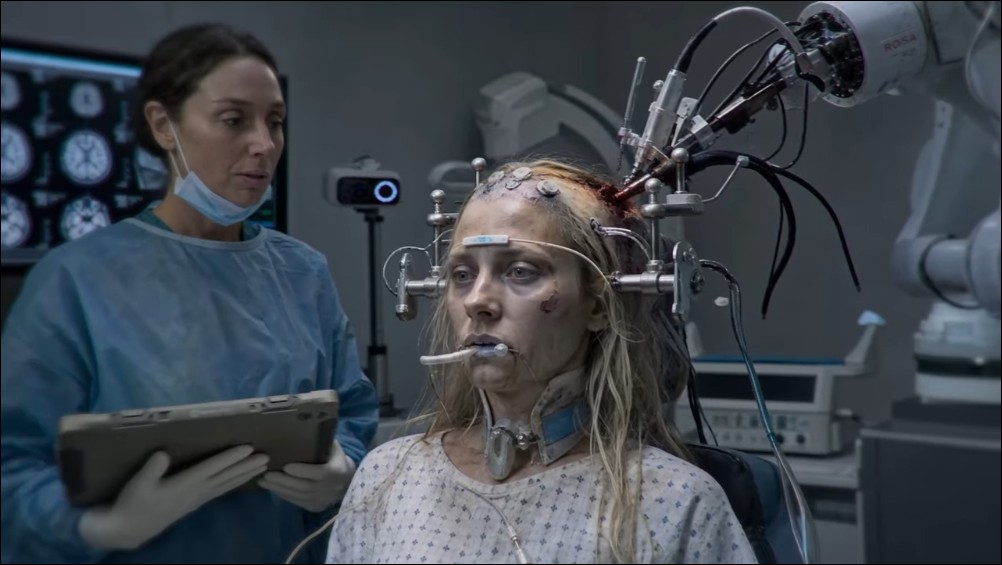
“NIGHTBORNE” is told in a mockumentary style, telling the story of a U.S. Army pilot who was shot down over Syria and was declared dead, but his husband was buried in an empty coffin. The investigation revealed that the U.S. government secretly recovered the bodies of fallen soldiers and transformed them into zombie-like super soldiers by implanting chips. The idea for the story comes from the 2014 novel “Echopraxia” by Canadian science fiction writer Peter Watts.
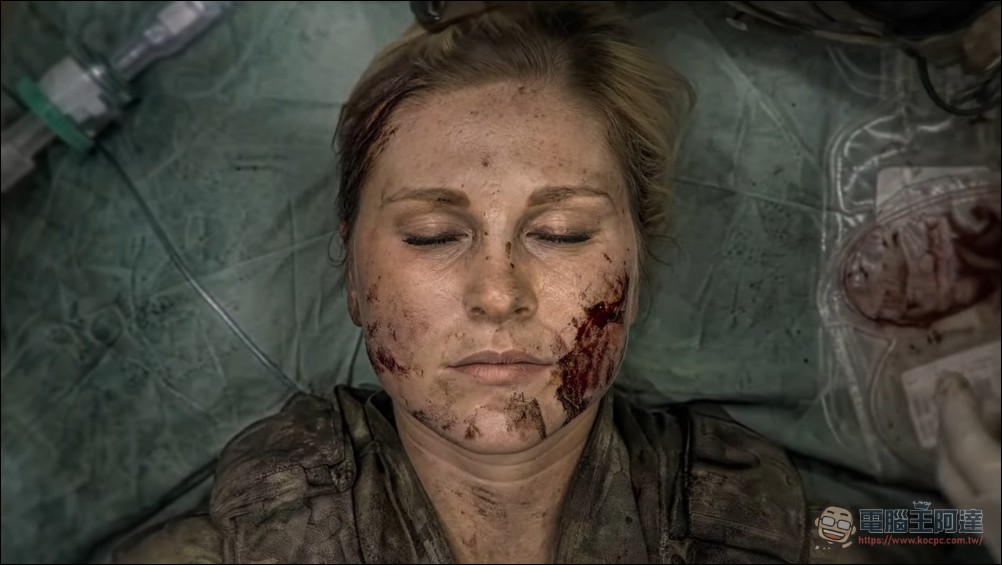
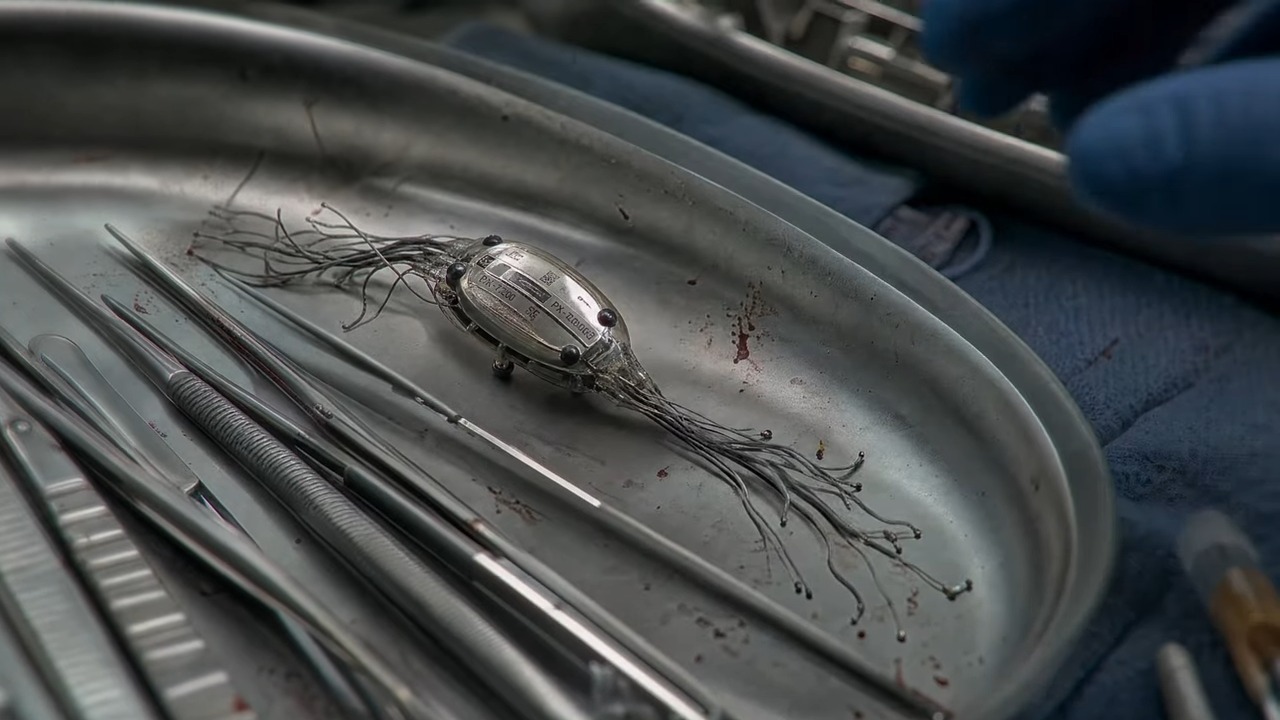
The production method of this short film is completely different from traditional movies. Blomkamp guided the generation of each shot one by one through prompt words, using the Seedance 2.0 model to generate all dynamic images. The faces and voices of the characters in the film come from 32 real people, all of whom signed permission forms allowing Blomkamp to use their likenesses and voices. Concept art is by human artists Nikolas Gekko and Werner Pretorius, editing is by Austyn Daines, and producers include Blomkamp’s long-time collaborator and Zone 9 co-writer Terri Tatchell.
Blomkamp’s Rebel Road: From Halo to AI
To understand why Blomkamp embraced AI, one must look back to his time in Hollywood. His career is almost a case of being “blocked by barriers”. He was originally selected by Peter Jackson to direct the movie version of “Halo”, but the development project by Universal Pictures was eventually canceled. The compensation opportunity became The 9th Zone (2009), made on a budget of about US$30 million (approximately NT$975 million) and nominated for four Oscars, including Best Picture.
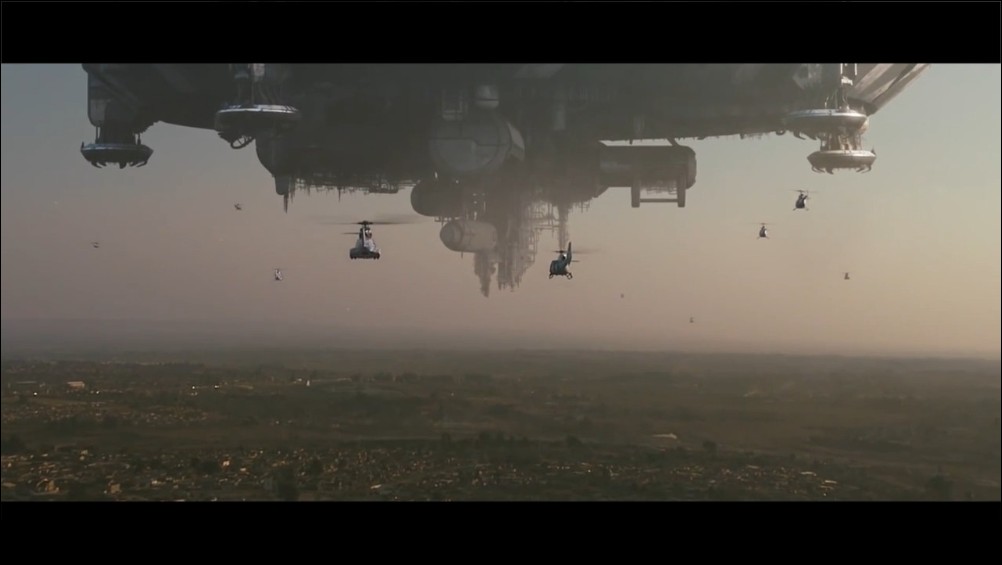
The following “Elysium” (2013) and “Chappie” (2015) were both mid- to high-budget science fiction films, but their box office performance was not satisfactory. Then there was the sequel to “Alien” that he had been preparing for a long time. The concept design received a lot of reposts and discussions on social media. Sigourney Weaver also agreed to return. Fans were looking forward to it, but it was eventually shelved by Fox Pictures.
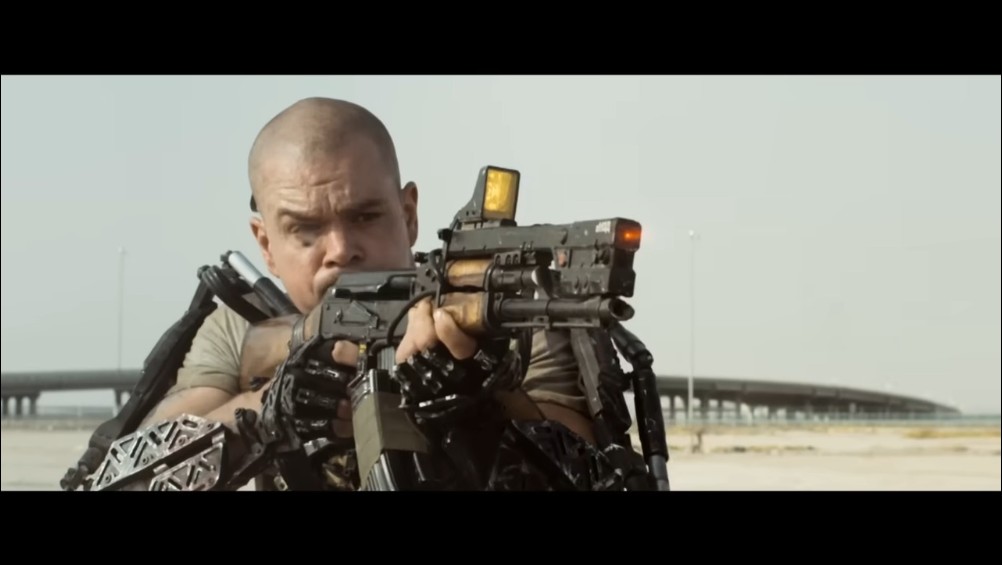
In 2017, Blomkamp established Oats Studios to release experimental science fiction short films (“Rakka”, “Firebase”, “Zygote”) for free on the Internet, trying to make films outside the system. For Blomkamp, the statement that “friction disappears” is particularly convincing. Two of his most famous films are works he was never allowed to make. “Halo” died on the negotiating table between studios, “Alien 5” died in the boardroom. And “NIGHTBORNE”, no matter how the audience evaluates it, cannot be stopped by anyone.
A three-stage experiment from Oats to Barley
Barley Studios isn’t Blomkamp’s first attempt to disrupt the filmmaking process with new technology. In 2017, Oats Studios collaborated with the Unity game engine to produce “ADAM: The Mirror” and “ADAM: Episode 3” using real-time rendering technology. The entire process was completed in real-time rendering in the Unity engine, replacing traditional offline rendering. It took a team of around 25 people at the time six months to complete, using photogrammetry and digital human technology to replace live sets and actors.
Blomkamp’s journey is organized into three stages: traditional visual effects (Oats short film) → real-time CG (ADAM series) → generative AI (Barley). Each step requires less manpower and budget than the previous one. Oats needed a VFX studio-sized roster of artists, while Barley only needed a film model, a model license agreement, and a handful of collaborators to release 4K footage directly on YouTube, without going through a studio, a distributor, or any review meetings.
Seedance 2.0: The technology that makes it possible
The Seedance 2.0 used in “NIGHTBORNE” is a video generation model launched by ByteDance in early 2026, which uses a native audio and video synchronization generation architecture. Unlike traditional models that process images and sounds separately, Seedance 2.0 uses a single model to simultaneously generate related images and audio. The system accepts text, images, audio and video as input, and this multi-modal design allows directors to provide visual references, performance materials and written instructions simultaneously.
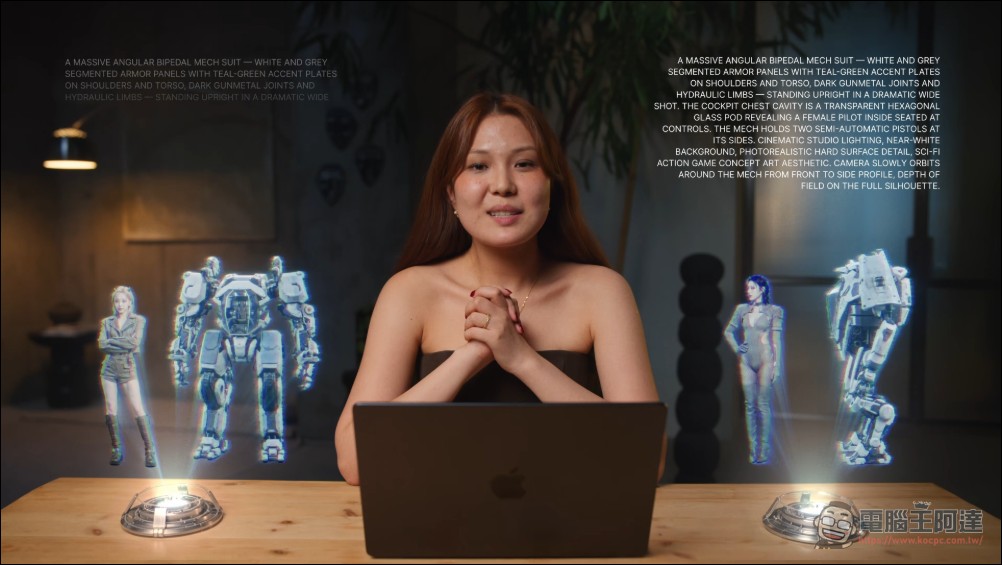
好萊塢危險了?K-POP AI怪獸機甲片「Zephyr」全片使用 Nano Banana Pro 與 Seedance 2.0 製作
The story structure of a mockumentary provides a unique advantage for AI-generated films. Imperfect textures, screen jumps, and compressed image quality would be considered defects in ordinary feature films, but in the context of pseudo-documentaries, they actually increase the sense of reality. Blomkamp’s past visual style preferences (military equipment, damaged bodies, monitor footage, biological mutations, industrial environments) also closely match the areas where generative film currently excels.
Industrial shock: Whose jobs are being replaced?
In the production pipeline of AI-generated films, concept artists become more important, not less, because in a fully generated pipeline, the artist who defines the visual look takes on a more central role. Editors and producers are equally indispensable, and taste, structure, and rhythm cannot be produced directly from models. The “prompt-director” has become a proven craft.
The biggest impact is on the physical production side: the camera team, lighting technicians, location department, stunt team, and a large number of traditional visual effects positions. The above-mentioned positions originally required the workload of hundreds of people and were indispensable in a normal shooting, but they can be replaced by prompt words and model iteration in the generative pipeline. When the distribution channel becomes YouTube upload, the scarce resource is no longer the studio’s funds, but the audience’s attention, and the roles of marketing, community management, and audience cultivation become more valuable.
The entire film “NIGHTBORNE” is 13 minutes long and can be watched on YouTube. It is recommended that you watch:
Blomkamp isn’t the only Hollywood director embracing AI. In May 2026, at the “AI on the Lot” event held by Amazon in Hollywood, Gareth Edwards, the director of “Rogue One” and “A.I. Creator”, expressed great enthusiasm for generative AI, saying that it “obviously could be a tool on the same level as a camera” and described the experience of using the diffusion model as “like having an assistant director who is a billionaire on LSD” and an infinite iteration engine.
Conclusion
“NIGHTBORNE” demonstrates a new production organizational structure. A well-known director looked at the current state of the film model and concluded that the best structure for the next decade was a small studio with a handful of human collaborators, licensed portraits, and a direct pipeline to the audience, then demonstrated the unit economics with a 13-minute film and announced that a feature project was in the works. Whether audiences will accept a movie entirely generated by AI remains an open question, but Blomkamp has pushed the door open.