


The U.S. Supreme Court made an important ruling on Monday, local time, refusing to accept an appeal on whether “artificial intelligence-generated artistic works can obtain copyright protection.” It upheld the previous ruling of the lower court:AI-generated works are not eligible for copyright protection. This decision means that under the current U.S. legal framework, artistic works that are entirely generated by artificial intelligence systems and lack human creative participation will not be able to obtain copyright registration and protection.
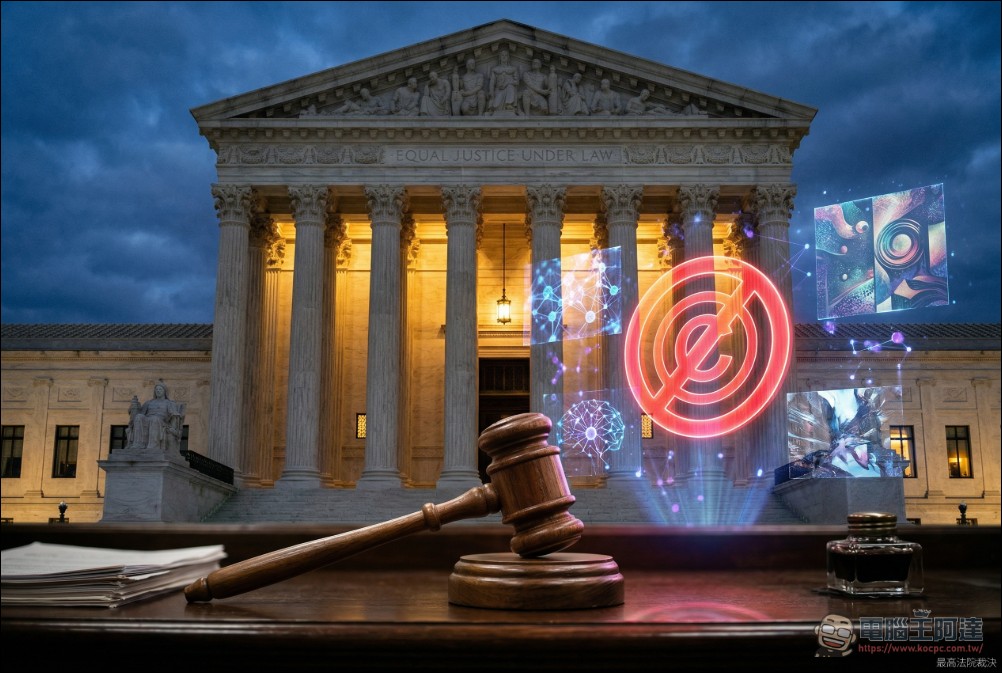
The U.S. Supreme Court issued a final ruling: Purely AI-generated works are ineligible for copyright protection
The protagonist of the lawsuit is Stephen Thaler, a computer scientist from Missouri. In 2018, he applied to the U.S. Copyright Office to register copyright for an image titled “A Recent Entrance to Paradise” in the name of an algorithm system he developed called “DABUS.” This image shows train tracks entering an entrance surrounded by images of green and purple plants. The Copyright Office first rejected his application in 2019, and then confirmed again in a review in 2022 that the image did not contain creative elements of a “human author” and therefore did not meet the basic requirements for copyright protection.
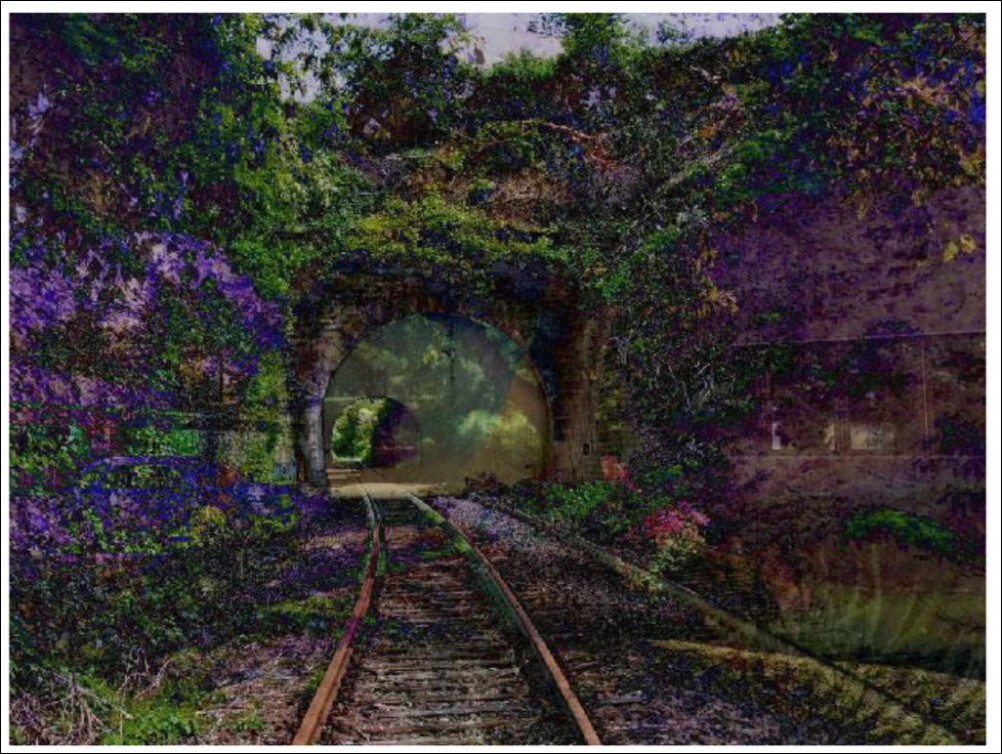
Thaler then took the Copyright Office to court in an attempt to overturn this finding through judicial means. In 2023, U.S. Federal District Court Judge Beryl A. Howell clearly stated in his judgment: “Human authorship is a cornerstone requirement of the copyright system”. That ruling was upheld in 2025 by a federal appeals court in Washington, D.C., which held that AI-generated works that lack a human creator cannot be copyrighted.
Supreme Court’s final ruling
In October 2025, Thaler appealed to the Supreme Court, arguing that the ruling had “creative consequences for all those who wish to use AI in creative ways.”chilling effect”. He stressed that the case was of “extreme importance” given the rapid rise of generative AI. However, the Supreme Court’s decision on Monday not to accept the case was tantamount to “seal confirmation” of the lower court’s position. Thaler’s lawyers have warned: “Even if the Supreme Court overturns the Copyright Office’s test standards in another case in the future, it will be too late. The Copyright Office will have an irreversible negative impact on the development and use of AI in the creative industries in a critical few years.”
The federal government also urged the Supreme Court not to accept Thaler’s appeal. The government’s position is clear: “While the copyright law does not define the term ‘author,’ various provisions of the law make it clear that the term refers to a human being and not a machine.”
Copyright Office Supplementary Guidance
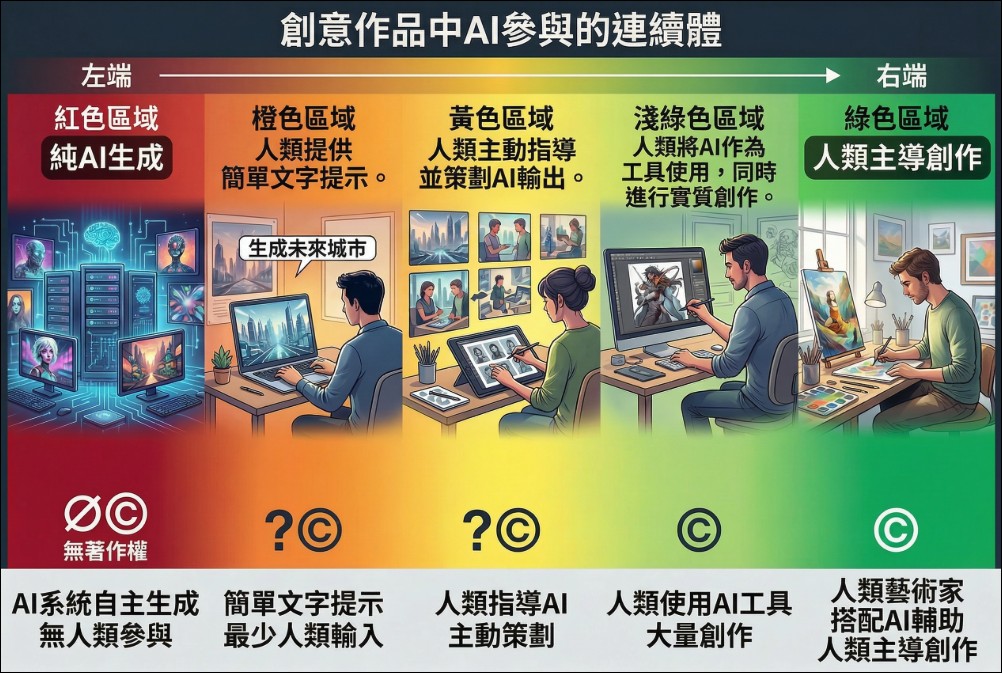
At the broader regulatory level, the new guidance issued by the U.S. Copyright Office last year also provides additional explanations on related issues. The guidelines clearly state:AI images or other works generated based on text prompts do not themselves enjoy copyright protection; Only those parts that reflect sufficient “human creative contributions” may be recognized as copyrights.
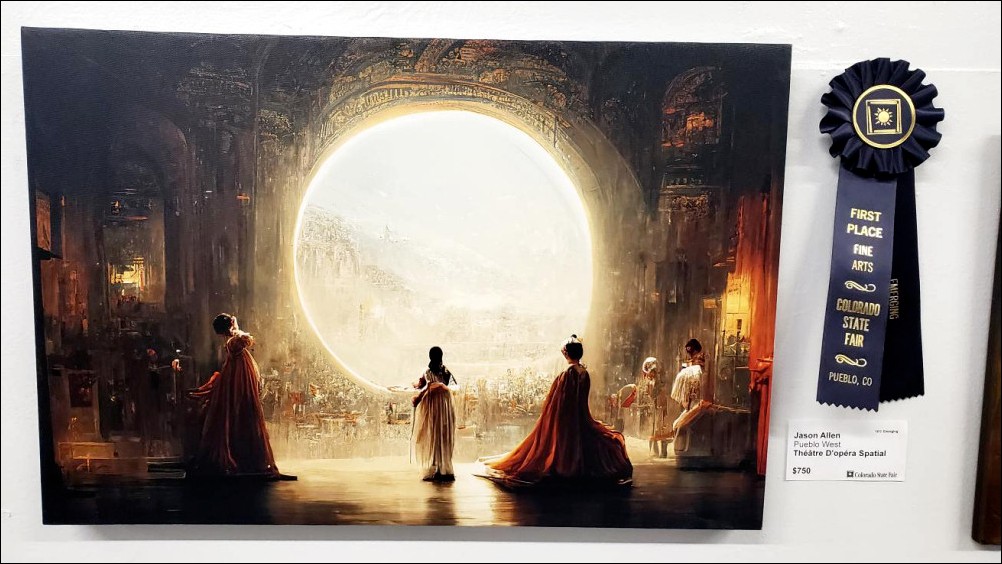
Notably, the Copyright Office also rejected an artist’s application to register copyright for images generated using the Midjourney AI system. The artists argue that, unlike in the case of Seiler, who claims his system DABUS created A Recent Entrance to Paradise entirely independently: the images they created with AI assistance should be eligible for copyright.
Same position in the field of patents
This is not the first time Thaler has launched a legal challenge on AI issues in the field of intellectual property rights. Previously, the U.S. Court of Appeals for the Federal Circuit had ruled that AI systems cannot be listed as patent inventors because they are not “people.” New guidance issued by the USPTO in 2024 also reiterates this position, requiring that only humans be listed as inventors in patent documents, but recognizing that humans can use AI tools as an aid in the invention process.
The Supreme Court’s refusal to accept the AI art copyright case is mutually corroborating that the United States adheres to the basic framework of “human creators/inventors” in its two major intellectual property rights systems, copyright and patents.
Impact on the AI industry
This ruling by the U.S. Supreme Court may have a profound impact on the rapidly developing AI industry and may serve as a reference case for courts in other countries to make decisions when facing similar disputes in the future. As generative AI technology becomes more prevalent, creators and businesses need to rethink how to protect the work of their AI-assisted creations. Experts point out that to obtain copyright protection, human creators must make substantial creative contributions in the creative process. Simply entering text prompts and letting AI generate images cannot meet the “human author” requirement for copyright protection. This also means that new legal frameworks and business models may need to be developed in the future to respond to intellectual property rights challenges in the era of AI creation.
Source: KOCPC Chinese