


As previously leaked, OpenAI has actually launched the around-the-clock AI agent dots, going head-to-head with competitors Meta Muse and Grok Bot. Unlike the back-and-forth Q&A in ChatGPT, dots is an AI agent that “works on its own.” It has its own cloud computer and browser, can connect to more than 4,000 apps, and will keep working even when you’re away.
More importantly, the Pro and Business Premium plans currently include the first dot at no additional cost.
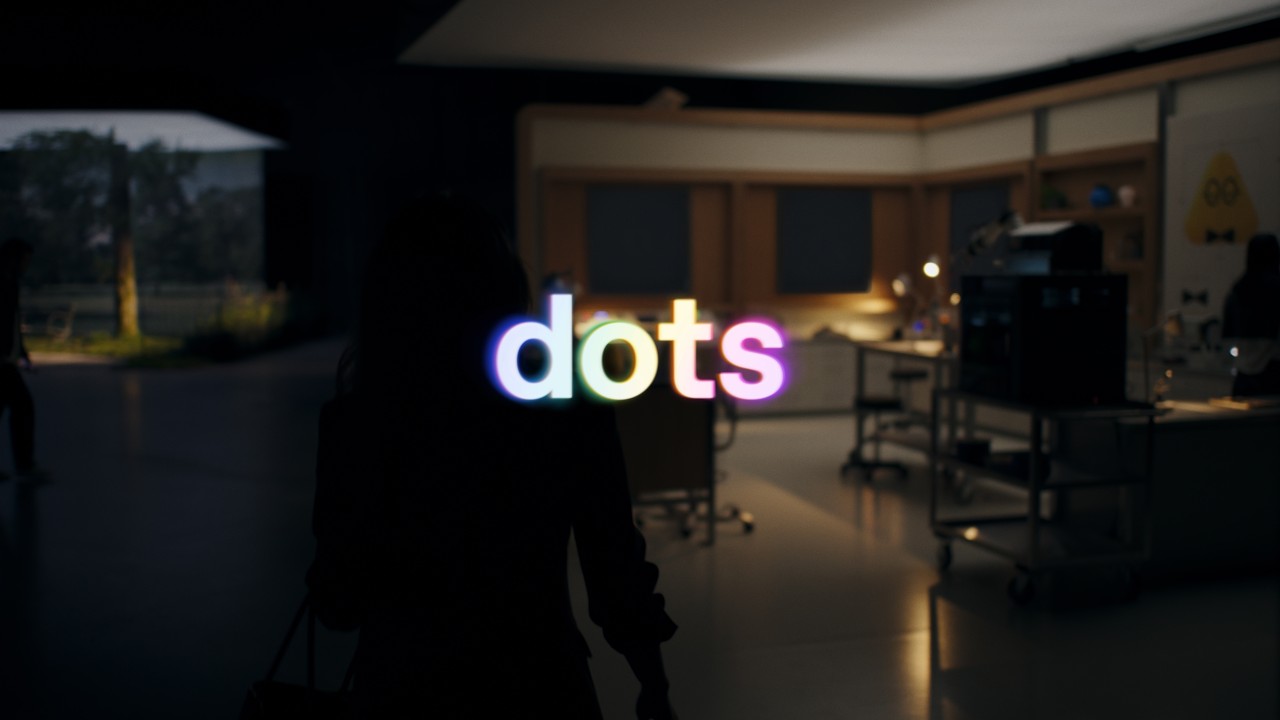
OpenAI dots officially debuts: a 24/7 AI agent powered by GPT-6 Astra, with its own cloud computer and integration with 4,000 apps—Plus users will have to wait a little longer.
Earlier, at its DevDay 2026 developer conference, OpenAI officially announced the launch of dotsdots is an AI agent built into ChatGPT, powered by OpenAI’s current flagship model GPT-6 Astra, and officially positioned as “an exceptionally capable, around-the-clock agent.”
Each dot has its own cloud computer and its own browser, and can also connect to more than 4,000 apps through OpenAI’s plugin ecosystem.
Sam Altman described dots as “like an AI assistant that always has your back, inspired by the cool versions we saw in movies when we were kids,” and mentioned that you can hand large tasks off to it the way you would delegate work to a highly proactive engineer or chief of staff.
The biggest difference between dots and a regular ChatGPT conversation is that it keeps running.
In other words, after dot takes on the task you give it, it will gradually make progress on its own on a cloud computer and can handle multiple projects at the same time. You don’t need to open a bunch of separate conversations to manage them, or give step-by-step instructions. It will also remember your preferences, the way you work, and your standards for what counts as a good result, meaning that the longer you use it, the better it will understand you.
In addition, dot can also “actively research.”
When you’re not interacting with it, dot checks your connected apps in the background to look for ways it can help. OpenAI shared an example from an early tester: his dot noticed he had forgotten to invoice a publication, so it prepared the invoice and sent it after he approved.
OpenAI is already using it internally, too. For example, when someone reports a bug on Slack, dot starts investigating on its own. When new design mockups come in, dot also turns them directly into a working app.

You can think of it as a “digital employee with its own computer.” It has a dedicated identity for managing access permissions, and you can open dot’s cloud computer at any time to see what it’s doing. If authorized, it can also connect to your laptop and help directly in your work environment.
Here is a quick comparison of how we differ from our competitors:
| Item | OpenAI dots | Meta Muse | Google Gemini Spark | Grok Bot |
|---|---|---|---|---|
| Publication time | September 29, 2026 | September 8, 2026 | Google I/O 2026 (May) | August 11, 2026 (Beta) |
| driver model | GPT-6 Astra | Meta Muse model | Gemini 3.5 | Automatic routing, undisclosed model |
| Operating environment | Dedicated cloud computer + browser, with the option to connect to your computer | Muse Secure Virtual Machine + Browser | Google Cloud virtual machine + Chrome | Dedicated cloud computer; log in directly to the website to use it. |
| How to delegate work | ChatGPT, Slack, Teams, voice calls (SMS gradually rolling out) | iOS, Android, web (WhatsApp planned) | Gemini App, dedicated Gmail address | Messaging on desktop and mobile apps (macOS, Windows, Linux, iOS) |
| Available options | Pro, Business Premium (first dot free), Enterprise beta | Free, with monthly $20/$100 plans available as well. | Google AI Ultra | SuperGrok Heavy ($300), Cursor Ultra ($200), Cursor Premium Teams ($120 per person) |
| Open Area | Pro excludes the European Economic Area, Switzerland, and the United Kingdom. | United States | United States | Global |
So how are dots actually used?
It’s simple: first, create your dot in the ChatGPT desktop app or the ChatGPT web version in a computer browser. You can’t create it on mobile yet, and mobile browsers aren’t supported either. Follow the guided flow, give it a name, choose a character look (you can also choose a pet, and dot will even generate one for you), connect the apps you want it to use, and finally have it introduce itself—then setup is complete.
Assigning tasks is just like chatting—just describe what you want it to do, for example, “Check my calendar every morning and tell me what’s on my schedule today,” “Research this topic for me,” and “Remind me next week to renew.”
To help everyone quickly understand what dots can do, OpenAI also provided several use cases.
- The developer’s dot will notice recurring requests in customer feedback, define the scope of what needs to be fixed, implement and test it, and finally hand you a complete Pull Request for review, along with a video demonstrating the changes.
- For those responsible for product launches, dot automatically revises launch materials and document drafts when the product scope changes.
- The scientist’s dot will rerun the analysis when it gets new data, update the figures in the paper, and flag the places you need to look at yourself.
- The sales manager’s dot cross-references customer requirements with product documentation, identifies untested items, conducts proof of concept, and even recommends engineers who have handled similar cases.
- For content creators, dot, meanwhile, will select segments from interview transcripts that are suitable for short videos, organize episode notes, and draft social media posts for your approval.
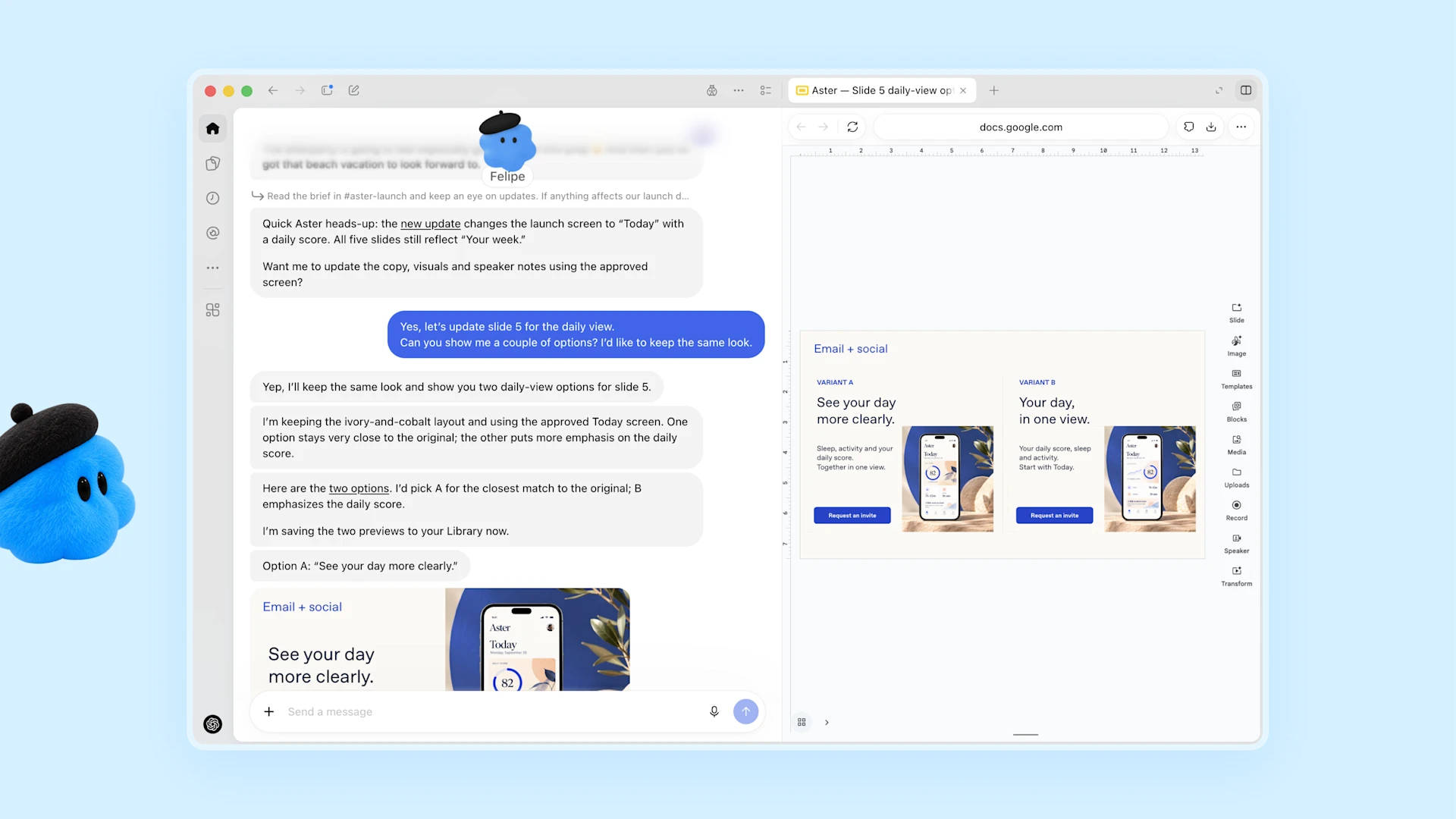
Of course, OpenAI has also added multiple layers of security protection to dots. This includes: each dot runs on its own cloud computer, and unless the user actively connects it, it remains separate from the user’s local machine and its contents. When logging into websites, it uses “secure login,” and credentials do not enter the model context. When dots proactively research in the background, they can only read data and cannot send emails, modify content, or operate the computer on their own, etc.
Starting September 29, dots will gradually become available on ChatGPT web, desktop, and mobile, for:
- Pro user:Open regions exclude the European Economic Area, Switzerland, and the United Kingdom.
- Business Premium users:Available in all regions supported by ChatGPT.
- Enterprise users (including Edu, Healthcare): Beta version, disabled by default, must be manually enabled by a workspace administrator.
Pro and Business Premium plans already include the first dot, so there’s no extra charge, and they also include an allowance for more in-depth work. A higher usage limit will be available in the first month after launch, and during this period, dots usage won’t count toward the existing allowance of eligible plans. Usage rules for each plan will be announced later.
Chatting with dot won’t count against your ChatGPT usage limit either, but if you ask dot to start tasks in Codex or ChatGPT work, those tasks will still be counted as usual. In the future, you’ll also be able to buy more dot, or pay to make a single dot run faster and handle more work per month, though pricing hasn’t been announced yet.
As for ChatGPT Plus users, they were not included in the first wave this time, and OpenAI has not given any timeline for opening it up. The Free, Go, and Plus plans currently do not have dots, and the company only said it will expand to more users later without providing a specific timeline.
Source: KOCPC Chinese