


MWC 2026 was officially unveiled on March 2, coinciding with the 20th anniversary of MWC’s entry into Barcelona. AI’s descent from the cloud to terminals and breakthroughs in space communication technology have become the most anticipated new technologies at MWC 2026. Among them, the “Direct to Cell” (D2C) technology is expected to enter a full-scale explosion period from the experimental stage in 2026. Taiwan is constrained by SpaceX’s unwillingness to cooperate in launching in Taiwan. Not only is the existing first-generation Starlink satellite service unable to provide services in Taiwan, but the “Direct to Cell” satellite service is also a hopeless one. However, Taiwan Mobile recently announced at MWC 2026 that it has signed a “Low Orbit Satellite Communication Service Strategic Cooperation Memorandum” with AST SpaceMobile, so that Taiwan’s provision of Direct to Cell (D2C) satellites is no longer a distant dream!
What is “Direct to Cell, D2C”? Who is AST SpaceMobile? What is the difference between ASTS and SpaceX’s Starlink? Here is an explanation and analysis:
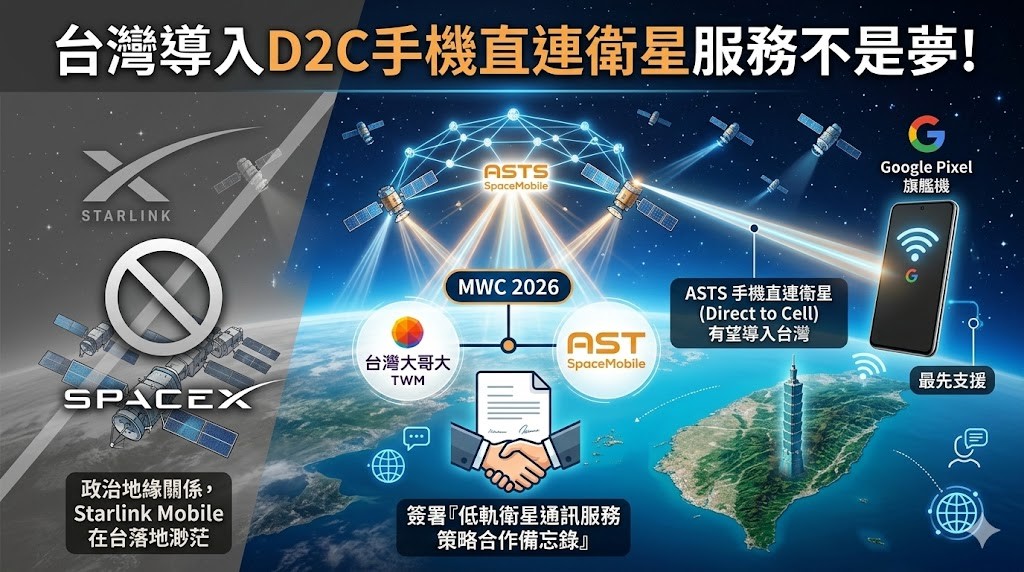
MWC 2026 announced breakthroughs in satellite communication technologies such as D2C mobile phone direct connection to satellites, 5G non-terrestrial network (NTN)… and other satellite communication technologies. With the start of operation of Starlink Mobile, the outside world believes thatSatellite services directly connected to mobile phones will explode in 2026. Taiwan Mobile announced the signing of a memorandum of cooperation with AST SpaceMobile, giving a clue to the launch of “D2C mobile phone direct satellite” in Taiwan. The following is a summary video and detailed description of Taiwan’s introduction of D2C mobile phone direct satellite satellite prospects:
1.What is Direct to Cell (D2C)?
“Direct to Cell” is a technology that allows commonly available 4G/5G smartphones to directly connect to low-orbit satellites to provide text, voice and data services without the need for special hardware, firmware modifications or installation of special software.
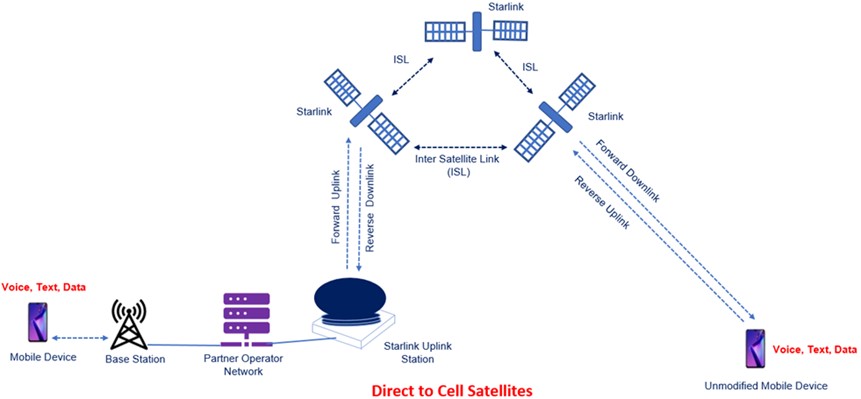
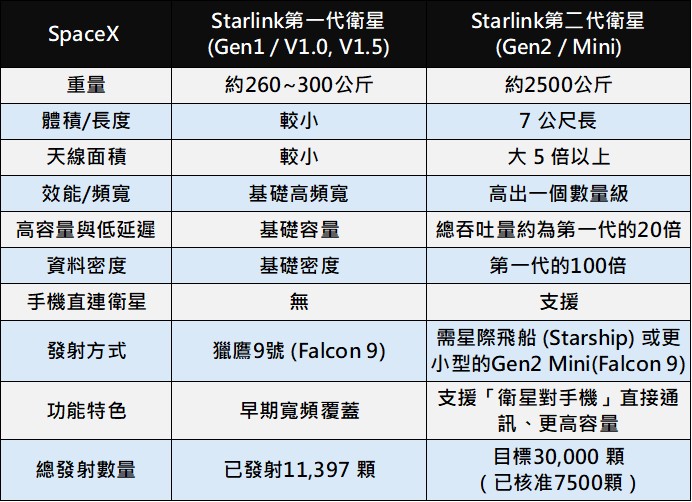
Although Apple launched the satellite SOS function as early as iPhone 14, the “D2C mobile phone direct connection to satellite” function only provides the ability to send SOS text messages and has not caused a craze. As SpaceX recently officially renamed the Starlink Direct to Cell service to Starlink Mobile, it announced that the Starlink Direct to Cell service has provided services in more than 32 countries. It has successfully connected at least more than 13 million people, supports more than 40 applications, and is compatible with more than 100 devices. In the future, the service will also support more functions such as video calls, streaming video, and email. plusThe U.S. Federal Communications Commission (FCC) announced on January 9, 2026 that it has officially approved SpaceX’s application to deploy 7,500 second-generation Starlink satellites, which will provide complete mobile network coverage for “areas where mobile communications have never been thought of through satellites in the past.” It is expected to promote the explosion of “D2C mobile phone direct-to-satellite” services.
The following is a comparison of the differences between SpaceX Starlink’s first-generation satellites and its second-generation satellites:
2.Who is AST SpaceMobile?
AST SpaceMobile (ASTS) is a publicly traded satellite designer and manufacturer headquartered in Midland, Texas, USA. Compared with SpaceX’s Starlink first-generation satellites, which require ground receivers (Dish), ASTS was established to build base stations in space with the goal of “eliminating signal dead zones (Dead Zones).”
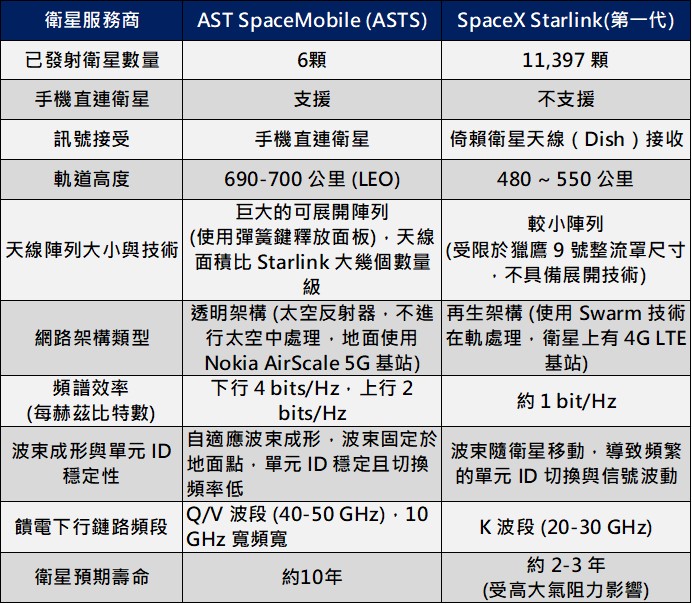
The [BlueBird Satellite] designed by ASTS is located 690 to 700 kilometers in space. When the satellite is deployed, it covers an area of approximately 2,400 square feet. It is like a tennis court flying in space. It can capture weak signals from mobile phones on the ground and send strong signals back to the ground. It is currently the “largest commercial area” communication array in low orbit. The biggest advantage at present is that it has more than 3,000 patents, which solves the “Doppler effect” and “signal delay” problems when satellites are directly connected to mobile phones. However, there are only 6 satellites launched so far, and the scope of coverage and services is relatively limited. We need to accelerate the expansion of the number of satellites!
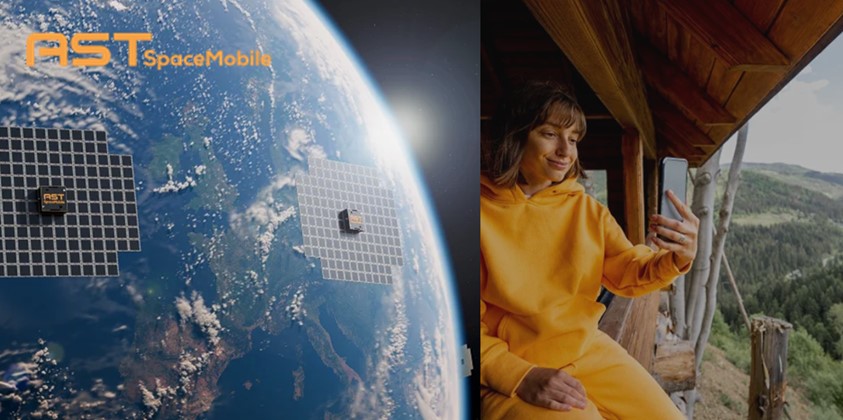
ASTS is a unicorn company in the United States. It is currently considered by the industry to be the biggest stumbling block that threatens SpaceX’s dominance in low-orbit satellites. In addition to receiving support from AT&T and Verizon in the United States, the largest investor mainly comes from Google.
Google continues to invest in ASTS, which is considered by the industry to be an “operating system space war” that allows standard mobile communication devices to maintain connectivity in areas without ground coverage, filling the “coverage gap” in remote areas, at sea, and in disaster or emergency situations. ASTS combines Google Maps and Gemini to ensure that mobile phone users’ data flow is not interrupted due to geographical location, which is helpful for Google’s advertising and AI training. ASTS’s “mobile phone direct connection to satellite” service is expected to become the core selling point of PIXEL mobile phones or Android flagship phones.
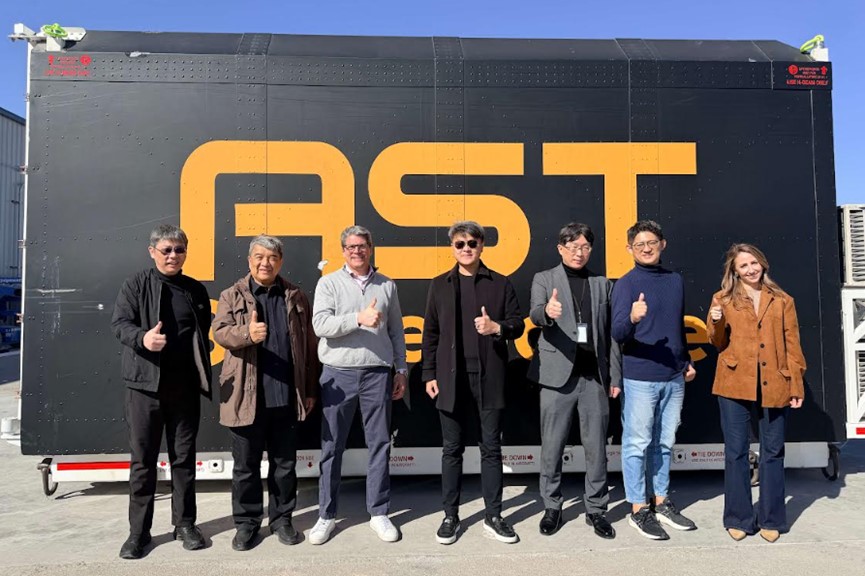
Taiwan Mobile and AST SpaceMobile signed a “Low Orbit Satellite Communication Strategic Cooperation Memorandum”. The direction of the cooperation is to connect the ground satellite stations built by Taiwan Mobile with the AST SpaceMobile space base station to provide a seamless communication architecture that can directly support daily mobile communication devices. Users can experience seamless network services without changing additional communication equipment.
Taiwan’s terrain is diverse, covering mountains, longitudinal valleys, offshore waters, and outlying islands. It is also located in a zone with frequent typhoons and earthquakes. Although the overall mobile communication coverage is at the forefront of international standards, it still needs to continue to strengthen its connection resilience in special geographical environments and disaster scenarios. Under the framework of this cooperation, AST SpaceMobile will assist in the provision and operation of low-orbit satellite mobile communication systems and provide relevant technical resources to integrate with Taiwan’s existing mobile networks; Taiwan University will provide local mobile network support, ground station construction and operation, spectrum planning coordination and regulatory communication, and jointly promote the service in Taiwan.
3. What is the difference between ASTS and SpaceX’s Starlink?
Compared with SpaceX starlink’s operating model, which is B2C, ASTS’s business model is B2B2C, which promotes “D2C mobile phone direct connection to satellite” services by sharing profits with telecom operators. Currently, it has signed contracts with more than 40 telecom operators around the world, including AT&T (United States), Verizon (United States), Vodafone (Europe), Rakuten (Japan), and Taiwan Mobile (Taiwan). In the future, when these contracted users enter the dead zone of the base station signal, the mobile phone will automatically switch to the ASTS satellite, and the roaming charges incurred will be split between ASTS and the telecom provider (usually 50/50).
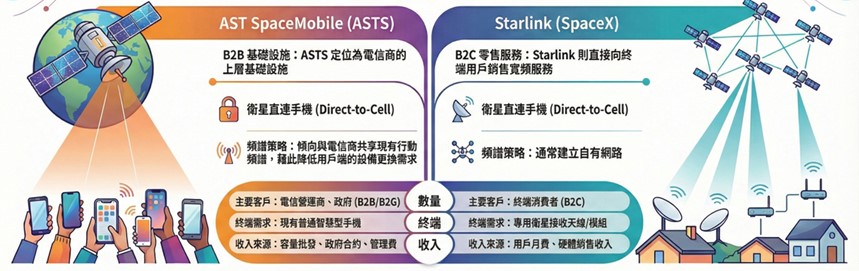
ASTS’s main advantages come from spectrum integration capabilities and cash flow support from telecom operators.
Because ASTS adopts a B2B2C operating model, it can quickly integrate specific mobile frequency bands through cooperation with telecom operators, so that mobile phone users do not need to purchase dedicated antennas and can still connect to existing networks through satellites when there is no terrestrial signal. The promotion speed and penetration threshold are low. In addition, commercial contracts with large telecom operators or governments can provide cash flow in the short term and obtain local mobile network support, ground station construction and operation from telecom operators, reducing investment costs. If it can be included in the 3GPP standards in the future, the adoption threshold for mobile phone manufacturers and telecom operators will be significantly lowered.
However, SpaceX is not only a satellite launch company. It is expected to have an IPO in the second half of this year. The valuation may exceed US$1.75 trillion, and the fundraising scale is estimated to be US$50 billion. It can be said that it has deep pockets and abundant funds. The number and speed of the second-generation Starlink satellites invested in the deployment are not comparable to ASTS.
Furthermore, Starlink satellites are extremely well-known globally. The number of first-generation Starlink satellites already in orbit and operating accounts for more than 60% of the total number of low-orbit satellites in the world, and it has a huge number of existing users and actual operating experience. ASTS currently only has 6 satellites. The subsequent launch and operation of dozens or hundreds of satellites will be complex and full of variables. Moreover, the commitments of telecom operators and 3GPP or international spectrum allocation are all time bombs. Whether it can threaten the big devil ~ SpaceX with the support of Google and telecom operators, I am afraid it can only be verified by time.
Does Taiwan need “D2C”Mobile phone direct connection to satellite” service?
Due to geopolitical considerations, Starlink Mobile, which many Chinese people are eagerly anticipating, is basically difficult to implement in Taiwan. The chances of Taiwanese people obtaining Starlink satellite services in Taiwan are slim. In addition to Chunghwa Telecom + Eutelsat OneWeb, satellite services that can be launched in Taiwan in the future are Far EasTone Telecommunications + Amazon Kuiper and Taiwan Mobile + ASTS that have the opportunity to be launched this year. Whether the “D2C mobile phone direct connection to satellite” service can take root in Taiwan still has many hurdles to overcome!
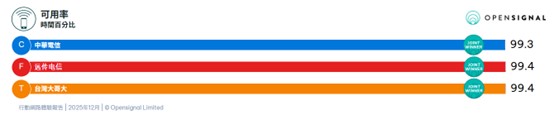
However, as SpaceX founder Elon Musk said: “Satellite services are physically unable to replace urban mobile base stations.” The availability rate of Taiwan’s mobile network exceeds 99%. In addition, satellite signals cannot be received indoors where accidents are most likely to occur. Except for a few high mountains, longitudinal valleys or offshore waters, there is not a strong demand for “D2C mobile phone direct-to-satellite” services.
In the event of an occasional major earthquake or typhoon disaster, Taiwan’s telecom operators provide disaster relief mobile communication vehicles, digital response network mobile vehicles (TTC), contracted satellite operator services (OneWeb..), and “Disaster roaming mechanism” should be enough to meet most temporary communication needs. As for Starlink Mobile, although it has not been able to land in Taiwan so far, Starlink satellites have always been operating in the sky. As long as exclusive satellite dishes or special modules are urgently introduced and Taiwan and the United States have a good cooperative relationship, there will still be shortcomings in the event of a major natural or man-made disaster. Based on humanitarian rescue and disaster response, I believe that “an arrow piercing the clouds, thousands of troops will come to meet you!”
Source: KOCPC Chinese