


Affected by the increase in memory prices,RTX 50 SUPER and RTX 60 series are likely to be delayed, I originally thought that NVIDIA would only have the previously reported products this year. RTX 5090 A stronger version, I didn’t expect it to be more than just this one. Recently, it was revealed thatNVIDIA A new version of the RTX 5050 with an upgraded display memory of 9GB is being prepared, which is great news for entry-level players, but will the price increase a lot? This is a little worrying.
Image source: Wccftech
New version of RTX 5050 exposed: 9GB GDDR7 memory, slightly improved bandwidth
This news comes from the well-known NVIDIA whistleblower MEGAsizeGPU. He has accurately predicted NVIDIA graphics card specifications many times in the past, so he has attracted much attention. Earlier, he posted again on the X platform that NVIDIA is preparing to launch a second GeForce RTX 5050 GPU and provide a larger display memory capacity, upgraded to 9GB GDDR7.
The RTX 5050 graphics card currently on the market uses 8GB GDDR6 display memory, paired with a 128-bit memory bus, with a memory speed of 20 Gbps and a bandwidth of 320 GB/s. The core uses the Blackwell architecture GB207 GPU, which has 2560 CUDA cores, a base clock of 2317 MHz and a Boost clock of 2572 MHz. The recommended price is about US$249 and the power consumption is 130W. Overall, this card is very suitable for entry-level gamers and light creators.
The new version of RTX 5050 9GB uses three 3GB memory modules (the speed is increased to 28 Gbps), instead of the current four 2GB modules. Although the memory bus is reduced to 96-bit, the bandwidth increases slightly to 336 GB/s (an increase of about 5%). Other specifications are the same as the current RTX 5050 version, including TDP (power consumption) 130W and 8-pin power interface.
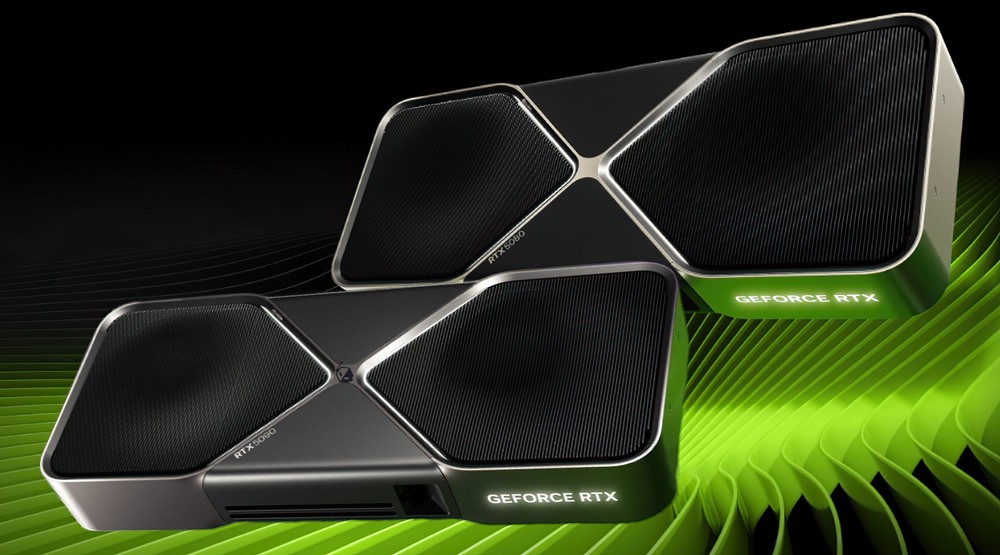
As for why NVIDIA chose to update entry-level graphics cards? According to speculation by many foreign media, it may be used to extend the vitality of the Blackwell product line by changing to three 3GB modules with a 96-bit design, thereby controlling costs and maintaining product positioning. In other words, in addition to allowing players to get 1GB more display memory, it will not affect the sales of higher-end models.
Although the RTX 5050 9GB GDDR7 version is only a minor upgrade, for entry-level players, the extra 1GB of display memory and slightly higher bandwidth can still provide better support for future games and applications. Of course, in the end, it still depends on the selling price.
In addition, MEGAsizeGPU also mentioned that NVIDIA may use GB205 GPU chips to produce GeForce RTX 5060.
Since the supply of the RTX 5060 Ti 8 GB is currently prioritized over the 16 GB version, there is already a shortage of GB206 GPU chips on the market, so NVIDIA decided to do this. However, this will also force graphics card manufacturers to design new PCBs to support the GB205 GPU and standard 8-pin power interface.
Comparison of specifications between NVIDIA GeForce RTX 5050 new version and commercial version
| Display card name | NVIDIA GeForce RTX 5050 9 GB | NVIDIA GeForce RTX 5050 8 GB |
|---|---|---|
| GPU name | Blackwell GB207-300 | Blackwell GB207-300 |
| SM quantity | 20 | 20 |
| CUDA Core | 2560 | 2560 |
| clock | 2317 MHz(Base) 2572 MHz(Boost) |
2317 MHz(Base) 2572 MHz(Boost) |
| memory capacity | 9GB GDDR7 | 8GB GDDR6 |
| memory bus | 96-bit | 128-bit |
| memory speed | 28 Gbps | 20 Gbps |
| memory bandwidth | 336 GB/s | 320 GB/s |
| Power interface | 8-pin | 8-pin |
| time to market | Not yet announced | July 1, 2025 |
| TBP power consumption | 130W | 130W |
| Recommended selling price | unknown | $249 |
Source: KOCPC Chinese