


As smartphone technology advances rapidly, phones are no longer just communication tools; they are important technological devices that combine work, entertainment, social interaction, and information management. For this reason, durability and protection have become more important than ever, and the material used for a phone’s frame is one of the key factors affecting the overall user experience. Today, most high-end and mid-range phones on the market use titanium or aluminum alloy for their frames. Each has its own characteristics in terms of strength, weight, heat dissipation, and cost, and there is no absolute superiority or inferiority between them; the key still lies in the user’s needs and preferences.
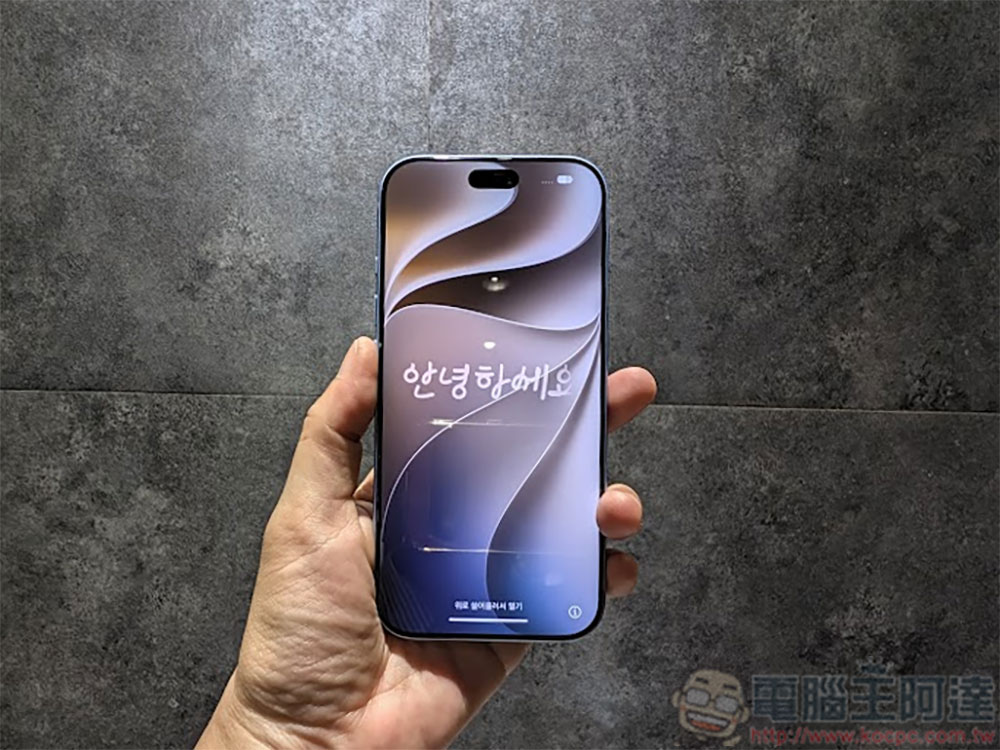
After the iPhone 17, the frame material switched back to aluminum alloy. Is it better than titanium?
From a durability standpoint, titanium offers quite outstanding mechanical strength and impact resistance. Compared with aluminum alloy, titanium is less likely to deform from impacts and also has better scratch resistance, so it can provide a higher level of protection in daily use. For users who frequently carry their phones out and about and value product durability, titanium frames are quite appealing. However, titanium itself has relatively low thermal conductivity, so when a phone performs high-performance computing, gaming, or audio/video processing for extended periods, its heat dissipation performance is usually not as good as that of aluminum alloy.
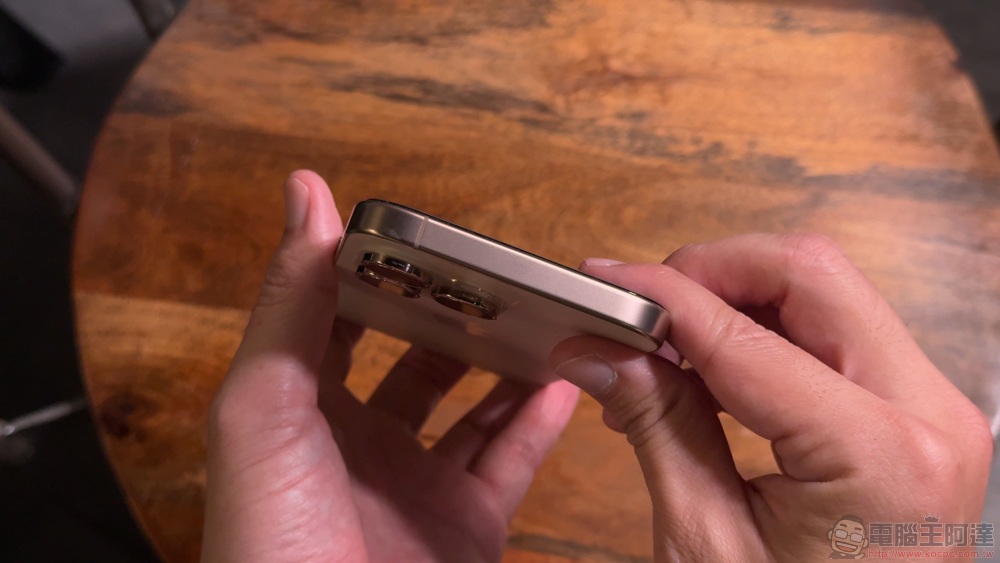
On the other hand, the biggest advantage of aluminum alloy is its lighter weight and excellent thermal conductivity. Good thermal conductivity helps a smartphone quickly conduct heat to the outside of the body, improving overall heat dissipation efficiency, which is a plus for users who frequently perform high-load operations. In addition, a lighter body design can also improve comfort during prolonged holding. However, aluminum alloy has relatively lower hardness, so it is more prone to scratches, dents, and even structural damage when impacted, and therefore generally does not match titanium in durability.

In addition to performance differences, price is also an important consideration for consumers when buying a phone. Because titanium is a relatively rare metal, its mining, refining, and processing procedures are more complex than those of aluminum alloy, so its manufacturing costs are also relatively higher. These extra costs are often ultimately reflected in the product’s selling price, making phones with titanium frames mostly concentrated in flagship products. By contrast, aluminum alloy has a stable supply and mature processing technology, so it can effectively reduce production costs and make phone prices more competitive. However, although aluminum alloy models have a lower barrier to entry, if the frame is damaged due to impact, the subsequent repair and replacement costs are also worth taking into consideration.
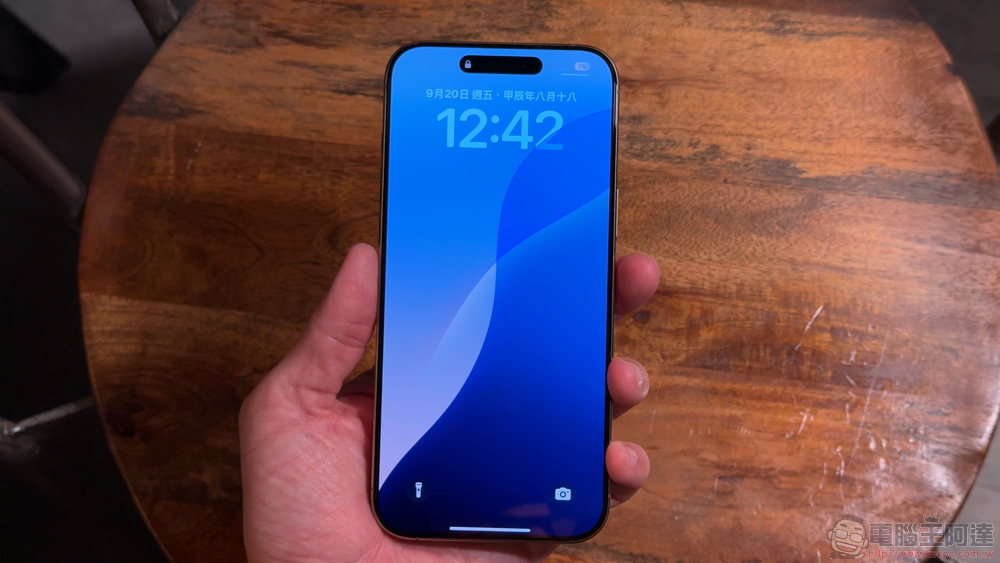
In terms of supply and product selection, there are also clear differences between titanium and aluminum alloy. Because titanium material is more expensive and harder to process, the number of models on the market with titanium frames is relatively limited, and they usually target the high-end market, so consumers who prefer titanium designs often have fewer product options. By contrast, because aluminum alloy is low-cost and widely used, it appears not only in upper-mid-range and high-end models but is also widely used in entry-level and mid-range products, thus offering a richer range of market choices.
In recent years, many smartphone brands have also adjusted their material strategies. For example, some manufacturers have begun to re-evaluate the cost-effectiveness of titanium and aluminum alloy and choose different materials according to product positioning. This shows that the choice of smartphone frame materials is not simply about pursuing the highest specifications, but about achieving the best balance among performance, cost, weight, and user experience.

Overall, titanium and aluminum alloy are both excellent materials for smartphone frames. Titanium offers higher strength and wear resistance, making it suitable for users who value durability and premium feel; aluminum alloy, with its lightweight design, excellent heat dissipation, and lower price, has become the most common choice on the market. There is no standard answer as to which material is more worth choosing; rather, it should be decided based on one’s budget, usage habits, and performance needs for the phone. Choosing the product that best meets one’s own needs is the most important consideration when buying a phone.
Source: KOCPC Chinese