


Japanese gaming giant Nintendo of America filed a lawsuit with the U.S. Court of International Trade on March 6, 2026, suing the U.S. government and multiple officials, demanding the refund of reciprocal tariffs it paid under the International Emergency Economic Powers Act (IEEPA), with additional interest. This lawsuit became part of a collective action by more than 1,000 companies, highlighting the profound impact of the Trump administration’s tariff policies on the industry.
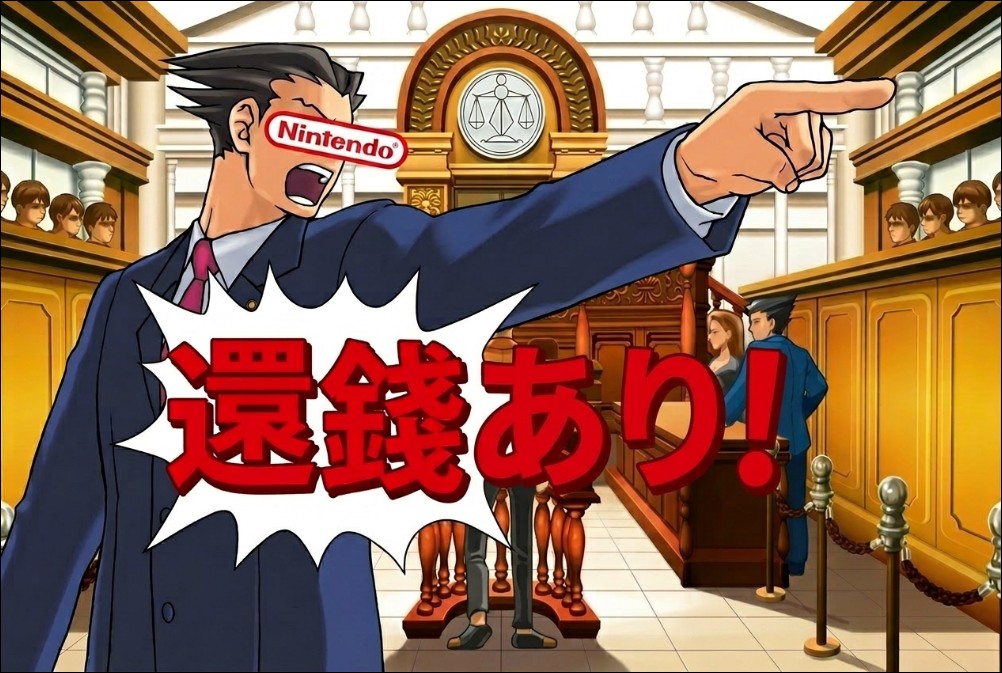
Nintendo sues the U.S. government, demanding a refund of the additional tariffs and interest.
The list of defendants in the lawsuit includes many high-level U.S. government officials, including Treasury Secretary Scott Bessent, former Secretary of Homeland Security Kristi Noem, U.S. Trade Representative Jamieson Greer, Customs and Border Protection Director Rodney Scott, and Commerce Secretary Howard Lutnick. In the complaint, Nintendo asked the court to declare the defendants’ conduct illegal, order the refund of all IEEPA duties plus interest, and pay legal costs.
IEEPA legal background and the Supreme Court ruling
The core basis for this lawsuit comes from the historic ruling of the U.S. Supreme Court in February 2026. The Supreme Court ruled 5 to 4 that President Trump’s “reciprocal tariffs” imposed by invoking the International Emergency Economic Powers Act (IEEPA) were illegal. The ruling made it clear that the powers given to the president by IEEPA are limited to responding to “unusual and extraordinary national emergency threats” and do not include broad powers to arbitrarily impose tariffs on countries.
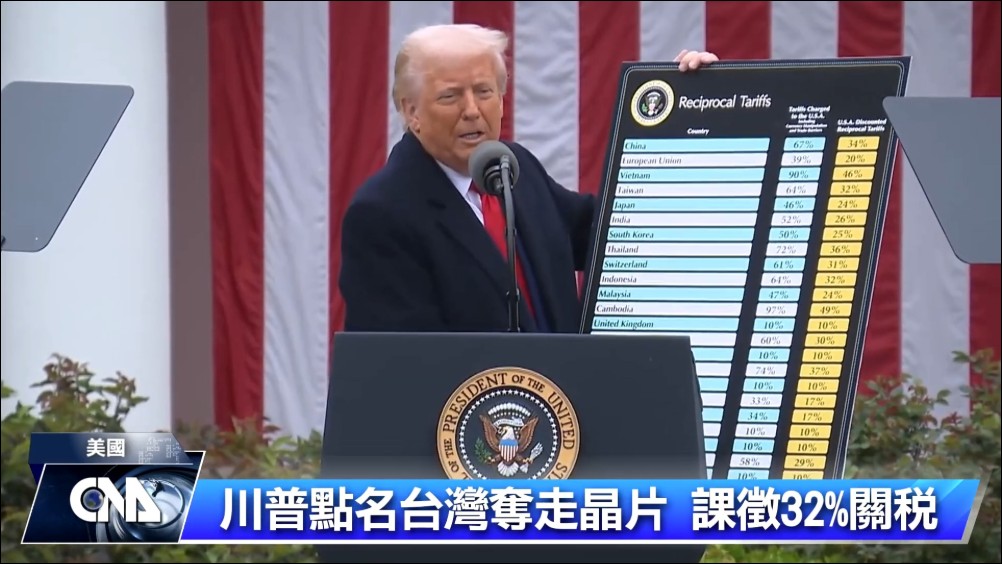
IEEPA is an emergency economic act enacted by the United States in 1977, giving the president the power to freeze assets and regulate transactions during national emergencies. Over the years, the law has been used mainly to sanction individuals and companies from specific countries or organizations, but has never been used for comprehensive global tariff measures. The Trump administration’s invocation of this law to impose tariffs breaks the traditional precedent of relying on Section 232 of the Trade Expansion Act or Section 301 of the Trade Act to deal with tariff issues.
The Supreme Court’s ruling provides a legal basis for the affected companies, and some companies have filed lawsuits seeking refunds. Since the ruling, the U.S. government has collected more than $200 billion through this wave of tariff policies. According to the complaint, since February 1, 2025, the Trump administration has imposed tariffs on imported goods from Canada, Mexico, China, Brazil, India and other countries through executive orders. Nintendo, as one of the major game console importers, has been directly affected.
The scale and representative cases of class actions involving more than 1,000 companies
Nintendo’s lawsuit is not an individual case, but part of a collective action by more than 1,000 companies. The unprecedented scale of the legal action reflects the broad impact of Trump’s tariff policies on the U.S. business community. The combined tariff bills faced by these companies exceed billions of dollars and cover a wide range of industries, from technology manufacturing to retail channels.
Among these lawsuits, the cases of express delivery giant FedEx and retail leader Costco are particularly eye-catching. As one of the world’s largest express delivery companies, FedEx’s logistics network relies on a large amount of international transportation, and tariff policies directly impact its operating costs. Costco has been affected due to its wide range of imported goods, ranging from electronic products to daily necessities. The two companies filed similar lawsuits simultaneously with Nintendo, demanding the refund of customs duties. Companies challenge the legality of government tariff policies through judicial channels and also set a precedent for future trade policies. If the company wins the lawsuit, it will establish the principle that the government must impose tariffs through legal procedures rather than administrative orders.
The specific impact of tariffs on the gaming industry
The tariff policy has had a significant impact on Nintendo’s actual business. What has attracted the most attention is that the pre-order schedule for Switch 2 in the US market has been postponed. The Switch 2, originally scheduled to be released at the end of 2025 or early 2026, has been delayed again and again due to cost pressure and uncertainty caused by tariffs. Nintendo made it clear in its statement that tariffs were one of the key factors leading to the delay.
Not only are new consoles blocked, but the selling prices of existing products are also affected. Nintendo has increased the prices of its Switch 1 series products (including Switch OLED, Switch Pro and other models) to pass on the cost of tariffs to consumers. For players who are looking forward to the new console, they not only face the disappointment of delayed release, but also have to bear the pressure of rising prices of existing products.
Other players in the gaming industry are also feeling the knock-on effects. Many game developers rely on hardware manufacturing partners for product production, and increased tariffs directly drive up product costs. In this case, companies must make a difficult choice between absorbing the costs or passing them on to consumers.
Controversy: Even if tax refunds are given, consumers cannot get refunds
However, one point has triggered widespread discussion, because even if the lawsuit is ultimately successful, ordinary consumers will not receive any refunds. Because the working mechanism of tariffs is to collect it from importers, not from end consumers. When Nintendo imports Switch consoles from overseas factories to the United States, it must pay customs duties during customs clearance. This fee was initially paid by Nintendo, but the company then passed the cost onto the selling price of the product, which was ultimately borne by the consumer who purchased it.
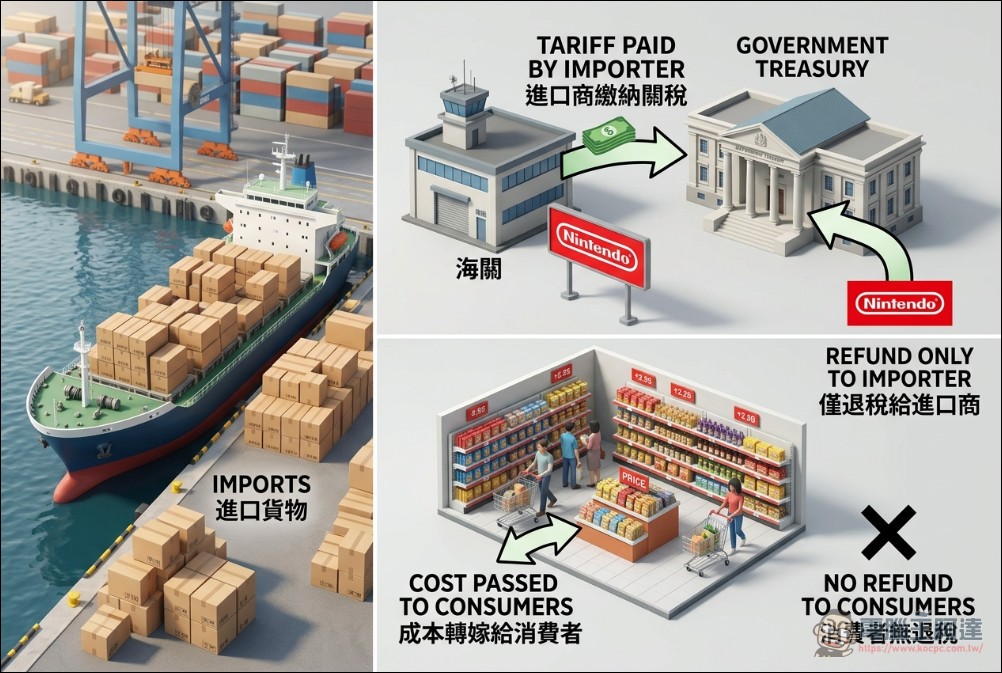
Therefore, when a company files a lawsuit to request a refund of tariffs, the refund object is the importer who originally paid the tariffs (i.e. companies such as Nintendo), not the end consumer. Even if a court rules that a tariff is illegal and orders a refund, consumers have no direct redress. This system design means that consumers have already “paid” through higher product selling prices during the implementation of the tariff policy, and it is difficult to recover the additional fees paid afterwards.
This is why many consumer rights advocates call on the government to consider direct subsidies to affected consumers when removing tariffs, rather than just refunding them to businesses. However, so far, the Trump administration has not introduced any relevant policies.
The impact of the Trump administration’s new 10% global tariffs
After the Supreme Court ruled that the tariffs were illegal, the Trump administration immediately announced a new 10% global tariff policy (really crazy). This move may further intensify the legal conflict between companies and the government. The new tariff policy is broader than the previous wave and applies to almost all imported goods, rather than being limited to specific countries.
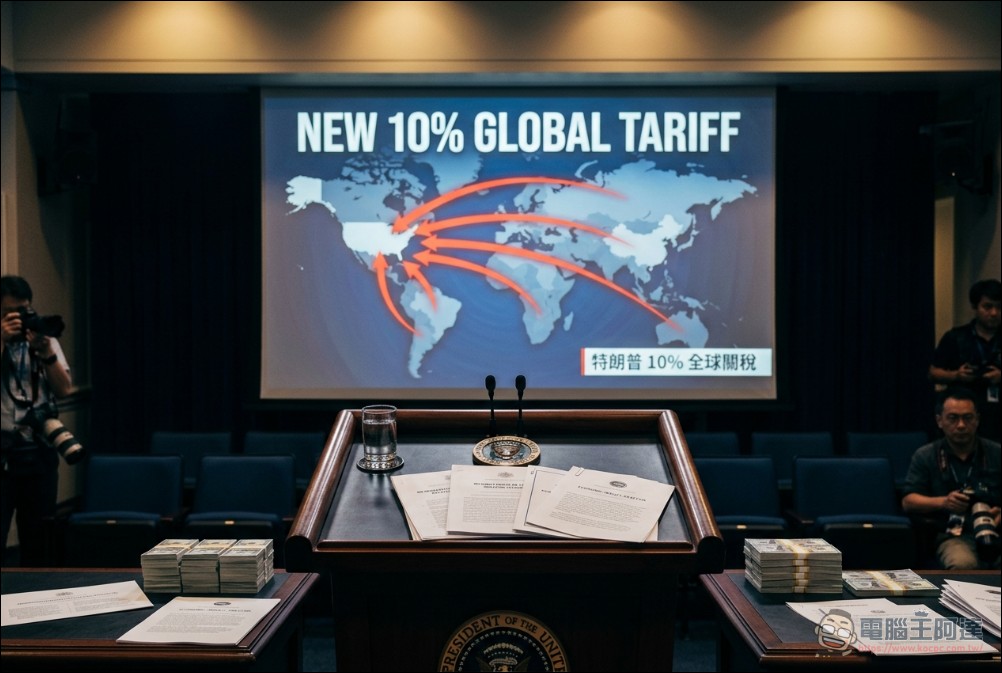
This new policy has attracted great attention from the industry. Corporate legal advisers pointed out that even though the Supreme Court had ruled that the previous tariffs were illegal, the government seemed to be trying to circumvent the ruling and continue to implement the tariffs through different legal bases. This approach may constitute contempt for judicial decisions and may also trigger a new wave of litigation. The industry expects more companies to join the litigation ranks. Companies that were originally on the sidelines may decide to file lawsuits to seek redress due to the impact of the new tariff policy. At the same time, this may also prompt Congress to step in and formulate a clearer legal framework to regulate the executive branch’s power on tariff issues.
Conclusion
Nintendo’s lawsuit marks a new stage in the company’s legal battle with the Trump administration’s tariff policies. Backed by the Supreme Court’s ruling, affected companies are seeking redress through class action lawsuits. However, even if the lawsuit is successful, the cost of tariffs has already been passed on to the consumer market, making it difficult for end users to benefit directly. The outcome of this legal battle will not only affect the financial status of companies, but will also profoundly shape the future direction of U.S. trade policy. With the implementation of the new 10% global tariff policy, legal and political battles will continue in the future, attracting great attention from the industry and legal circles.
Source: KOCPC Chinese