


In recent years, Apple has been steadily pushing its Mac platform toward a complete transition to its own Apple Silicon chips, and now this transition plan has taken another important step forward. Apple recently sent a notice to developers announcing that universal Mac apps listed on the Mac App Store that require macOS 13 or later to run will no longer need to maintain support for Intel-based Macs. This means developers can finally bid a formal farewell to the Intel platform and focus their apps entirely on the Apple Silicon ecosystem.
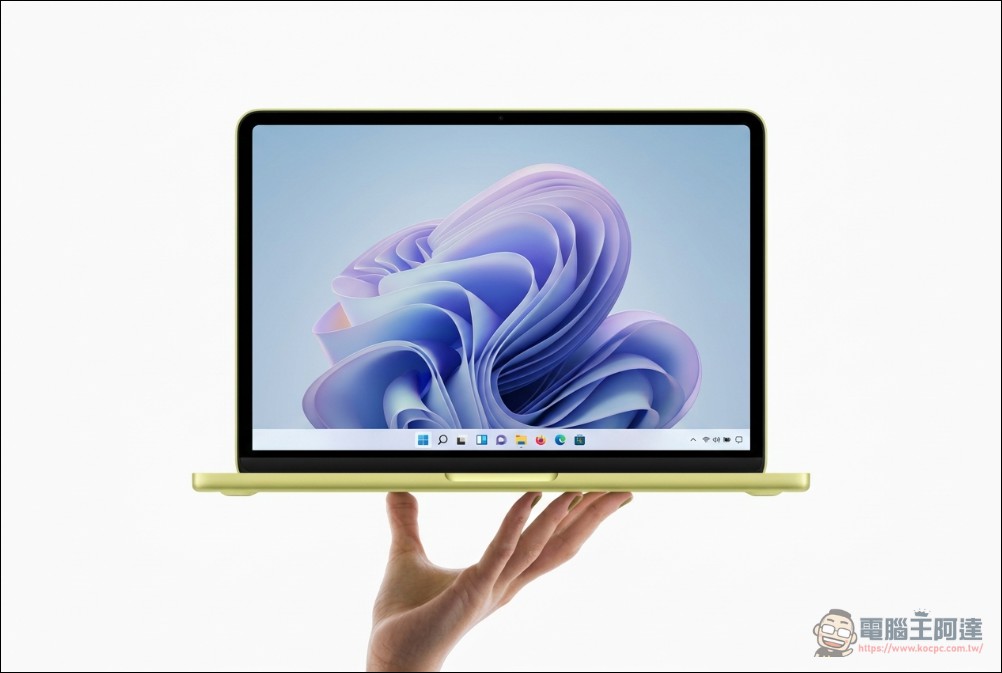
Apple has relaxed its stance, allowing developers to drop support for Intel-based Macs.
According to relevant reports, Apple pointed out in emails sent to developers that after ending Intel Mac support, development teams can further streamline the development process, reduce maintenance costs, and improve app download sizes and storage usage. In the past, many developers had to maintain code for both Intel and Apple Silicon architectures simultaneously, and even as the proportion of Intel Mac users dropped significantly, they still needed to invest extra time in testing and compatibility verification. Now that the restriction has been lifted, developers simply need to adjust their app build settings to the arm64 architecture, recompile, and submit the updated version of the app.
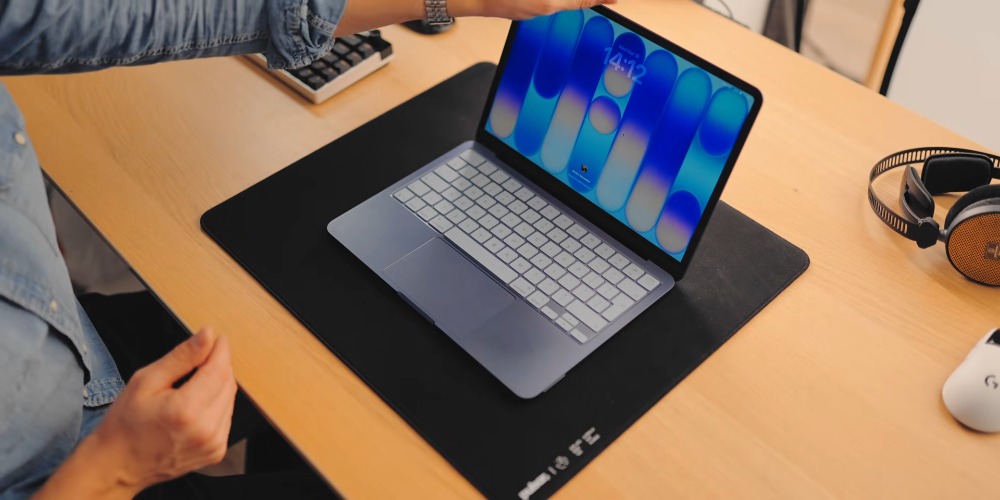
For developers, this change brings considerable benefits. Since Intel-related components no longer need to be bundled together, app size can be further reduced, and download speeds may also improve. In addition, with the reduced burden of cross-architecture support, development teams can devote more resources to new feature development and performance optimization, further leveraging the advantages of Apple Silicon chips. For users, this also means a more streamlined and efficient software experience.
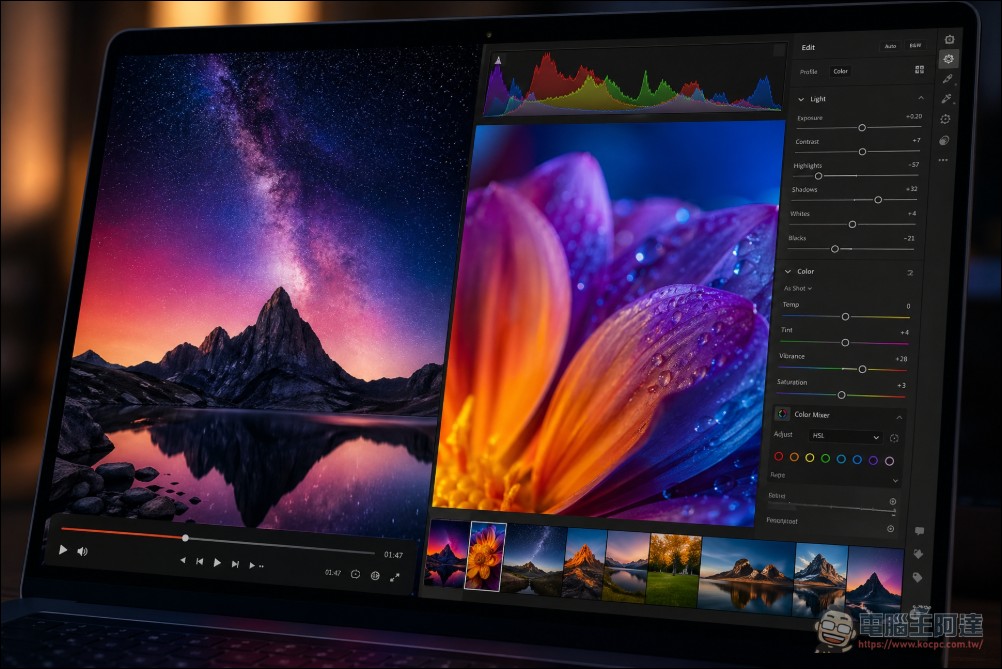
However, this does not mean that software for existing Intel Mac users will immediately become unusable. Installed apps will still work normally, and versions that developers previously released for Intel Mac will not suddenly stop working either. Still, as developers gradually release new apps that only support Apple Silicon, Intel Mac users will no longer be able to receive the latest features, bug fixes, or security updates. Over time, the software versions they can use will gradually remain stuck at what already exists.
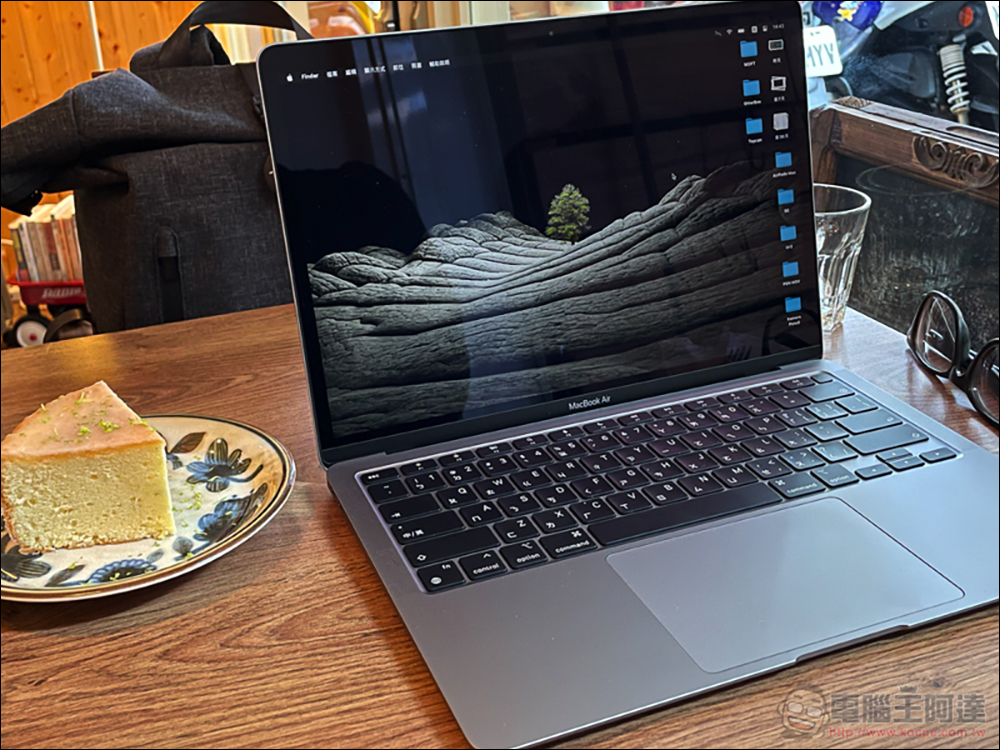
This policy actually also reflects that Apple’s overall roadmap for phasing out Intel Macs is accelerating. Since Apple Silicon was introduced in 2020, Apple has made it clear that it would gradually complete the platform transition. With the new generation of Macs now almost entirely adopting Apple’s own chips, Intel Macs have gradually exited the mainstream market. Future macOS versions will also further focus on the Apple Silicon architecture, allowing the system to fully leverage its advantages in performance, energy efficiency, and AI computing.
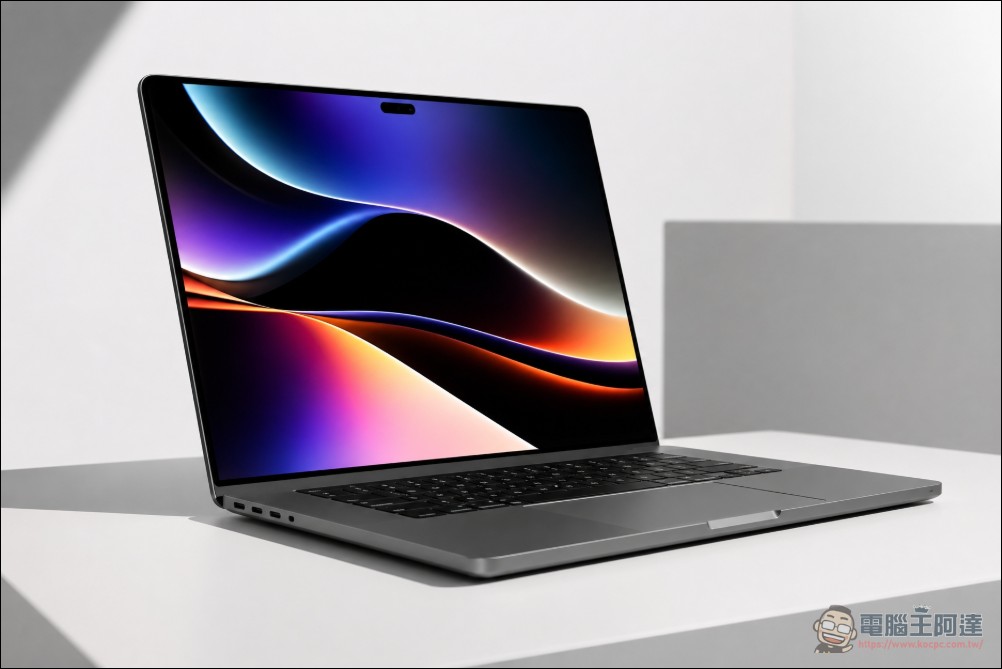
In addition, Apple has previously confirmed that Rosetta 2, the translation technology responsible for enabling Intel applications to run on Apple Silicon devices, will gradually step back from the spotlight in the future. While some games may receive extended support due to special requirements, the overall trend is already quite clear: Apple is moving toward a software and hardware ecosystem built entirely around Apple Silicon.
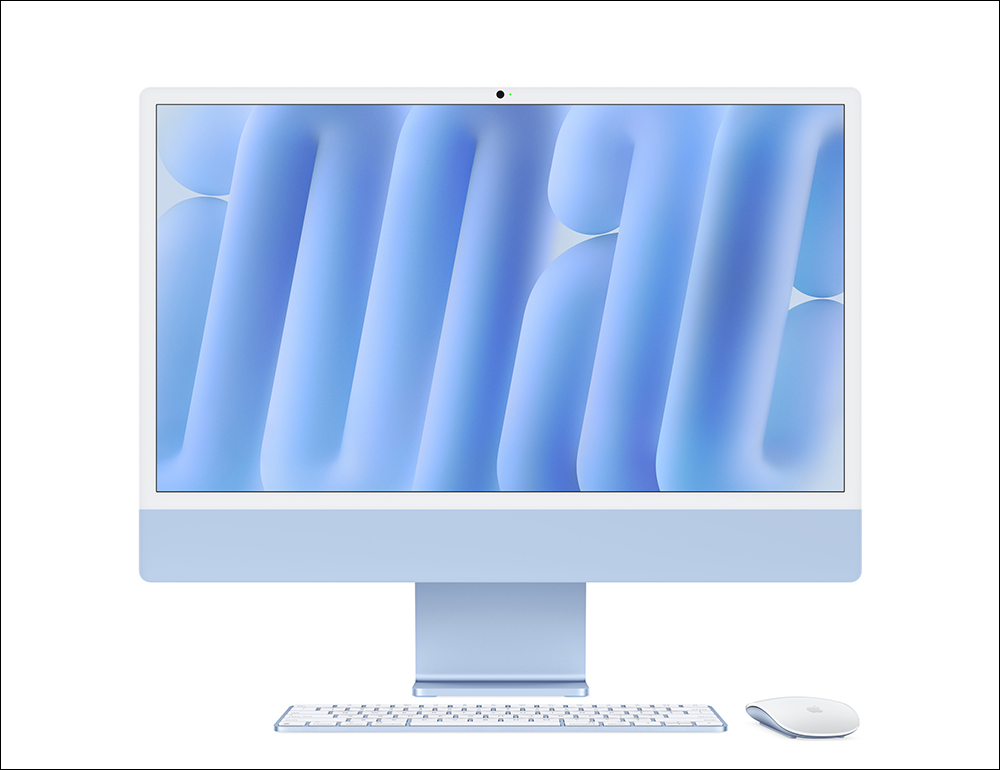
For developers, now is the ideal time to reassess their product strategy. By moving away from the Intel architecture, they can not only reduce maintenance costs but also build applications that better meet future needs. As for users still on Intel Macs, while they won’t be significantly affected in the short term, from a long-term perspective, as system updates and software support gradually come to an end, planning an early upgrade to the Apple Silicon platform will help ensure continued access to the latest features, security updates, and an optimal user experience.
Source: KOCPC Chinese