


Action camera pioneer GoPro has seen its sales performance decline year after year, and its market position has long been overtaken by Chinese manufacturers DJI and Insta360. Now, it has finally met its bittersweet end. On September 1, GoPro officially announced a merger agreement with optical photonics company Starman Optical, with a deal value of $285 million (approximately NT$9.26 billion). GoPro shareholders will receive $1.14 per share in cash and hold approximately 10% of the merged company’s shares. The transaction is expected to be completed by the end of 2026, at which point GoPro’s accumulated debt of $92 million (approximately NT$2.99 billion) will be fully cleared. The company will emerge nearly debt-free and continue trading on the Nasdaq without delisting.
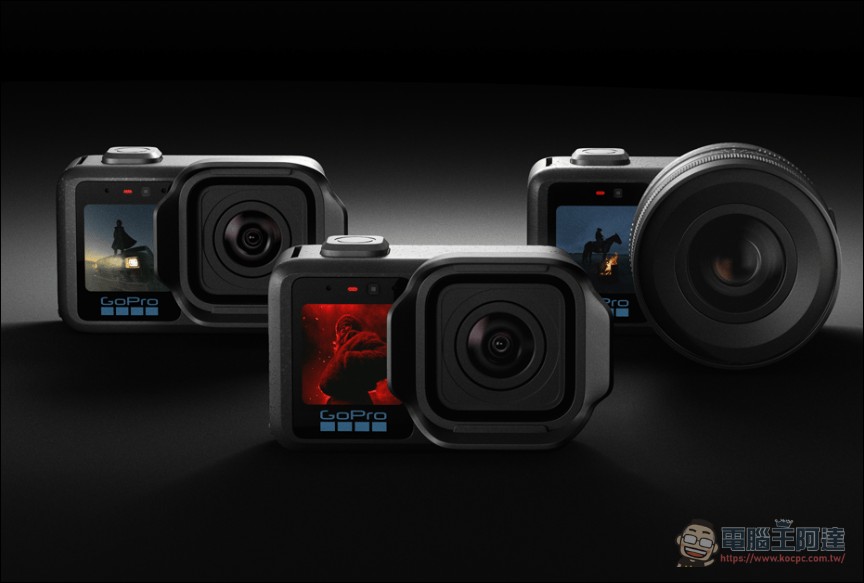
Action camera pioneer GoPro falls! Market value shrinks 90%
What’s the background of Starman Optical? The company was only registered in Delaware on August 31, 2026, and is a subsidiary of Starman Holding. Starman Holding is a diversified holding company that owns consumer electronics accessory brands such as Incase, Incipio, and Griffin. Starman Optical’s core business is developing and manufacturing optical transceivers domestically in the U.S. through its subsidiary Starman New Photonics, which is currently building a manufacturing facility in New Jersey.
The combined company will target AI data centers, defense, government, and aerospace markets. In a statement, Starman Holding CEO Charles Tebele said: “Advanced optical and imaging technology is critical to AI, national security, and the overall economy, yet much of the key hardware underpinning these technologies is still manufactured overseas. GoPro’s world-class optical expertise and intellectual property, combined with Starman’s advanced transceiver technology and U.S.-based manufacturing platform, will create a unique opportunity.”
GoPro CEO and founder Nick Woodman stated: “We expect this merger will allow GoPro to achieve growth in the consumer, commercial, and defense markets, becoming a leading U.S. imaging and optical solutions company, addressing national security areas related to cameras, optics, and AI infrastructure.”
GoPro’s 2,500 Patents: An Undervalued Core Asset
Since its founding 24 years ago, GoPro has accumulated over 2,500 U.S. patents in imaging solutions. These patents cover advanced optics, image processing, and miniaturized lens design, originally developed for action cameras. But in the AI era, these technologies hold significant application potential in fields such as optical transceivers, robotic vision, and defense imaging systems.
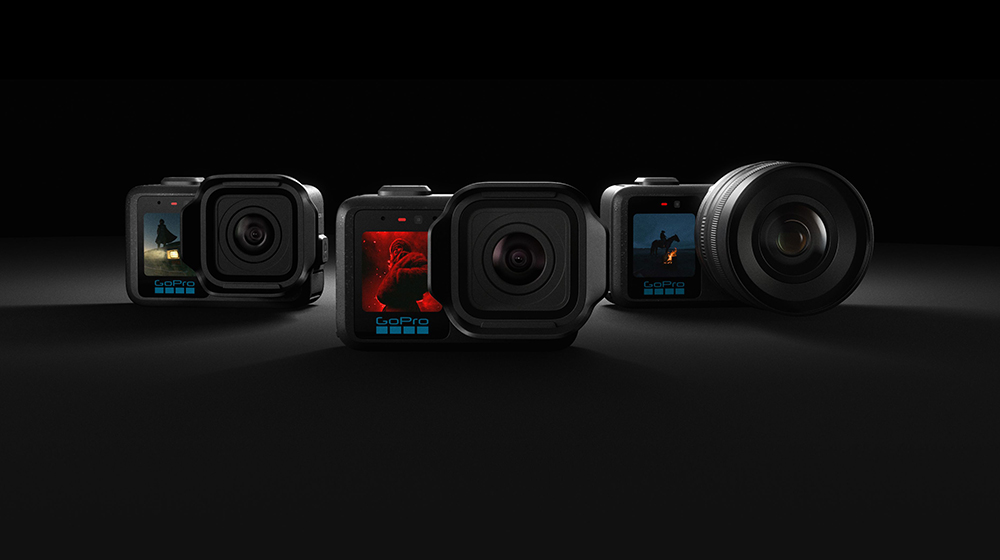
This is also the key reason Starman Optical was willing to make a move. For a newly established optical company, developing these patents in-house would take years and substantial capital. Directly acquiring GoPro’s patent portfolio is clearly a more efficient path (and it also immediately grants them the status of a US-listed company).
Fighting for Survival on the Brink of Death: GoPro’s Financial Crisis
The background of this deal is GoPro’s years-long financial struggles. GoPro went public in 2014 at $24 per share, when annual sales of action cameras reached millions of units. However, over the past decade, GoPro attempted to expand into new categories such as drones and 360-degree cameras, none of which succeeded, and it eventually had to return to its core action camera business, targeting professional users and athletes, while undergoing multiple rounds of layoffs along the way.
In June 2026, GoPro warned shareholders that if it could not secure new funding, the company might face “substantial doubt about its ability to continue as a going concern.” A month later, Woodman invested $20 million (approximately NT$650 million) of his own money to keep the company operating.
Against this backdrop, the $285 million merger price was a lifeline for GoPro shareholders as the company teetered on the brink of bankruptcy. The acquisition price of $1.14 per share, though far below the $24 IPO price, at least let shareholders get cash back while retaining a 10% upside in the combined company.
Markiplier’s 8.5% Bet: The YouTuber Who Became the Largest Shareholder
Just one day before the merger announcement, another piece of news also shook the market. Markiplier (real name Mark Fischbach), a YouTuber with over 37 million subscribers, wasBloomberg disclosedHas acquired 8.5% of GoPro’s shares, becoming the company’s largest single shareholder.

After the news broke, GoPro’s stock surged 22% in a single day. Based on GoPro’s market cap of roughly $110 million at the time, Markiplier’s investment was about $9.35 million (approximately NT$300 million). According to estimates from the Autopilot account on X, the investment has grown from about $8.1 million to roughly $15.39 million since the merger announcement.
Markiplier is not just a game streamer. In recent years, he has actively branched out into film and TV production and business investments. This time, his major purchase of GoPro shares shows his distinctive judgment about GoPro’s brand value and optical technology. After the merger was announced, the 8.5% stake he holds will be converted into a portion of the merged company’s equity, though the specific ratio has not yet been disclosed.
Transaction details and timeline
According to the press release issued by GoPro, the key terms of this transaction are as follows:
- Transaction amountUS$285 million (approximately NT$9.26 billion) in cash
- per-share acquisition price$1.14, subject to adjustment based on net working capital at closing
- Shareholders’ equityGoPro shareholders will hold approximately 10% of the combined company.
- Debt settlementGoPro’s approximately $92 million in debt will be fully repaid at closing.
- Listing Status: After the merger, the company will continue to be listed on Nasdaq.
- Estimated completion time: before the end of 2026
- Precondition: Requires regulatory approval and a vote by GoPro shareholders.
- Financial ConsultantHoulihan Lokey served as financial advisor to GoPro and provided a fairness opinion.
- Legal AdvisorFenwick & West LLP serves as legal counsel for GoPro.
Conclusion
The GoPro story is a classic case of a consumer technology brand: it went public on the strength of a groundbreaking product, its stock soared, attempts at expansion and new products failed, its products lost competitiveness, and ultimately it sought a buyer under financial pressure. The $285 million price tag represents a decline of more than 90% from its market capitalization of over $3 billion at its 2014 IPO.
However, the appeal of this deal lies not in the price but in the direction of the transformation. A sports camera company being acquired by an optical transceiver company, with the target market shifting from extreme sports enthusiasts to AI data centers and defense systems, in itself shows that the tech industry’s focus is moving from consumer entertainment toward infrastructure and national security. GoPro’s 2,500 optical patents may have found a new outlet for their value in the AI era.
Source: KOCPC Chinese