


The Internet Archive has long been known for preserving a wide variety of unique and historically valuable digital content, and its latest collection series is undoubtedly one of its most representative achievements. For anyone interested in the development of artificial intelligence, this new collection deserves a spot on your must-visit list.
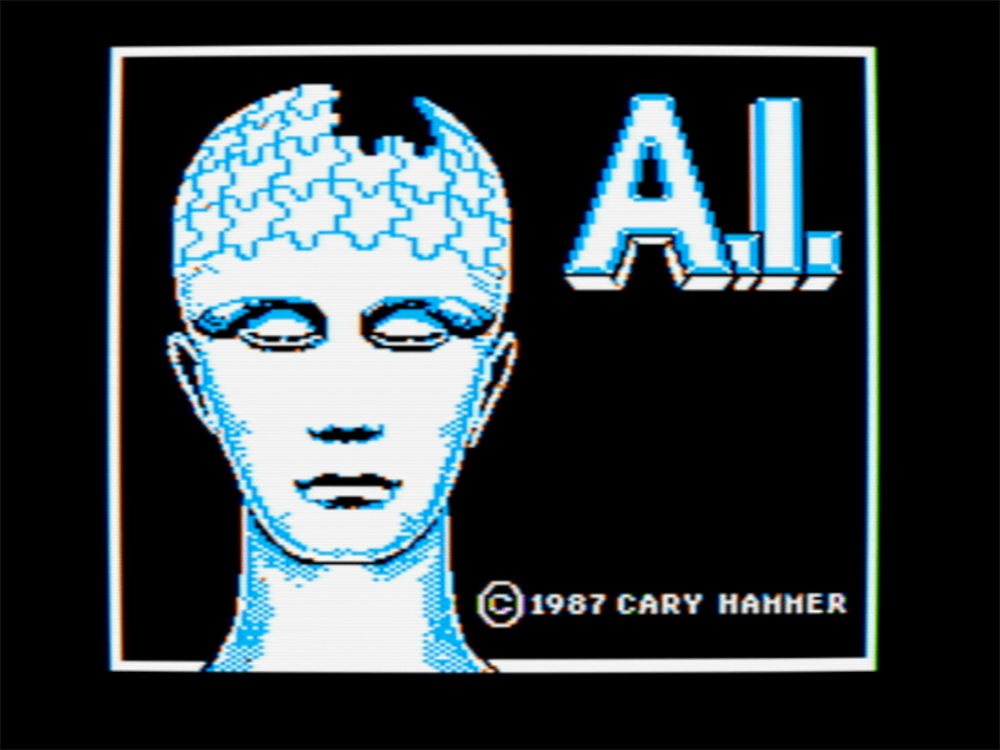
The Internet Archive has brought classic AI programs from decades ago into the browser.
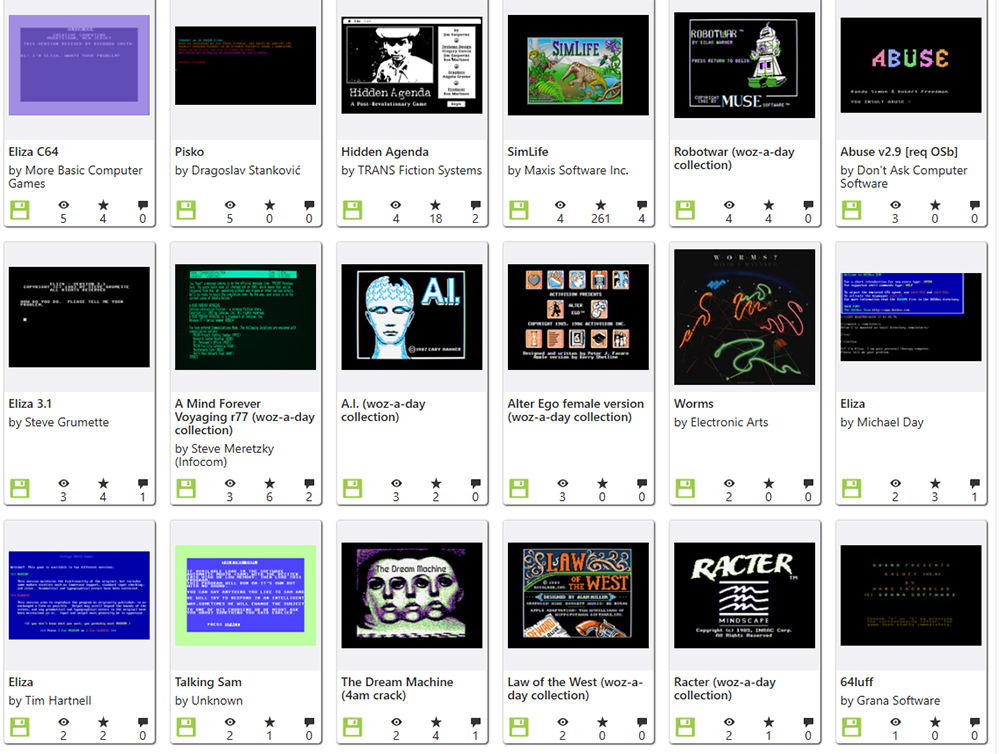
This is called“Vintage Artificial Intelligence” (Vintage Artificial Intelligence)The collection, curated by archivist Jason Scott, brings together a large number of AI-related software and interactive programs from the 1970s to the 1990s. Although these works are still quite far from today’s generative AI, they all share the same goal: to make users believe they are communicating with a thinking digital presence. Even better, all of the content can be run directly in the browser, with no need to download or install anything.
【Internet Archive: Click here】
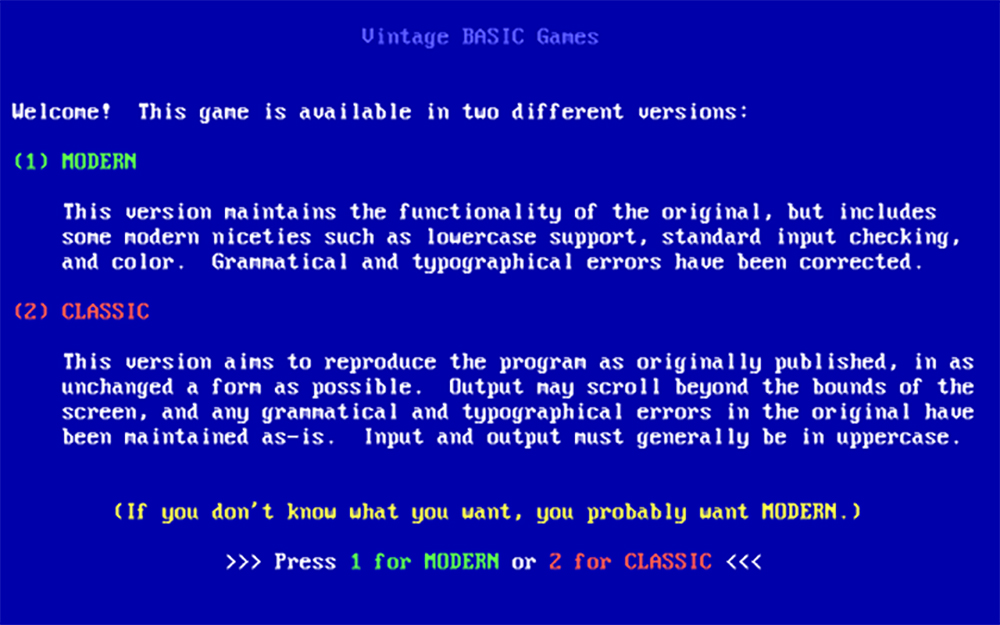
Among this set of classic works, the most representative is ELIZA. This program, developed by computer scientist Joseph Weizenbaum, simulated a psychotherapist conversing with users through the famous DOCTOR script. Although it actually only generated responses through keyword matching, it still succeeded in making many people at the time feel as if they were talking to a real person, and even led them to confide their inner thoughts to it. This design, which creates a sense of interaction through conversational techniques, remains quite impressive even by today’s standards.
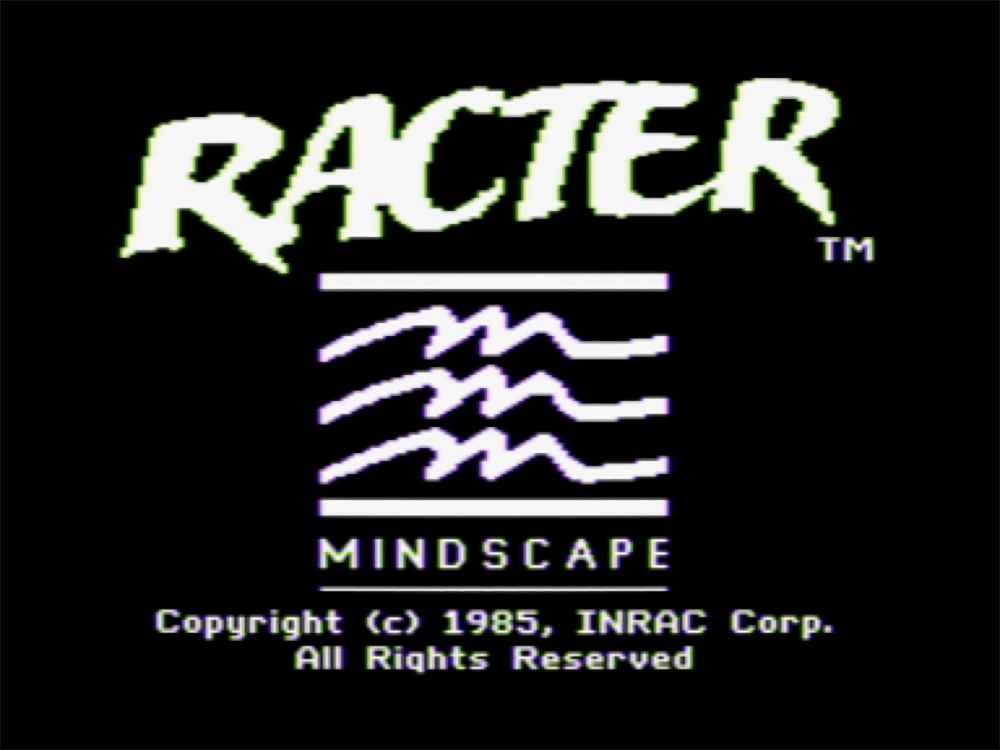
Another important work is Racter, released in 1985. It was not just a simple chatbot—it could also automatically generate articles and paragraph-length content, often with an absurd, disjointed style. In a sense, Racter can be seen as a distant ancestor of modern large language models (LLMs), reflecting early researchers’ vision of machine creativity.
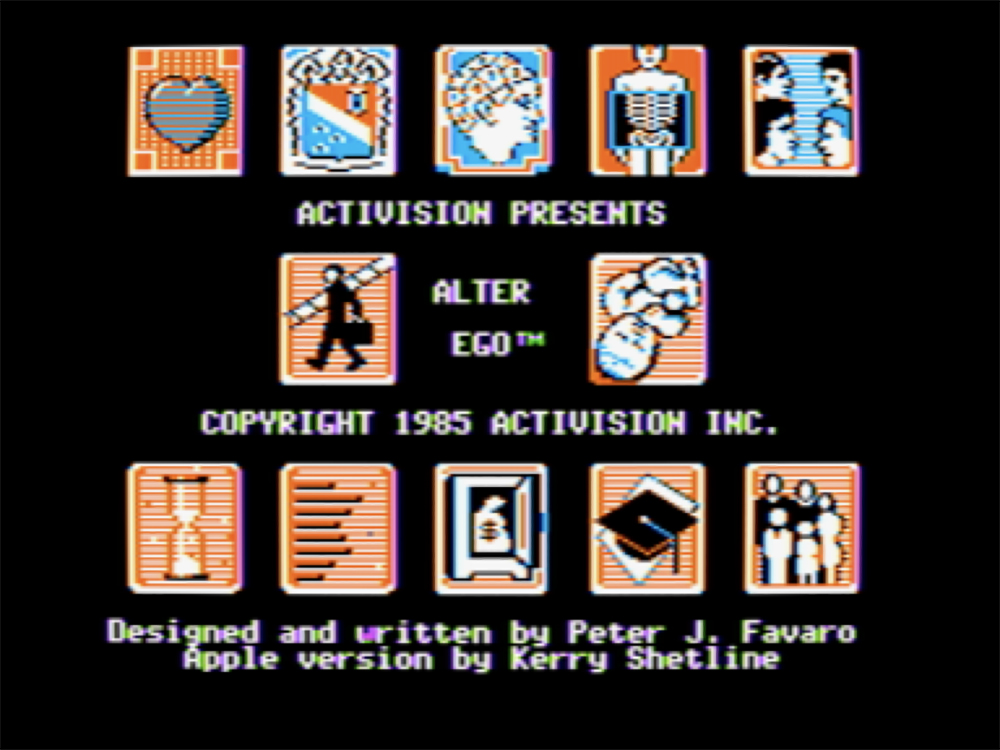
Besides dialogue-based programs, the collection also includes many interactive works centered on artificial intelligence concepts. For example, *Alter Ego* is a life simulation game designed with input from psychologists, where players must make choices at different stages of life and experience various possible life paths. *Little Computer People*, on the other hand, raises an intriguing question: what if a virtual resident with a personality actually lived inside your computer? This idea of combining character simulation with player interaction still feels quite avant-garde even today.
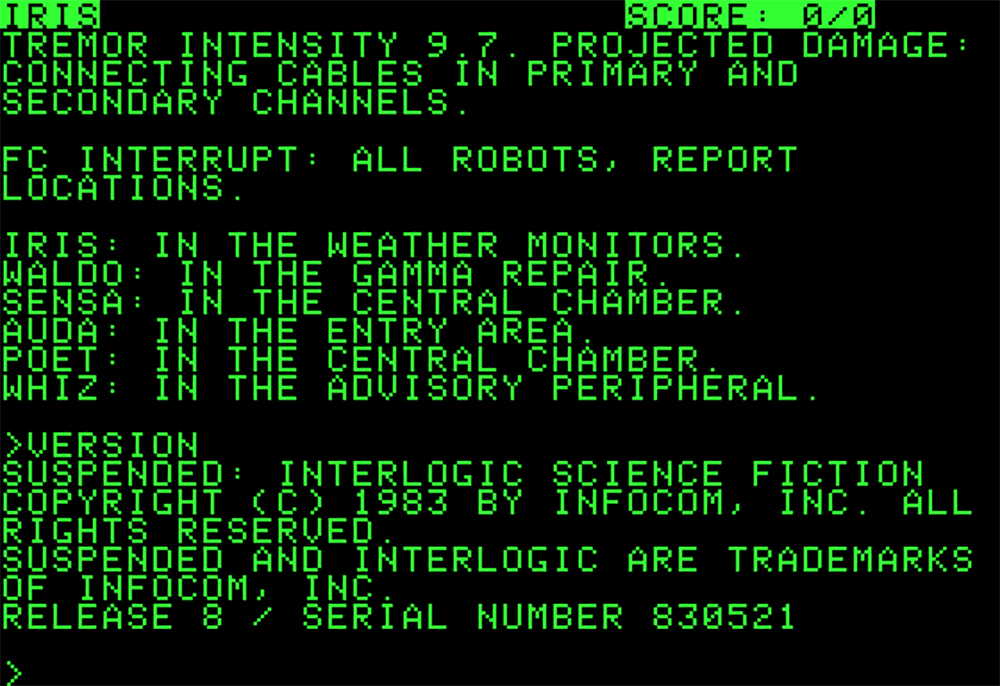
In addition, *Suspended* has players control six robots with different functions simultaneously through their consciousness, each responsible for a different task, requiring players to coordinate them to complete objectives. This concept of multi-agent collaborative operation resonates with the design of autonomous agents, a hot topic in the AI field in recent years. Moreover, the collection also includes early works such as *RobotWar*, where players can pre-program behavior logic for robots and let them fight on their own, showcasing the prototype of early programmed intelligent systems.
For those interested in exploring the history of artificial intelligence, this collection offers a rare opportunity to experience firsthand the various experiments from the early days of AI development. Through these seemingly simple yet highly creative programs, you can not only see the origins of modern chatbots and intelligent agents, but also understand what people imagined “thinking machines” to be decades ago. If you have an afternoon to spare and dive deep into exploration, it will certainly be an intriguing and inspiring journey of digital archaeology.
Source: KOCPC Chinese