


Apple’s first foldable phone repair bill may sting Apple fans even more than the purchase price. Ricky Panesar, founder of third-party repair firm iCorrect, estimates that replacing the inner screen of the iPhone Ultra will cost around $1,155, roughly NT$34,000. That figure is nearly double the inner screen repair cost for Samsung’s Galaxy Z Fold 8, and sets a new high for repair costs on Apple handheld devices.
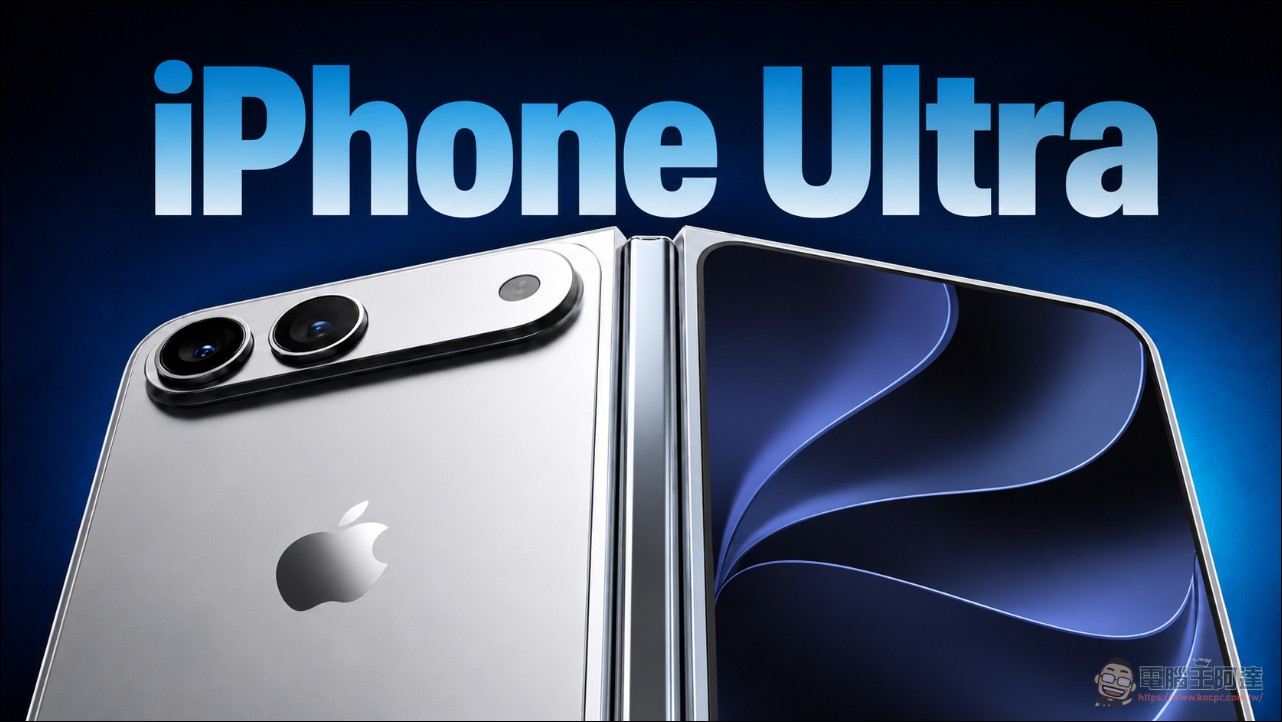
In his interview with Forbes, Panesar stated bluntly: “I expect we will see the most expensive handheld device repair prices in Apple’s history.” His reasoning is based on the supply chain structure. Samsung’s foldable panels are produced by its own Samsung Display, making parts easy to source and costs controllable. Apple also sources its panels from Samsung Display, but additionally needs a self-developed 3D printed hinge. This hinge had no repair cases before launch, so independent repair shops are completely in the dark about its disassembly process and parts supply, and that learning cost ultimately gets passed on to the repair bill. Panesar also points out another layer of difference: Samsung’s Z Fold 8 uses its own Flex Titanium technology to reduce the crease, with both the panel and hinge designed and manufactured in-house, giving it full control over the parts supply chain. Apple, by contrast, outsources the panel to Samsung Display and takes a completely different 3D printing path for the hinge. Both companies use foldable screens, yet their cost structures differ by a wide margin.
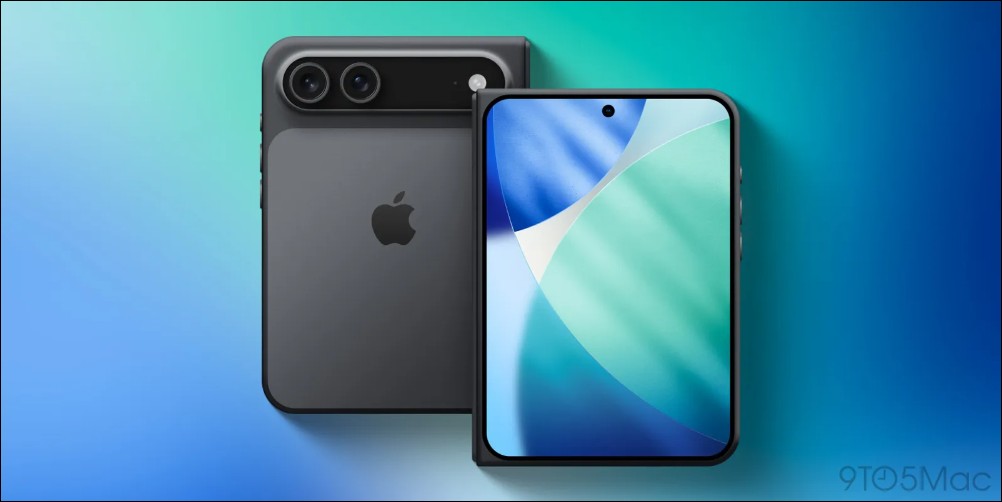 source
Samsung’s repair costs are already not cheap, and Apple is going to pile even more on top.
Samsung recently announced the official repair prices for the Galaxy Z Fold 8 series: in the US market, inner screen replacement costs $639 for the Z Fold 8 Ultra, $579 for the standard Z Fold 8, and $359 for the Z Flip 8; outer screens cost $149, $139, and $129, respectively. Compared to the previous generation, the Z Fold 7’s inner screen repair was $449 and the Z Flip 7 was $249, meaning folding screen repair costs have risen about 30% in a year. The price of replacing a single iPhone Ultra main screen is almost enough to cover the full retail price of a mainstream mid-range Android phone. For the average consumer, this means “screen crack insurance” for folding phones is no longer optional but a must-have.
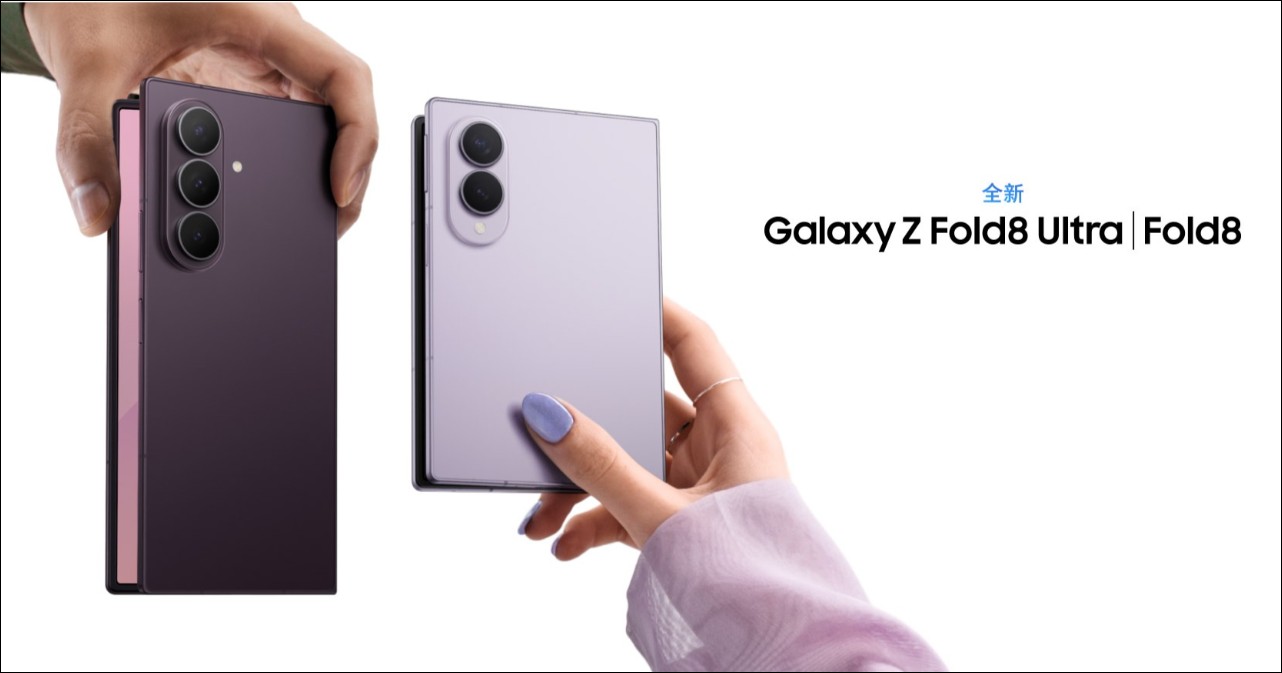
Panesar estimates that repairing the inner screen of the iPhone Ultra could cost around £850 (about $1,155), which is nearly double the £594 price for the Z Fold 8 in the UK market, and significantly higher than the Z Fold 7’s £569. Looking at the cost structure, Apple’s foldable is taking a “high-spec, high-cost” approach: panels are sourced externally, hinges are self-developed via 3D printing, and the repair system is being built from scratch—every link pushes up the final price. Samsung, by contrast, follows a “vertical integration” route, with panels, hinges, and repair networks all handled in-house, so costs are naturally lower. The gap in repair prices between the two approaches reflects the gap in supply chain control.
AppleCare+’s “unlimited repairs” may be rewritten
More noteworthy than the repair bill itself is the pricing direction of AppleCare+. Apple has previously offered in-warranty accidental damage repairs for iPhone, with a per-incident fee as low as $29. In recent years, it has also added unlimited folding-related coverage. Panesar estimates that the AppleCare+ per-incident fee for iPhone Fold will rise to about £100 (around $135), and Apple is likely to reassess its promise of “unlimited repairs.”
The replacement cost for foldable screen panels is too high, making unlimited coverage a bad deal for Apple. Panesar concludes that AppleCare+ on the iPhone Fold will go from a “bonus” to a “must-have.” Without it, one accidental inner screen repair costs over NT$40,000; with it, the per-incident fee drops to just over NT$1,000, keeping the risk manageable. For anyone planning to get a foldable iPhone, that insurance cost probably isn’t something you can skip. On paper, the monthly AppleCare+ fee plus per-incident charges could, over time, approach or even exceed the cost of a single inner screen repair. But from another angle, it breaks down the tail risk of a one-time NT$40,000 hit into predictable small payments, which for most people is still worthwhile insurance.
Beyond the screen, the side Touch ID button is also a potential repair pain point. Panesar described it as “not a simple part swap,” with a higher complexity than the Face ID module, and fewer independent repair shops can handle it in the first year. For consumers, the “minor issues” of a foldable iPhone could become major bills. Panesar also cautioned that independent repair shops will struggle to undercut Apple’s official pricing early on. Apple has always maintained strict control over its own parts and repair processes, and third parties will need time to source qualified parts from disassembled units and establish stable supply channels. In the first year, consumers will most likely still have to go through the official system for repairs. This is similar to the early days of Samsung’s foldable phones, but Apple’s closed ecosystem is even more restrictive, and the price gap could be more pronounced.
The starting price exceeds $2,000, with tight initial supply.
High repair costs echo the full-device pricing. Industry sources indicate that the overseas starting price of the iPhone Ultra will likely exceed $2,000, and note that Apple has confirmed a “Surprise and Shine” launch event at Apple Park on September 9, with the foldable iPhone expected to debut alongside the iPhone 18 series.
In the early stages, supply of this phone will be limited, and those looking to buy may have to pay a premium. For the average consumer, beyond budgeting, there’s also the need to adjust usage habits: the foldable inner screen is more prone to cracks and deepening creases than a traditional bar-style phone, so daily use requires extra care. This is Apple’s first foldable, and they’re starting from scratch on software, hinges, and the repair ecosystem, so the experience and cost structure in the first few years will likely be steeper than Samsung’s. Forbes also highlights an easily overlooked aspect: the iPhone Fold will launch with iOS 27, marking the first time Apple runs its operating system on a foldable device. Samsung has been refining its foldable UI since the first-generation Galaxy Fold in 2019, and the early iterations were fairly rough; Apple is starting from zero, so software adaptation will take time. Early adopters will have to bear both the risk of hardware repairs and the reality of software that isn’t fully mature.
Source: KOCPC Chinese