


At this year’s Game Developers Conference (GDC), Google released a clear signal: Google Play’s positioning is evolving. It is no longer just an app store for mobile devices, but has gradually become a cross-platform gaming ecosystem. This change is not sudden, but a continuation of the strategy since Google Play Games fully opened mobile games on the PC last March. Now, Google is blurring the boundaries between mobile phones and computers to create a more unified and convenient gaming experience.
Google Play Store finally lets users try out paid games
Google first announced that it would be expanding its game library, specifically adding more options for paid and indie games. In the coming months, the Play Store will welcome a number of highly anticipated titles, including Moonlight Peaks, Sledding Game, Low-Budget Repairs, and more. In the past, most of these games were regarded as the domain of PC or console platforms, and now they will also appear simultaneously in the cross-platform ecosystem of Google Play.
Google said that players can freely switch between mobile phones and PCs through Google Play Games, and synchronize game progress through player profiles. In other words, whether you’re playing on your phone while commuting or continuing your progress on your computer at home, you’ll have a seamless experience.
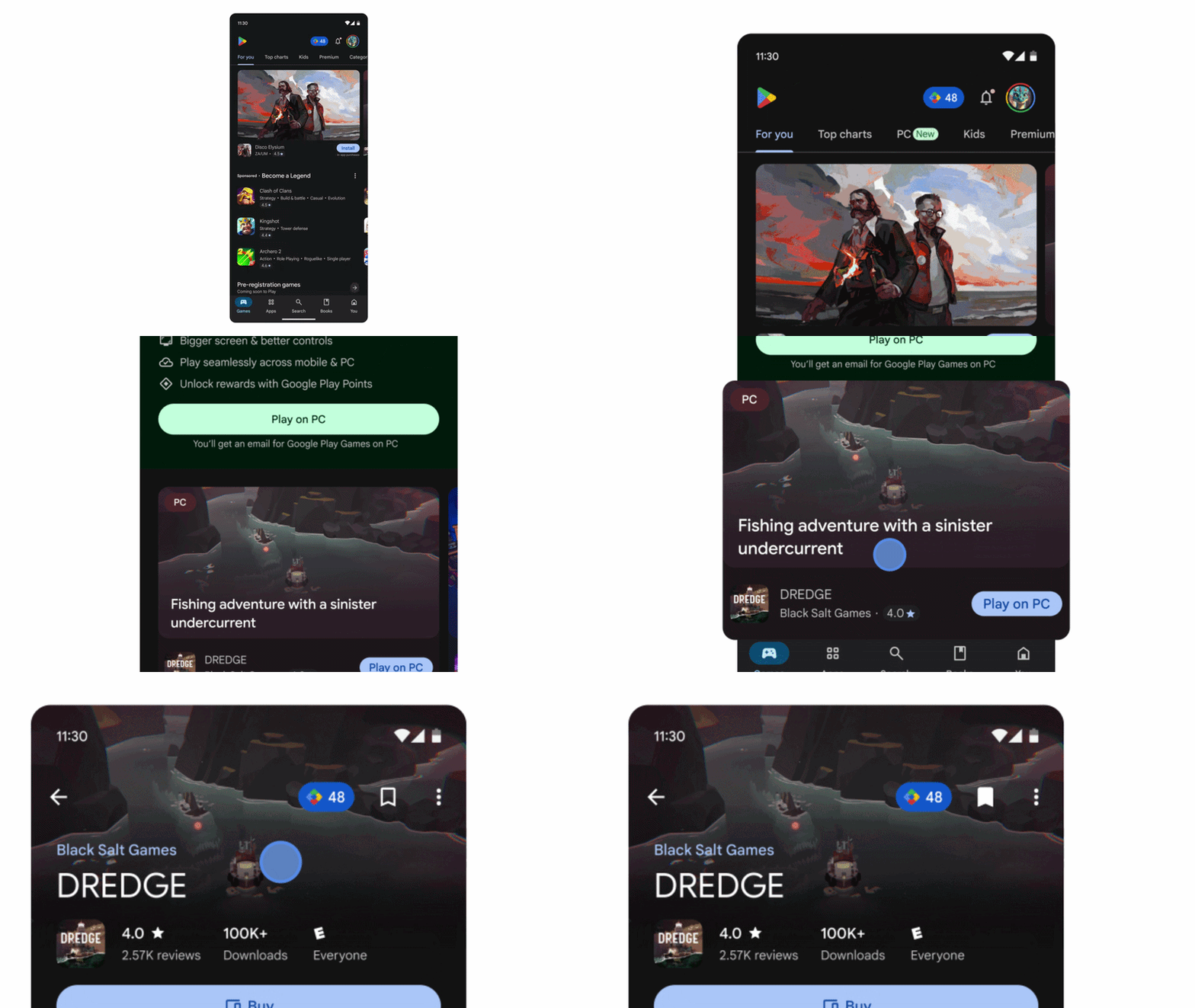
As gaming content expands, Google also hopes to improve the way players discover games. For users who like to play on computers, a new PC section has been added to the “Games” tab of the Play Store, specifically displaying games optimized for the Windows platform. This allows players to no longer have to sift through a large number of mobile games and can more quickly find works suitable for PC experience.
In addition, Google has also expanded the wishlist feature to paid games. If players encounter a game that they are interested in but don’t want to buy for the time being, they can add it to their wish list, and the system will proactively notify them if the price of the game drops. This feature has long been popular on other platforms, and now the Play Store has officially followed suit, making it easier for players to get games at ideal prices.
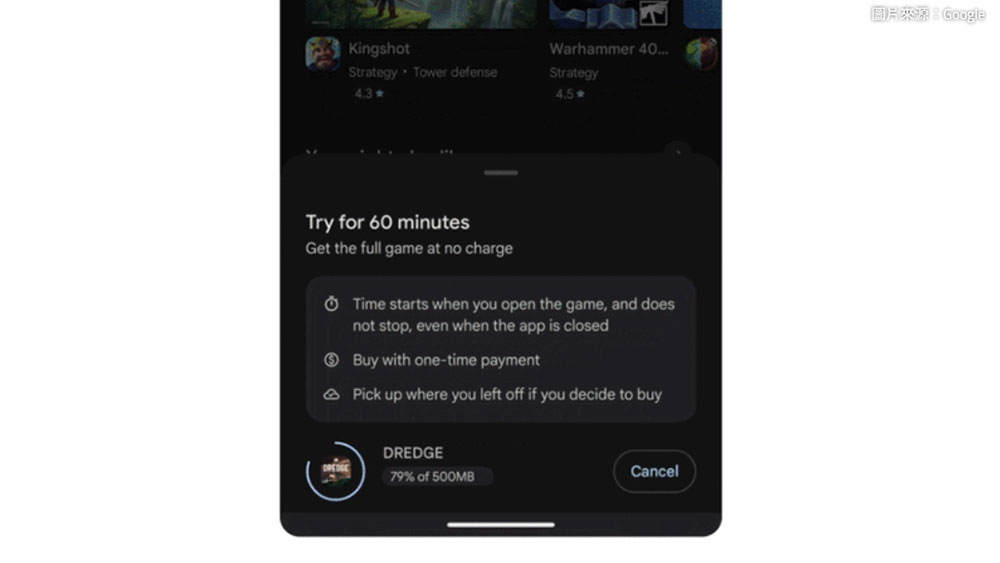
In order to lower the psychological threshold for players to purchase paid games, Google has launched a new game trial function. Players can directly experience the full version of paid games without paying, and decide whether to purchase it after trying it out. This feature will be first launched in some mobile device games and will be expanded to Google Play Games on PC in the future.
What’s even more considerate is that if the player decides to purchase the game after the trial, the progress made during the trial will be retained intact and there is no need to start over. Some games even support “buy once, play anywhere”, which means you only need to purchase once on the Play Store to get both the mobile version and the PC version, truly enabling cross-platform sharing.
In addition to game content and feature updates, Google also focuses on the management of the player community. Google Play will launch an English version of the “Social Posts” feature, allowing players to exchange experiences, share tips, and even discuss game updates and events directly on the game’s store page. This built-in social interaction helps increase player stickiness and allows developers to more directly observe player feedback.
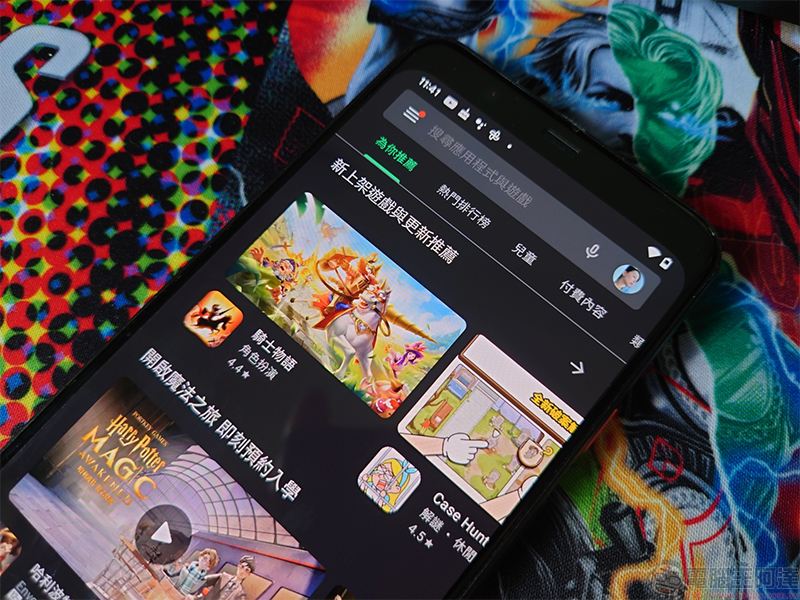
Looking at Google’s multiple announcements at GDC, it can be seen that it is actively building Google Play into a cross-platform and cross-device game center, rather than just an Android app store. From expanding the game lineup and improving the game discovery mechanism to providing trial play, synchronized progress and community interaction, Google is trying to create a more complete and attractive game ecosystem. These changes are not only beneficial to players, but also bring more exposure and cross-platform opportunities to developers. With the popularity of Google Play Games on PCs, the lines between mobile games and PC games may become increasingly blurred in the future, and Google clearly hopes to be a driver of this change.
Source: KOCPC Chinese