


Traditionally, aircraft in the aviation industry have had to run on expensive aviation fuel, and any fluctuation in oil prices immediately triggers fare hikes—something especially noticeable recently. Although cars have begun shifting to electric power, aircraft have long been considered a difficult challenge due to current battery technology limitations and their heavy weight. On August 13, U.S. aircraft manufacturer Heart Aerospace announced that its X1 demonstrator successfully completed its first flight at Plattsburgh International Airport in upstate New York. With a wingspan of 106 feet (about 32 meters), a fuselage length of 76 feet (about 23 meters), and a takeoff weight exceeding 25,000 pounds (about 11,340 kilograms), this all-electric aircraft is the largest battery-powered aircraft in human history. The entire flight consumed less than NT$160 in electricity.
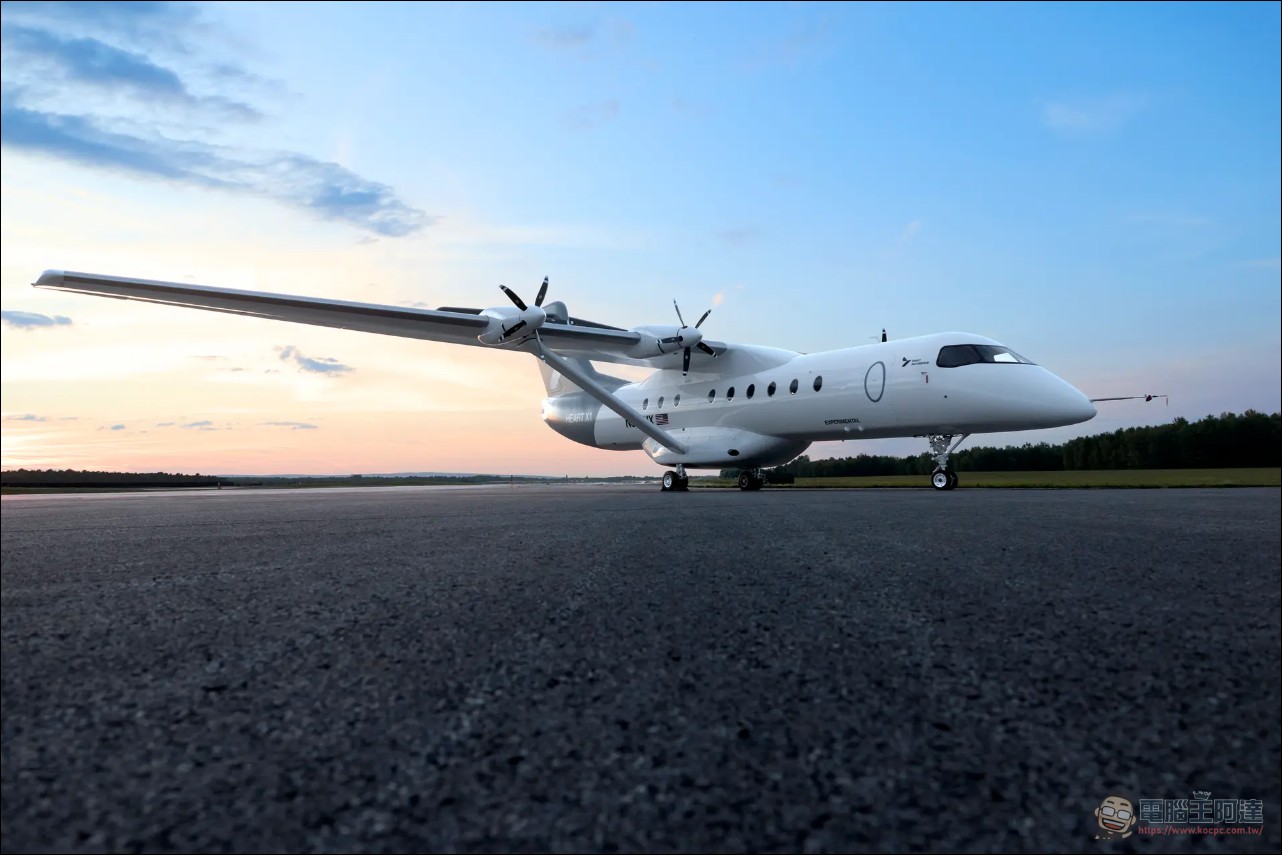
World’s largest all-electric aircraft completes first flight: Heart Aerospace X1 flies for 27 minutes, with electricity costs under $5.
The first flight took place on August 12, piloted by a human, lasting 27 minutes in total (no flight distance was mentioned), reaching an altitude of 1,100 feet (approximately 335 meters), with the all-electric propulsion system delivering over 1 megawatt of power. The flight was conducted under an FAA special airworthiness certificate in the experimental category (SAC-EC), and the test included taxiing, takeoff, climb, maneuvering, and landing. With fuel prices soaring, the timing of this first flight is quite compelling. According to Heart Aerospace’s announcement, for the week ending August 7, the global average price of aviation fuel was $3.50 per gallon (approximately NT$114), up 63% from the same period last year. By comparison, the entire X1 flight consumed only about $5 (approximately NT$163) worth of electricity.
From X1 to ES-30: 30-seat hybrid regional airliner
X1 is the full-scale demonstrator for Heart Aerospace’s production model ES-30, aiming to validate key technologies, aerodynamics, and flight performance. The ES-30 is a conventional fixed-wing, 30-seat hybrid-electric regional airliner currently being developed toward FAA Part 25 certification.
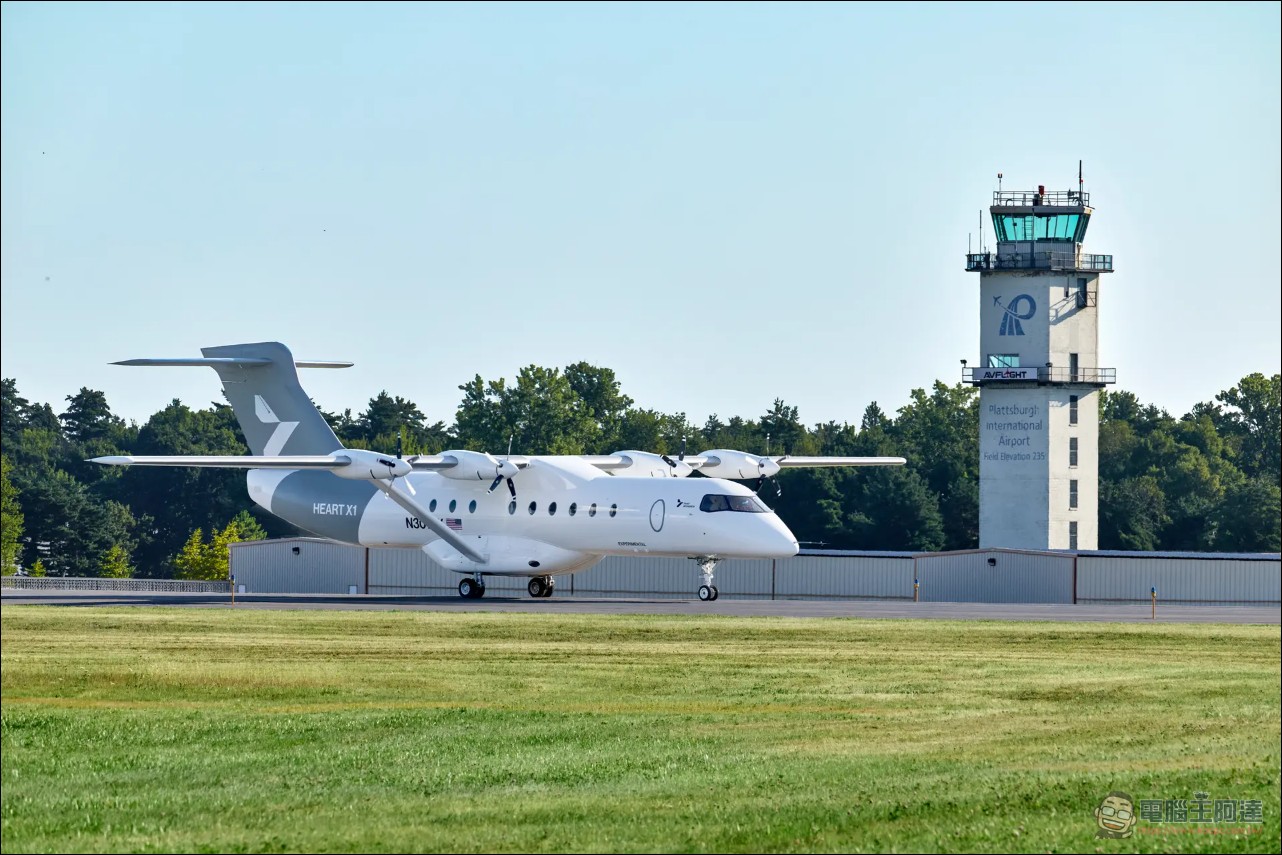
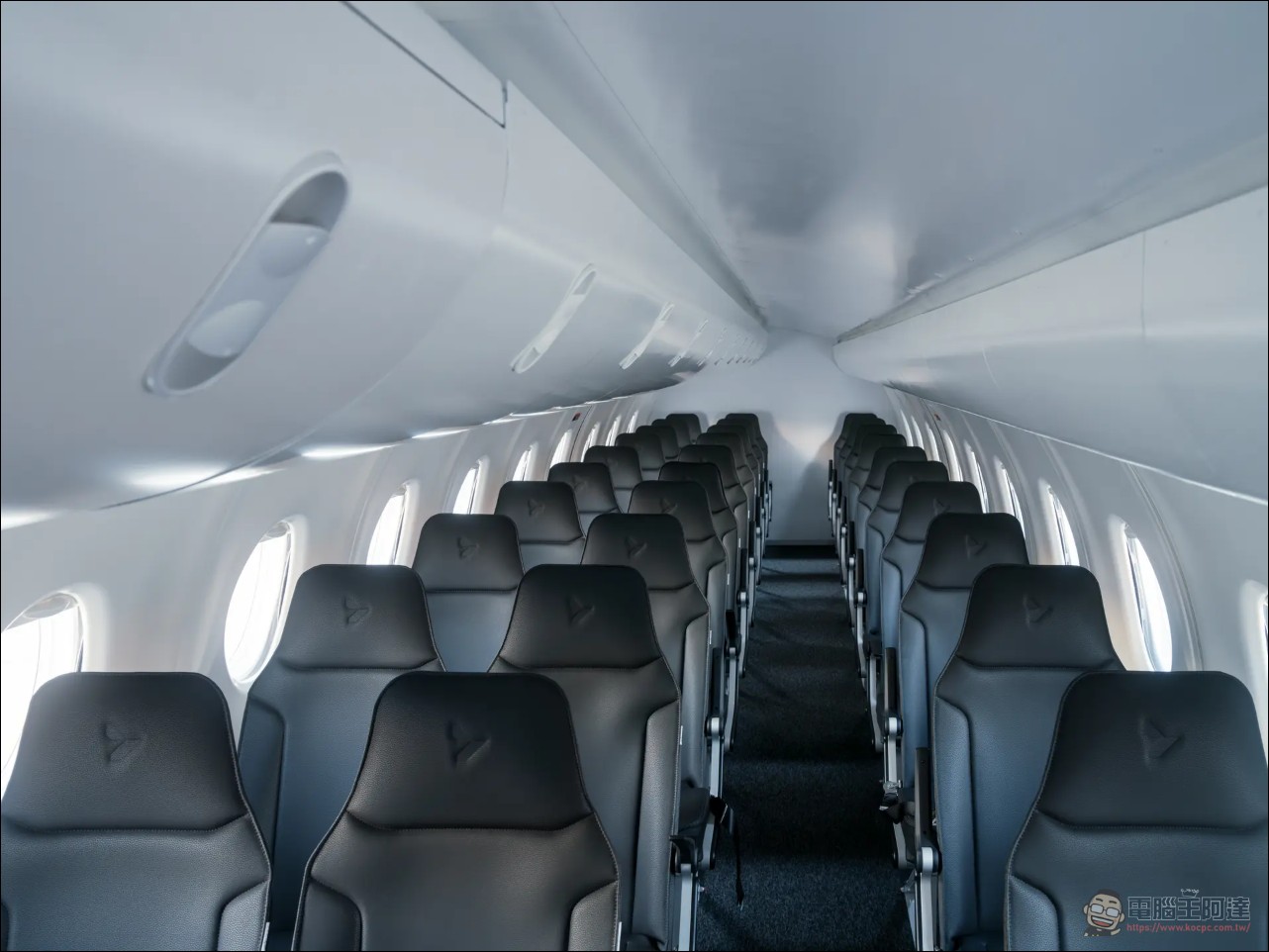
The ES-30’s specifications are designed for short-haul regional routes:
- All-electric range: 125 miles (approximately 200 km), suitable for island-hopping routes between islands or nearby cities
- Hybrid driving range:500 miles (approximately 800 km), and when equipped with a hybrid engine, it can cover longer regional routes.
- Charging time: : Fully charged in about 30 minutes
- Runway demand: : Minimum 3,600 feet (approximately 1,097 meters), capable of landing at small regional airports
- number of seats: 30 seats, targeting short-haul routes currently served by turboprop aircraft such as the Embraer ERJ.
Heart Aerospace estimates that the ES-30’s operating costs will be more than 40% lower than those of current regional aircraft. This cost advantage comes from three factors: lower electricity costs, simplified maintenance and improved reliability enabled by electric motors, and low exposure to global carbon emission taxes.
US$9.4 billion order and airline endorsement
ES-30 has received customer commitments from major airlines including United Airlines, Air Canada, and JSX, with total orders reaching $9.4 billion (approximately NT$305.5 billion). United Airlines CFO Michael Leskinen said: “The first flight of the X1 is a significant technical achievement for Heart Aerospace, and United Airlines is proud to support this company. Electric commercial aircraft have the potential to strengthen our operations while delivering a better travel experience for passengers.”
John Di Bert, Executive Vice President and Chief Financial Officer of Air Canada, said: “The aviation industry’s energy transition requires multiple solutions, from operational efficiency improvements to sustainable aviation fuel, and ultimately the development of new aircraft technology. Our investment in Heart Aerospace and the ES-30 reflects Air Canada’s commitment to supporting innovative technology.”
An “ambitious” timeline for entering service in 2031.
Heart Aerospace aims to bring the ES-30 into commercial service by 2031. In its coverage, Engadget described the timeline as “ambitious,” noting that most aircraft development programs have far longer certification cycles. Heart is currently developing the first pre-production ES-30 at its pilot production facility in Los Angeles, with flight testing expected to begin in 2028.
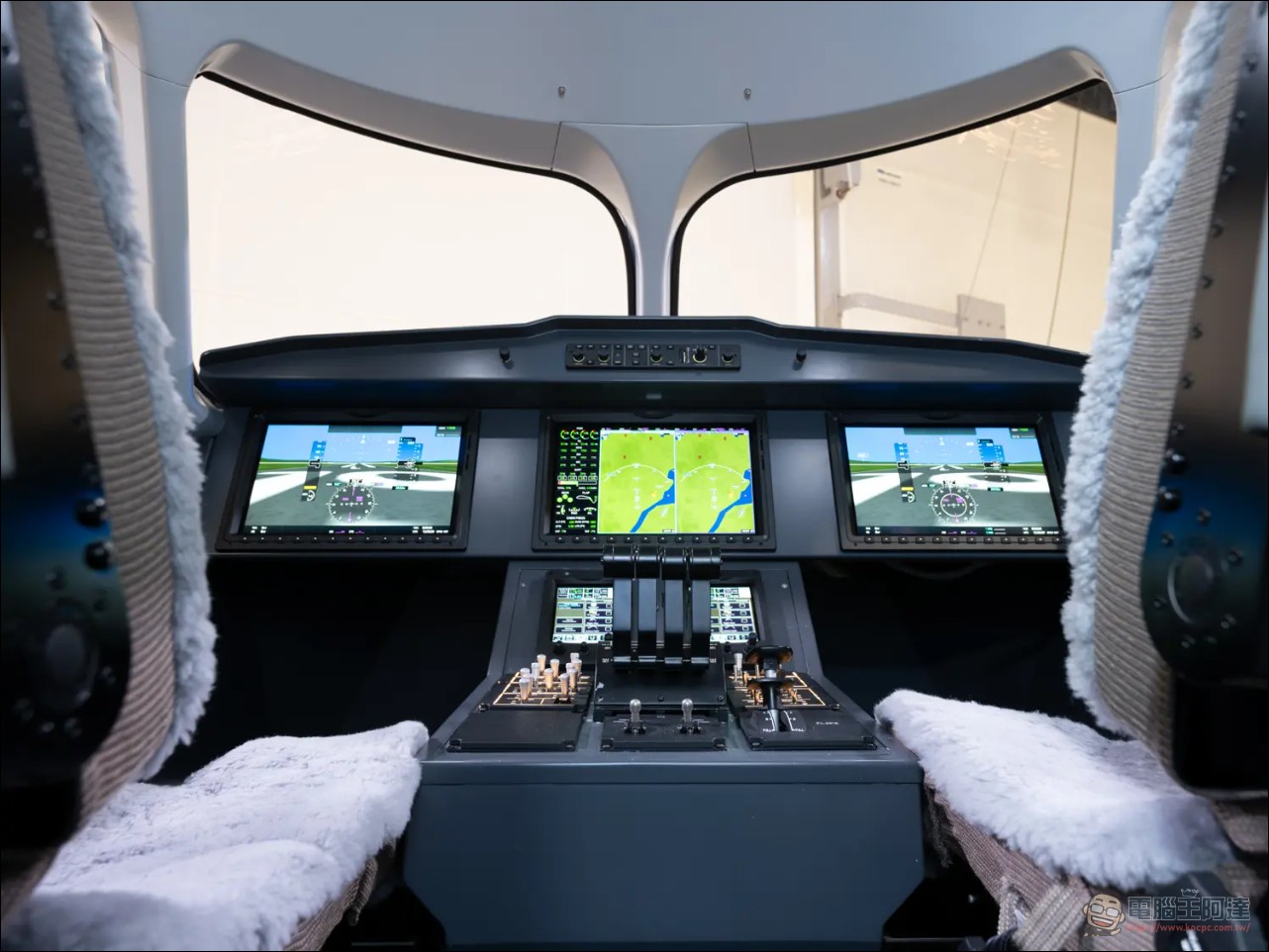
In addition, Heart Aerospace has proposed an even bolder vision: the ES-30 will initially be operated by a single pilot, but will eventually offer autonomous flight services. This vision remains controversial in the aviation industry, but it reflects Heart’s long-term planning for automation in electric aircraft.
Company Background and Competitive Landscape
Heart Aerospace was founded by Anders Forslund in 2018, initially based in Gothenburg, Sweden, and moved its headquarters to Los Angeles in April 2025. The company is a startup incubated by Y Combinator, and in 2024 it completed a $107 million (approximately NT$3.48 billion) Series B funding round, with investors including Bill Gates’s Breakthrough Energy Ventures.[1]
In the electric aviation sector, Heart Aerospace is not the only player. Engadget noted that it will compete with Boom Supersonic (supersonic passenger jets), Harbour Air (electric seaplanes), ZeroAvia (hydrogen-electric engines), and Rolls-Royce’s electric aircraft program. However, the commercial prospects of electric flight ultimately still depend on breakthroughs in battery technology. Engadget’s 2021 analysis pointed out that until battery energy density improves significantly, the commercial viability of fully electric aircraft remains in question.
The battery remains the biggest bottleneck.
The core challenges facing electric aircraft differ from those of electric vehicles. Cars can extend their range by adding battery packs, but on an aircraft, every kilogram of weight directly affects flight efficiency. Current mainstream lithium-ion batteries have an energy density of about 250 watt-hours per kilogram, while aviation fuel has an energy density of roughly 12,000 watt-hours per kilogram—a gap of nearly 50 times. This means that for the foreseeable future, the range of pure electric aircraft will remain strictly limited.

Heart Aerospace chose the hybrid route precisely to address this reality. The ES-30 is designed to fly 125 miles in pure electric mode, covering short-haul routes between islands and neighboring cities; when longer range is needed, it switches to hybrid mode, with a fuel engine generating power to extend the range to 500 miles. This “dual-mode” design allows the ES-30 to enter commercial operation without waiting for breakthroughs in battery technology.
The industry has high expectations for solid-state batteries. Theoretically, solid-state batteries can achieve an energy density of over 500 watt-hours per kilogram, and if mass production is realized, it would significantly extend the range of electric aircraft. However, large-scale commercialization of solid-state batteries will still take several years. Until then, Heart Aerospace’s hybrid strategy pragmatically balances environmental goals with commercial viability.
The first flight of the X1 proved that all-electric flight is feasible at commercial airliner scale. While the 27-minute flight time and 1,100-foot altitude are not impressive, for a battery-powered aircraft weighing 11 tons, this already represents substantial technological progress. The next key will be testing the ES-30’s hybrid propulsion system and whether it can obtain FAA certification on schedule in 2031.
Source: KOCPC Chinese