


When Google launched the Pixel 11 series, it emphasized that the new Pixel 11 Pro offers stronger scratch resistance, particularly with notable upgrades to both the screen coating and body materials. However, the latest tests from the EU have added some intriguing nuance to this claim. According to an assessment by the European Energy Label Product Registration Agency (EPREL), the smaller Pixel 11 Pro does not appear to perform as well as expected in terms of drop and impact resistance.
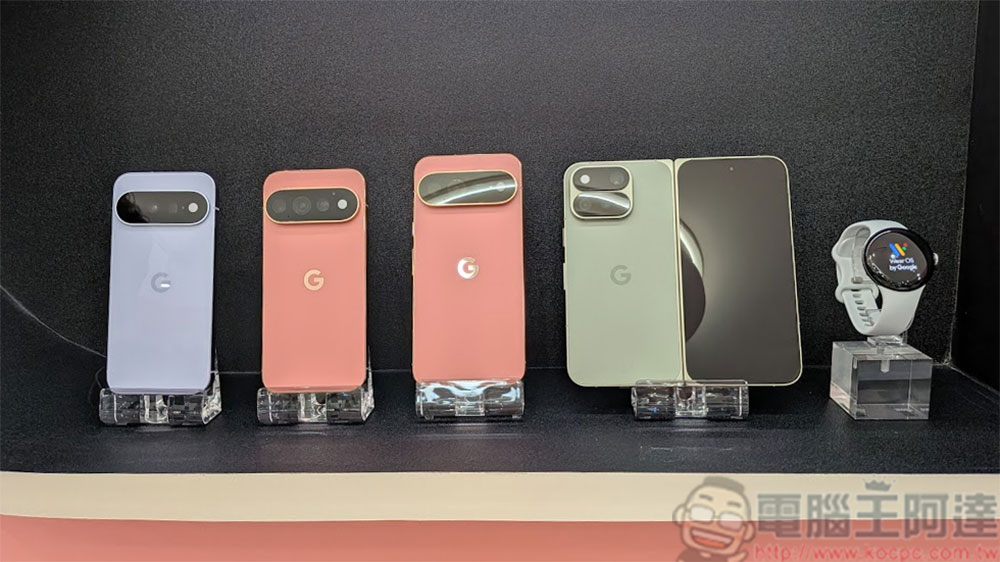
EU drop tests show that this model in the Pixel 11 series is the most prone to damage.
EPREL creates labels for newly launched smartphones every year, covering multiple indicators related to durability and lifespan, including battery capacity, battery life, dust and water resistance ratings, repairability, and the most closely watched “repeated free-fall reliability test.” This test records how many impacts a phone can withstand from repeated drops without developing functional defects, serving as an important basis for evaluating durability.
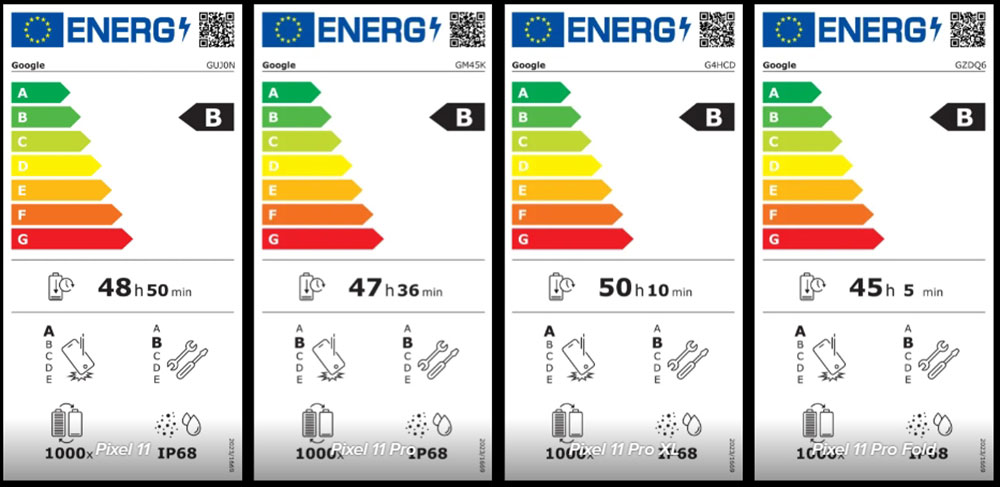
Looking at the overall ratings, the Pixel 11 series is not much different from last year’s lineup, once again receiving… EPREL The “B” rating. However, the detailed data reveals some unusual discrepancies. The Pixel 11 Pro XL, Pixel Fold, and the base model Pixel 11 all received an “A” rating in the drop test, consistent with the previous generation’s performance; only the Pixel 11 Pro clearly lagged behind. The EPREL test results are as follows:
- Pixel 11: 270 drop tests, rated “A”
- Pixel 11 Pro: 180 drop tests, rated “B”
- Pixel 11 Pro XL: 270 drop tests, rating “A”
- Pixel 11 Pro Fold: 210 drop tests, rated “A”
This result is indeed quite striking, especially since last year’s Pixel 10 Pro also survived 270 drops in the same test and earned an “A” rating, showing that Google’s Pro series had maintained fairly consistent durability in the past. Now, however, the Pixel 11 Pro’s drop count has fallen sharply to 180, which inevitably raises questions about whether there was an error in the testing process, or if this year’s Pixel 11 Pro underwent certain structural design changes that inadvertently affected its drop resistance.
The true cause of this difference cannot yet be determined. EPREL’s testing process is relatively standardized, so major discrepancies shouldn’t occur in theory; however, subtle variations in the phone manufacturing process, material choices, or internal structural adjustments could all affect how force is distributed during a drop. It’s also possible that the Pixel 11 Pro sacrificed some impact resistance in pursuit of a lighter, thinner feel or more space for heat dissipation.
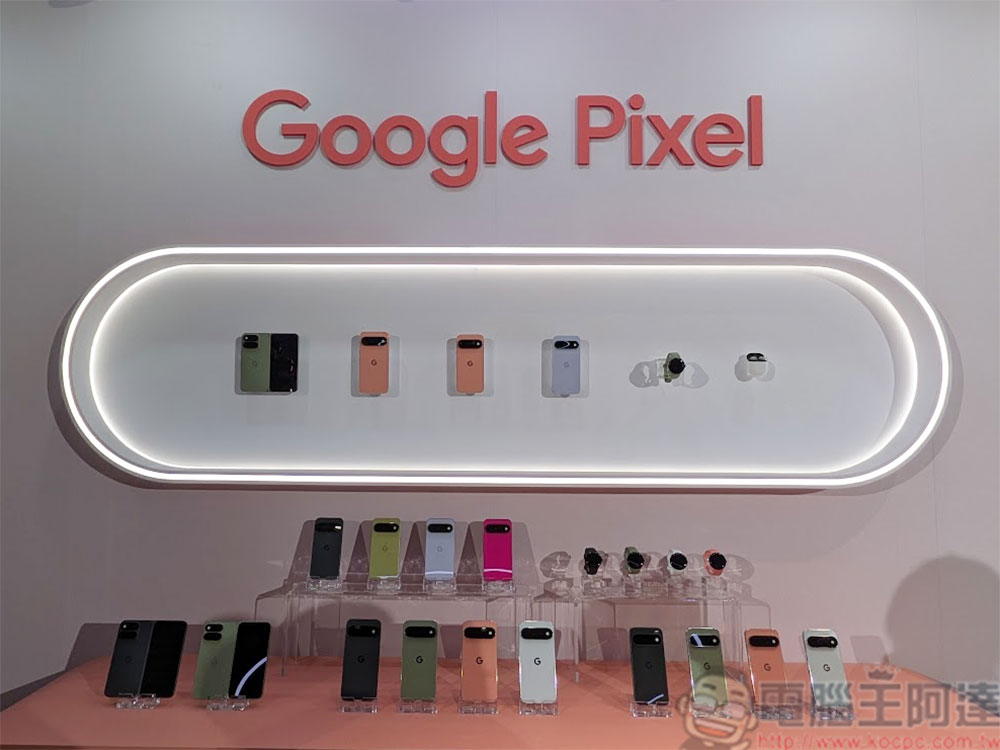
Regardless of the reason, this result does add a layer of uncertainty to the durability of the Pixel 11 Pro. For the average user, surviving 180 drops is still within an acceptable range, but when other models in the same series perform consistently, even upholding last year’s high standards, the Pixel 11 Pro’s shortfall stands out all the more. Should Google or EPREL provide further clarification in the future, it may shed more light on this durability puzzle.
Source: KOCPC Chinese