


According to Reuters, Meta, the parent company of Facebook and Instagram, is currently planning large-scale layoffs and plans to lay off about 20% of its employees, involving up to 16,000 people. This will be Meta’s largest layoff since its previous “Year of Efficiency” reorganization from 2022 to 2023, reflecting the structural changes of the technology giant under the current wave of heavy capital investment in AI.

The scale of layoffs hits a new high in recent years, with 16,000 people facing unemployment
ReutersQuoting three people familiar with the matter, Meta is planning large-scale layoffs, which may affect more than 20%. According to Meta’s latest filing with regulators, as of December 31, 2025, Meta had a total of approximately 78,865 employees, and approximately 16,000 people will be affected.
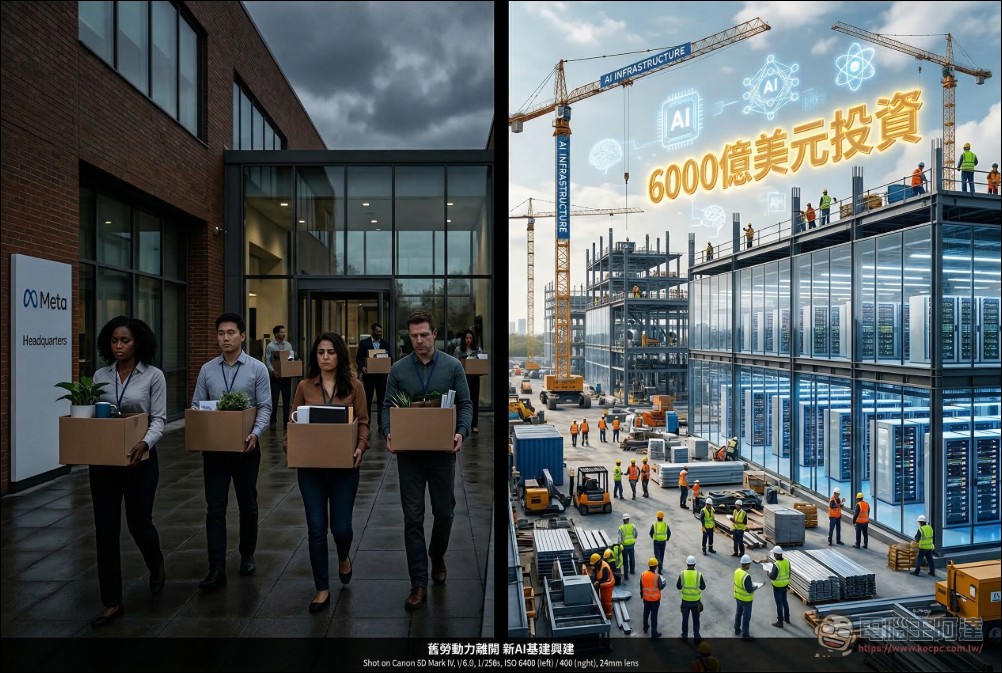
This will be Meta’s largest layoffs since its massive reorganization during the “Year of Efficiency” in 2022-2023. Looking back at history, Meta laid off about 11,000 employees in November 2022, accounting for about 13% of the total number of employees at that time; about 4 months later, in March 2023, it announced another 10,000 layoffs. Although there have been many small-scale layoffs and closure of its VR studios since then, if calculated at 20% this time, the scale is far greater than before.
Two sources, who spoke on condition of anonymity, said Meta executives had disclosed the layoff plans to other executives and instructed them to begin developing plans to reduce headcount. Reuters pointed out that the specific timetable for layoffs has not yet been determined, and the scale has not yet been finalized. But as soon as the news came out, it has attracted widespread attention in the technology circle. This is a bombshell for the 16,000 employees and their families who may be affected.
AI investment advances at full speed, US$600 billion to build infrastructure
Behind Meta’s drastic layoffs is its full bet on the AI field. The company plans to spend $600 billion to build data centers in the United States by 2028 to support its massive AI development plan. The scale of this investment is staggering, equivalent to the annual GDP of many countries, highlighting Meta’s ambition to win in the AI era.
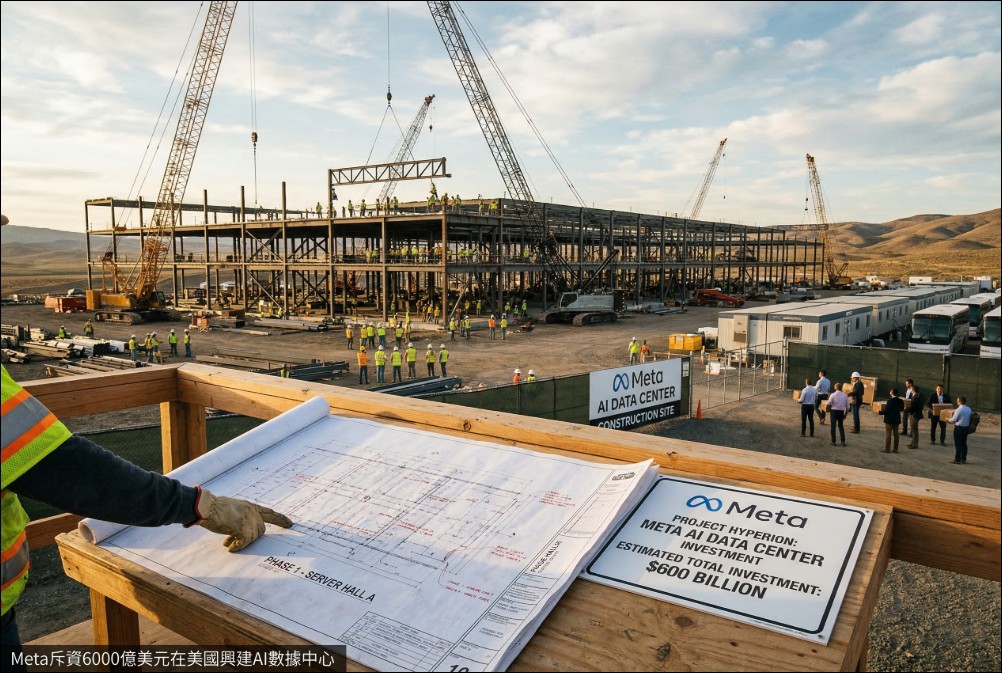
In addition to infrastructure investment, Meta is also active in AI start-up acquisitions. The company has just exceeded AI agency startup Manus acquired for $2 billion; This week also completed the acquisition of Moltbook, a social networking platform designed for AI agents. These acquisitions show that Meta is actively deploying the field of AI agents in an attempt to occupy a favorable position in the next wave of technology.
CEO Mark Zuckerberg recently said that projects that used to require a large team to complete can now be completed by one extremely capable person. These words are both a compliment to the efficiency of AI and a hint as to why the company dares to lay off people on a large scale: With the assistance of AI, fewer people can do more work.
Avocado model frustrated, AI R&D faces challenges
However, Meta’s road to AI has not been smooth sailing. Avocado, the next-generation large-scale language model developed by its TBD Lab (“To Be Determined” Lab), was originally scheduled to be launched this month. However, due to failure to match the performance of Google Gemini 3.0 during testing, the release time has been postponed to May or even later. This setback puts Meta in an awkward position: on the one hand, it is betting heavily on AI, but on the other hand, its core products have been slow to meet the standards.

What’s even more surprising is that it is rumored that Meta is even considering temporarily licensing the Gemini model to Google to fill product gaps. If this news is true, it will be a major shift in Meta AI’s strategy. After all, Meta has always flaunted its own AI capabilities. If it ultimately needs to rely on competitors’ technology, it will undoubtedly be a ruthless blow to its R&D capabilities.
The wave of layoffs in the technology industry continues, and AI has become the norm to replace humans
Meta’s proposed layoffs are not isolated and reflect the tectonic shifts the entire tech industry is facing, driven by AI. Amazon earlier announced that it would lay off about 16,000 corporate employees, accounting for about 10% of the company’s total workforce, which is the company’s largest layoff in 30 years. The financial technology company Block also announced the layoff of more than 4,000 employees, accounting for nearly 50% of the total number of employees. Its CEO Jack Dorsey bluntly stated that AI tools have fundamentally changed the way the company operates.
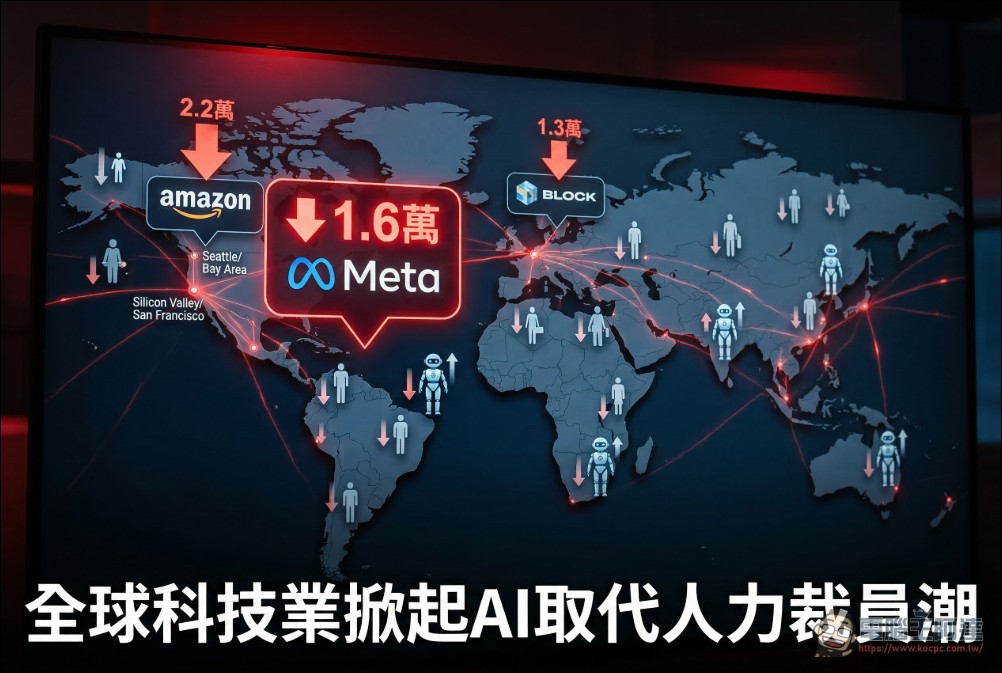
This wave of layoffs is different from previous “economic downturns” or “poor performance.” There are no obvious problems with the performance of most companies. The main motivation for layoffs is “efficiency improvement”: replacing repetitive tasks with AI tools and completing the same output with less manpower. This kind of “structural layoffs” is more difficult to deal with than economic layoffs, because even if the economy recovers, the jobs replaced by AI will be difficult to return.
summary
It is worth noting that while Meta is laying off employees on a large scale, it is aggressively acquiring various AI innovations and investing in various AI infrastructure. However, it has suffered setbacks in the development of AI open source models (Avocado has been delayed; almost all FAIR core staff have resigned), and may even have to ask Google for help. This chaotic situation of the multi-headed carriage route may be Meta’s biggest problem now. Maybe Azu needs to slow down his pace and think about what he and Meta want.
Source: KOCPC Chinese