


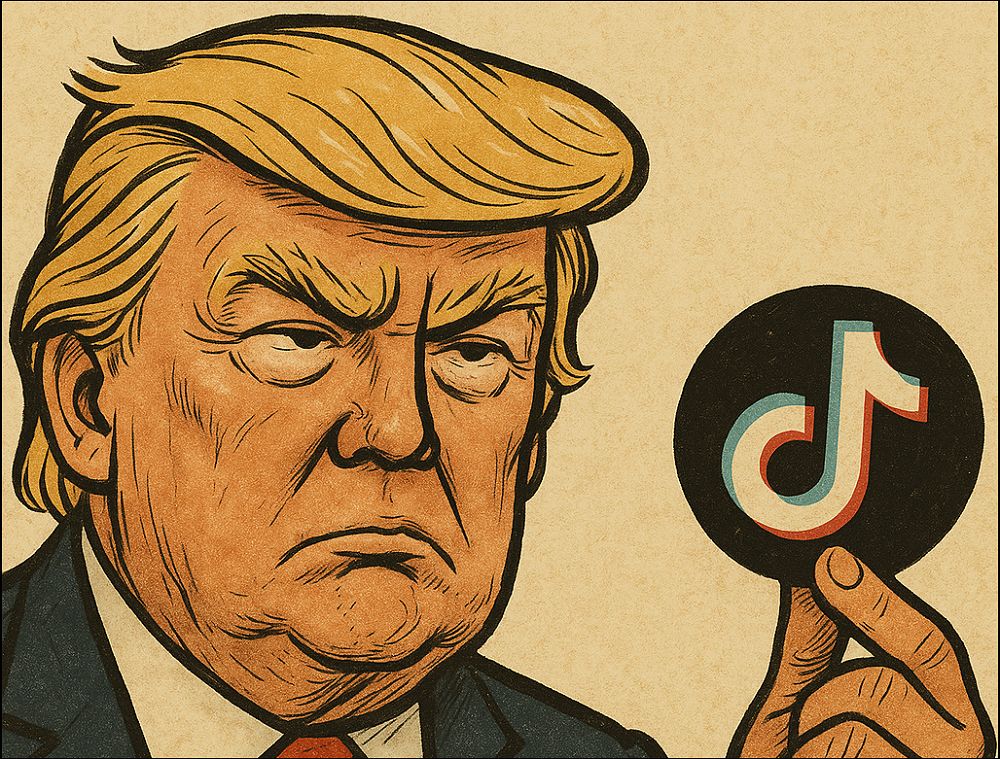
According to people familiar with the matter, the Trump administration will charge a total of up to US$10 billion (approximately NT$320 billion) in intermediary fees in assisting TikTok’s US business transactions. The first US$250 million was paid to the US Treasury when the transaction was completed in January this year. This amount broke the historical record for fees charged by the U.S. government to assist commercial transactions. Even historians said that such a high government fee was unprecedented.
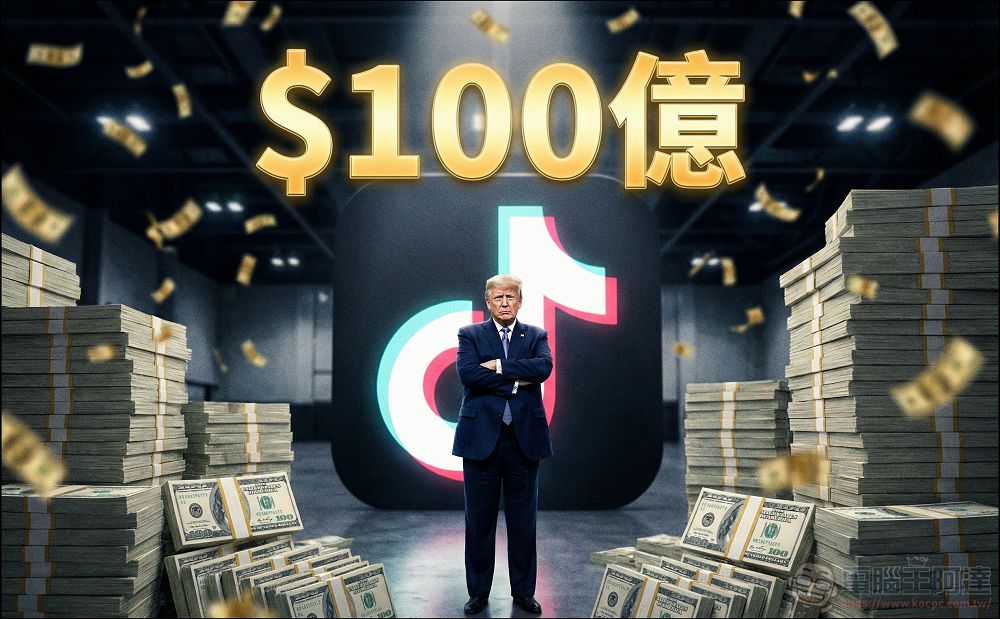
The Trump administration facilitated TikTok’s U.S. localization deal and is rumored to receive a sky-high US$10 billion in intermediary fees
According to the agreement, the new entity responsible for operating TikTok’s U.S. business (TikTok USDS Joint Venture LLC) is valued at approximately US$14 billion. A strong lineup of investors participated in this transaction, including cloud computing giant Oracle, private equity firm Silver Lake, and Abu Dhabi investment institution MGX. Each of these three investors holds 15% of the shares. The original parent company, ByteDance, still retains about 19.9% of the new entity, just below the 20% threshold required by law.
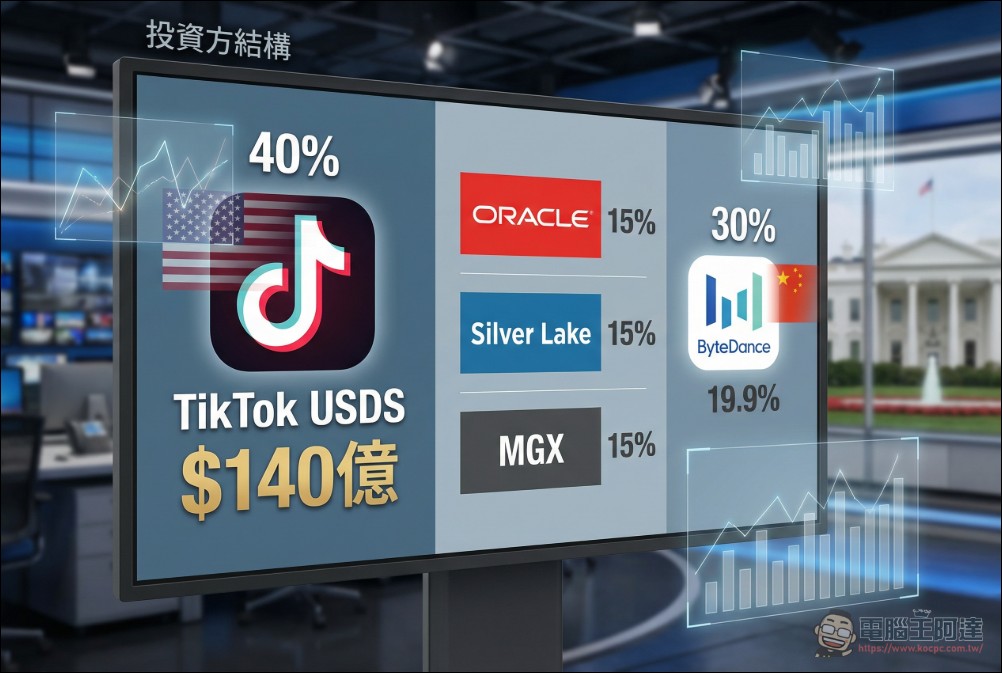
In addition, TikTok’s new U.S. entity needs to share profits with ByteDance, and ByteDance has licensed its core algorithm to the new company, allowing the new entity to conduct complete model training based on U.S. user data. The arrangement is also seen as a compromise between satisfying U.S. national security concerns and retaining TikTok’s core technology.
Trump: We deserve compensation
When Trump announced the framework of the deal in September last year, he made it clear: “The relevant negotiations have not been fully finalized, but we will get a sum of money.” He also emphasized that the scale of the deal and the money and energy invested by the government should be compensated accordingly. Trump even described it as a “success fee” at the time. Just for facilitating the transaction, the government should get the money and did not want to give it up in vain.
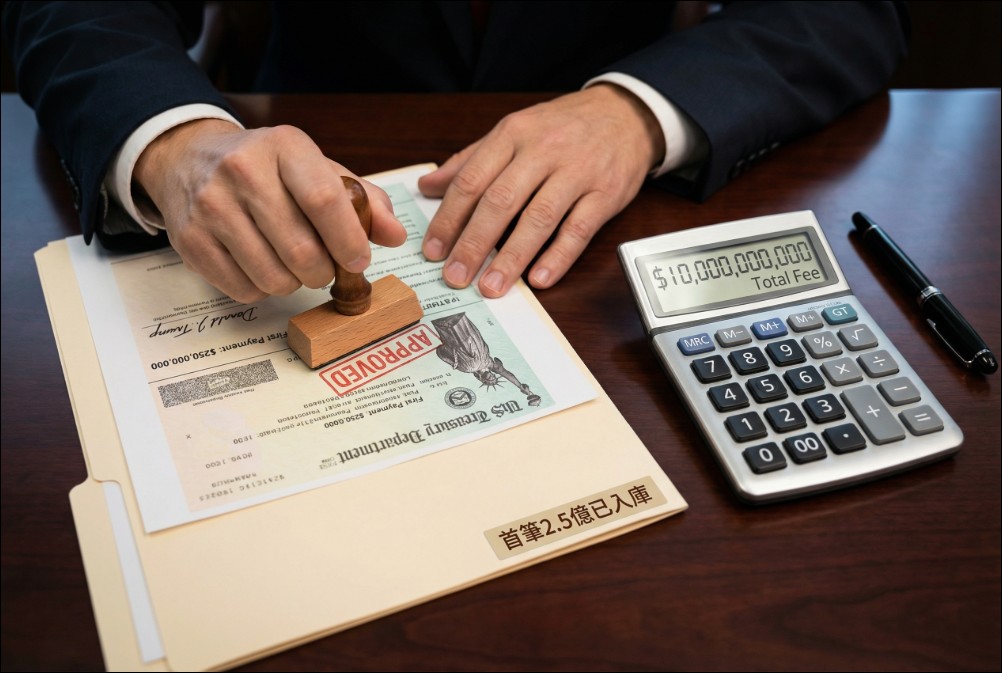
Trump administration officials emphasized that the fee was reasonable and justified considering Trump’s key role in saving TikTok’s U.S. business, promoting deal negotiations with China, and responding to the security concerns of members of Congress. The core motivation for this transaction is to comply with a U.S. law that requires TikTok’s U.S. business to reduce its shareholding ratio in ByteDance, otherwise it will face the fate of ceasing operations in the United States.
National security concerns linger, TikTok controversy continues for many years
For years, U.S. lawmakers have continued to worry that a Chinese company controlling an app that holds vast troves of personal data on U.S. users poses serious national security risks. The controversy dates back to Trump’s first term as president, when he threatened a ban on TikTok. However, TikTok’s extremely high popularity among young users in the United States makes it a social issue that is difficult to easily cut off.
Some technology analysts believe the $14 billion valuation significantly understates the actual value of TikTok’s U.S. business. As one of the most downloaded short video platforms in the world, TikTok has more than 170 million monthly active users in the United States. Its advertising revenue and e-commerce potential cannot be underestimated. Previous estimates have been as high as US$30 to US$50 billion.
Comparing traditional investment banking fees with a record high of US$10 billion
In traditional commercial M&A transactions, the fees charged by investment banks that provide advisory services are typically less than 1% of the deal value, and the larger the deal, the lower the fees typically are. Bank of America is expected to be paid about $130 million after advising on rail operator Norfolk Southern’s $71.5 billion acquisition by Union Pacific, according to records, one of the highest fees ever paid by a single bank for a single deal. In comparison, the $10 billion in fees charged by the Trump administration accounted for 71% of the entire transaction valuation, far exceeding the fees charged by traditional investment banks by more than 100 times.
A look at the Trump administration’s recent business transactions
The TikTok deal is not the first time the Trump administration has sought benefits from big tech companies. According to information, the Trump administration has recently reached similar agreements with a number of large American companies:
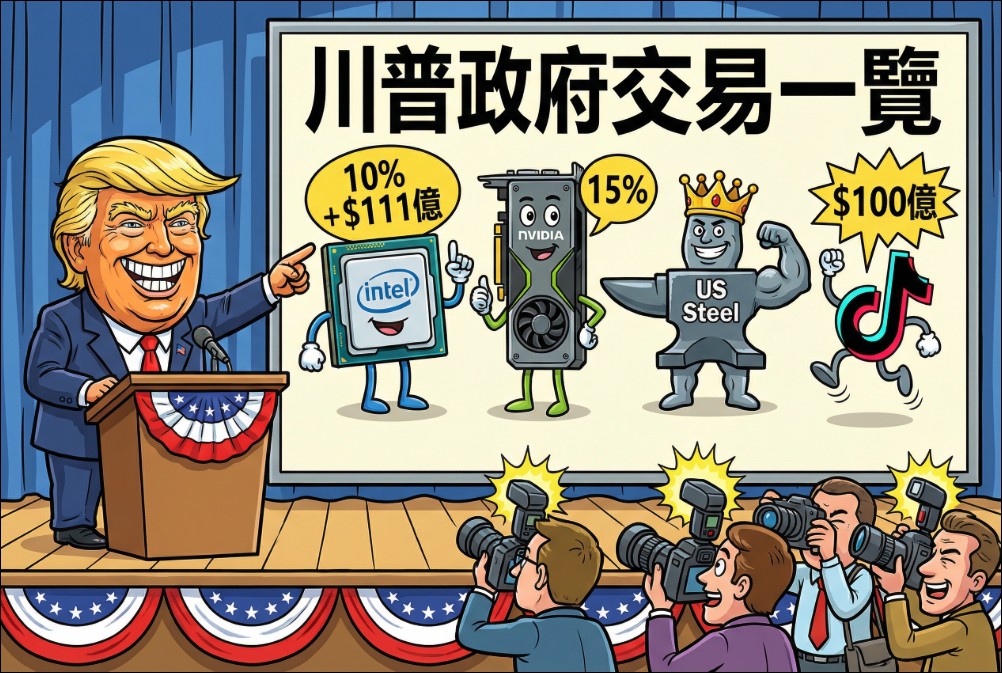
Intel: The Trump administration has acquired nearly 10% of the semiconductor giant. The U.S. government obtained 433.3 million non-voting shares at a price of $20.47 per share by converting $11.1 billion in previously released funds and commitments. This makes the U.S. government one of Intel’s largest shareholders.
NVIDIA: The Trump administration requires Huida to pay a 15% profit share when selling H20 chips to China in exchange for export licenses. The arrangement was seen by critics as yet another example of government interference in the market.
US Steel: After reaching an agreement with Nippon Steel, the Trump administration obtained a “golden stock” with operational say.
Criticism continues to mount over the Trump administration’s frequent interference in business transactions on the grounds of national security. The Cato Institute criticized this as doing real harm to U.S. technology leadership. Senior investors also question whether this approach is good for taxpayers and worry that the government may interfere with daily business decisions of companies.
summary
The Trump administration collected US$10 billion in intermediary fees through TikTok transactions, which not only set a historical precedent, but also triggered heated discussions about the role of the government. From semiconductor chips to the steel industry, the Trump administration is reshaping the lines of power between the U.S. government and private companies in the name of national security. The long-term impact of these transactions remains to be tested by time. In short, Trump really knows how to play.
Source: KOCPC Chinese