


SpaceX dropped a bombshell on its first quarterly earnings call on August 4 ET: a partnership with Nvidia to co-design the computing payload for the Starmind AI1 satellite. Each Starmind satellite will carry Nvidia’s next-generation Rubin GPU and Vera CPU, with the goal of achieving data center-class AI computing capability in low Earth orbit. This marks the first time SpaceX has publicly confirmed a hardware partner for the Starmind program. Elon Musk stated directly on the call that the reason SpaceX is fully adopting Nvidia GPUs is simply that “they’re the best.” That statement effectively serves as an endorsement of Nvidia’s leading position in the space computing market.
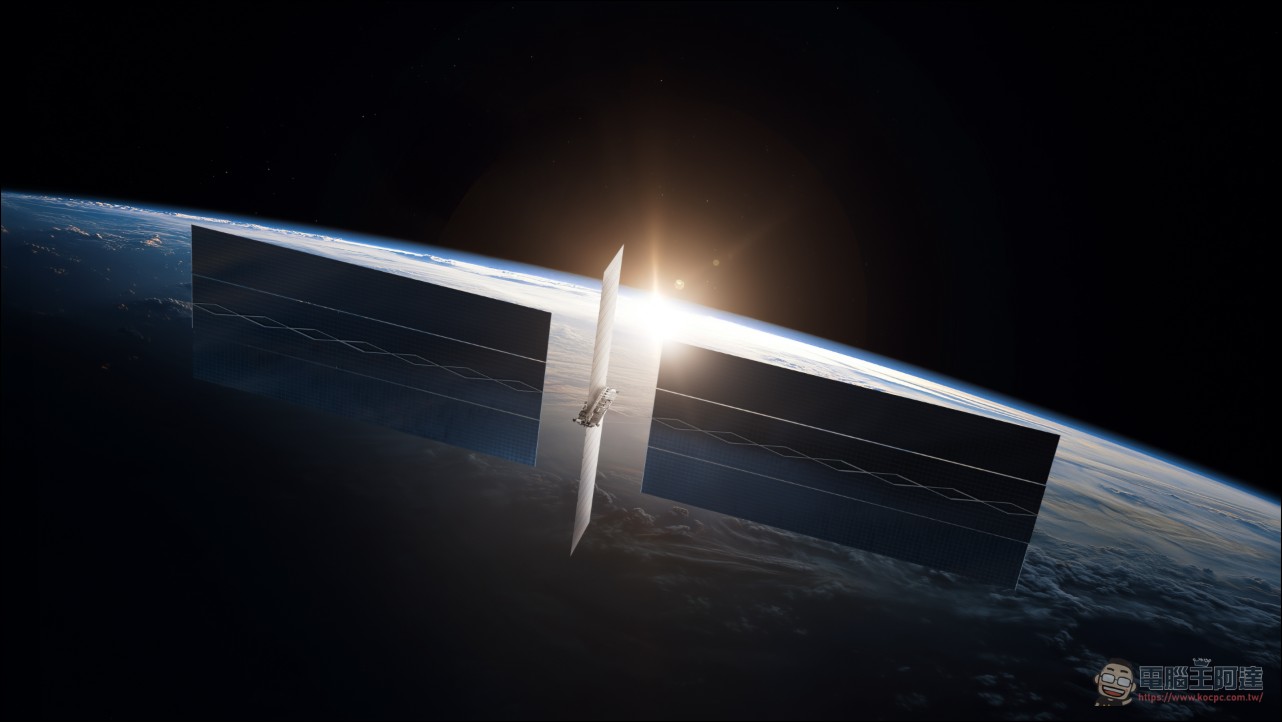
SpaceX and Nvidia partner to build an orbital AI data center: Starmind AI1 satellite equipped with Rubin GPUs
The Starmind project is far more than just a single satellite—SpaceX’s vision is to build a distributed AI supercomputer network in orbit, consisting of up to one million satellites. Earlier this year, SpaceX filed an application with the U.S. Federal Communications Commission (FCC) requesting approval to deploy this constellation of orbital data center satellites at altitudes of roughly 500 to 2,000 kilometers above the ground. If approved, the constellation would far exceed the approximately 15,000 active satellites currently orbiting Earth, making it one of the largest space infrastructure projects in human history.
According to the FCC filing submitted by SpaceX, this orbital network will use a petabit-scale optical communication system, enabling satellites to exchange data via high-speed laser links. The satellite architecture is also designed with replaceable hardware, allowing processors to be swapped out in the future without redesigning the entire satellite, enabling the constellation to continuously upgrade alongside advances in chip generations. For a company that simultaneously operates the Starlink satellite network and Falcon 9 / Starship launch services, the marginal cost of integrating computing payloads into the satellite platform is far lower than for typical satellite manufacturers.
Nvidia space-grade chip: 25 times the performance of the H100
For this partnership, Nvidia provides its Space-1 Vera Rubin module, which pairs the next-generation Rubin GPU with the Vera CPU. According to Nvidia, the module delivers up to 25 times the AI processing performance of the H100 GPU. The H100 is currently the dominant compute chip in AI data centers worldwide, widely deployed by companies such as OpenAI, Google, and Meta. By bringing this level of computing power to orbit, the Space-1 module marks a shift in which space is no longer just a platform for communications and observation, but an entirely new arena for AI computing. Commercial shipments are expected to begin later this year.
SpaceX is partnering with @Nvidia to design the Starmind AI1 satellite compute payload.
Each of the Starmind satellites will include NVIDIA Rubin GPUs and Vera CPUs for datacenter class space compute → https://t.co/4MOQv0DvTQ pic.twitter.com/rC7UBAznAO
— SpaceX (@SpaceX) August 4, 2026
When Nvidia first unveiled its space computing platform in March this year, it announced six launch partners, but SpaceX was not among them at the time. Less than six months later, SpaceX has joined the ecosystem, showing that negotiations between the two sides progressed quite rapidly. For Nvidia, securing SpaceX as a partner means gaining the most talked-about customer in the space AI computing market. In recent years, Nvidia has continued to expand the application scenarios of its AI chips—from gaming graphics cards to data centers, autonomous vehicles, and robotics—and now extends its reach into space, cementing its comprehensive position in AI infrastructure.
Advantages of Space Computing: Solar Power, Heat Dissipation, and Low Latency
SpaceX believes the space environment offers multiple structural advantages for AI computing. Satellites operating in sun-synchronous orbits can continuously harvest solar power without relying on Earth’s power grid, eliminating the electricity costs and carbon emissions that ground-based data centers face. The cold vacuum of space aids processor heat dissipation, and compared to the massive cooling infrastructure required for terrestrial data centers, the cost structure for orbital computing is fundamentally different.
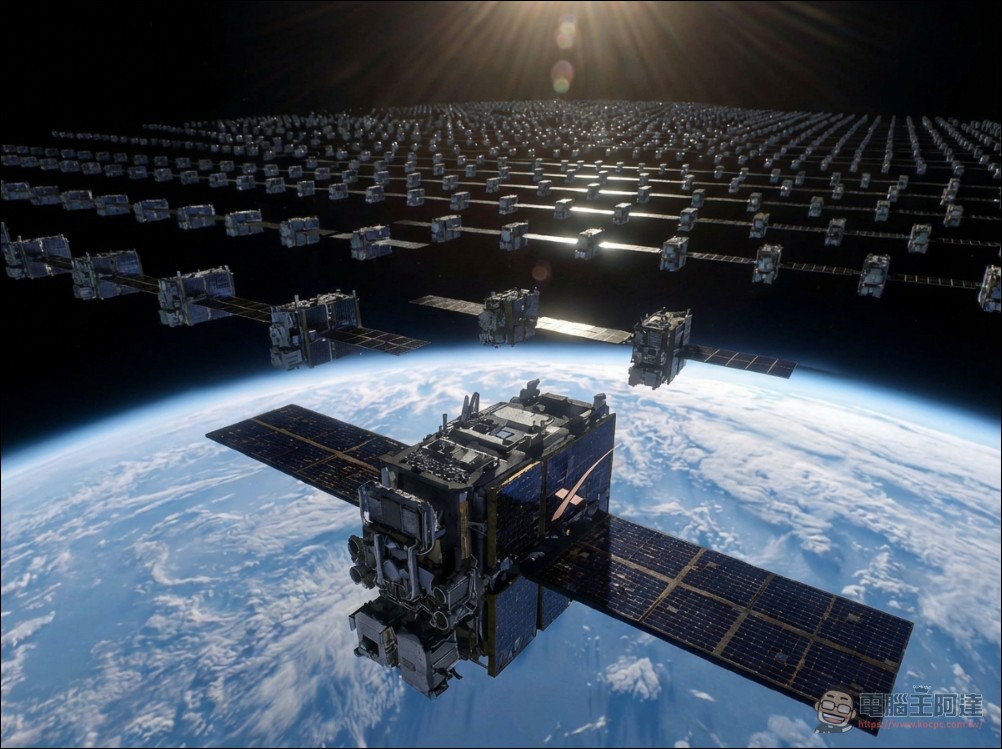
Another key advantage is latency. Starmind satellites are positioned close to the orbit of SpaceX’s Starlink satellite network, which reduces round-trip time for data transmission. For use cases that require real-time processing of satellite imagery, Earth observation data, or on-orbit inference, orbital computing eliminates the time cost of sending data back to the ground for processing. Optical laser links also enable high-bandwidth data channels between satellites, allowing computing nodes distributed across different orbital planes to work collaboratively, forming what is effectively a space-based distributed computing cluster.
Timeline, Regulation, and Market Reaction
Prototype testing for Starmind AI1 is scheduled to begin in early 2027, and if development progresses smoothly, mass production will follow later that same year. On the regulatory front, the FCC approved the initial application earlier this year, but a final decision on the larger-scale satellite deployment has yet to be made. With approximately 15,000 active satellites already in orbit globally, the application for one million orbital data centers is certain to spark controversy over orbital congestion, space debris, and light pollution, and the review process is expected to be lengthy.
SpaceX released its first quarterly earnings report since going public on the same day. The data showed that the company’s revenue across its three business segments—space, connectivity, and AI—grew 92% year-over-year, demonstrating the results of deep vertical integration. Market reaction to the Starmind partnership news was positive, with Nvidia shares rising about 3% during the day’s trading. SpaceX shares had initially surged nearly 9%, but after the 8/5 earnings details and high expenses came to light, shares reversed sharply in after-hours and next-day trading, falling 13%.
Source: KOCPC Chinese