


Microsoft recently officially confirmed that in order to make Windows 11 return to a more “calm” and less disruptive user experience, the company is working to reduce “up-sell” content in the system, that is, various forms of advertising and recommendations. This adjustment in direction echoes the Windows 11 major update just announced on March 20. This update focuses on performance improvements and interface optimization, including accelerating file management, migrating the start menu from React to WinUI 3, providing a customizable Windows Update pause function, and even the Copilot function in Notepad has been streamlined.
To win back users, Microsoft plans to make Windows 11 simpler and reduce ads
However, these improvements are not enough to completely restore the rapid decline in Windows 11’s reputation in recent years. From reduced game performance, BitLocker recovery issues, boot abnormalities, to black screen crashes, etc., the stability of Windows 11 has been repeatedly questioned. What makes users even more disgusted is Microsoft’s strategy of forcibly promoting its own services throughout the system. In particular, Copilot has penetrated into almost every corner of the operating system, including the start menu, settings page, and even Notepad.
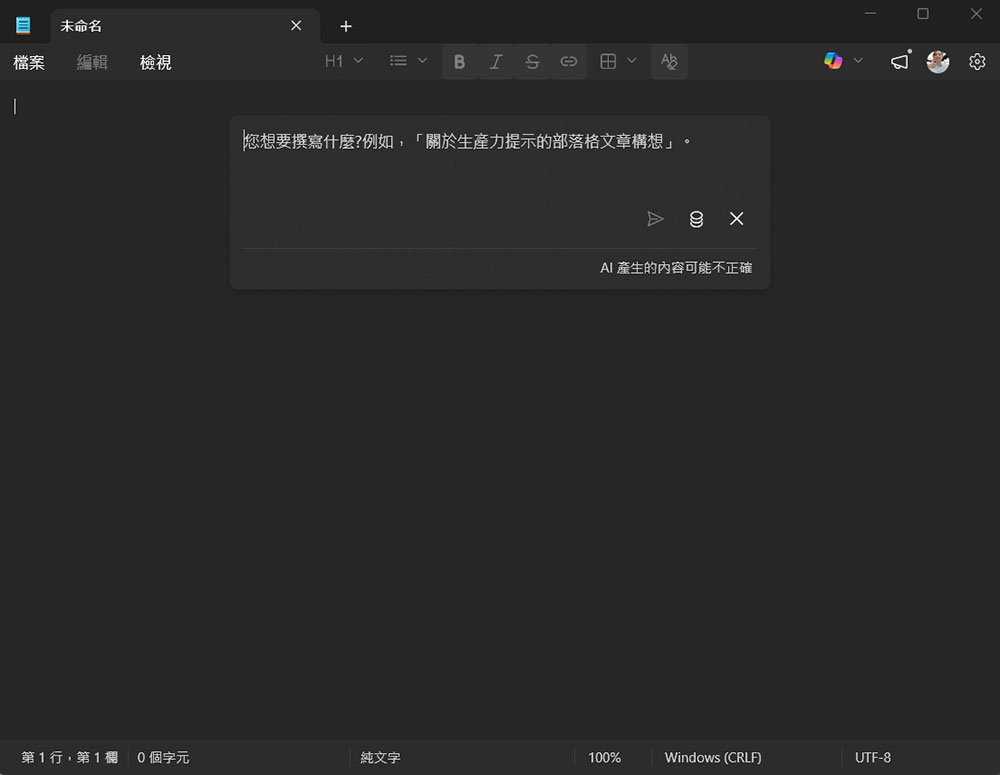
This “Copilot” strategy has made many loyal users feel forced to accept it, and some users even jokingly called Microsoft “Microslop”. Now Microsoft is changing course, apparently realizing that this over-promotion has triggered a backlash. according to Windows Latest According to reports, Scott Hanselman, the Microsoft executive responsible for the Windows repair project, said recently in response to user complaints on the
Yes a calmer and more chill OS with fewer upsells is a goal
— Scott Hanselman 🌮 (@shanselman) March 21, 2026
This user’s complaint is not unfounded. In the past, Microsoft had popped up a Bing Chat (now Copilot) pop-up window when it detected that the default browser was Chrome, and tried to reset the default browser and install Bing extensions after the user clicked on it. This type of behavior has been criticized as “near malware-like tactics.” Although these pop-ups have since been withdrawn, they are just the tip of the iceberg when it comes to Windows 11’s built-in advertising problems.
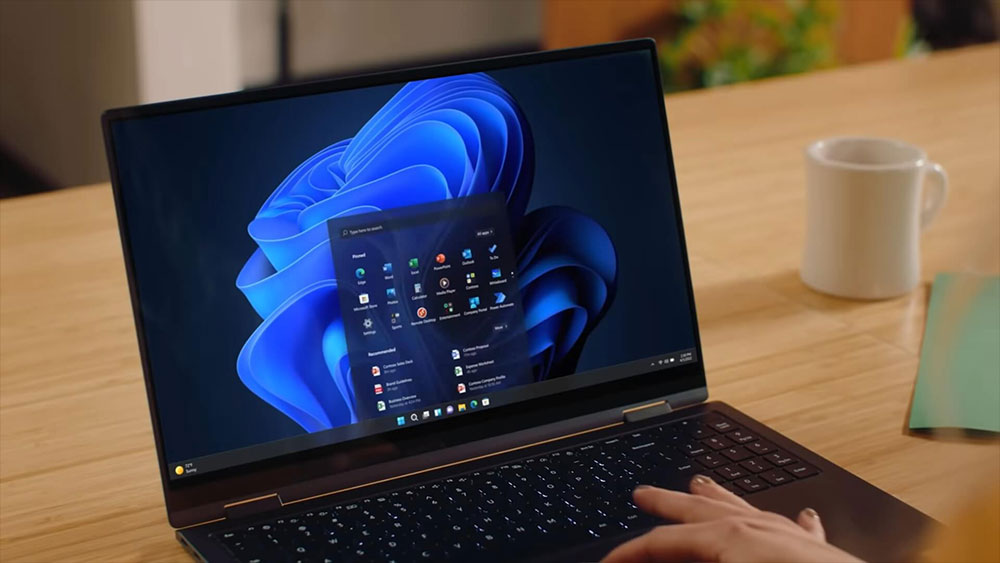
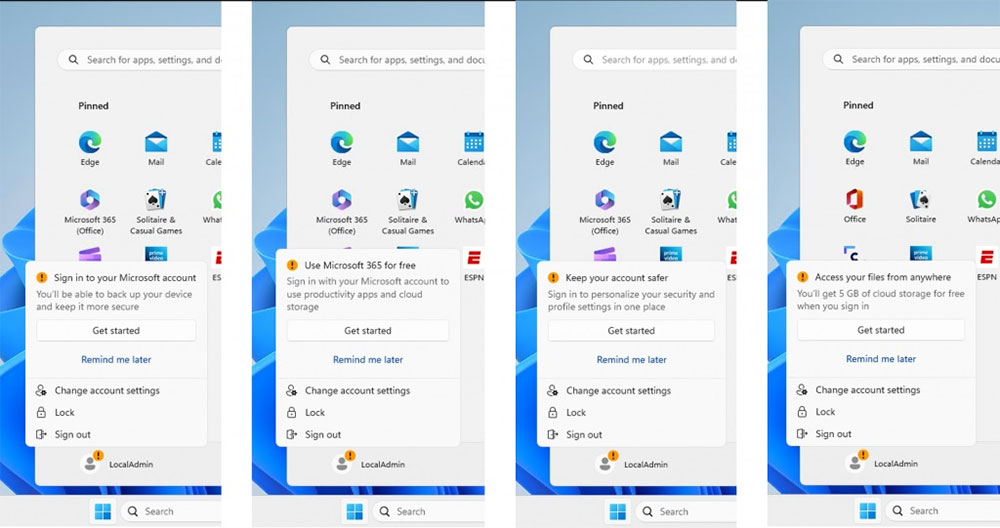
Microsoft has long promoted its own products in Windows, but Windows 11 takes that promotion to an unprecedented level. From the recommendations for Microsoft 365, OneDrive, and Copilot in the first-time startup screen (OOBE) to the full-screen prompts that pop up when using Chrome, Microsoft seems to be doing everything possible. Although users can turn off some “suggested” apps in “Settings > Personalization > Start”, this is more of a stopgap measure that treats the symptoms rather than the root cause.
The real problem is: users have already paid for Windows, whether they are purchasing licenses or buying devices with Windows pre-installed, they should no longer be forced to accept advertisements. The operating system should essentially be a tool, not an advertising platform. Therefore, although the signal released by Microsoft this time is not a formal product announcement, it does reveal that the company hopes to return Windows 11 to a cleaner and friendlier direction. Advertising may not disappear completely, but at least Microsoft is beginning to realize the importance of “enough is enough.”
Source: KOCPC Chinese