


NVIDIA CEO Jensen Huang recently accepted an exclusive interview with the well-known podcast Lex Fridman (Lex Fridman Podcast #494), rarely talking about death, succession planning, and his vision for the future of the company. The technology giant, who is worth hundreds of billions of dollars, said he does not believe in traditional “succession planning.” Instead, he hopes to die suddenly at work. “It is best to kill him on the spot, so that there will be no long-term pain.”
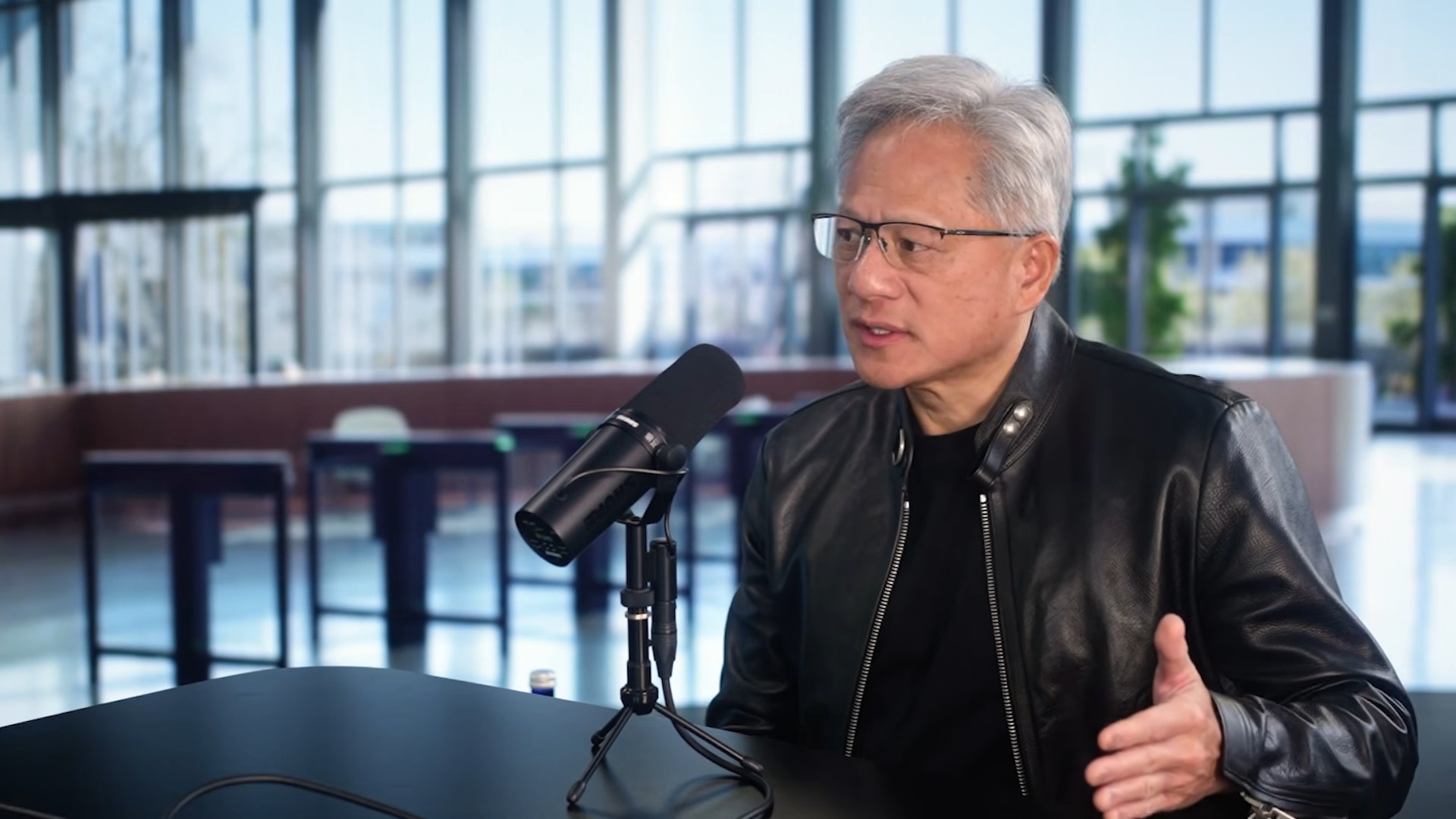
“I really don’t want to die” but accept the end of life
In the interview, host Lex Fridman mentioned: “NVIDIA’s huge success has made countless people’s lives dependent on you, but everyone is destined to die. Will you think about your own end? Are you afraid of death?”
In this regard, Huang Renxun said that he really did not want to die, “My life is very good, I have a wonderful family, and I still have very important things to do.” But he also admitted that when it comes to successor plans, he has always been outspoken. He has publicly expressed his distrust of successor plans. This is well-known in the industry, “but not because he is immortal.”
“The outcome I hope for is to die suddenly at work. It is best to die on the spot, so that there will be no long-term pain.” Huang Renxun said.
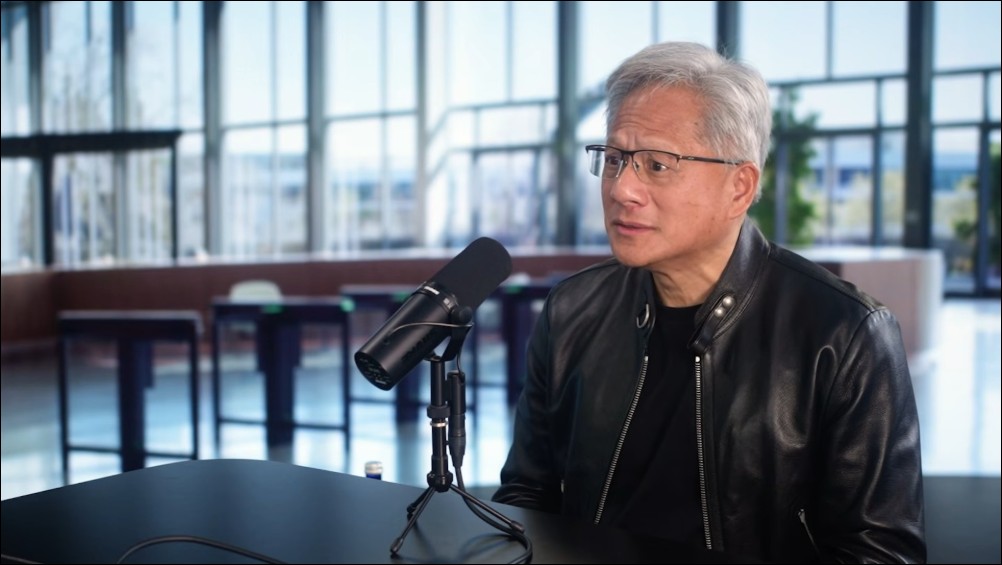
Unique leadership philosophy that does not believe in succession planning
In the interview, Huang further explained why he doesn’t believe in traditional succession planning. “If you’re worried about succession planning, if you’re anxious about succession planning, what should you do? You should break everything down,” he said.
Huang Renxun believes: “If you care about the future of the company after you, the most important thing today is to transfer knowledge, information, insights, skills and experience as frequently and continuously as possible. This is why I continue to reason everything in front of the team.”
This philosophy reflects Huang’s unique leadership style. As we all know, NVIDIA adopts a flat management structure, with up to 60 senior executives reporting directly to Huang Renxun. At the same time, he also focuses on micro-managing various departments, requiring his direct subordinates to submit “five major priorities” every week, so that he can continue to understand the dynamics of all aspects of the company.
Huang once said that any of the 60 direct reports could take over as CEO because they “know it all.” This culture of knowledge sharing gave him confidence that the company could continue to operate without him.
Vision of digital immortality: launching consciousness into space
Looking ahead to the future 10 years from now, or even 100 years from now, Huang is confident in humanity’s capabilities. “We will extrapolate into the future based on what we are doing,” he said. “There are so many hard problems we want to solve, such as ending disease, reducing pollution, etc.”
What’s even more surprising is that Huang Renxun also revealed a bold idea about “digital immortality”. “We will soon launch a dedicated humanoid robot into space that will continue to strengthen during flight,” he said.
“When the time comes, I will accumulate most of my life (email box, everything I have done, everything I have said) into a conscious AI, and then launch it into space at the speed of light to catch up with the previously launched robots.” Jen-Hsun Huang described his sci-fi vision this way.
In addition, Huang Renxun also talked about NVIDIA’s transition from the “model era” to the “system era”, as well as his views on accelerated computing, the Chinese market, and AI skeptics.
This interview is very exciting. In addition to talking about Huang Renxun’s life and death, it also talks about China, Taiwan and TSMC, Nvidia’s moat, etc. Friends who are interested can listen to it:
Single point risks and corporate governance concerns
Although Huang Renxun is confident in decentralizing knowledge and leadership, there are always doubts about NVIDIA’s “single point of risk.” NVIDIA has become one of the world’s most valuable companies and a core driving force in the field of AI, and all of this is inseparable from Huang Renxun’s leadership.
There is no doubt that NVIDIA would not be where it is today without Jensen Huang’s leadership, which is why many people are skeptical about who can replace Huang. As NVIDIA becomes more mainstream, there will be more questions about who will succeed the tech giant as CEO.
Huang Jen-Hsun’s attitude towards death and succession demonstrates the unique life philosophy of a technology leader. He not only faces the inevitability of the end of life pragmatically, but also holds an optimistic imagination about the development of human science and technology that is almost science fiction. From his desire to be “killed on the spot” at work to his fantasies of launching conscious AI into space, the CEO worth hundreds of billions of dollars appears to be trying to use technology to transcend humanity’s most fundamental limitation: death itself. And this vision may be the core driving force for NVIDIA’s continuous innovation.
Source: KOCPC Chinese