


After decades of development, “Pokémon” trading cards have developed a huge second-hand trading market, but many problems have also followed, especially scalpers’ speculation, counterfeit card circulation and even various criminal theft incidents. In order to develop new regulations, hoping to improve market transparency while maintaining healthy development of the industry, the Japanese government recently announced that it will set up a task force for this purpose.
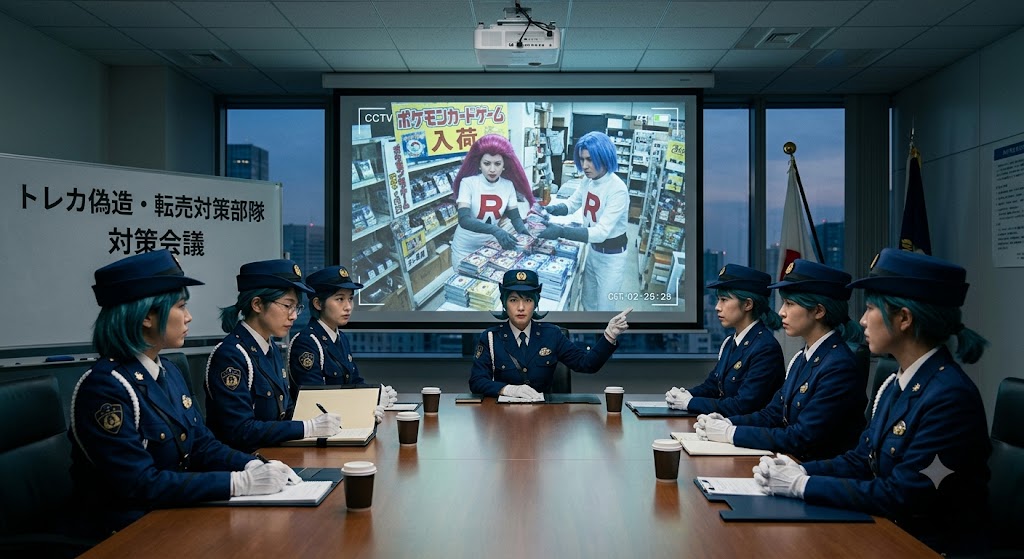
According to Kyodo News, members of parliament from Japan’s ruling Liberal Democratic Party have formed a cross-party alliance of parliamentarians specifically focused on Japan’s trading card industry, the “Members of Parliament for the Promotion of Trading Cards,” in order to deal with various issues arising from the rapid expansion of the market. The group officially held its first meeting on July 23 this week, and invited representatives from relevant industry groups and the Ministry of Economy, Trade and Industry of Japan to discuss and exchange views on the main challenges currently faced by collectors, card shops and card companies.
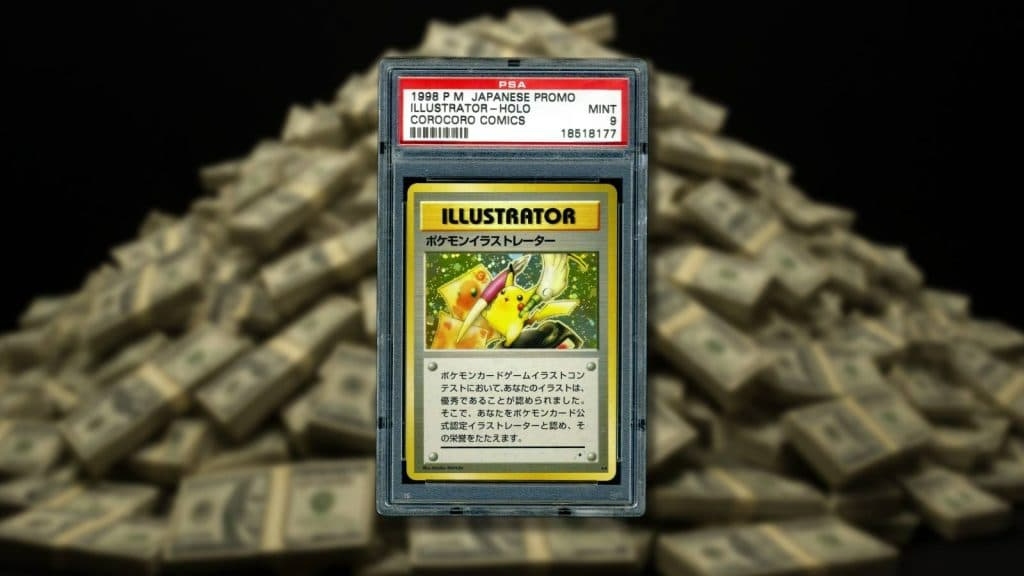
In the past few years, the demand for popular card games, including Pokémon and Yu-Gi-Oh!, has continued to increase around the world, and the transaction prices of many rarer cards may even reach tens of thousands of dollars. Currently, a PSA 10 certified “Pikachu Illustrator” card collected by the well-known YouTube creator Logan Paul was sold for a whopping $16.4 million, successfully breaking the Guinness World Record and becoming “the most expensive Pokémon card in history.”
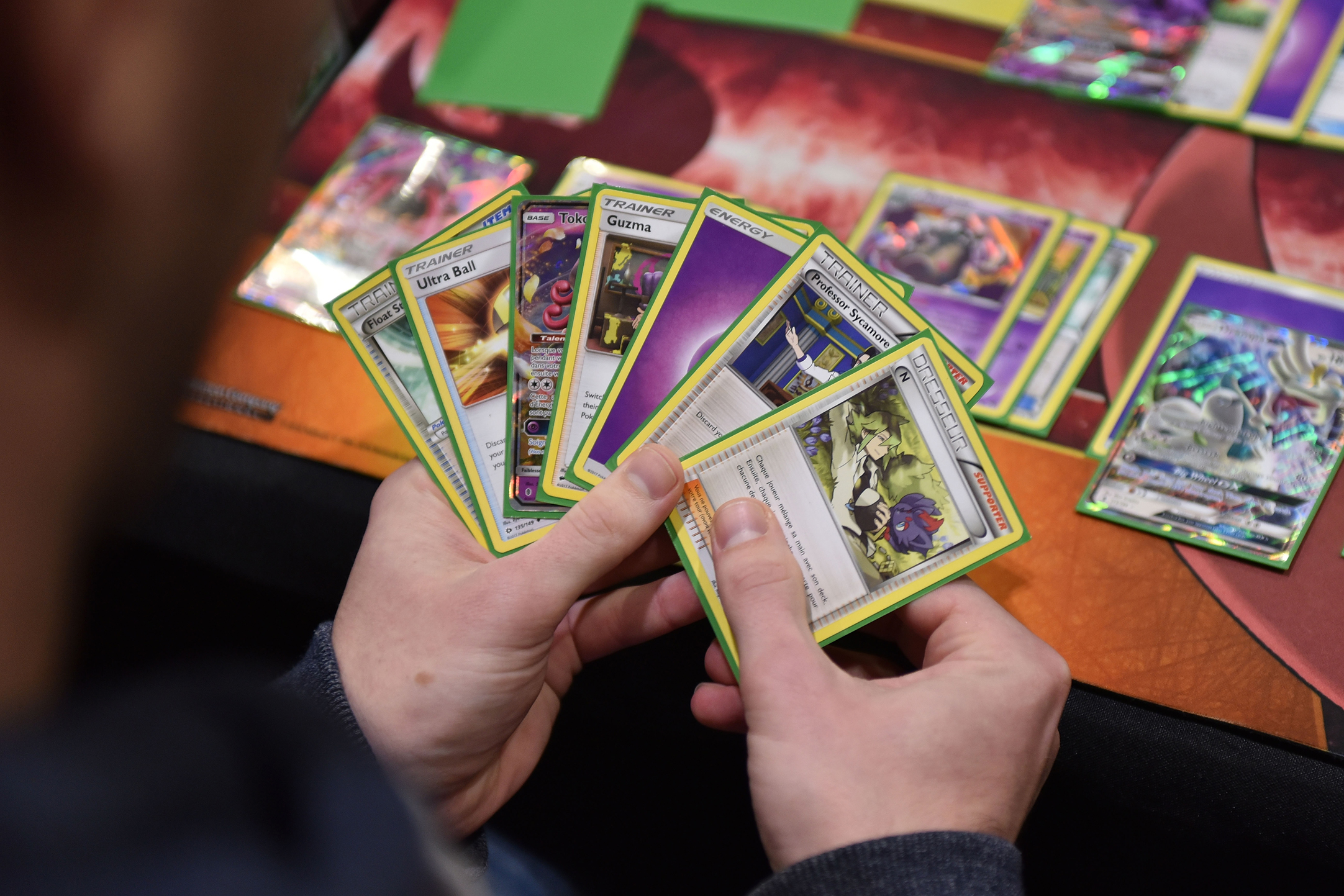
However, as the investment value increases year by year, the purpose of consumers purchasing these cards is no longer limited to simple collection or competition, but has evolved into an investment market that is both investment and speculation. Because of this, when players buy new card packs, they often have to compete with resale scalpers, and even occasionally there are counterfeit card frauds, thefts and other crimes.
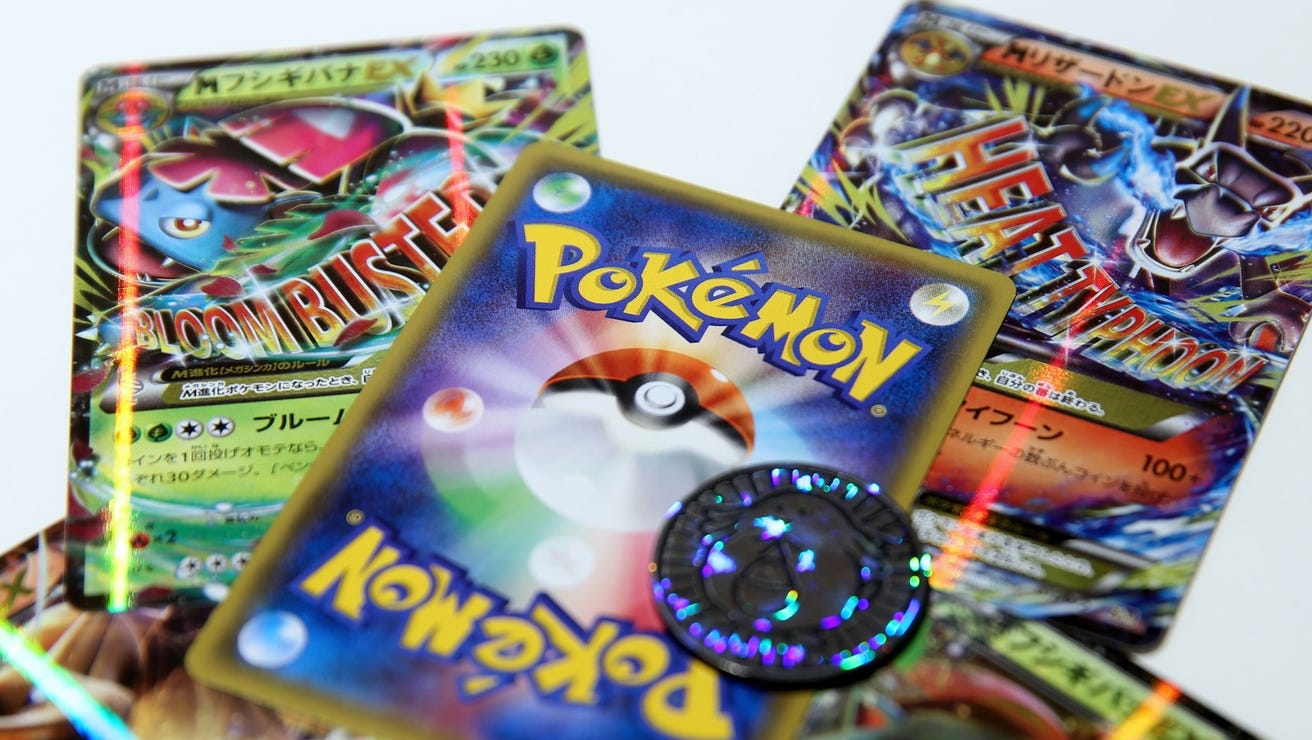
For example, on April 8 this year, a pair of Japanese brothers were arrested for committing two thefts and stealing Pokémon cards worth a total of about $95,000. This incident subsequently sparked heated discussions among the card player community on the Internet. On the other hand, a free Pokémon card event that was supposed to be held in Seoul, South Korea, was temporarily canceled because the number of participants was expected to exceed 40,000.
In addition to old IPs that have been developed for decades such as “Pokémon” and “Yu-Gi-Oh!”, emerging cards such as “One Piece” and “Jockey King” have also seen similar phenomena, making many players angry and stunned by scalpers’ hype. Since most of the inventory has been snatched up by scalpers, the transaction price of cards has continued to soar, which has also made ordinary players who want to play or collect normally miserable. In order to improve these situations, Japanese parliamentarians will discuss the formulation of new transaction regulations, hoping to improve the security and transparency of trading cards.
During this discussion, the task force conducted in-depth discussions on issues related to “large-scale scalping of goods by scalpers”, “standardization of second-hand resale models”, and “whether high-priced cards may be used for illegal purposes such as money laundering”, and hopes to rectify the market order through relevant measures.
After all, according to data released by the Japan Toy Association, the size of the Japanese trading card market has reached 338.4 billion yen in 2025, and has continued to hit new highs since then. Therefore, in addition to further promoting the expansion of the local card industry in overseas markets, the Japanese government also seems to hope to simultaneously solve the problems of scalpers, counterfeit cards, and illegal transactions that have accompanied the growth of the market, so as to ensure the healthy development of this industry.
It is worth noting that before this news was made public, The Pokémon Company had stated that it was considering introducing a real-name identity verification mechanism for some trading cards and peripheral products to curb the growing scalper chaos. Even some game card stores have developed various strategies to combat the scalper chaos, such as requiring you to answer designated questions before purchasing. As for what kind of changes Japan’s newly established task force will bring to the local card trading market, it remains to be seen what the subsequent development will be.
Source: KOCPC Chinese