


Just last week, a 39-year-old website administrator living in Tokyo, Japan, faced charges of violating copyright laws for allegedly sharing a large number of “spoiler articles” detailing the plots of movies and animations on his personal website, and ultimately faced heavy fines and jail time.
According to the latest report from the Asahi Shimbun, the Tokyo District Court sentenced the man to one year and six months in prison, suspended for four years, and a fine of 1 million yen on April 16. As early as 2024, two major Japanese film and television distributors, “Kadokawa” and “Toho”, filed criminal lawsuits because their websites published spoiler excerpts of their works.
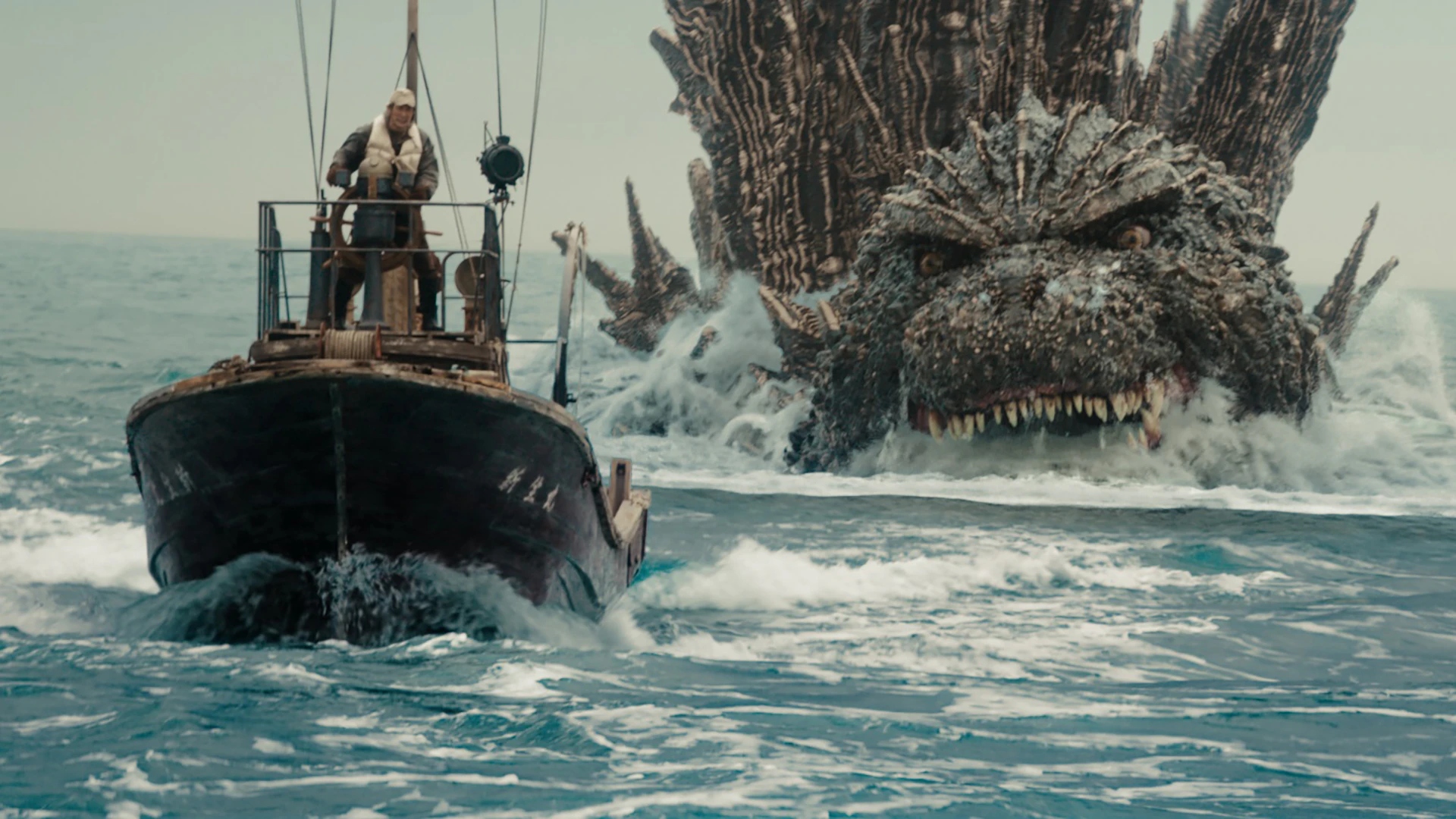
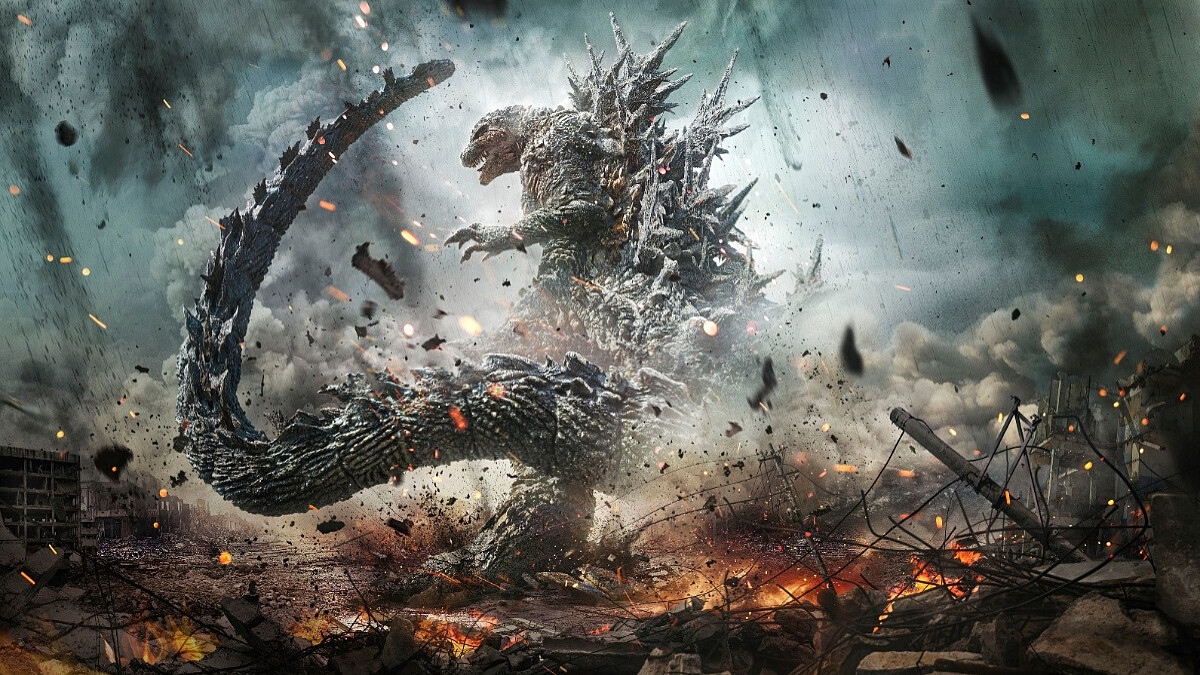
The article on the website that triggered the two major publishers “Kadokawa” and “Toho” to take legal action revealed the complete plot summary of the third season of the animation “OVERLORD” and the movie “Godzilla-1.0” respectively. The prosecutor stated that the spoiler article for “Godzilla 1.0” was more than 3,000 words long, and the content detailed the complete plot of the entire movie. As for the “OVERLORD” article, it included detailed descriptions of character names, dialogue, actions, scenes and twists, and even included multiple animation screenshots.
In this regard, both publishers claimed that the articles on the website constituted an “adaptation” of the original work and should be considered a copyright infringement. In Japanese copyright law, the so-called “adaptation” refers to “a new work created through creative modification while retaining the essential characteristics of the original work.” Therefore, such acts must be authorized. To put it simply, the publisher believes that the act of “converting the image into text” has met the conditions for modification.

Although the website operator argued in this case that a text summary alone could not convey the essential features of the original work through images, music, acting, etc., and therefore he believed that his article should not be regarded as an adaptation, but in terms of the final result, the court did not seem to accept his argument.
In addition, the prosecutor also raised another key factor that led to the outcome of the trial favoring the publisher, that is, the website operated by the defendant was “for-profit”, so the operator could obtain advertising revenue by publishing such content, which was considered to be an “improper” use of the content of the work to gain revenue.

Although the “Overseas Content Distribution Promotion Agency” (CODA) believes that such “text spoiler websites” are far less infringing on copyright than websites or platforms that directly illegally upload complete pirated images, they still believe that such complete spoilers and detailed content have indeed “beyond the scope of fair use or quotation”, so it can still be regarded as an infringement of copyright, and may even affect consumers’ willingness to watch related works, indirectly causing damage to copyright owners.
Source: KOCPC Chinese