


I don’t know if you still remember? This year MarchNintendo of America officially files lawsuit against the U.S. government at the U.S. Court of International Trade, demanding the refund of all taxes paid on the IEEPA (International Emergency Economic Powers Act) reciprocal tariffs implemented by U.S. President Trump, plus interest and attorney fees. However, a month later, two Switch 2 players filed a class-action lawsuit against Nintendo, arguing: “The money the government refunded to Nintendo should be returned to us consumers.”
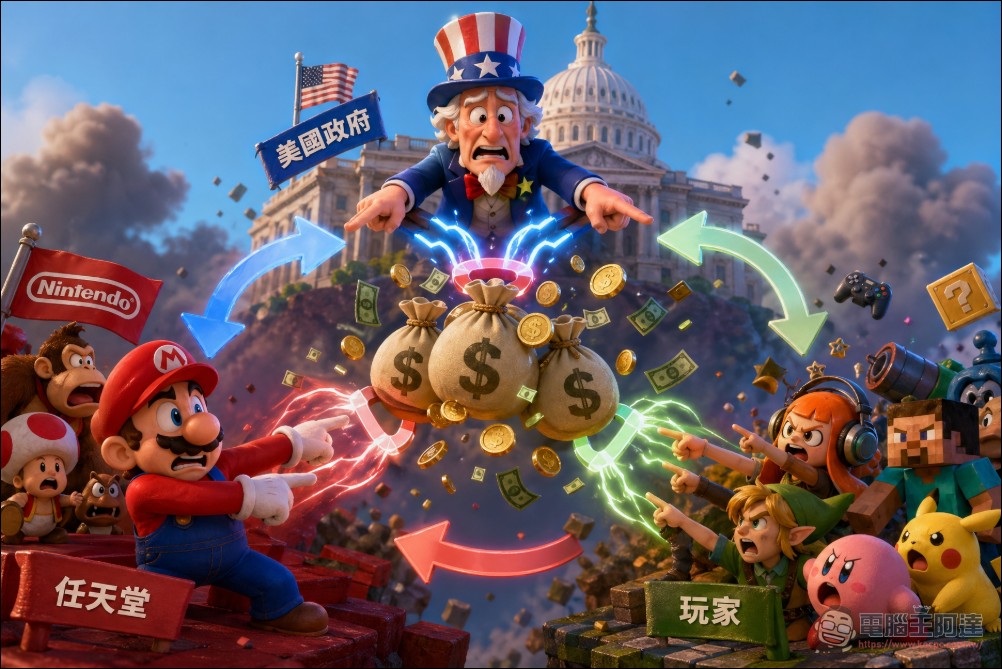
Previous article: Trump’s tariffs blocked by Supreme Court
The starting point of everything was the quote by former U.S. President Trump International Emergency Economic Powers Act of 1977 (IEEPA) Increase tariffs on a large number of imported goods. This tariff policy has made the launch of Nintendo Switch 2 in the United States full of uncertainties. Nintendo once stopped due to the “need to assess the impact of tariffs.”Switch 2 pre-order schedule postponed, finally ending with US$449.99 (approximately NT$14,625) Pricing for availability in June 2025.
However, on February 20, 2026,The U.S. Supreme Court made a historic ruling: Trump has no authority to impose tariffs through IEEPA and the tariff policy is unconstitutional. Subsequently, the U.S. Customs and Border Protection (CBP) opened the tax refund application portal, and importers can apply for a refund of unconstitutional tariffs. According to statistics, importers have paid a total of about US$166 billion (approximately NT$5.4 trillion) of tariffs.
Nintendo sues U.S. government: Demanding full tax refund plus interest
On March 6, 2026, Nintendo of America’s branch officially filed a lawsuit in the U.S. Court of International Trade. The lawsuit targets include:
- U.S. Department of the Treasury (Treasury)
- Department of Homeland Security (DHS)
- Office of the United States Trade Representative (USTR)
- Customs and Border Protection (CBP)
- Department of Commerce (Commerce)
Nintendo’s claim is clear: since the tariffs have been ruled unconstitutional by the Supreme Court, the government must refund the full amount of tariffs Nintendo has paid.Plus interest, plus attorney fees. The legal foundation of this lawsuit is quite solid. In the previous case of V.O.S. Selections v. Trump, the U.S. government itself admitted in court that it would not oppose a court order to refund the IEEPA tariffs if they were found to be illegal.
Consumer counter-claim: You have already increased the price, the tax refund should go to us
But this “BUT” is the climax of the story. Shortly after Nintendo filed the lawsuit,Two Switch 2 players file class action lawsuit against Nintendo in Washington state federal court, seeking compensation on behalf of all consumers who purchased Nintendo products at higher prices as a result of the tariffs.
Their argument is very sharp:
「關稅經濟的現實是,像任天堂這樣的進口商並沒有完全承擔關稅成本。相反地,進口商透過調漲零售價格,將上漲的成本轉嫁給了消費者。」
The lawsuit further states:
「除非法院制止,否則任天堂將可以從同一筆關稅中賺到兩次,一次是透過漲價從消費者身上收取,另一次是從聯邦政府獲得退稅(含利息)。」
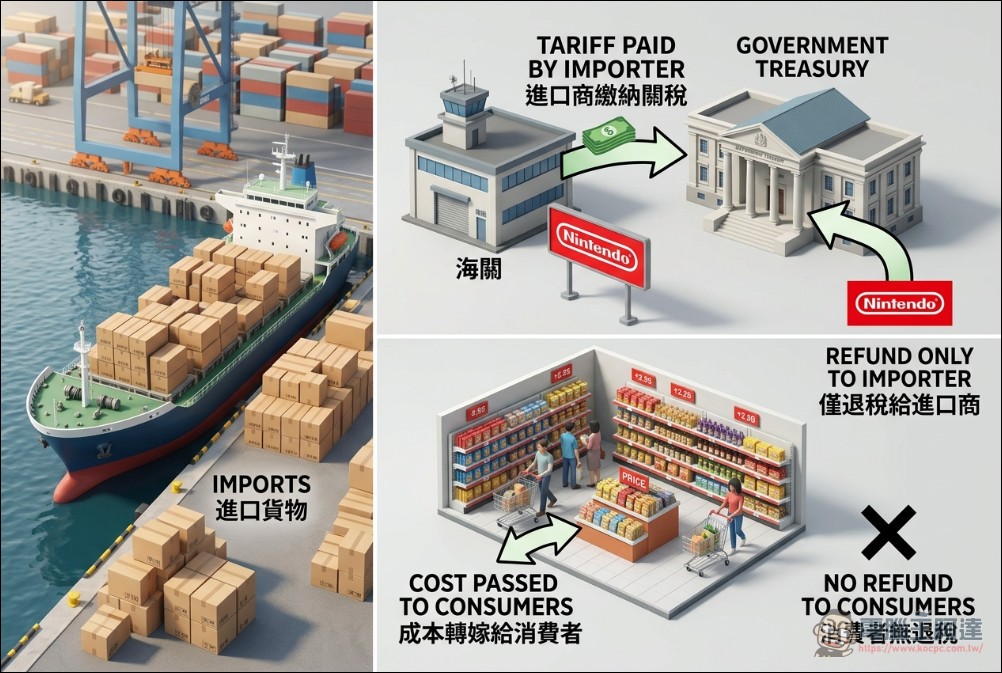
Simply put:If Nintendo has increased its prices due to tariffs and consumers have paid more, then the tariffs refunded by the government should of course go back to consumers instead of becoming a windfall for Nintendo.. (When we agreed at the time)
What are other companies doing? FedEx vs. Costco
This class action lawsuit is not a single incident against Nintendo. FedEx and Costco have faced similar legal challenges, but the companies have responded very differently:
- FedEx “Once we receive a refund from CBP, we will refund the money to the shippers and consumers who originally shouldered these fees,” the company said.
- Costco CEO Ron Vachris told investors that the company plans to return the money to consumers through “lowering prices and providing better value.”
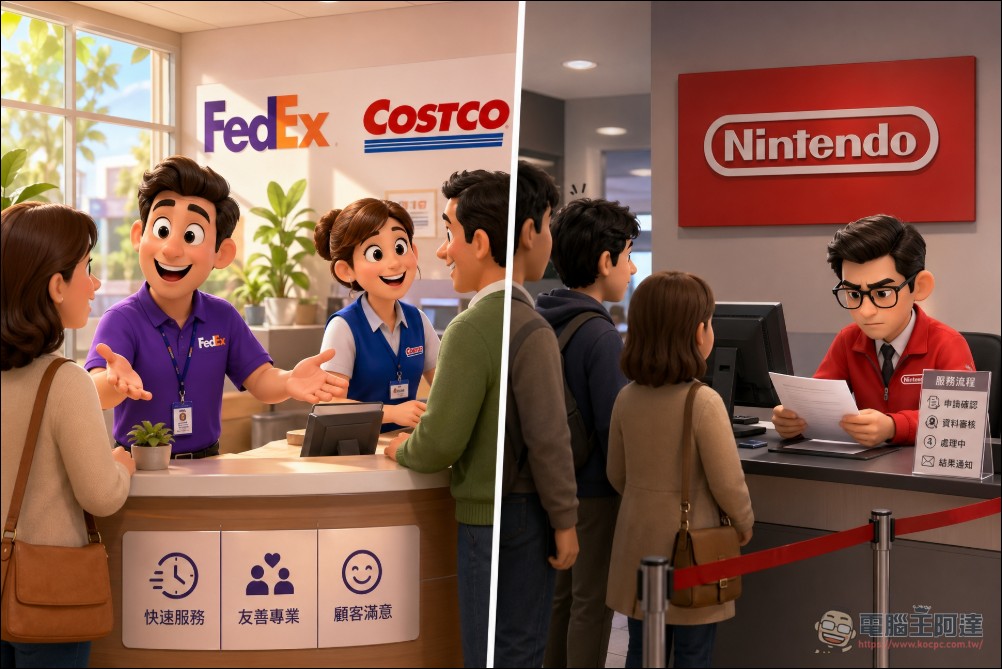
In contrast, Nintendo has yet to publicly respond to consumer lawsuits.
What does this mean? The deeper meaning of the three-tiered legal battle
This incident highlights a core contradiction in international trade law:When tariffs are deemed illegal, who should be the beneficiaries of the refund?
Legally speaking, it is the “importer” (that is, Nintendo) who pays the tariffs, so there is no legal problem for the government to refund Nintendo. But from an economic perspective, the actual burden of this tariff has been passed on to end consumers through price increases, and Nintendo has only played the role of “collecting and paying”. If all the tax refunds fall into Nintendo’s pocket, it will be tantamount to allowing Nintendo to profit from an unconstitutional policy. The consumer lawsuit is based on this “unjust enrichment” logic: Nintendo should not get another tax rebate on the premise that it has already increased the price.
Who is the final winner?
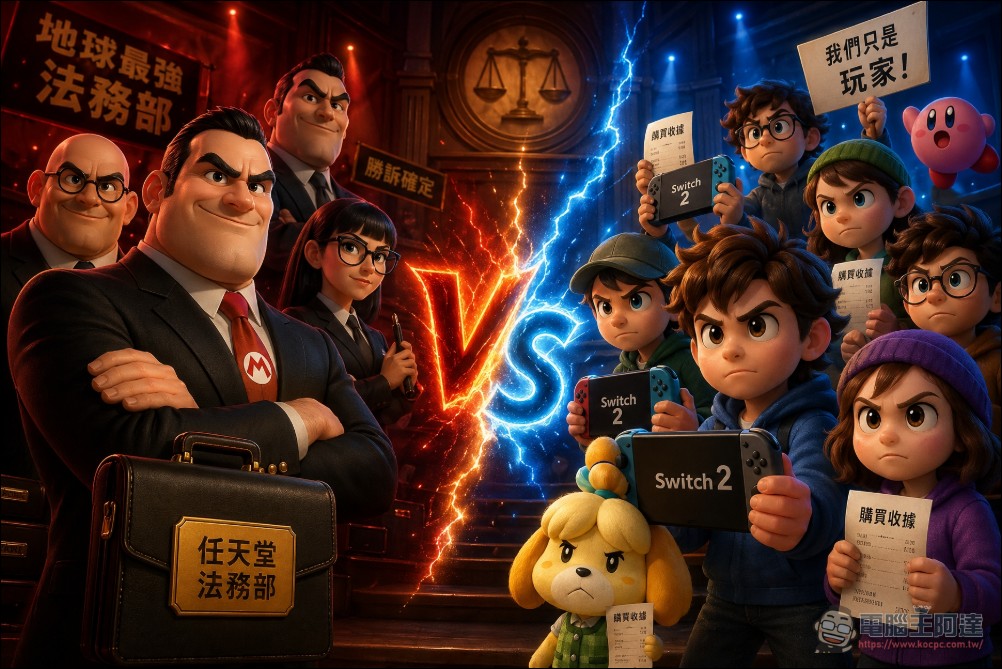
This case is still ongoing. Nintendo’s lawsuit against the U.S. government depends on the tax refund process after the Supreme Court’s unconstitutional ruling; consumers’ class action lawsuit against Nintendo may set an important precedent on the “attribution of tariff refunds.” For Switch 2 players, this case may affect whether they can receive some form of “refund” or “price reduction compensation” in the future. But no matter what the outcome is, this three-level legal battle triggered by tariffs: the government’s unconstitutional taxation, companies suing the government, and consumers suing companies has become a textbook case in the history of trade.
Nintendo’s legal department has always been known as “the strongest on the planet”, but this time, they are not facing pirates or ROM websites, but consumers who have been skinned twice by the same system.
Source: KOCPC Chinese