


iOS 26.5 is about to be officially launched. Although this update is not a major annual version, it still brings a number of noteworthy changes, especially for three highly used iPhone built-in applications: Messages, Apple Maps and the App Store. These updates not only improve the daily user experience, but also reflect Apple’s new direction in cross-platform communication, map search experience and subscription model.
iOS 26.5 will add new features to Messages, Maps and the App Store
News: RCS is finally officially online and joining end-to-end encryption testing
In iOS 26.5, Apple’s “Messages” app received a major update. RCS (Rich Communication Services) messaging officially entered the testing phase and added end-to-end encryption for the first time. RCS is regarded as the main advanced messaging standard among Android users, providing more complete functions than traditional SMS, such as high-definition photo transmission, read replies, typing prompts, group chats, etc. For iPhone users, the addition of RCS means that the cross-platform communication experience with Android users will be greatly improved and will no longer be limited by the functions and quality of text messages.
Apple stated in the beta version that the current RCS end-to-end encryption is still in the testing stage and not all devices or telecom operators can support it. Only when the “encrypted” mark appears in the conversation, the message will be end-to-end protected to ensure that the content cannot be read by third parties during transmission. It is worth noting that Apple briefly included RCS in the iOS 26.4 beta version, but withdrew it before the official version and warned testers in advance that the feature might not be rolled out. However, no similar warning appeared in iOS 26.5 this time, indicating that RCS support is likely to be released with the official version, becoming a major turning point in the communication experience between iPhone and Android.
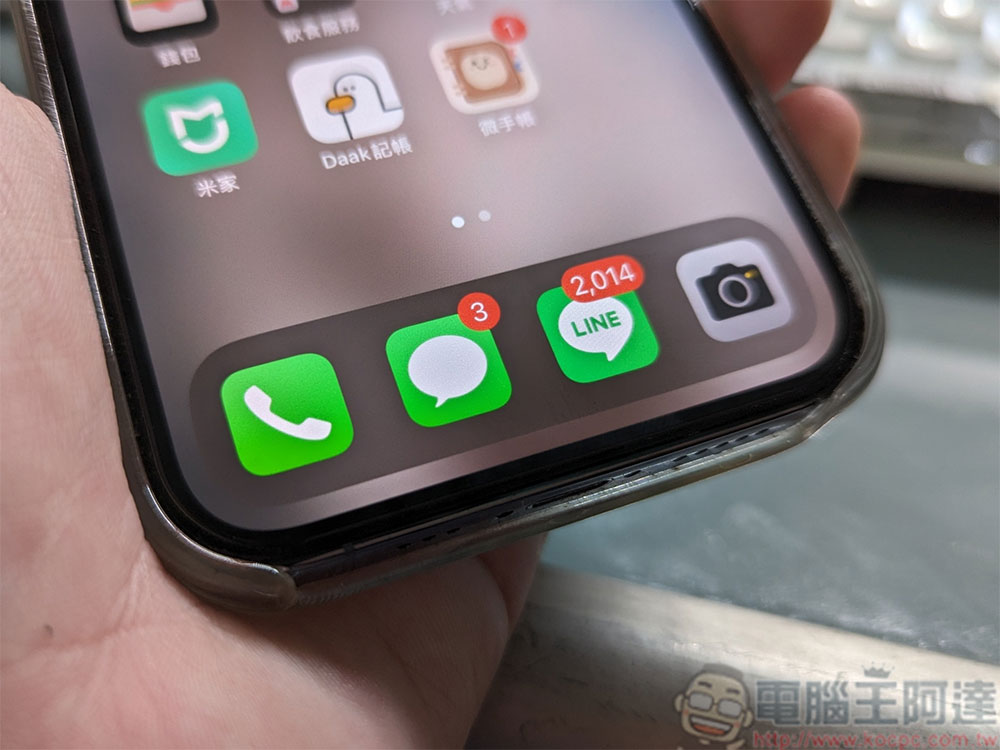
Map: Added “Recommended Places” to the search bar to better suit the usage context
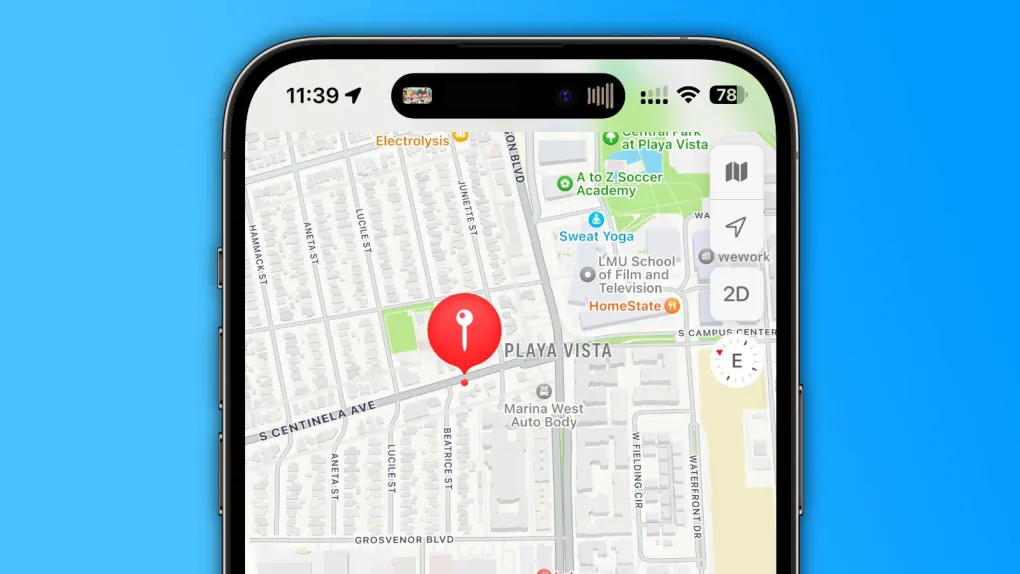
iOS 26.5 also brings a useful small upgrade to Apple Maps: the search interface adds “Suggested Places”. When a user clicks on the search bar, two recommended places are automatically displayed. These suggestions are based on a number of factors, including:
- Popular places near users
- Past search history
- Other algorithmic factors not disclosed by Apple
In actual use, this feature is not very useful, but it can provide convenience when you need to quickly query a location. It does not interfere with the original search process, nor does it make the interface complicated. Instead, it is like a thoughtful tip that allows users to find the information they may need faster. Apple also mentioned that promoted content, such as paid advertising spots, may appear in these two recommendation columns in the future. However, judging from the current presentation of the beta version, the overall situation remains simple and does not ruin the search experience. If Apple can maintain this balance, this feature should have a positive effect on map search.
App Store: Added “monthly paid annual subscription” plan
Subscription has become one of the main business models of the App Store, and iOS 26.5 has also made adjustments to the subscription method, adding a new plan between monthly payment and annual payment. Currently the most common subscription methods in the App Store are:
- Monthly payment: high flexibility, but higher long-term costs
- Annual payment: pay in one lump sum, usually at a discount, but requires a higher upfront payment
The new plan introduced in iOS 26.5 combines the best of both worlds: an annual subscription, but billed in 12 monthly installments. Apple describes it in developer documents as “pay monthly, but requires a 12-month commitment.” That is to say, users can enjoy preferential prices for annual subscriptions, but do not need to pay for the entire year at once, which is more attractive for users with more sensitive budgets.
For developers, this solution can help increase the adoption rate of annual subscriptions because it lowers the payment threshold for users while still ensuring a one-year subscription commitment; for users, it can more easily enjoy discounts and avoid large one-time expenditures.
These features may seem like minor adjustments, but they all bring substantial convenience in daily use, and also demonstrate Apple’s new strategic direction in communication standards, map experience, and subscription economy.
Source: KOCPC Chinese