


In July 2026, Taiwan and China unanimously launched heavy attacks on “tech scalpers”. On July 2, Taiwan’s Criminal Bureau searched and arrested Johnny Chen, the head of “Johnny Entertainment”, and seized nearly a thousand concert tickets. Johnny, known as “Taiwan’s biggest scalper,” was suspected of hiring overseas engineers to develop an AI ticket-grabbing program. On July 24, the Shanghai police reported that they had uncovered multiple cases of purchasing concert tickets on behalf of others and arrested three criminals. When the scalpers were caught, they had several rows of mobile phones in front of them and used plug-in software to batch-control automated click-to-grab tickets. Earlier in early July, the Zhenjiang City Procuratorate in Jiangsu Province reported a larger case: a former programmer bought more than 200 mobile phones to build a “mobile phone wall” and snapped up more than 60,000 concert tickets, making illegal profits of more than 16 million yuan (approximately NT$72 million).

Taiwan case: Taiwan’s largest scalper hired engineers to steal tickets with AI
“Johnny Entertainment” run by Chen Qingyi is ostensibly engaged in the concert hosting business, but privately operates a ticket scalping group for a long time. The prosecutor’s investigation found that Chen Qingyi hired overseas engineers to develop an AI ticket-grabbing program, place a large number of orders the moment tickets went on sale, and then resold them to midstream and downstream scalpers, speculating that tickets originally priced at several thousand yuan would increase to tens of thousands of yuan. Artists involved include GD Quan Zhilong, Super Junior, BLACKPINK, Mayday, Deng Ziqi, Eason Chan and other popular performances. Tickets for Taipei Arena B1 Special Zone, originally priced at NT$6,000 to NT$8,000, were sold out in less than a minute after they went on sale. A ticket could cost up to NT$50,000 to NT$80,000. It is conservatively estimated that the illegal gains were worth tens of millions of dollars.
The trigger came from the Kaohsiung Platter Concert “K-SPARK 2026” hosted by Kuanyu International in May this year. Johnny Entertainment put out a pre-order slogan of “Guaranteed Tickets” on the Internet in advance before the cast was officially announced. The organizer suspected that the information was leaked by scalpers, and after tracing, reported the case to the Criminal Bureau. The Criminal Bureau and the Taipei City Criminal Investigation Department sent 4 troops to Chen Nan’s rental house to search and confiscate nearly a thousand concert tickets on the spot. Chen Qingyi was still sleeping in the room at the time.
In the past, Chen Qingyi appeared on the Joeman show, a millionaire internet celebrity, where she openly discussed Taiwan’s ticket scalping culture, revealing her 8 years of experience in the industry. She also claimed that she resold more than 1,700 tickets at BLACKPINK’s Kaohsiung concert, making a single profit of over 10 million yuan. At that time, he said that the risks were too high after the “scalper clause” was added to the Cultural and Creative Law, and he had transformed himself into an organizer. According to rumors, he was still secretly engaged in scalping tickets in private. The Taipei District Prosecutor’s Office detained him on suspicion of violating the “Cultural and Creative Industries Development Act” and other crimes. The judge finally ruled that he should be released on bail of 500,000 yuan and restricted from leaving the country for 8 months.
Shanghai case: Three people committed three crimes
The three cases reported by the Shanghai police have different techniques but the same core: using software to replace manual clicks.
In the first case, the suspect Yu posted robbing information on an online trading platform since July 5, charging a service fee of 700 yuan (approximately NT$3,150) for each order. After Yu logged into the customer’s real-name account, he used plug-in software to illegally control the mobile phone to simulate automatic clicks and break the restricted functions of the ticketing platform. By the time of the incident, he had robbed 15 orders and made a profit of more than 10,000 yuan (approximately NT$45,000). He was criminally detained on suspicion of illegally obtaining computer information system data.
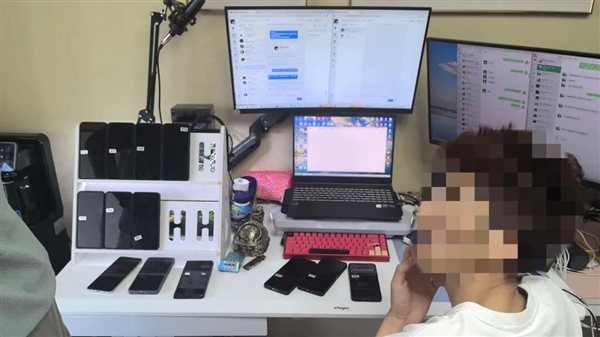
In the second case, the illegal person Hua purchased an automatic clicking tool online, connected multiple mobile phones to simulate “physical clicking” on the ticket purchase page to grab tickets, and charged a service fee of 800 to 1,500 yuan (approximately NT$3,600 to 6,750 yuan) for each ticket. By the time of the incident, he had successfully secured tickets for eight buyers, with a total profit of more than 9,000 yuan (approximately NT$40,500). He was sentenced to administrative detention for disrupting the order of the unit.

In the third case, the offender Chen paid a service fee of 1,200 yuan (approximately NT$5,400) per ticket to purchase concert tickets on his behalf. He also used plug-in software to simulate real-person clicks, but he had not succeeded in grabbing the tickets until the incident. The use of plug-in software to grab tickets has disrupted the normal order of ticketing, and Chen was fined for disrupting the order of the unit.
A comparison of the techniques of tech scalpers on both sides of the Taiwan Strait
Judging from the details of the case announced by the prosecutors and police, the operating modes of technology scalpers on both sides of the Taiwan Strait have similarities but also differences. Taiwan’s Chen Qingyi’s method was to “hire overseas engineers to develop AI ticket-grabbing programs”, place a large number of orders at the moment sales started, and then resell them down through layers of agents. In the case of Li from Jiangsu, China, the same “programmer developed the plug-in himself.” The difference is that Li also purchased 200 more mobile phones to build a hardware matrix and used a “mobile phone wall” with software to grab tickets in batches. The “automatic click tool to connect multiple mobile phones” in the Shanghai case is a low-tech version of a similar approach.
In terms of profit scale, there is a huge gap between the three. The total profit of the three persons in the Shanghai case was less than 30,000 yuan, and they were self-employed; the illegal gains in the Chen Qingyi case in Taiwan were estimated to be tens of millions of NT dollars; the illegal profits in the Jiangsu case of Li were more than 16 million yuan (approximately NT$72 million), and they had formed a corporate operation. What the three cases have in common is that the technical threshold for ticket-grabbing programs is not high and can be developed as long as they have programming skills. However, the protection mechanism of the ticketing platform cannot keep up with the evolution speed of plug-in software.
Legal tools and crackdowns
In Taiwan, Article 10-1 of the “Cultural and Creative Industries Development Act” revised in 2023 is the main legal tool to combat scalpers, criminalizing “purchasing tickets with false information or unfair methods” and “reselling at a higher price for profit.” Chen Qingyi was detained on suspicion of violating cultural and creative laws and forging private documents. The judge considered that the crime committed was not a felony for more than 5 years and ruled that he should be released on bail of 500,000 yuan. Since 2024, Taiwan’s Criminal Bureau has investigated a number of ticket-grabbing cases, including an engineer named Zhuke Yao who developed a “Max ticket-grabbing robot” for use by scalpers and was brought to justice, and a scalper group composed of five engineers used a ticket-grabbing robot to snap up tickets for Jay Chou’s concert.
In China, in the Shanghai case, Yu was criminally detained on suspicion of illegally obtaining data from a computer information system, and is subject to a maximum sentence of not less than three years but not more than seven years in prison. Hua and Chen were sentenced to administrative detention or fines for disrupting order in the work unit, and the punishment was obviously lighter. The difference is that the plug-in used by someone not only automatically clicks, but also breaks the restricted functions of the ticketing platform, constituting an intrusion into the information system. Shanghai police stated that since 2025, relying on the “Strike Sword” series of special operations, they have investigated more than 170 related cases and arrested more than 290 people involved.
Risk to ticket buyers
Police on both sides of the Taiwan Strait have reminded consumers not to trust online proxy auctions. In Taiwan, the downstream agents involved in the Chen Qingyi case resold the tickets at different levels. A ticket originally priced at NT$6,000 may cost NT$80,000 in the hands of consumers, and tickets purchased through illegal channels may not allow entry. In China, scalpers log in with the customer’s real-name account when robbing. Once the ticketing platform detects cheating and blocks the account, the customer’s own account will also be implicated. It is recommended that all fans do not buy tickets from unknown sources from scalpers. There is a risk of being charged a price increase and being defrauded. The gain outweighs the loss.
Source: KOCPC Chinese