


Apple today reported its fiscal 2026 third-quarter (April to June) earnings, with quarterly revenue reaching $109.42 billion (approximately NT$3.52 trillion), up 16% year over year and beating the market estimate of $108.65 billion, setting a record for the June quarter. Earnings per share (EPS) came in at $2.02, up 29% year over year and also surpassing Wall Street’s estimate of $1.89. However, because services revenue came in slightly below market expectations, Apple’s stock fell about 6% in after-hours trading, reflecting investors’ rising expectations for the company.

iPhone grew 22%, and Mac set an all-time high quarterly revenue.
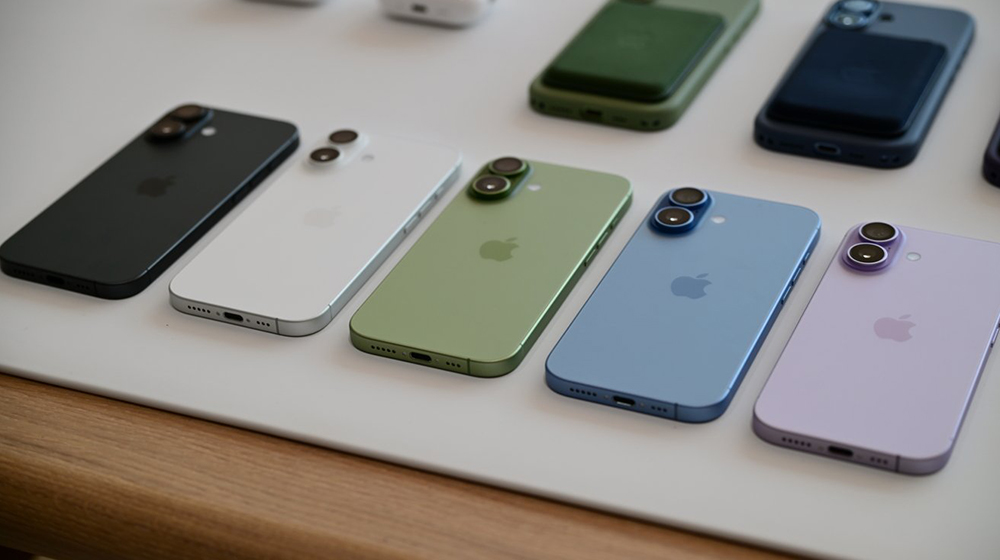
The biggest drivers of this quarter’s revenue were the iPhone and Mac product lines. iPhone revenue reached $54.25 billion (approximately NT$1.75 trillion), up 22% year-over-year, beating market expectations of $53.86 billion. Mac revenue reached $10.35 billion (approximately NT$333 billion), surging 29% year-over-year and setting a record for the Mac division’s June quarter, far exceeding analysts’ estimate of $8.74 billion.
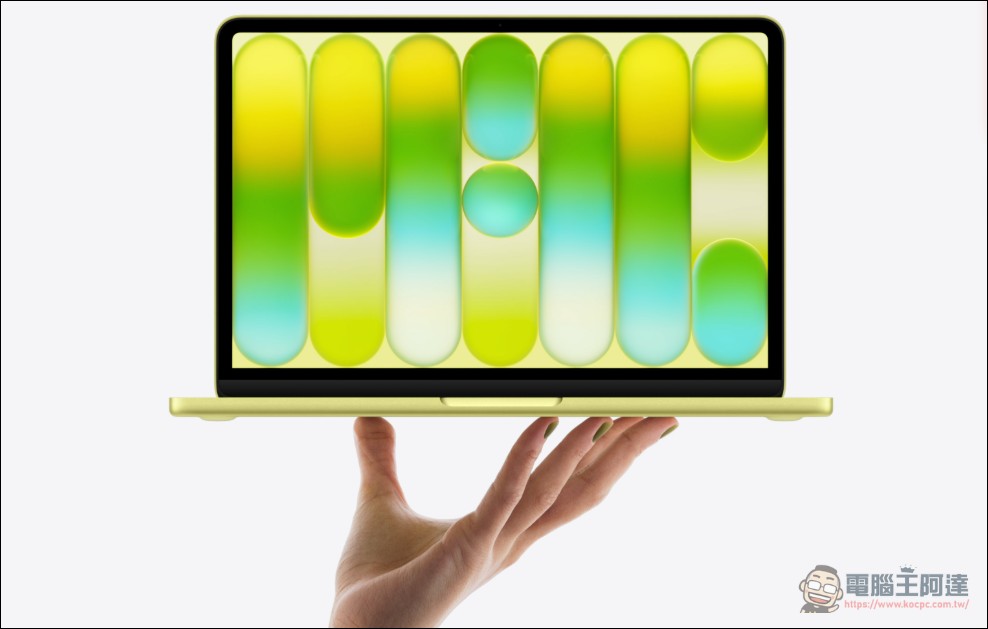
The Mac segment’s strong performance was primarily driven by the entry-level “MacBook Neo,” released in March 2026, featuring the A18 Pro chip and a 13-inch display at a price of around NT$22,900 (originally under NT$20,000), significantly lowering the barrier to entry for macOS and successfully driving an upgrade cycle. The MacBook Neo’s pricing strategy broke Apple’s long-standing premium image, encouraging more first-time Mac buyers to make the purchase, making it the key driver behind record Mac revenue this quarter.
CEO Tim Cook said: “Apple achieved double-digit revenue growth across iPhone, Mac, services, and all regional markets, and we are proud to report our best June quarter results ever.”
Service business and wearable devices show steady growth.
The services business (including Apple Music, iCloud, Apple TV+, App Store, etc.) generated revenue of $30.74 billion (approximately NT$988 billion), up 12% from the same period last year. The gross margin for the services business is far higher than that of hardware products, making it the most consistently growing segment in Apple’s profit structure. Although the revenue figures were impressive, they fell slightly short of some analysts’ expectations, which was one of the factors putting pressure on the stock in after-hours trading.

Apple announced that the number of members for paid subscription services such as Apple Care+ and Apple One has surpassed 1.5 billion. Revenue from the wearables and accessories business (Apple Watch, AirPods, etc.) was $7.88 billion (approximately NT$253 billion), up 6% from the same period last year. CFO Kevin Parekh said: “The installed base of active devices reached an all-time high across all major product categories and regional markets.”
China market revenue grew 22%
By region, Apple performed strongly in China, its third-largest market, with quarterly revenue reaching $18.82 billion (approximately NT$605 billion), up 22% year-over-year. For Apple, which has faced competitive pressure from domestic brands like Huawei in the Chinese market over the past several quarters, this marks a significant reversal signal. The rebound in Apple’s China market can be partly attributed to the early launch effect of the iPhone 17 series and the differentiating advantage of its AI features.

Overall gross margin is 50.1%. For the first three quarters of Apple’s fiscal 2026, cumulative operating cash flow reached $116.996 billion, while share buybacks during the same period totaled $62.094 billion, indicating the company’s financial health remains strong.
Hidden concerns: iPad decline, soaring memory costs, and pricing strategy
The only segment to post negative growth this quarter was the iPad division, with revenue of $6.19 billion (about NT$199 billion), down 6% year over year. After strong growth in previous quarters driven by the M-series chip upgrade cycle, iPad demand has cooled, and the market is also taking a wait-and-see approach to the pace of updates in the iPad product line.
During the earnings call, Cook specifically highlighted the issue of surging global memory prices, stating, “Memory costs are expected to rise further.” Apple plans to offset this pressure through existing inventory and cost reductions on components other than memory, but Cook also acknowledged: “Looking ahead to after September, there is a high likelihood that memory market prices will continue to rise, and the impact on Apple’s business may grow increasingly significant.”
Under cost pressure, Apple raised Mac and iPad prices in June 2026, and beginning in July, also hiked iPhone prices in some markets such as Japan, with iCloud+ subscription plans following suit. Regarding the fact that iPhone prices have not yet been raised in most regions, Cook said the decision was a difficult one and “not good for consumers.” Apple’s current approach is to maintain existing prices in regions where no increase has been implemented, but if memory costs continue to climb, a comprehensive price hike may only be a matter of time.
In addition, Apple’s R&D spending this quarter reached $11.73 billion (approximately NT$377 billion), a record high, reflecting the company’s continued investment in AI and new product development. This massive R&D investment covers the continued advancement of Apple Intelligence, the development of next-generation M-series chips, and rumored new product lines such as AR glasses.[7]
Conclusion
Apple’s third-quarter earnings beat market expectations on both revenue and EPS, with strong growth in iPhone and Mac sales demonstrating the company’s competitiveness across its hardware product lines. The rebound in the Chinese market is a particularly noteworthy positive reversal signal. The MacBook Neo has successfully captured new customer segments through its low-price strategy, proving that Apple still has the ability to drive growth through pricing innovation.
However, service revenue falling short of expectations, memory costs continuing to climb, and the question of whether Apple can secure enough chip and memory capacity for the September new device cycle all add uncertainty to the second half of the year. Experts point out that Apple has ample operating cash flow in the first three quarters of fiscal 2026, so money is not the issue—the real question is whether the supply chain can keep up with demand during the September new device cycle. For investors, Apple has delivered a quarterly report that is “impressive on the numbers but with hidden variables.”
Source: KOCPC Chinese