


For Windows 11 users, especially those with only 8GB of RAM, you’ve probably noticed that even with just a few programs open, a large portion of memory is already used up. At that point, you’d likely want to ask: who exactly is eating up so much memory?
Microsoft has finally admitted that Windows 11 indeed consumes too much memory. Moving forward, it will optimize memory usage for computers with 8GB RAM or more, reducing the memory footprint of Windows 11 itself to keep daily operations fast and responsive.
However, it’s worth noting that the entire Windows quality improvement program will continue until the end of 2026, so it won’t be something that’s fully resolved immediately after installing a single update.
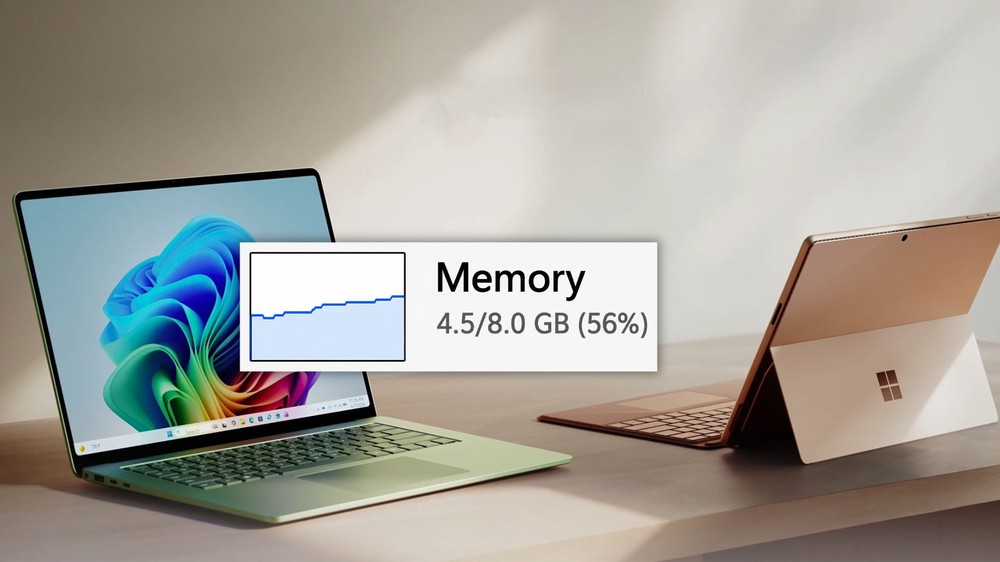 Image source: Windows Latest
Microsoft is finally going to slim down Windows 11! Optimizing 8GB RAM computers by the end of 2026.
According to a report from foreign media outlet Windows LatestIn the latest Windows quality progress, Pavan Davuluri, head of Microsoft’s Windows and Devices division, listed several improvements Microsoft will continue to push through the end of 2026, one of which many users will pay attention to: “memory optimization for devices with 8GB and above.”
Microsoft’s stated goal is to reduce Windows memory usage, delivering a faster and more responsive experience for the various PCs people use every day.
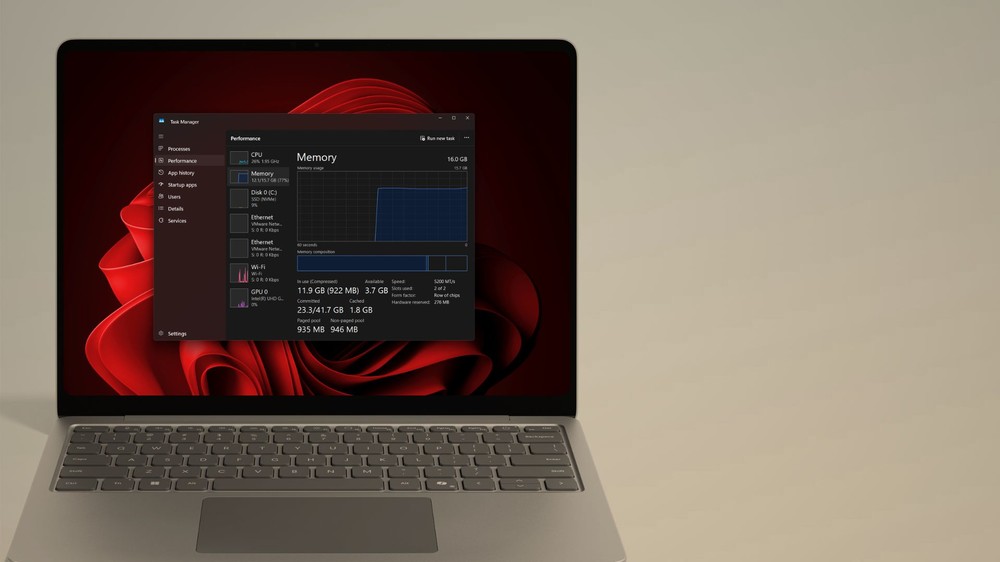
Image source: Windows Latest
Although Microsoft did not directly use phrases like “Windows 11 is memory-hungry” or “we made it too bloated before” in the announcement, the emphasis on reducing Windows memory usage has led foreign media to see this as an indirect admission that previous versions used too much memory.
Windows Latest believes that an important reason for the increase in Windows 11’s memory usage is WebView2.
This is a web control component provided by Microsoft for Windows applications. Developers can embed Edge’s Chromium engine directly into their programs, using HTML, CSS, and JavaScript to build interfaces without having to develop a native UI from scratch.
Windows 11’s widgets, Copilot, and some built-in experiences all make use of this type of web technology.
The advantage of this technology is rapid development, easy porting of web services into desktop applications, and convenient cross-platform maintenance; the cost is the resource overhead. Microsoft’s own WebView2 performance documentation also notes that WebView2 uses Edge’s multi-process architecture, where each control may create processes such as browser, renderer, and GPU. The more WebView2 instances created, the higher the memory and startup costs typically become.
When system interfaces, built-in programs, and third-party software all adopt similar practices, dozens or even hundreds of MB can quickly add up. Electron applications have a similar issue, except that Electron typically bundles its own Chromium runtime into the program, which is not the same architecture as using the system’s WebView2 Runtime.
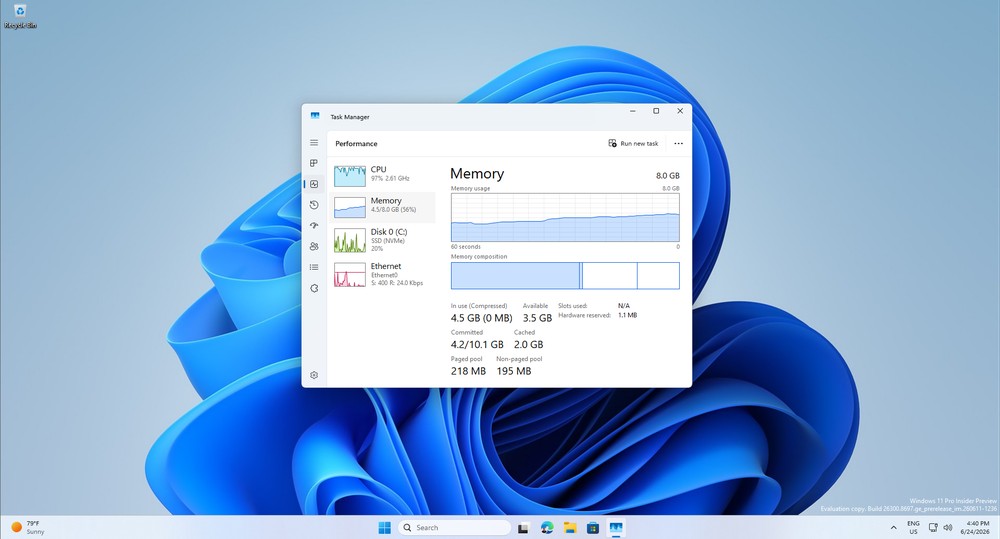
Image source: Windows Latest
Why is Microsoft choosing to optimize 8GB RAM computers at this time?
Windows Latest believes that, in addition to rising memory prices, market pressure from the Apple MacBook Neo is also one of the reasons.
Furthermore, as the AI era fully arrives, AI PCs’ demand for memory only continues to grow. If Microsoft wants to keep strengthening Windows 11’s AI features and let more users experience them smoothly, slimming down the operating system to reduce memory usage is absolutely a necessary step.
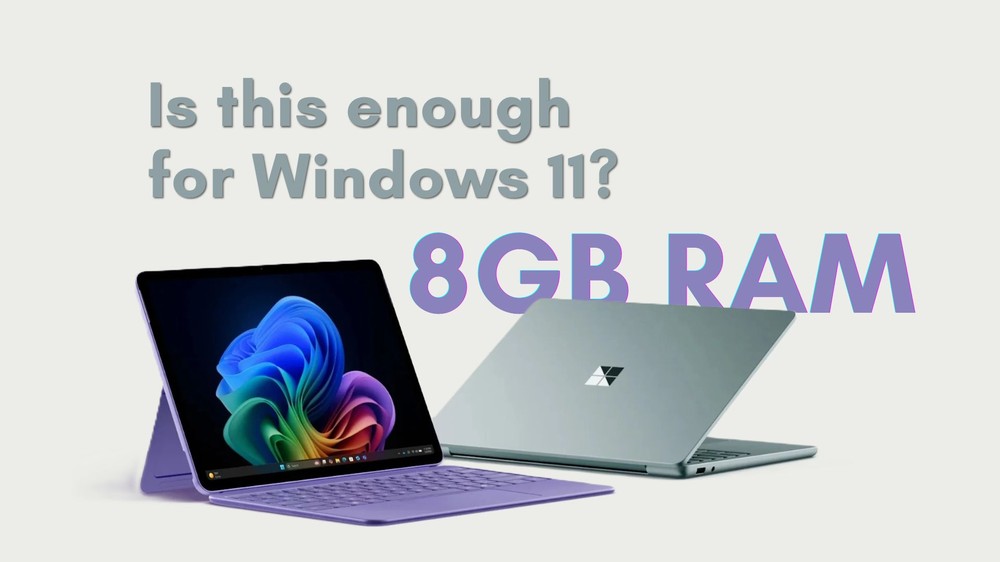
Image source: Windows Latest
Regardless, this optimization plan will continue to be pushed through until the end of 2026. Microsoft will take an incremental update approach, and in the period leading up to the end of the year, we should expect the system to gradually become smoother and smoother.
Source: KOCPC Chinese