


Browser extensions really add more possibilities to customize your browsing experience, and sometimes it may be impossible to imagine the experience without them. However, browser extensions that promise to improve privacy are a bit of an oxymoron. Why? Because any form of extension will essentially damage your privacy to some extent.
Use browser extensions to improve privacy? Don’t make this stupid move
Every little thing you add to your browser is an additional resource that hackers can exploit. Please think carefully about the types of permissions certain extensions have and the damage that could be caused by being hacked. Most of these extensions are not developed by large companies with powerful security resources, which is one reason why you should strictly limit your Chrome browser extensions to only Google-made extensions, and only use extensions that you absolutely need.
Extension plug-ins can easily be taken over by malicious actors and then corrupt it through updates, or an old vulnerability that exists in them can be exploited, which is very scary. Malicious actors often purchase extensions directly from existing owners and then inject ads or collect information from you. Sometimes, the language around browser permissions is too vague and broad, so you don’t really know exactly what permissions are given to the extension, and whether it actually needs those permissions to complete the claimed task.

When was the last time you checked your installed extensions? I believe that few people will look back after installation. Once an extension is installed, it’s often forgotten about as long as it works, which is why browsers will remind you and recommend removal if you haven’t used an extension in a while. However, you can’t count on these features to protect you, because there is a time when the extension may harm you before it warns you, and no matter how useful the extension is, it’s not worth the risk.

When it comes to extensions, they are just a stopgap measure to alleviate deeper problems. The creators of these extensions compete with advertisers or malicious actors who try to bypass these services. Ironically, when the web tracks you, your unique combination of browser extensions can help track you. This is called browser fingerprinting, and it is one of the reasons why special privacy browsers exist.
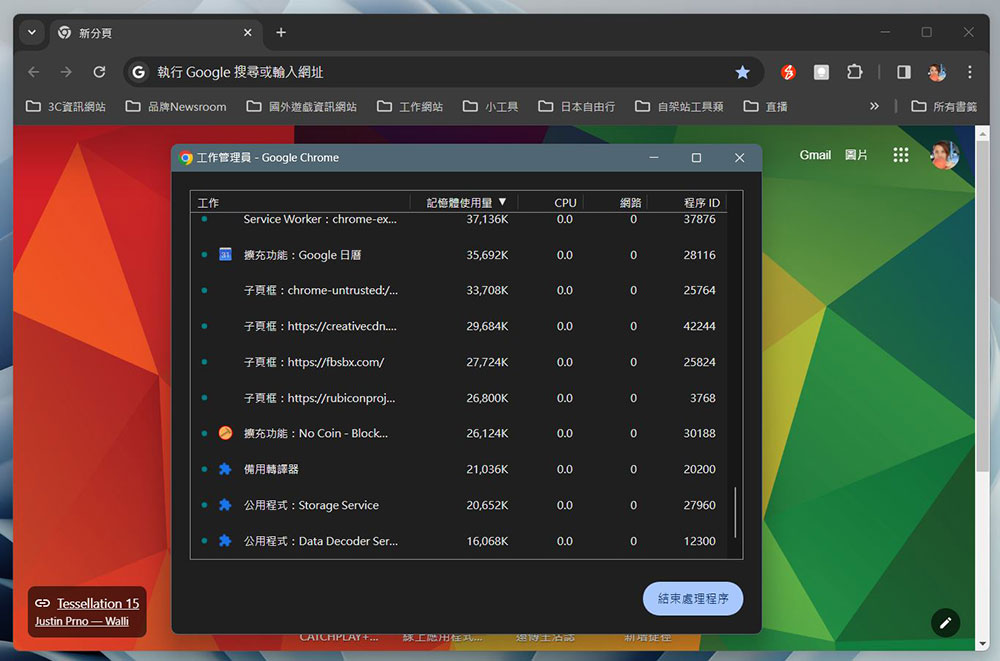
You should take advantage of your browser’s built-in privacy features rather than using extensions. It can reduce fingerprint recognition and means that the maintenance and design of these functions are at the browser platform level. Before you decide to use an extension that someone on Reddit recommended, consider using a privacy-focused browser or enabling additional privacy options in the browser you already use.
Source: KOCPC Chinese