


In recent years, small-sized mini computer hosts (SFF) have become more and more powerful and more numerous. Various brands have used their creativity to minimize the space occupied and continue to break through the limitations of appearance specifications. For a long time, using SFF meant sacrificing gaming performance or functionality in exchange for a smaller footprint. This has changed over the past few years, and now you can enjoy a full-fledged computer gaming experience in a compact form factor. The mini computer host has its unique advantages in appearance, but it also has some shortcomings that cannot be ignored. Let’s understand it before you buy it.
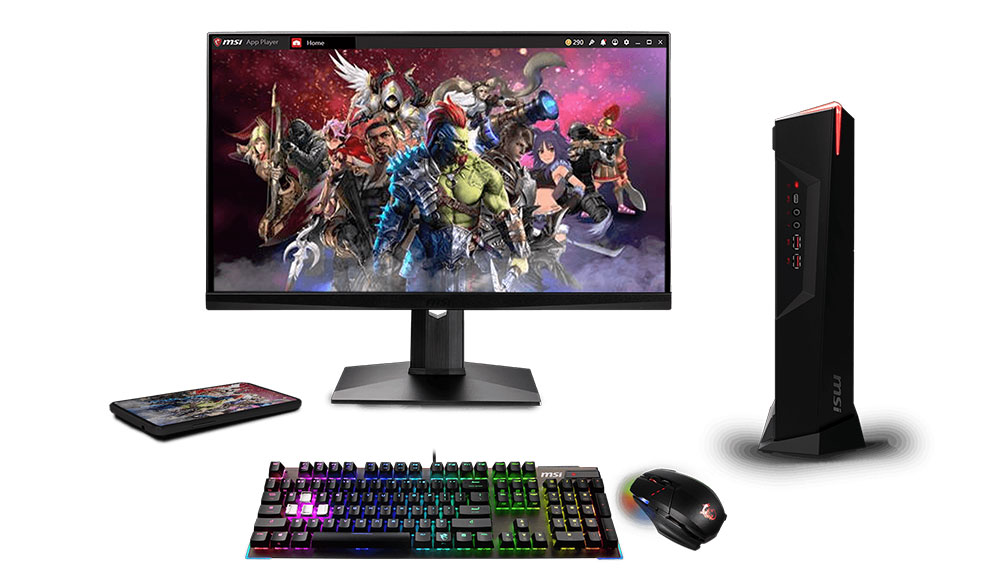
The rise of mini computer host (SFF), we tell you the advantages and disadvantages
What qualifies as a mini computer host? While there isn’t a universally agreed-upon definition, there is a loose standard for measuring chassis. When it comes to the internal configuration of a computer, volume is often an important consideration and is generally measured in liters (L). A standard size ATX desktop computer is typically 40 to 45 liters, compared to the typical SFF size which is half that, or under 25 liters. Let’s talk about the advantages and disadvantages of SFF.
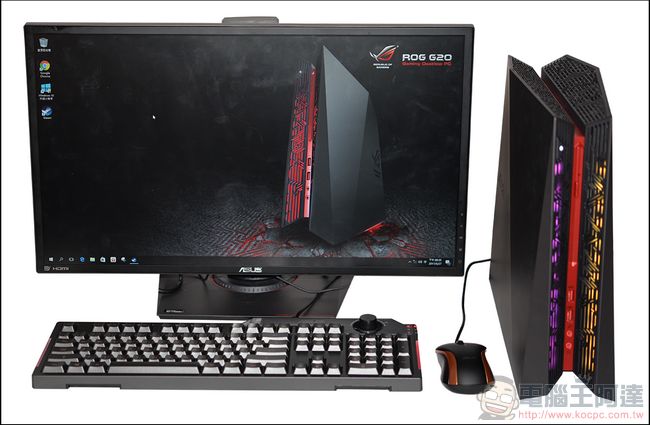
Advantages of SFF
- save space
You may not have that much space for a large or standard computer case, and SFF computers are a great way to save space. You don’t have to downsize to an ITX, even mATX can save you space. If you want to configure one in your living room as an entertainment center, or for a large-screen display in a store, you need a PC to hide in a small area. It may be the only option to minimize your presence. - Portability
If you often need to move, or often attend LAN parties and other occasions where you need to bring equipment, an SFF computer is actually more convenient and easier to carry than a standard computer. You don’t need to hold or drag a big ATX machine, which can save you a lot of trouble in transportation and mobility.
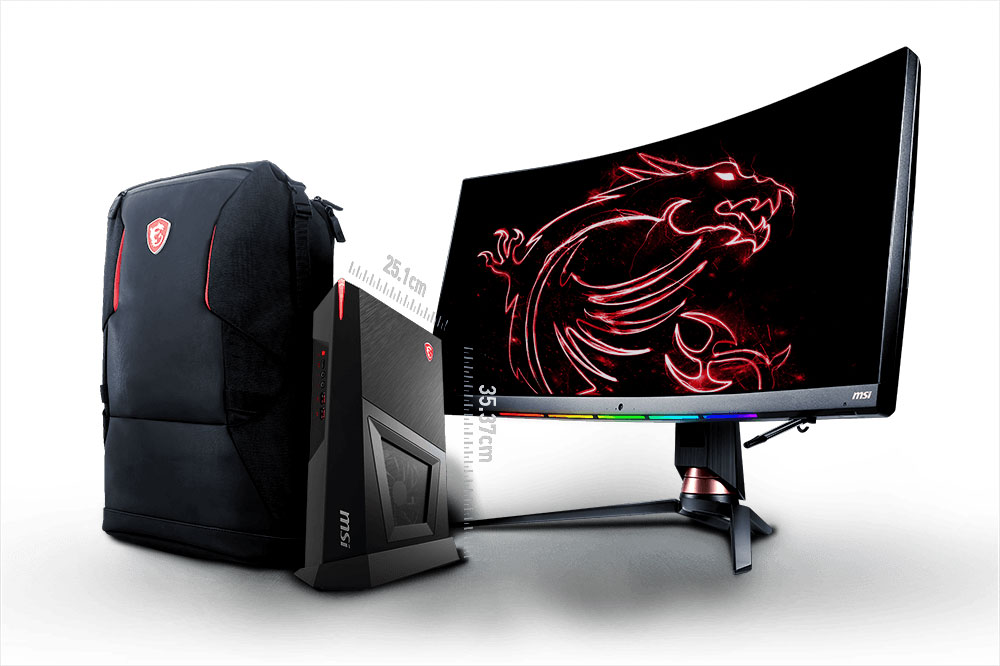
Disadvantages of SFF
- Difficult to DIY
The first disadvantage of mini computers is that they are more difficult to build by DIY. If you’ve never built a DIY PC before, or you consider yourself a newbie, think twice before trying to build an SFF yourself. Due to the narrow and limited space for cable routing, not only is the actual assembly more difficult, but careful consideration is also required when selecting compatible components. A big part of building an SSF computer is parts research because if you make a mistake, it can cost you valuable time and money. Speaking of money, the actual cost of SFF components can also be higher, especially as the case and power supply can be as expensive as a full-size case because they have to be intricately designed to perform better. - Cooling is challenging
Just like inside a laptop, SFF computers generate heat in a smaller area, making it more difficult to remove efficiently. This isn’t just something to consider when choosing a PC core, it’s even more critical when you choose a cooling system. Depending on your choice, some manufacturers will give you suggestions on the type of cooling or directly build a cooling system based on the situation, because the choice of cooling system will affect other hardware choices. In most cases, you can first select a solution and then extend it to conceive the rest. This goes back to the previous point of DIY difficulty. - Limited upgradeability
Just like in a standard computer, the parts you choose during the initial build phase will greatly influence your future upgrades, and this is even more true with SFF. If you want to upgrade your GPU one day, the new GPU you choose cannot exceed the length of your current GPU; if you want to upgrade your CPU, you must also consider the cooling capabilities of the current architecture. Although most CPUs in recent generations do not run particularly hot, any CPU will run too hot if the overall environment forces it.
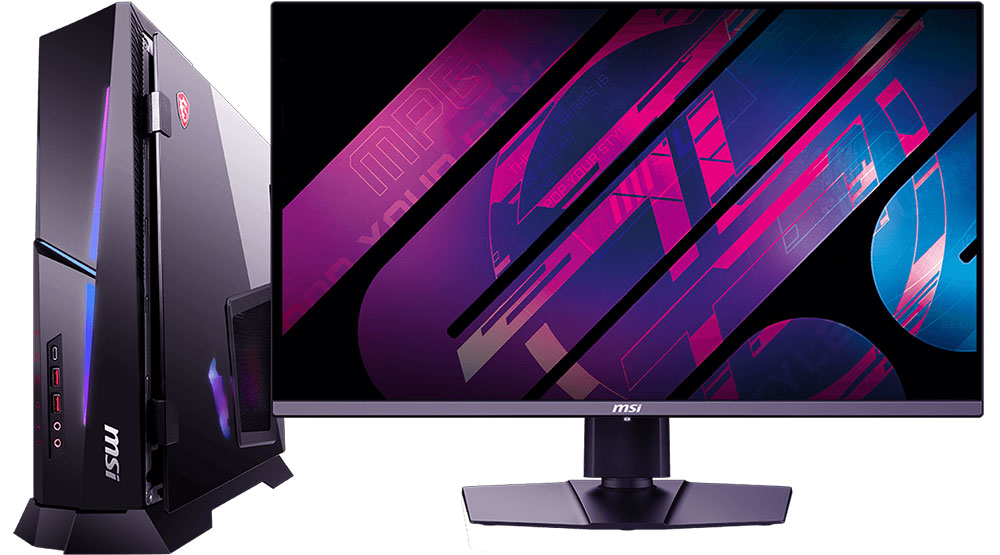
If you want to save space and need something more portable, building an SFF is a great idea. But if you’re not ready to deal with the technical and process involved in building and maintaining one, you can opt for a pre-assembled version on the market, or go for a more modest mATX-sized computer case.
Source: KOCPC Chinese