


We’ve come a long way from the first high refresh rate LCDs. Update rates continue to rise, well past the 144Hz mark, and response times continue to improve, with 240Hz being noticeably more responsive, but many people won’t be able to tell the difference beyond that. We’ve seen refresh rates break into 500Hz territory, but at what cost? Is there a reason why you must buy these ultra-high refresh rate monitors? No, you don’t, and here are 4 reasons why.
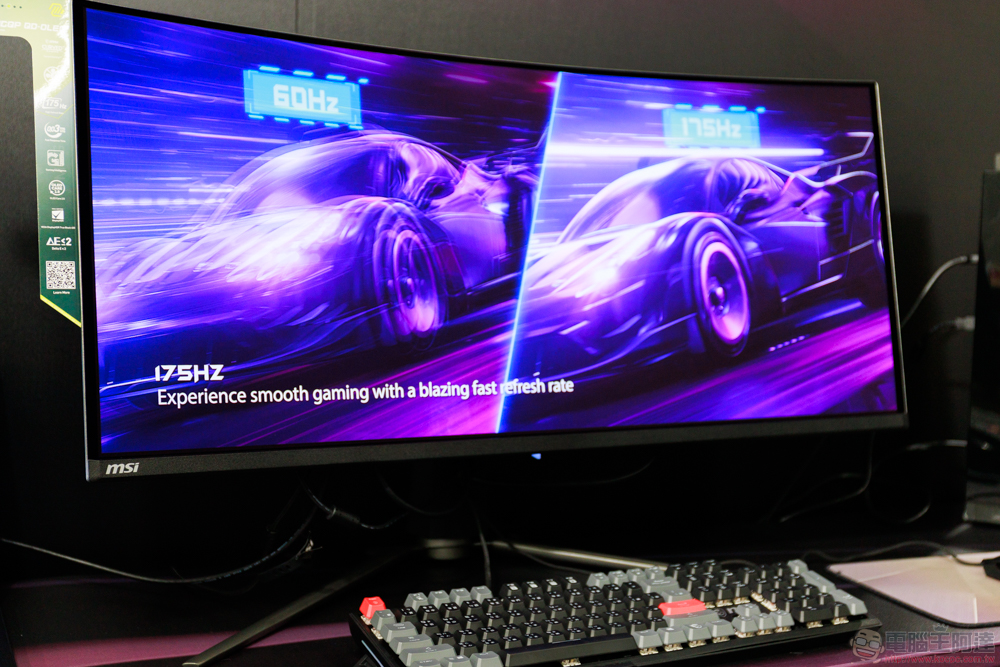
4 reasons you don’t need a super high refresh rate monitor
1. Motion clarity is what you should care about, but ultra-high update rates are largely overrated
A high refresh rate monitor is very useful when you are playing eSports games that quickly update a large number of frames, such as Tom Clancy’s Rainbow Six: Siege and Force 2. These games can push frame rates well above 300FPS, but what if you don’t play them often?
If you don’t play games that run at ultra-high refresh rates, you’ll never be able to properly take advantage of the capabilities of these monitors. Motion clarity is what most gamers benefit from the most, and striking a balance between update rate and reaction time is key to getting the sharpest visuals. OLED has excellent response time and motion clarity that rivals the strobe backlight found on TN panels.
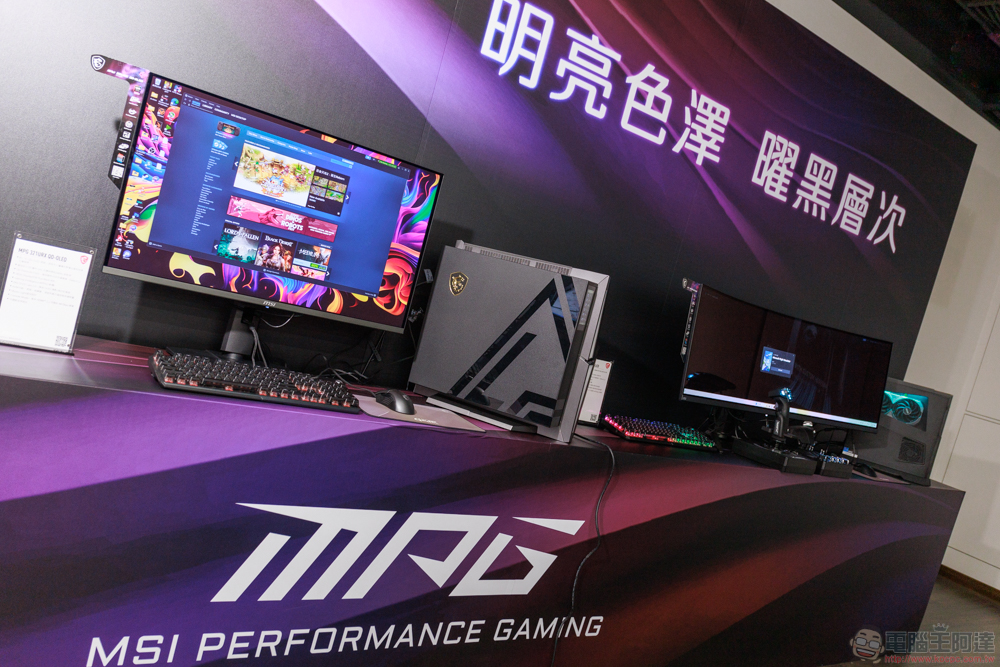
2. Ultra-high refresh rate monitors mostly use TN panels, sacrificing too much visual quality.
If you’re looking for a relatively affordable ultra-high refresh rate monitor, chances are you’re looking for a TN panel. IPS and OLED are available, but if you want the benefits of either display, refresh rates above 400Hz come at a steep cost. If you’re on a budget then you could go for TN, but as time goes on it becomes less and less common, mainly due to poor viewing angles and relatively mediocre contrast, and features that were once its strengths have become commonplace on other types of monitors, making TN panels quickly obsolete.
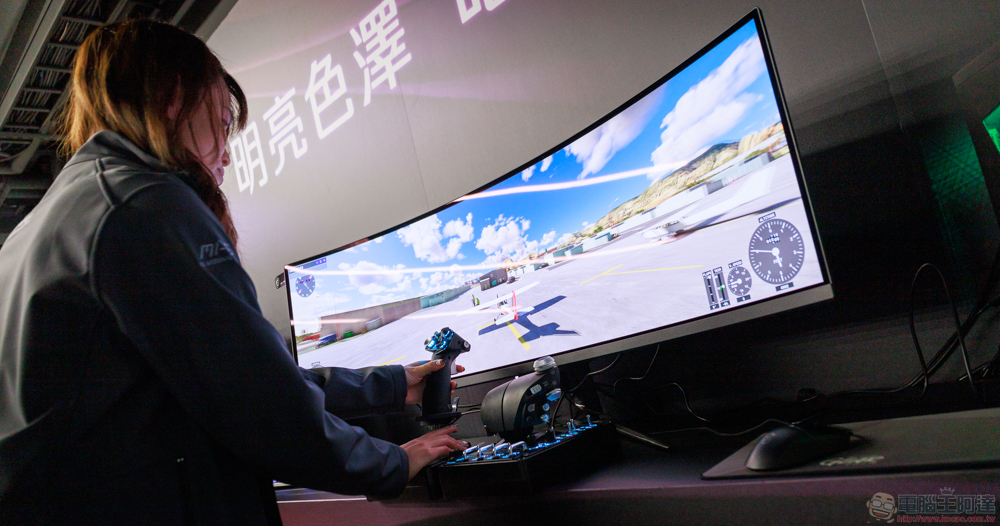
3. The less you spend on update rate, the more you spend on visual quality.
If you don’t plan on playing games outside of the eSports genre, it definitely makes sense to invest in an ultra-high refresh rate monitor. However, if you plan on doing any kind of content creation or using a lot of media, there are better options that cater to more all-round use.
If budget isn’t a concern, buying a new OLED gives you the best of both worlds, with ultra-fast update rates and response times, coupled with excellent contrast ratios, for a great, uncompromising experience. IPS displays are also becoming part of high-end products with high refresh rates, but even then you may still have to pay extra for them. In addition, the ultra-high refresh rate will not be as obvious as the difference between upgrading from 1080P to 1440P, or upgrading from 1440P to 4K, so investing in resolution will be more worthwhile than ultra-high refresh rate.
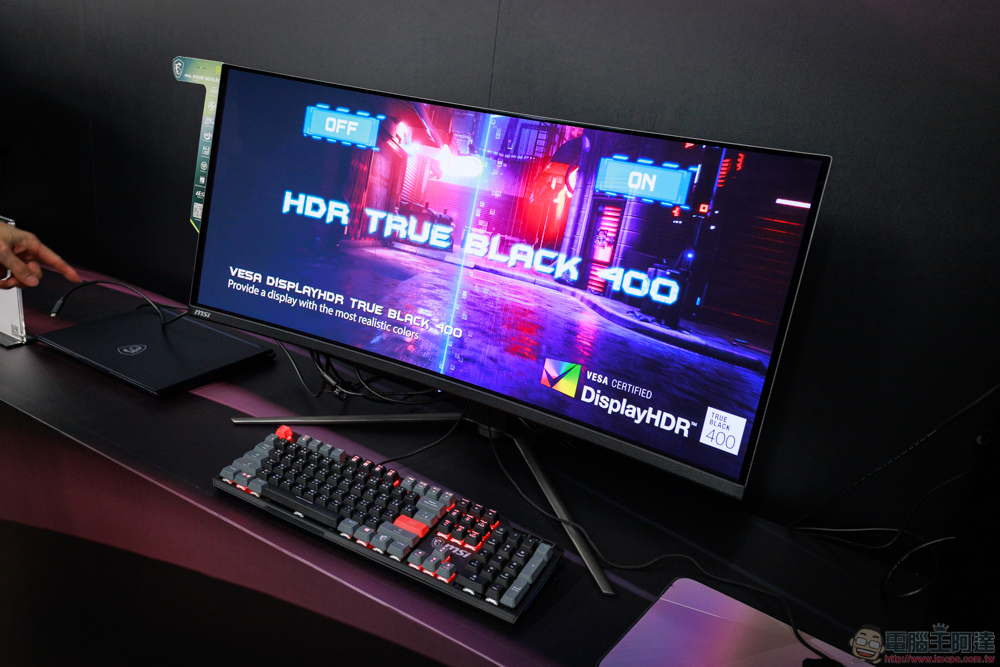
4. The ultra-high update rate is mainly aimed at professional e-sports players.
At the end of the day, ultra-high refresh rate monitors are really reserved for those who pay attention to their advantages. If you are a player of high-level e-sports games, you should be very familiar with low-latency, ultra-fast response equipment designed specifically for e-sports. In games where every millisecond counts, reducing latency as much as possible is critical. However, when you use these e-sports-specific screens for daily use and content creation, you will find that the experience is not as good as you expected.
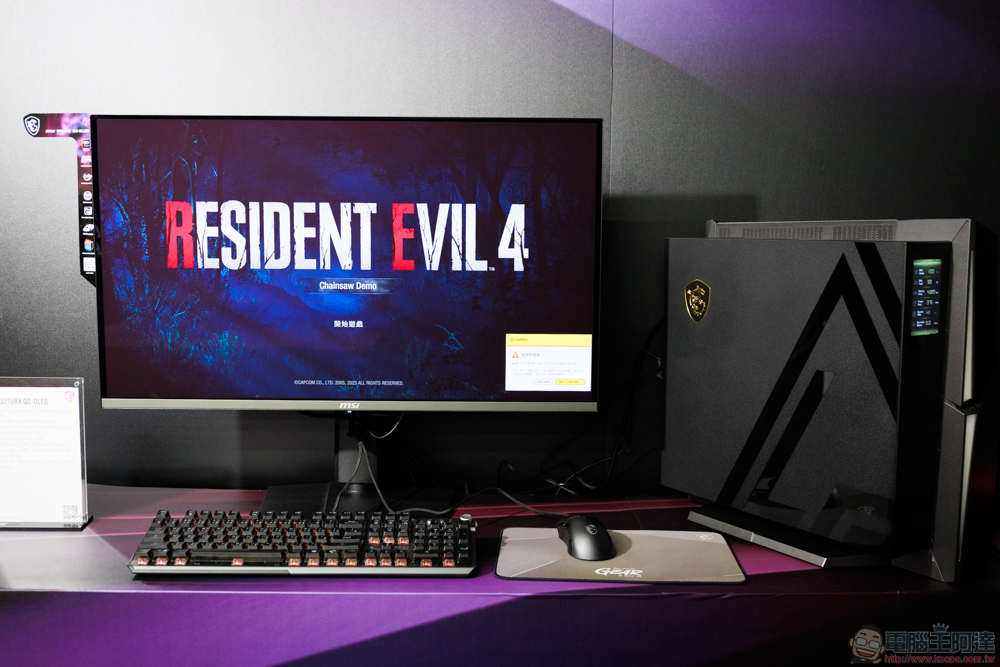
There’s really nothing to be ashamed of about choosing a monitor with a refresh rate of no more than 200Hz. The jump from 144Hz to 240Hz is certainly noticeable to the user, but anything beyond that will feel like you’re paying too much for the tiny benefit you’re getting. Bottom line, you’d rather lower the refresh rate and increase the resolution.
Source: KOCPC Chinese