


DDR5 RAM replaces DDR4 as the latest standard for system memory in desktops and laptops. The new standard promises greater capacity, greater efficiency, and advanced features not typically found on older DDR4 RAM modules. If you’re undecided between DDR4 and DDR5, or wondering what you’ll get by upgrading to a DDR5-capable CPU and motherboard, we’ve rounded up some of the reasons why DDR5 is better than DDR4.
4 advantages of DDR5 RAM over DDR4 RAM
1. DDR5 RAM is faster and can exceed 10000 MT/s
Standard speeds for DDR4 kits are often as high as 3200 MT/s, with brands pushing kits as high as 5000 MT/s. The JDEC standard for DDR5 started at 4000 MT/s, but has jumped to 8,800 MT/s, with some kits going even higher. It’s not difficult to upgrade to DDR5 and enjoy double the transfer rates.
Faster speeds don’t mean better system performance in all workloads. For example, unless you’re using the latest AMD processors with DDR5-7200 and fast clock speeds, you won’t get much of an improvement in games converted from DDR4. More specifically, there will be improvements from DDR4 to DDR5, but don’t get your hopes up as double-digit improvements are typically associated with non-gaming workloads.
2. DDR5 RAM has a higher capacity per module, even up to 128GB
DDR4 is a huge upgrade compared to DDR3 in terms of capacity. DDR4 is no longer just 16GB per module, but provides a maximum capacity of 64GB per memory, making the acceptable capacity on the motherboard higher. DDR5 takes it to a new level, with the capacity of each module reaching up to 128GB. Just one module can equal the total capacity supported by a DDR4 motherboard. This won’t matter to the average computer user, as not many systems run more than 32GB of memory, but it opens up new possibilities for hobbyist and workstation use.
3. DDR5 RAM consumes less power
AMD and Intel are racing to build the most efficient processors, but JDEC, the standards organization that manages and develops RAM, is also working to further reduce the power consumption required by RAM modules. To achieve this, the body reduces the operating voltage of DDR5 and uses an onboard power management integrated circuit (PMIC) to take over power management from the motherboard.
These changes allow DDR5 RAM to run more efficiently than DDR4, consuming less power while significantly increasing transfer rates and enabling tighter control over the timing and other parts of each module, the best of both worlds.
4. DDR5 RAM has ECC to some extent, which can dynamically check data integrity
Error Correction Memory (ECC) is an advanced feature of system memory typically reserved for servers. The more expensive DDR4 modules sometimes double the ECC and therefore cost more, but DDR5 is bringing convenience features to every computer. Using ECC RAM can help minimize system crashes and data loss by adding extra chips to the RAM to handle error checking and correction. Although DDR5’s ECC is not as powerful as traditional ECC, it is worse than nothing.
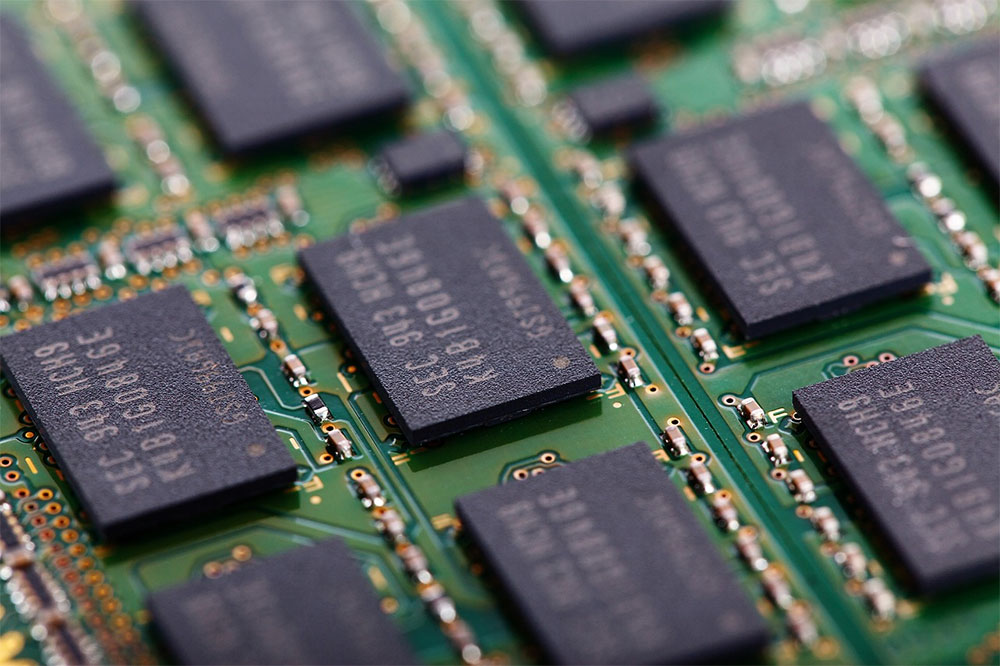
ECC memory will have a dedicated chip to check and correct errors, while DDR5 does data checking on a built-in chip. As DDR5 seeks dense modules with more memory, the risk of encountering errors will increase due to various factors, which is where on-die error checking comes into play. You still need to choose memory with full ECC capabilities to ensure data integrity, which may be DDR5, DDR4, or another generation of RAM.
The latest processors from AMD and Intel have transitioned from DDR4 to DDR5. Intel still offers a way to switch between DDR4 and DDR5 for 12th, 13th, and 14th generation CPUs, but the Core Ultra 200 series requires DDR5. DDR5 is now nearly five years old and has matured considerably, with tighter timings and faster transfer speeds. DDR5 is the way forward when building a new PC, and while it requires a new motherboard, CPU, and RAM, it’s also a good option for upgrading older systems.
Source: KOCPC Chinese