


Protecting hearing is actually an important part of maintaining overall health, and is even closely related to cognitive function.The Lancet Commission Report 2020states that hearing impairment is one of 12 controllable risk factors for dementia. As headphones and earplugs become part of daily life, hearing health has become an issue of increasing concern due to prolonged exposure to excessively high volumes.
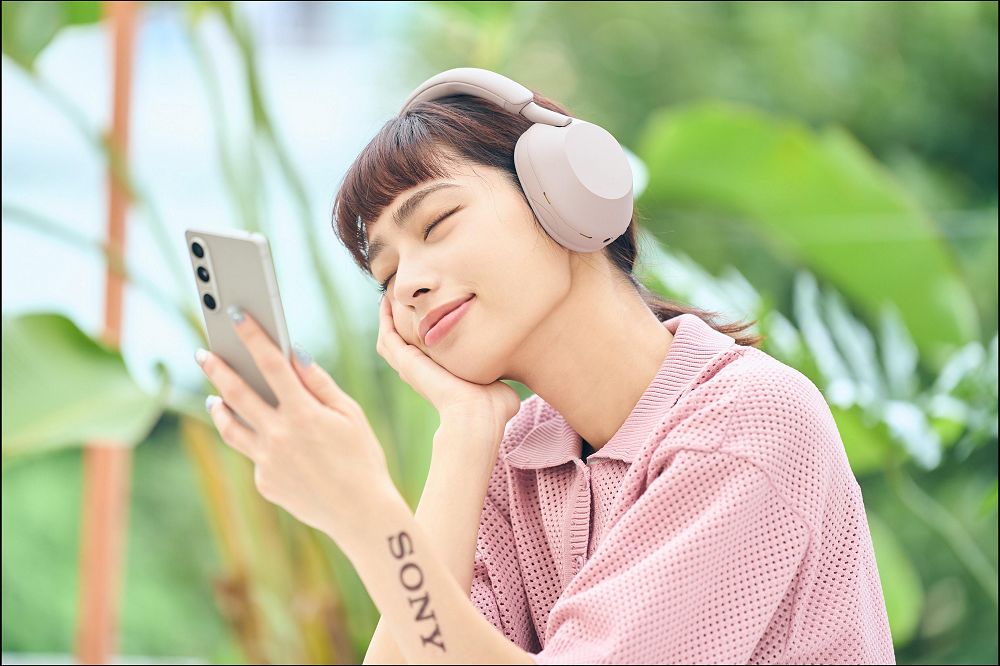
Have you heard of “60/60”? Hearing protection principles that headphone lovers must know
Many audiologists recommend following the “60/60 rule,” which isEach time you use the headphones, the volume does not exceed 60% of the maximum volume and the continuous listening time does not exceed 60 minutes, since I wear headphones or earplugs almost all day, I try to make this principle a habit. This rule seems simple, but there is actually a very clear scientific basis behind it.
according toNational Institute on Deafness and Other Communication Disorders (NIDCD)According to reports, sounds above 85 decibels may begin to damage hearing. This is about the same volume as a gasoline lawnmower. When the ears are exposed to such noise for a long time, the hair cells in the cochlea that are responsible for detecting sound will be damaged. Once these hair cells are damaged, they cannot regenerate, so hearing loss is often irreversible.
Fortunately, many headphones and mobile phone systems have begun to include hearing protection features. For example, some headphones will pop up a reminder or even automatically lower the volume when you listen at high volume for a long time. Google Pixel, Samsung Galaxy and iPhone health apps can also track headphone volume and provide long-term hearing exposure records. Taking the iPhone as an example, it will record the volume of every pair of headphones you use, and I myself found that the recording is most accurate when paired with AirPods. If you wear an Apple Watch at the same time, it can also monitor ambient noise and alert you if the volume around you is too high.
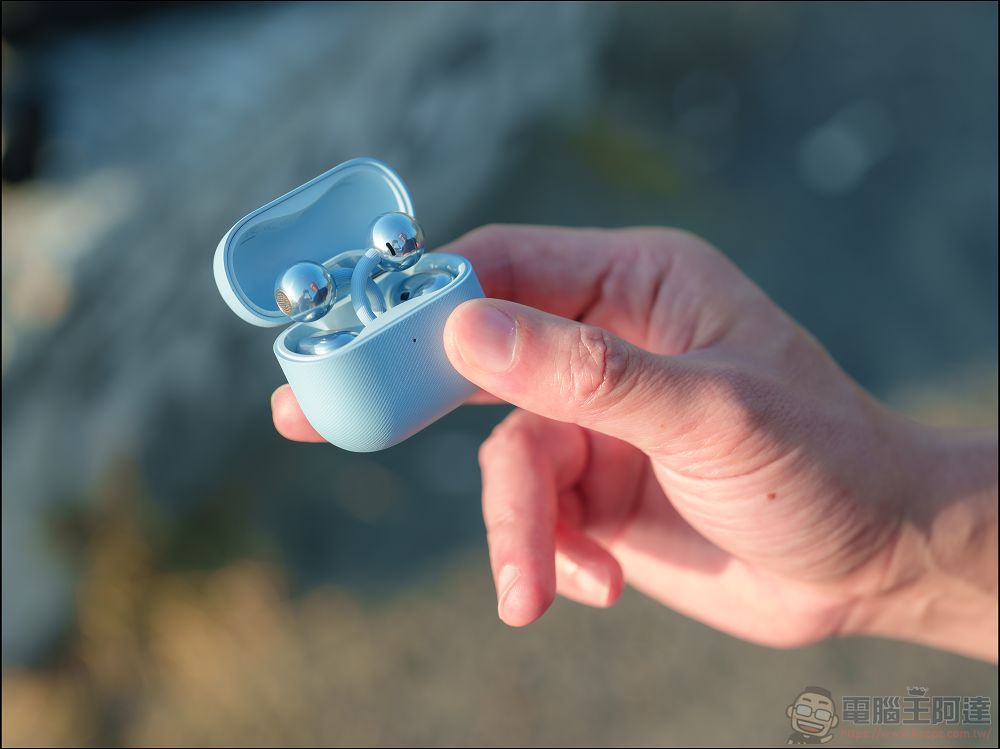
It’s worth noting that although active noise cancellation (ANC) can reduce ambient noise, it cannot replace real hearing protection equipment. Experts emphasize that in high-noise environments such as factories and construction sites, earplugs or earmuffs are still necessary, and ANC simply cannot provide the same level of protection. But in daily life, ANC can really help you avoid turning the volume too loud. 2022A study in the Journal of Audiology and OtologyIt was pointed out that using headphones, especially in-ear headphones, in noisy environments can reduce the risk of entertainment noise exposure.
The author’s own example is the gym. The gym is always buzzing on weekend afternoons, and my Apple Watch once measured ambient noise as high as 104 decibels. However, after turning on the noise reduction of AirPods, the ambient volume was reduced by approximately 27 decibels, allowing me to maintain the headphone volume below 85 decibels during 45 minutes of exercise to avoid unnecessary hearing burden.
In general, hearing damage tends to accumulate quietly, but the risk can be significantly reduced by following a few simple principles: controlling the volume, shortening the listening time, taking advantage of the hearing health features of the device, and using real hearing protection when necessary. Unlike eyesight, which can be remedied by glasses, hearing is difficult to recover once damaged, so the sooner you start protecting it, the better.
Source: KOCPC Chinese