


Google has long wanted to provide users with useful background information, and as generative media becomes more widespread and realistic, Google is deploying tools and updating the Gemini app to detect whether images were AI-generated or edited. However, the catch is that this new feature currently only works for images generated or edited using Google AI.
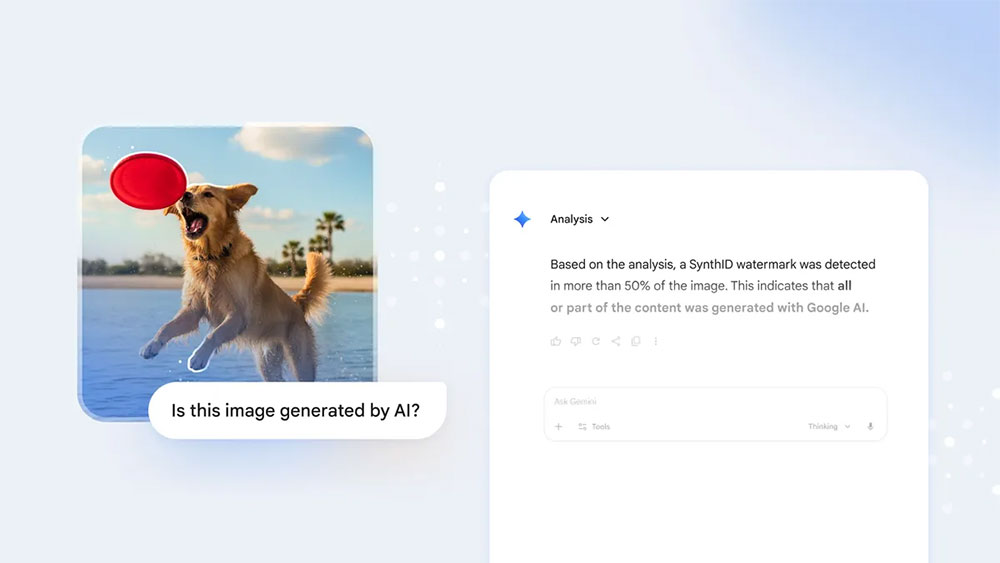
The Gemini app can now tell you whether a photo is AI-generated.
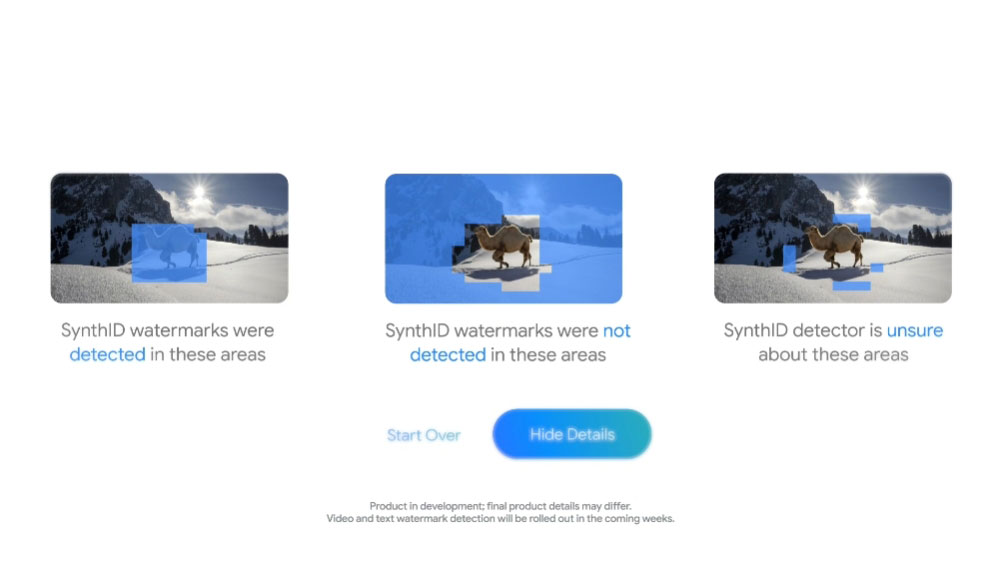
The driving force behind the Gemini AI image detector is SynthID, a digital watermarking technology launched by Google in 2023. SynthID embeds imperceptible messages into AI-generated content, and these messages remain intact even after modification. Google tests this technology through its SynthID Detector verification portal, which was opened to interested journalists, researchers, and media professionals earlier this year. It can identify AI-generated content across different modalities and flag the portions most likely to have been watermarked with SynthID.
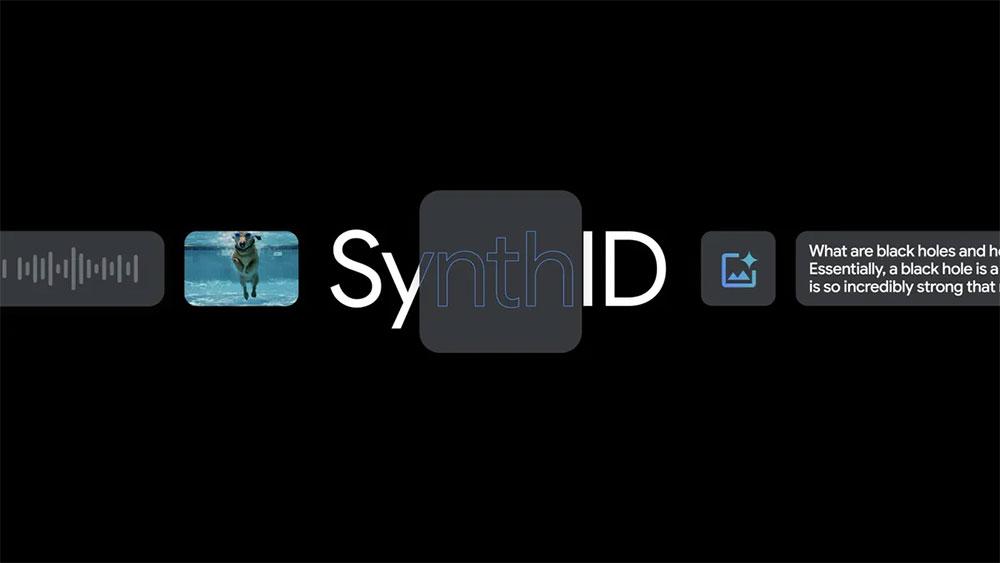
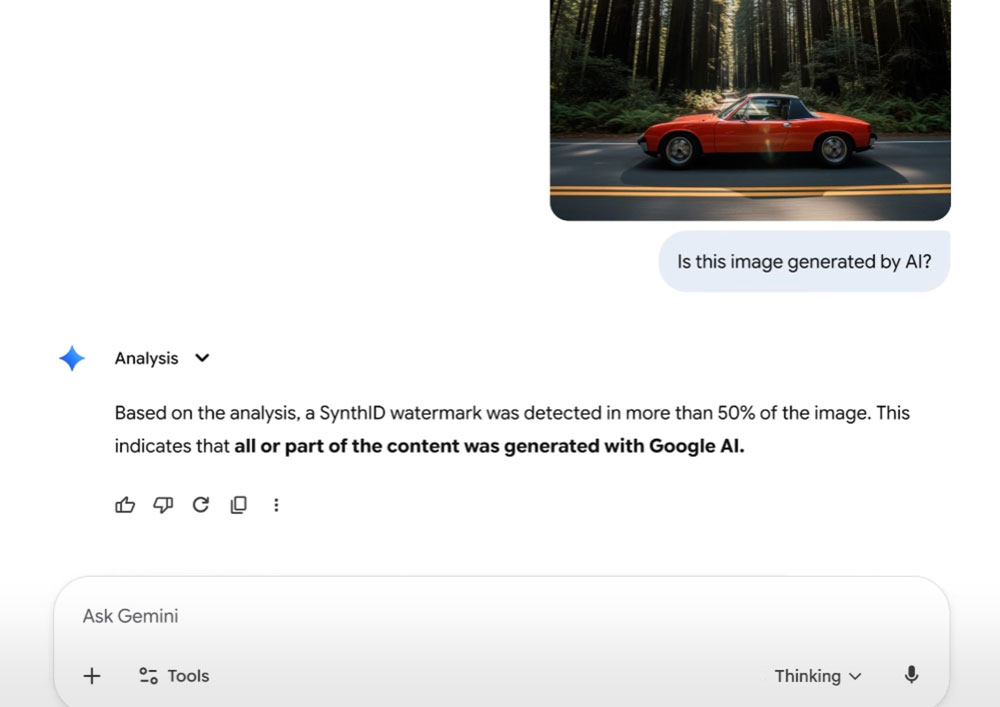
Google has also added SynthID support to the Reimagine generative AI tool in Magic Editor. However, you can quickly confirm whether an image you upload to the Gemini app was generated with Google AI by asking questions like “Was this made with Google AI?” or “Is this AI-generated?” in the Gemini app. The chatbot will verify the SynthID watermark in your uploaded image and use its reasoning capabilities to provide a response, adding more context to the image. In the future, Google will use its SynthID verification tool to support more content types, including audio and video, and integrate this feature into Google Search and other platforms.
This isn’t just Google—the growing threat of AI-generated content misleading and deceiving users is a wake-up call for other tech companies. Google is a member of the steering committee of the Coalition for Content Provenance and Authenticity (C2PA), which also includes Adobe, OpenAI, Meta, Microsoft, and others. While SynthID is Google’s proprietary program, C2PA is an open standard that can attach secure provenance data to images, audio, or video. Adobe has also developed its own digital watermarking tools based on C2PA credentials.
Google says its newly developed Nano Banana Pro image generation model will embed C2PA metadata in content generated in the Gemini app, Vertex AI, and Google Ads. Google has already implemented C2PA credentials in products such as YouTube, Search, Pixel, and Photos. Google says that in the future, adding verification tools to C2PA content credentials will let users check the original source of content created by models and products outside Google’s ecosystem.
Source: KOCPC Chinese