


Google officially released Android 17 and the new Android 17 at the recent Android Show 2026 Gemini Intelligence The AI layer launches multiple functions such as cross-application automation, personalized voice assistants, and smart desktop components in one go. However, for the Apple camp, this conference was more like a mirror. Mark Gurman, a well-known reporter from Bloomberg, pointed out in the latest analysis,Google The three key AI capabilities launched in Android 17 are exactly the killer features that Apple demonstrated when Apple Intelligence was released at WWDC 2024 but was subsequently repeatedly delayed.
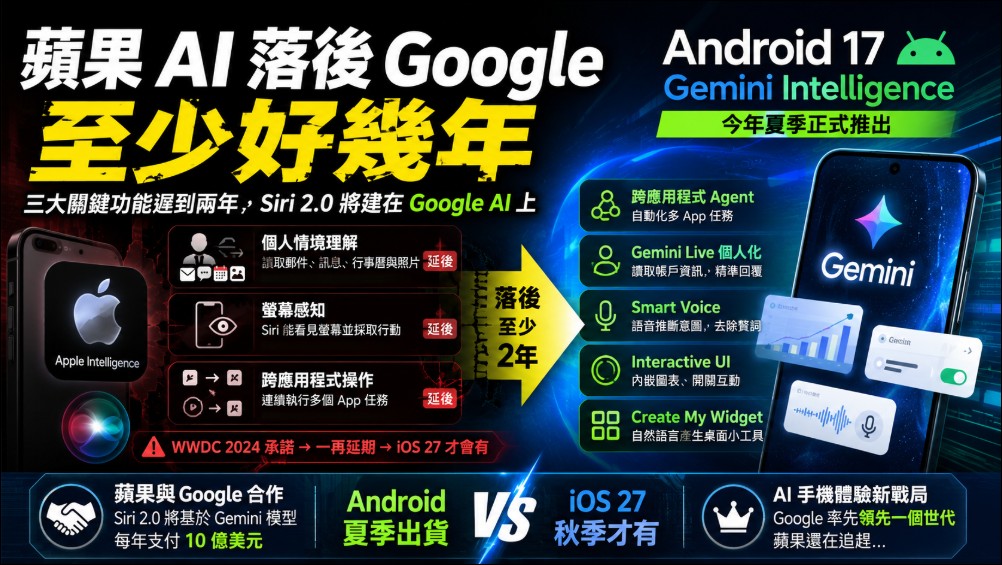
How far behind Google is Apple’s AI? Bloomberg: At least several years
Three commitments two years late
Looking back at WWDC in June 2024, Apple Apple Intelligence Painting an exciting AI future for the core.
However, two years later, the three most ambitious features demonstrated on the stage have not yet been launched:
- Personal Context (Personal Context Understanding): Siri can read your Mail, Messages, Calendar and Photos and incorporate your real-life information into answers
- On-Screen Awareness: Siri can “see” what’s currently on the screen and act on it
- In-App Actions / App Intents (cross-app actions): Siri can perform continuous actions across multiple apps, such as “move a meeting back, send a follow-up email, and then send updated photos to someone.”
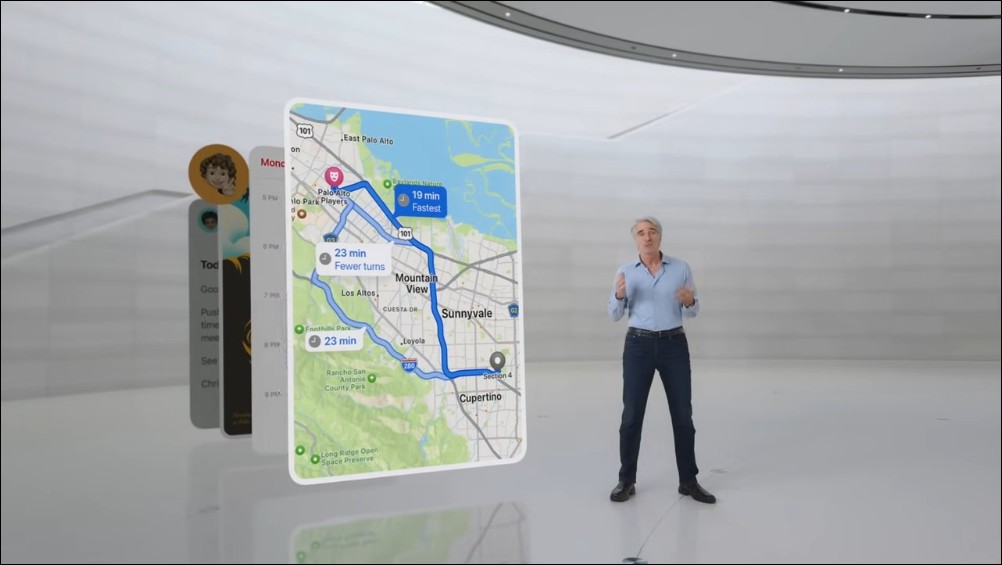
Apple officially announced in March 2025 that it would postpone the “more personal Siri” feature, saying at the time that it would “take longer than expected.” However, as of the iOS 26.5 Beta in March 2026, these features still have not appeared in any public betas. All features are expected to be rolled out to iOS 27 this fall.
Google is about to be officially launched, and Apple is still trying to figure it out
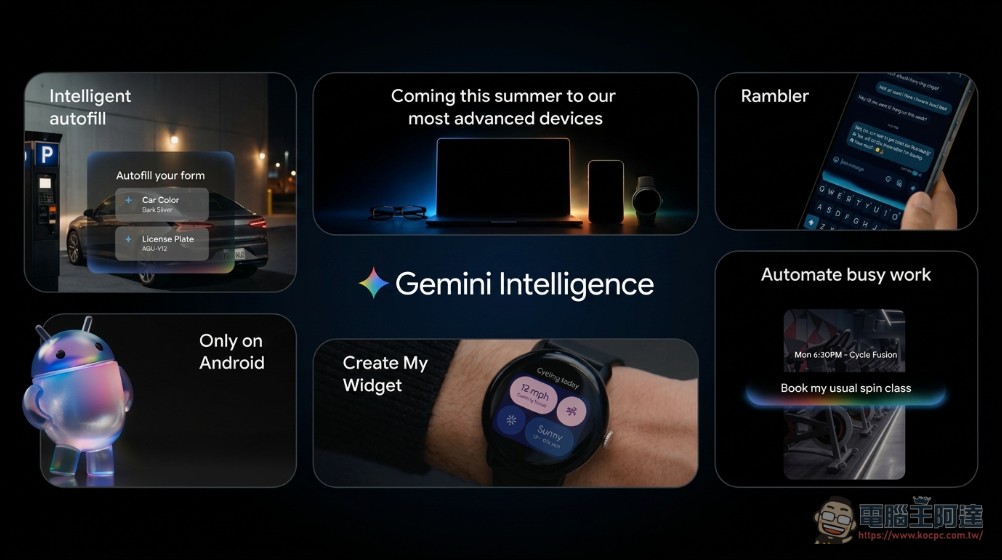
In sharp contrast, Gemini Intelligence launched by Google in Android 17 covers exactly the same range of capabilities and has been confirmed to ship with the new Pixel 11 and Samsung Galaxy phones this summer:
- Cross-application Agent capabilities: Equivalent to the App Intents promised by Apple, Gemini can automate tasks between apps – such as helping you reserve a better spot in the Flywheel class
- Gemini Live Personalization: Based on Personal Intelligence technology, reads your Google account information to provide personalized responses
- Smart Voice: Voice input automatically infers intent and removes spoken redundant words.
- Interactive UI: System answers directly embed charts, switches and inline interactions
- Create My Widget: Use natural language description to generate Android desktop gadgets
The Cruel Truth: Apple’s Siri 2.0 will be built on Google’s AI
What’s worse is that this isn’t just a matter of falling behind. Apple is catching up with the very partners it must rely on. In January 2026, Apple and Google jointly confirmed: “The next generation of Apple Foundation Models will be based on Google’s Gemini model and cloud technology.” This deal is worth up to US$1 billion per year.
Apple 確認與 Google 合作,將推出基於 Gemini 驅動 Apple Intelligence 與 Siri
In other words, the core of Apple’s next-generation Siri, including the three delay functions mentioned above, will all run on Google’s AI technology. When your iPhone finally gets the ability to use Siri across apps, it’s likely to be powered by the same (or similar) Gemini model as Android 17 Gemini Intelligence.
Comparison of patterns: Google’s generosity vs. Apple’s closeness
The differences in the landscape of this AI competition are not only reflected in technical capabilities, but also in platform philosophy. Google’s Gemini Intelligence will be available to all Android OEMs from day onecan be adopted immediately, to create an AI experience exclusive to each manufacturer. On the other hand, Apple’s Apple Intelligence is still tightly locked within its own ecosystem, and even the core functions of Siri cannot be delivered as scheduled.
Market researchers note that Android 17 combined with Gemini Intelligence will start shipping this summer, while iOS 27 won’t wait until at least the fall, meaning Google will have at least a quarter’s lead window. In the age of AI, a quarter is a generation.
From a consumer perspective, the choice has never been clearer: if you want the most advanced AI phone experience, the Android camp: especially the latest generation Pixel 11 and Galaxy new phones will be the first to offer cross-app AI assistants, screen awareness and personalized contextual understanding in the summer of 2026. Apple users will need to wait until the fall update of iOS 27, and these features may still be driven by Google technology.
Summarize
Mark Gurman’s latest analysis is cruel but honest: Apple lags behind Google in the field of AI, not in months, but in “years”. The more core problem is not lagging behind itself. After all, Apple still has huge advantages in chips, ecosystem and privacy protection, but that Apple has promised but failed to deliver, while competitors are starting to deliver. When Apple finally launched Siri 2.0 based on Google Gemini, the answer to the question “Is Apple lagging behind Google in AI?” was already self-evident.
Source: KOCPC Chinese