


Most people know that if the computer is not shut down for a long time, its performance and lifespan will be affected to some extent, so restarting or shutting down regularly is basic maintenance. But when it comes to smartphones, things seem to get murky. After all, a mobile phone is essentially a computer, just smaller and portable. So, should we also shut down regularly? Or would it be okay to have it running year-round?
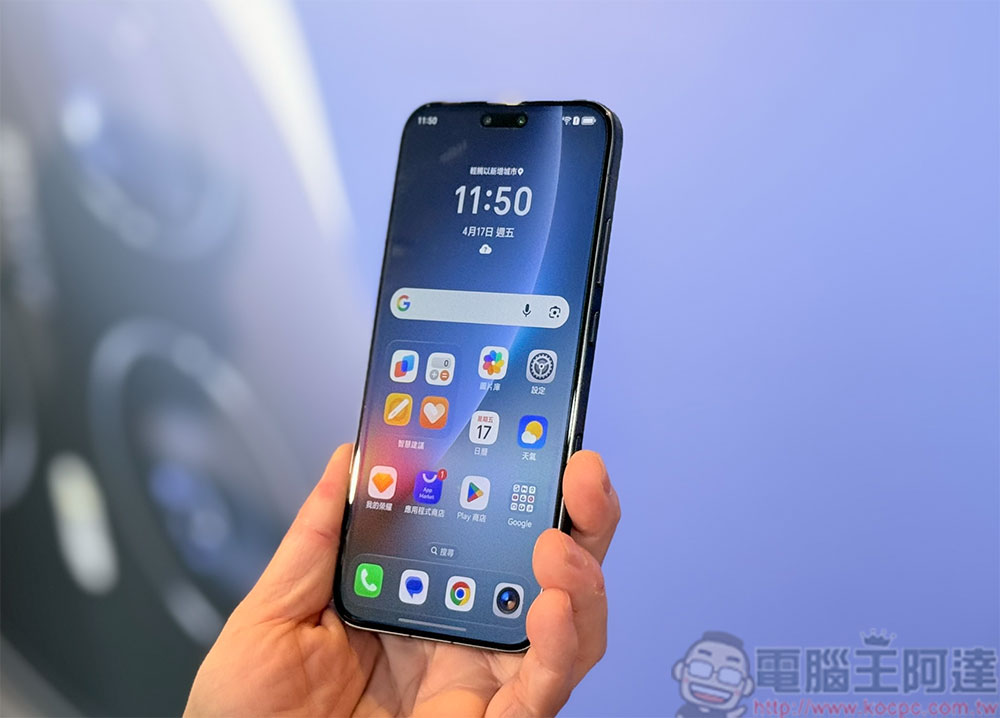
When should you turn off your Android phone? Why?
From a design perspective, modern smartphones do tend to stay on for longer periods of time. Android devices use high-performance, low-power ARM architecture processors, and the Android system itself is built with “long-term operation” in mind. It continuously manages resources, reclaims memory, and optimizes performance in the background, so you don’t have to restart frequently. However, the presence of the power button is not a decoration. In some cases, shutting down or restarting can restore your phone to its best condition.

Under normal usage, you don’t need to shut down your phone every day or every other day. For most people, restarting it once a week is enough. But when the phone starts to behave abnormally, the classic IT saying still applies: “Have you tried restarting?” The reason why this sentence has been circulated for many years is because it really works. Restarting can solve many seemingly complex problems, including system slowdown, application lag, network failure, strange Bluetooth behavior, etc. It is like pressing the “Refresh” button for the entire phone and restarting all processes.
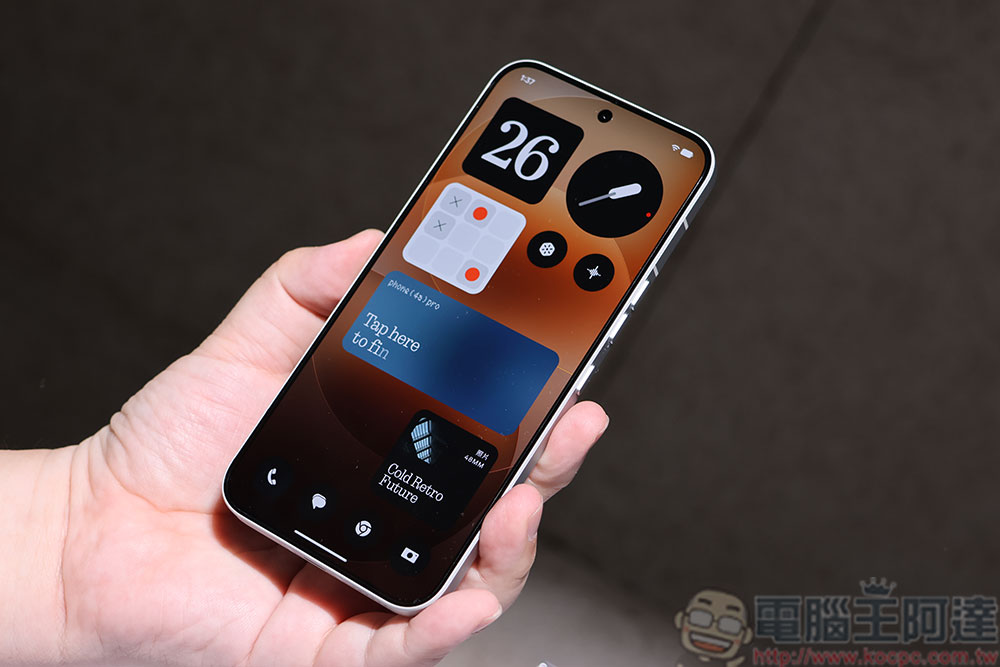
Android’s memory management mechanism adopts the concept of “unused RAM is wasted RAM”, so the system will preload frequently used applications into the memory as much as possible to shorten the startup time. When the memory is insufficient, the system will automatically release applications that have not been used for a long time. This mechanism works well in most cases, but sometimes unexpected performance drops occur on low- and mid-range phones with smaller memory. If you find that your phone is getting slower and slower as you use it, the battery consumption is abnormal, or you feel stuck despite not having many programs open, restarting can forcefully clear the memory and reload the system, which can often improve the situation immediately.

In addition to performance issues, rebooting can also reset network modules. When you are unable to connect to Wi-Fi, mobile data suddenly fails, or the signal becomes inexplicably poor, turning airplane mode on and off is usually the first step. If it still doesn’t work, restarting your phone can often restore the network connection to normal. Even the U.S. National Security Agency (NSA) recommends shutting down your phone once a week on the grounds that it can reduce the success rate of certain zero-click attacks and spear phishing attacks, while also keeping your phone in a more stable operating state.
Another situation where you must turn off your phone is when you plan to put your phone away for an extended period of time. Many people will put their old mobile phones in drawers, intending to reuse them in the future or use them as backup phones, but there are risks in leaving them like this. The most important thing to pay attention to is the battery. Lithium batteries will naturally discharge when not used for a long time. If the power drops too low, the chemical structure of the battery may be damaged, and the battery may even be unable to start again after being plugged in. What’s worse is that if it is kept fully charged or plugged in for a long time, it may cause the battery to swell, raising safety concerns.
Therefore, if you want to store your phone for a period of time, it is recommended to first adjust the power to about 50% and then shut it down completely; charging it back to 50% every six months can extend battery life and avoid damage. These steps may seem cumbersome, but they are very important to protecting your battery.

Security is also one of the reasons to keep idle mobile phones turned off. A mobile phone that is turned on for a long time but has not been updated is equivalent to being exposed to known vulnerabilities. Every device connected to the Internet is a potential attack surface, and old mobile phones often store a large amount of personal data, including text messages, photos, documents and account information. If you no longer use a mobile phone, keeping it turned off can effectively reduce the risk of remote intrusion.
In summary, smartphones do not need to be shut down as frequently as computers, but moderate restarts do bring benefits. When the phone is slow, the network is abnormal, or the applications are weird, restarting is often the fastest and most effective solution. When storing for a long time or considering safety, shutting down completely is a necessary step. Although the mobile phone is designed to operate for a long time, a moderate rest can still keep it in optimal condition.
Source: KOCPC Chinese